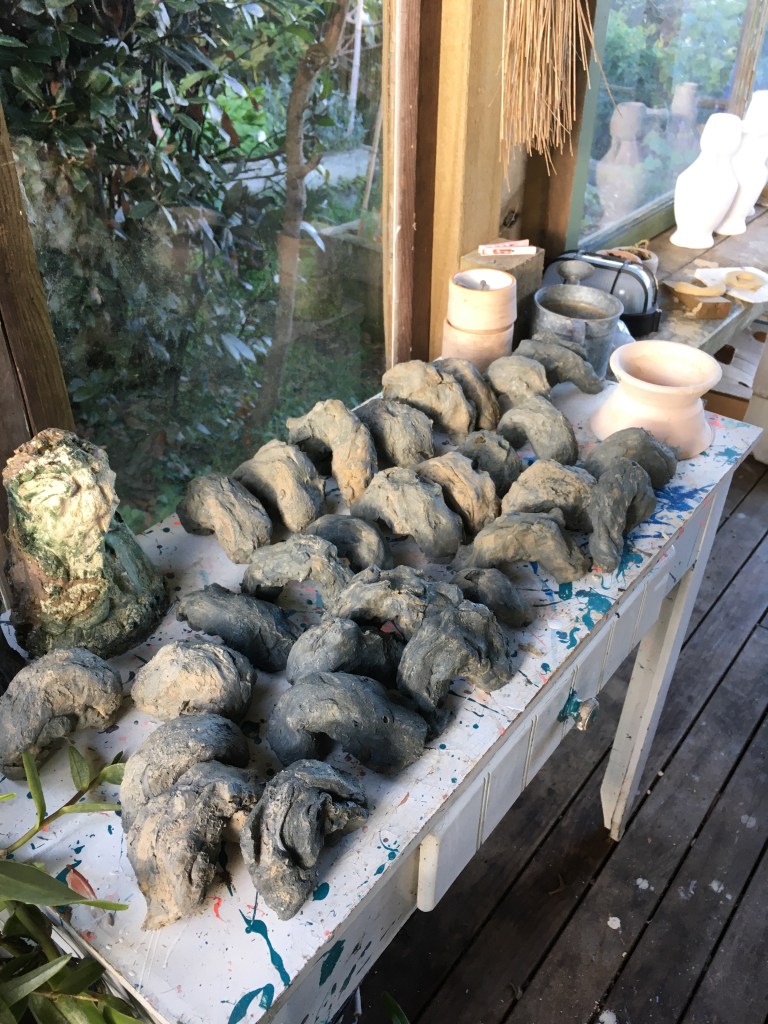
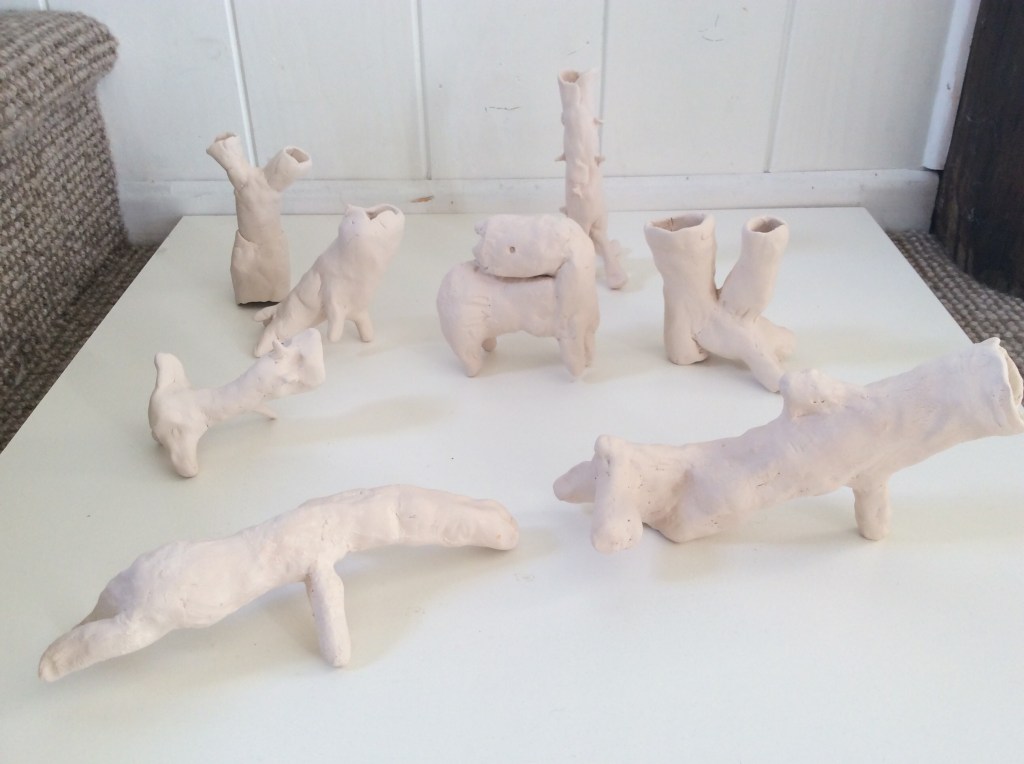
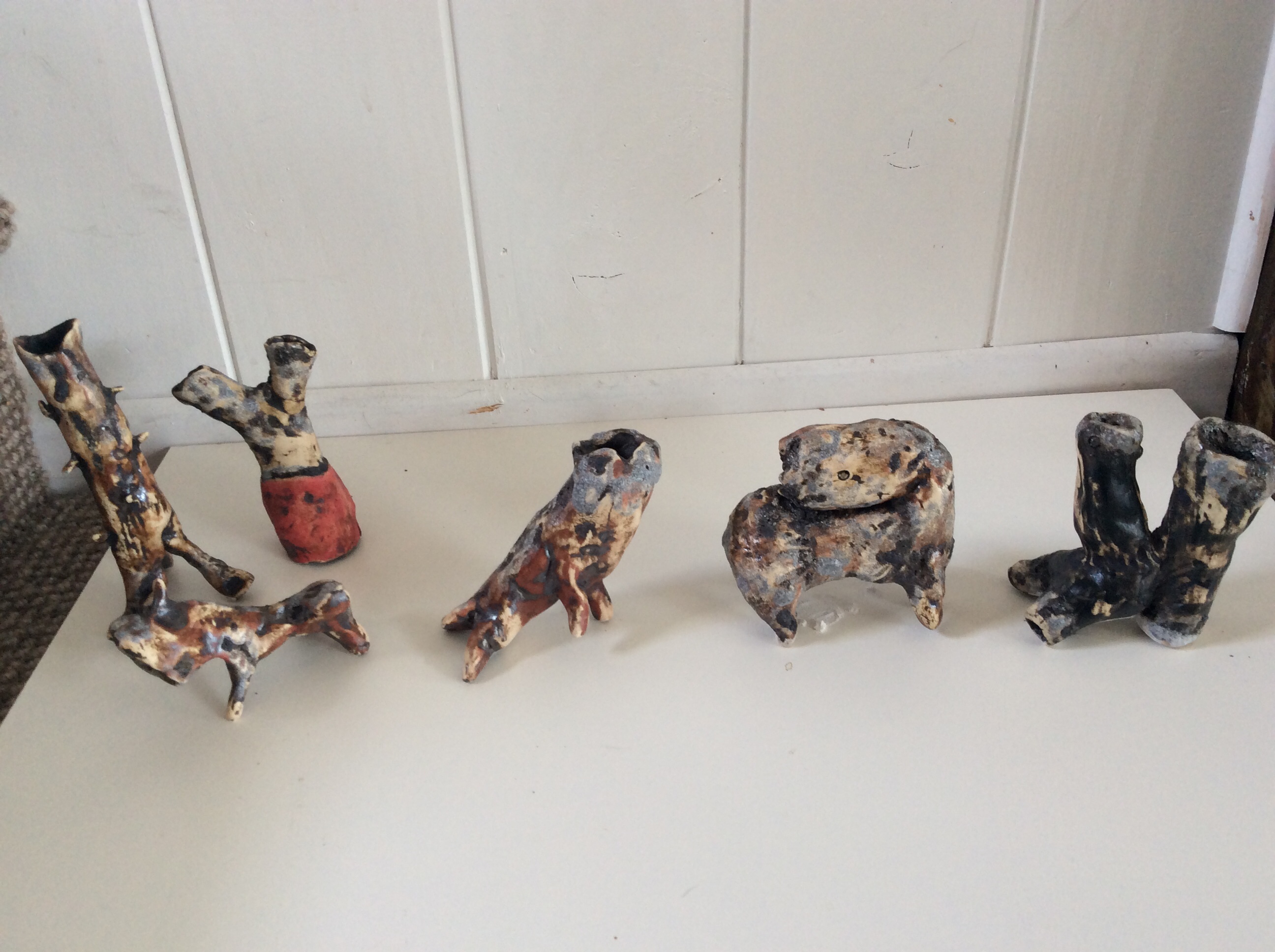
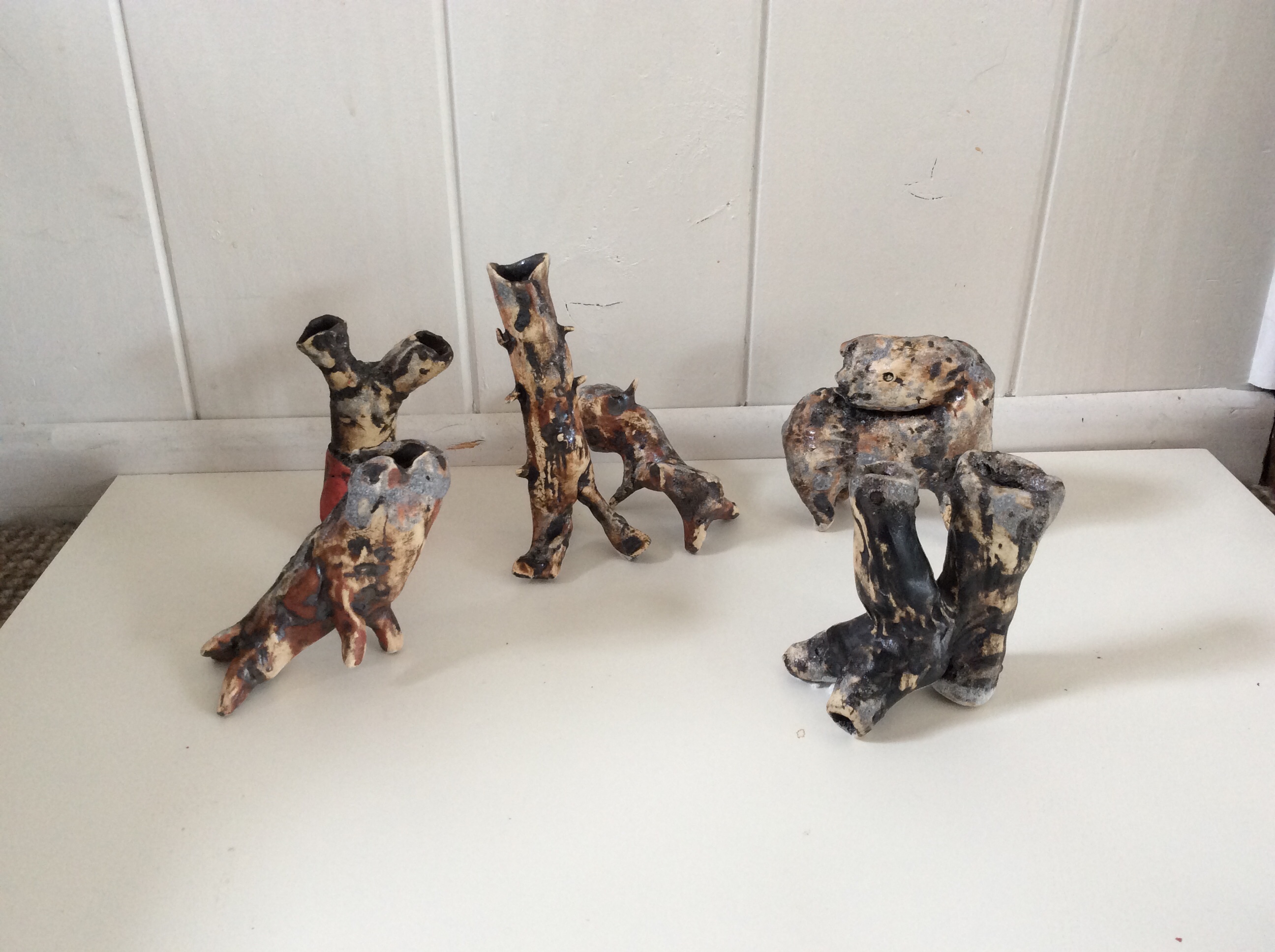
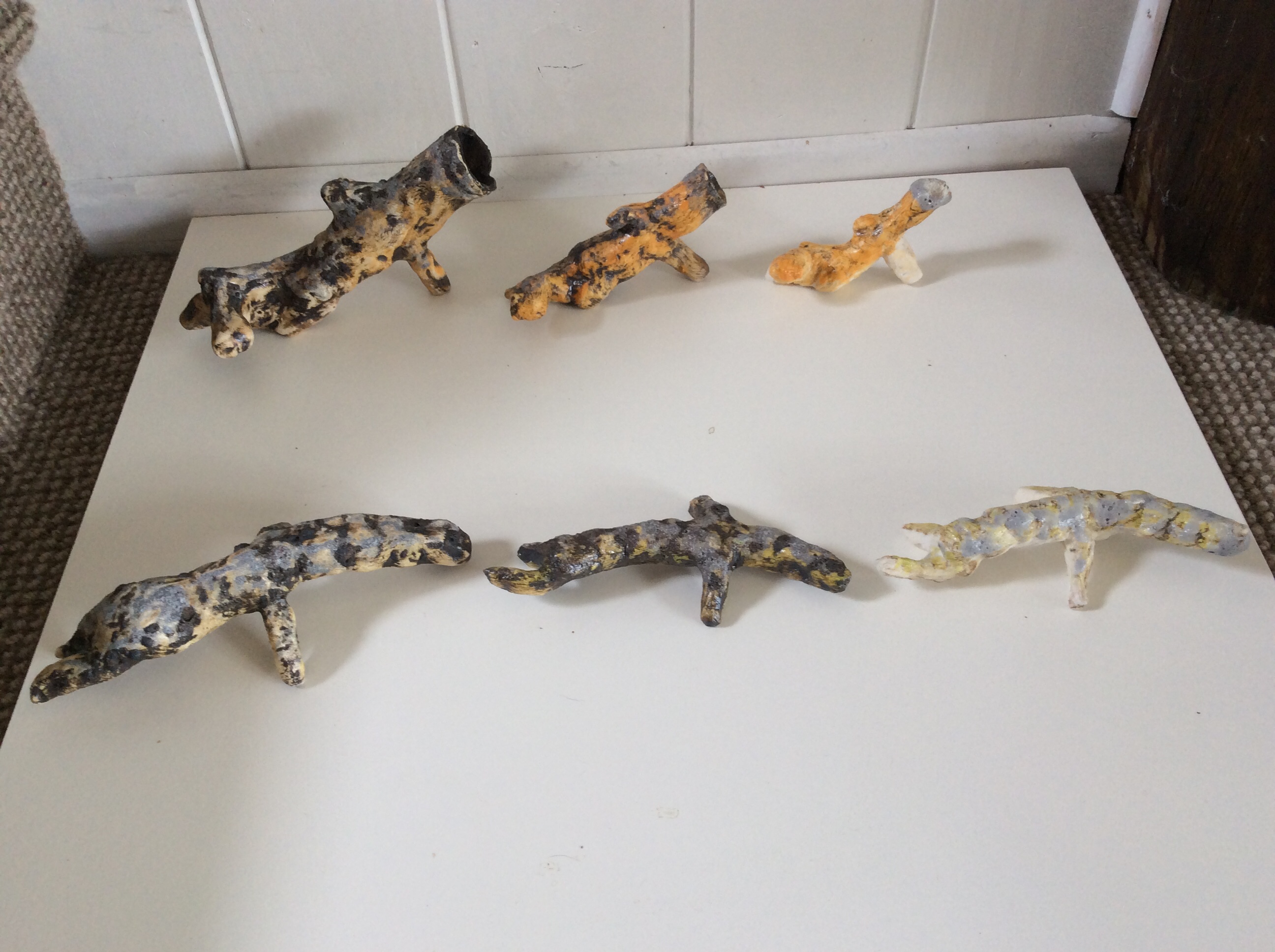
Altering forms. To make 5 and alter in different ways.
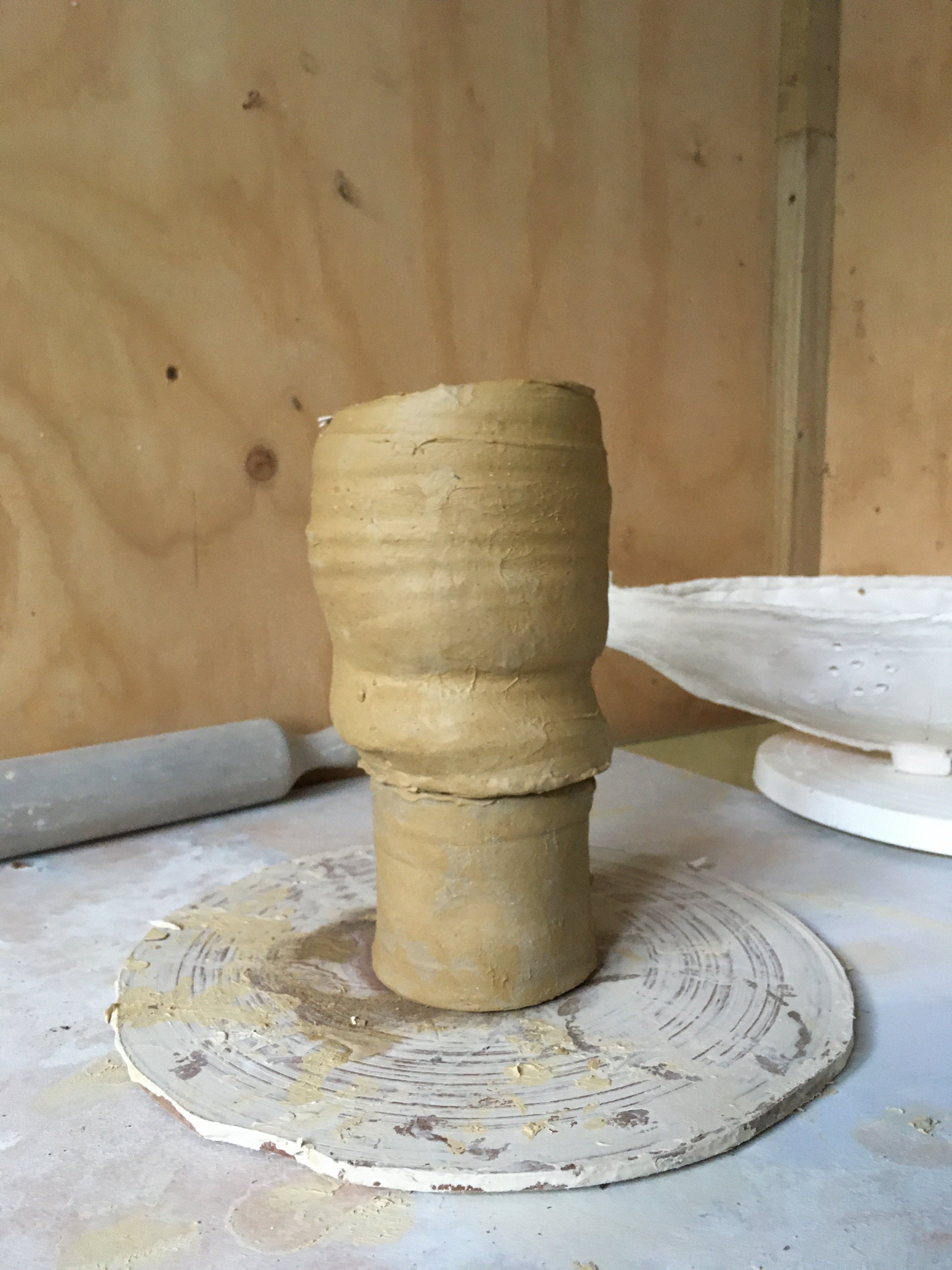
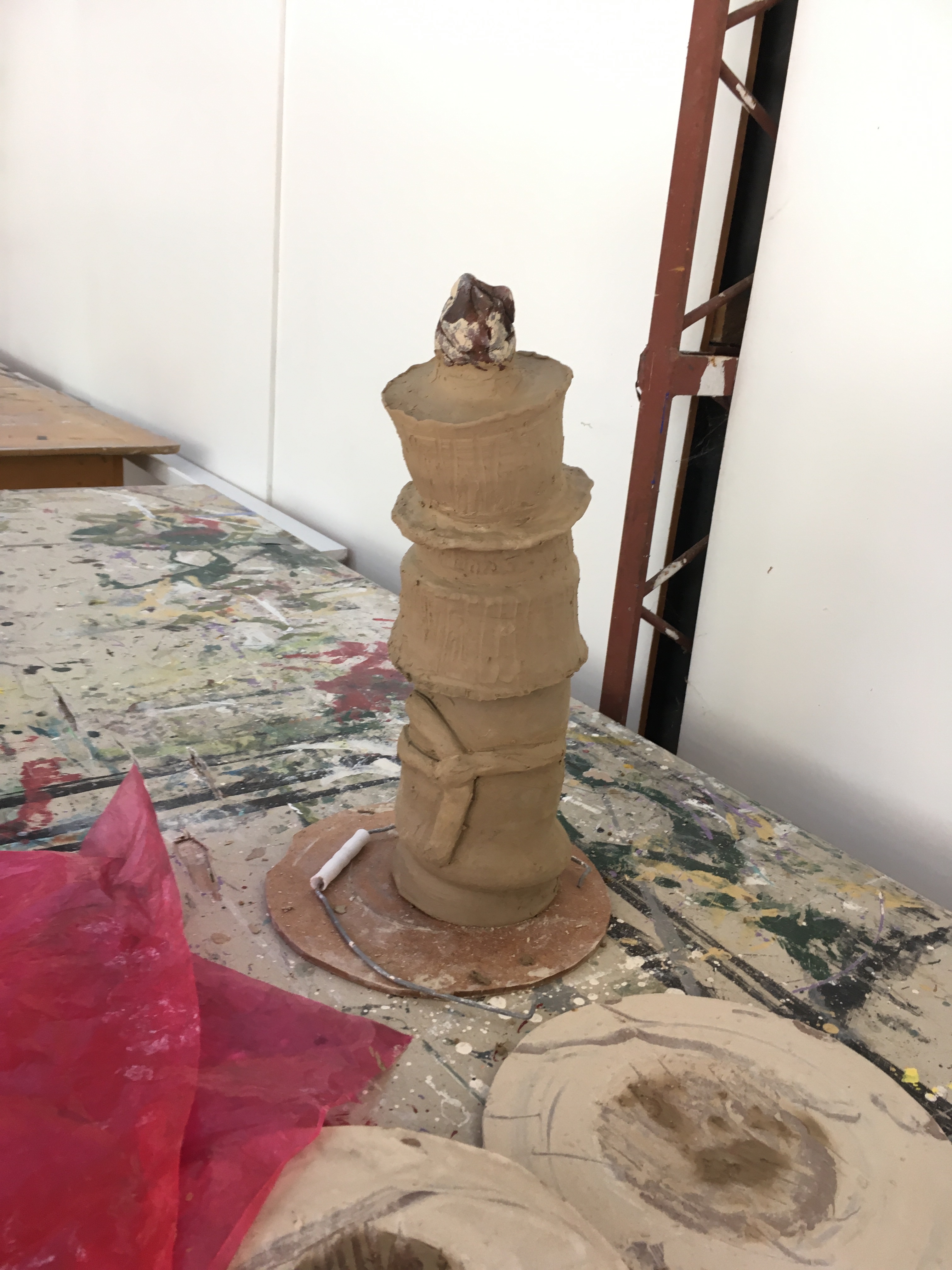
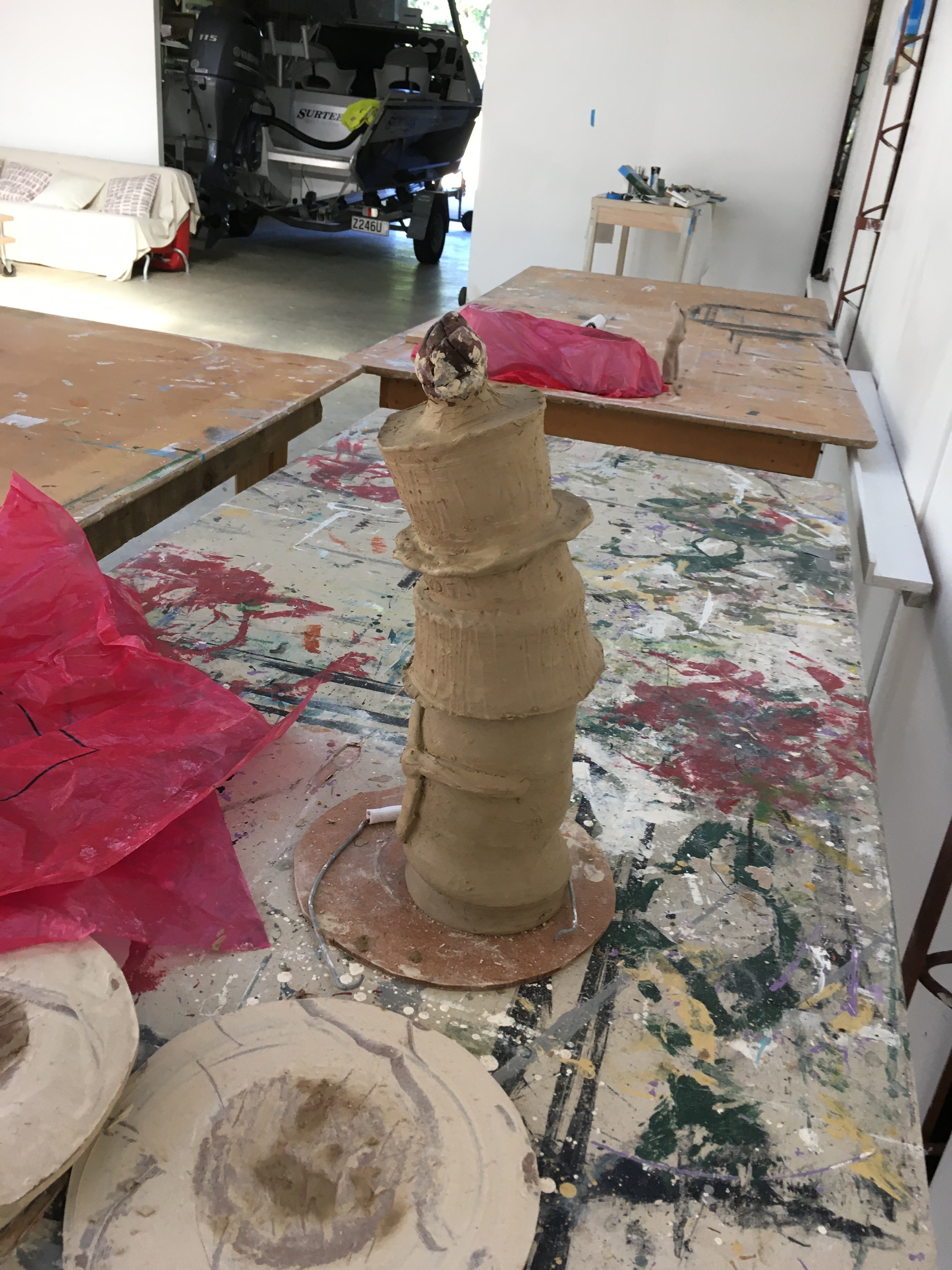
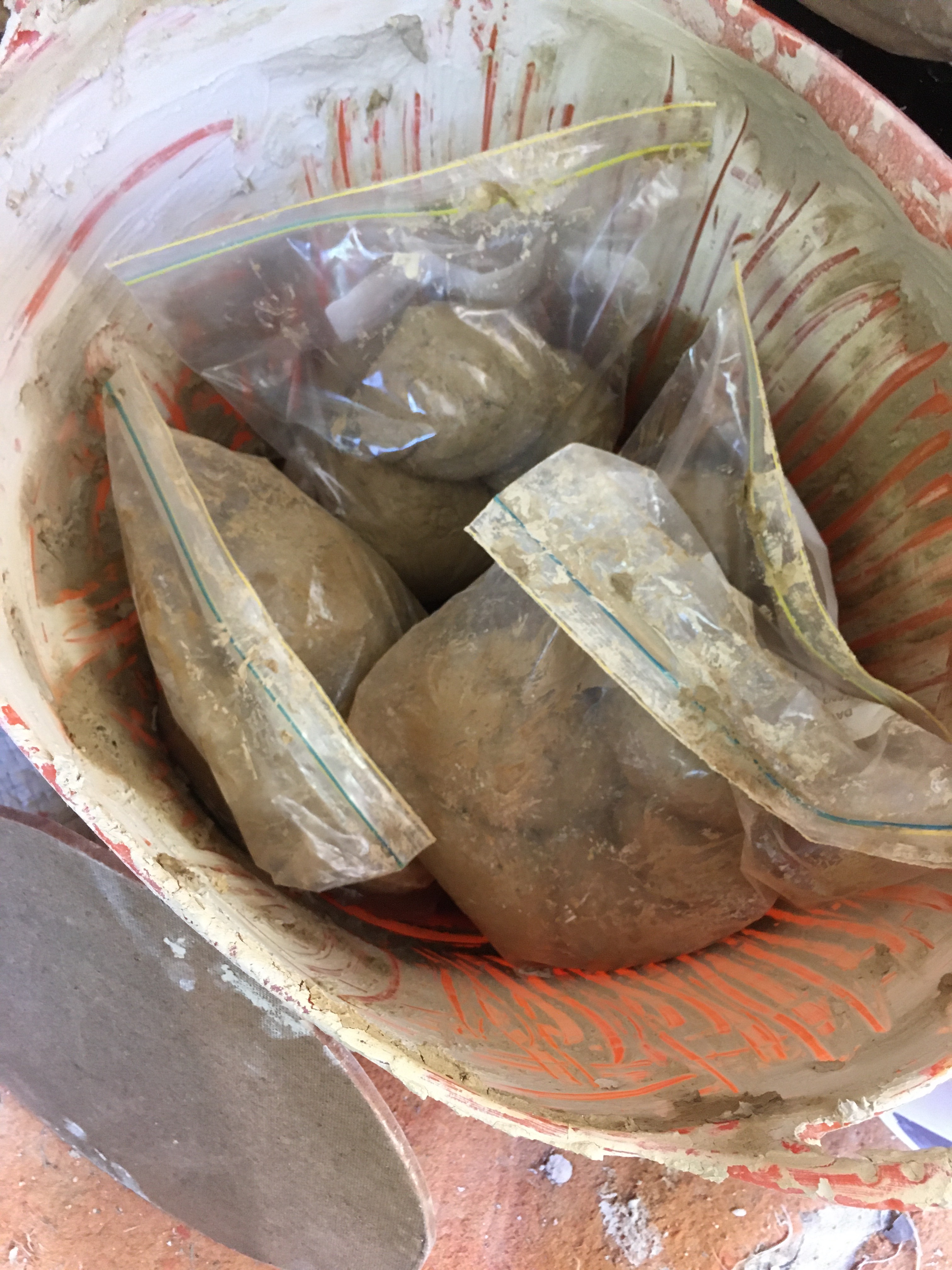
2 cylinder stack of combination clay
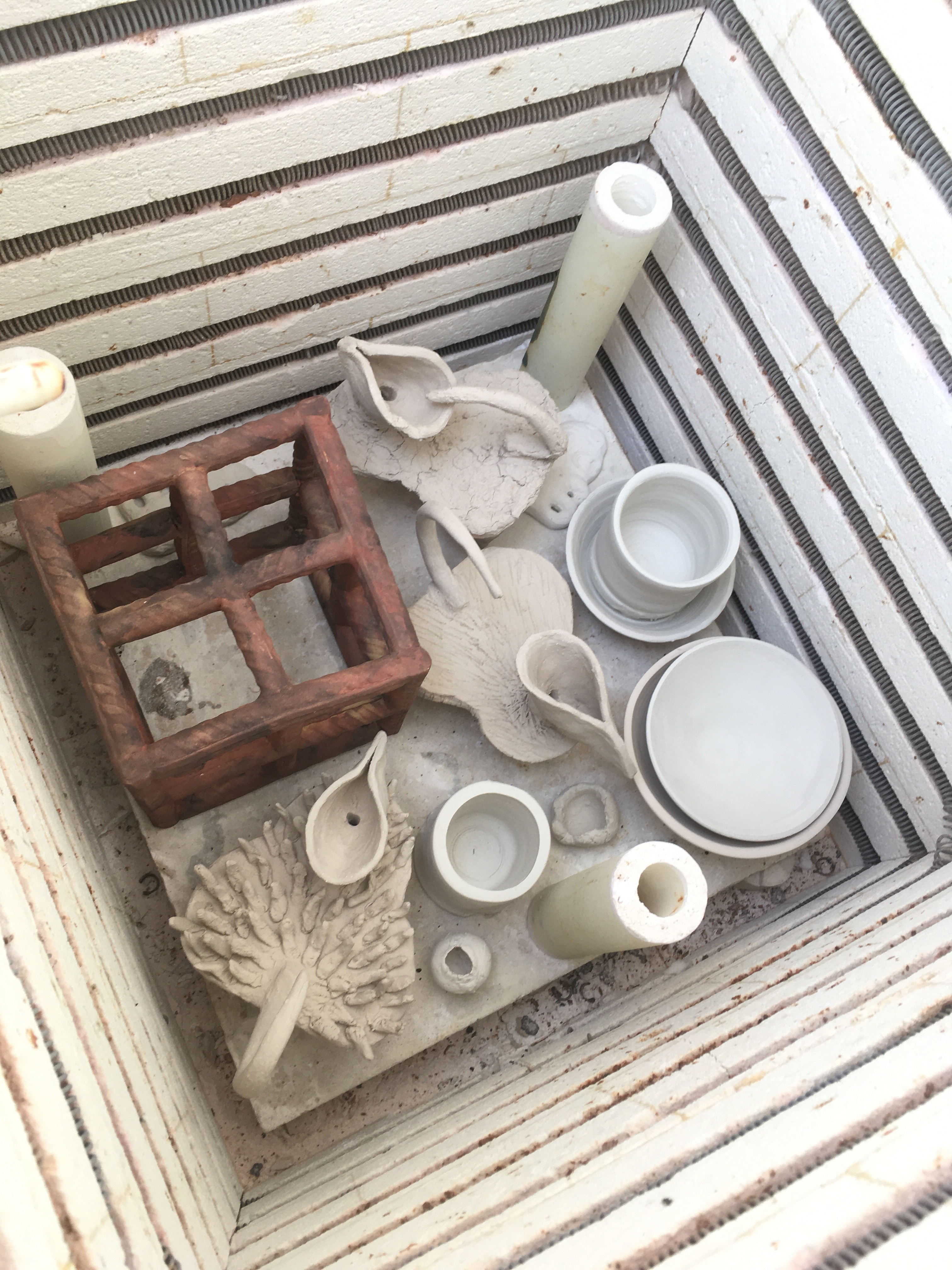
Buff stoneware cylinder stack with rock
Buff stoneware stack with iron oxide rock pushed on top
Mixed clay stack with paper clay Te Waka O Rangi
Mixed clay stack with Te Waka o Rangi
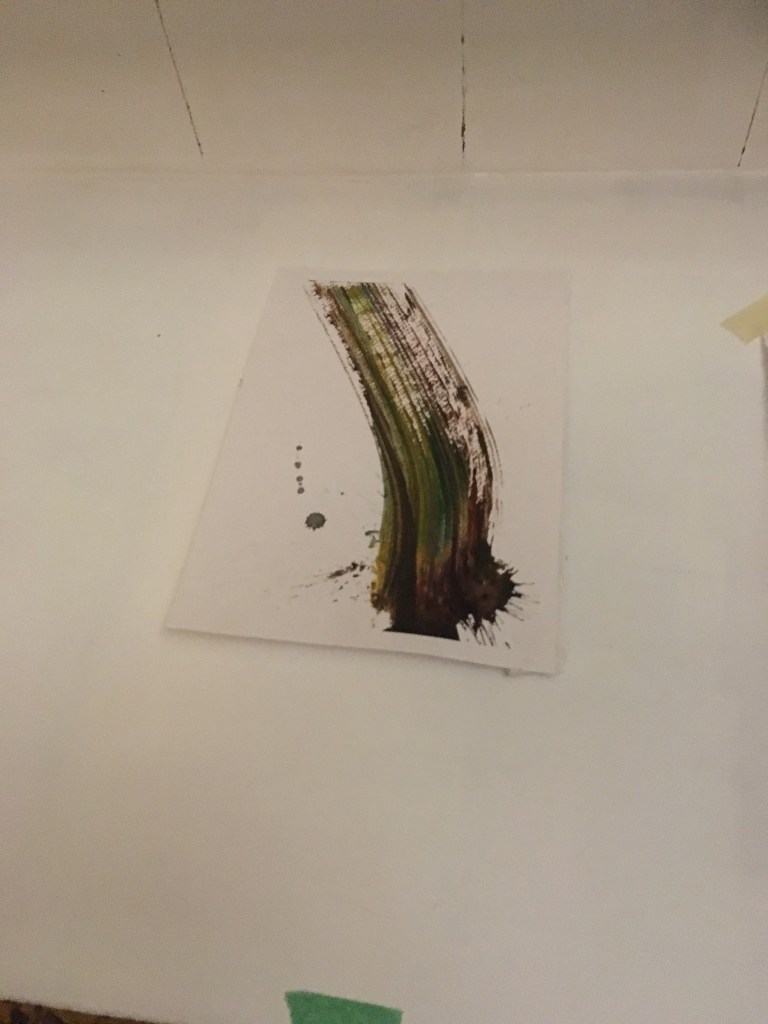
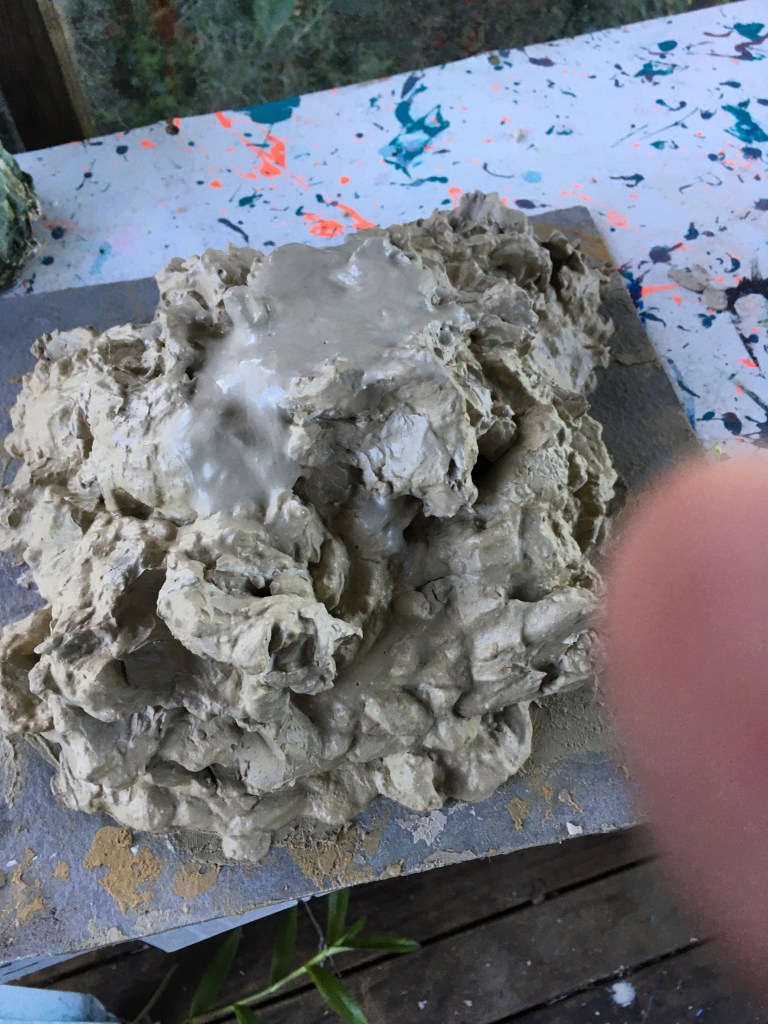
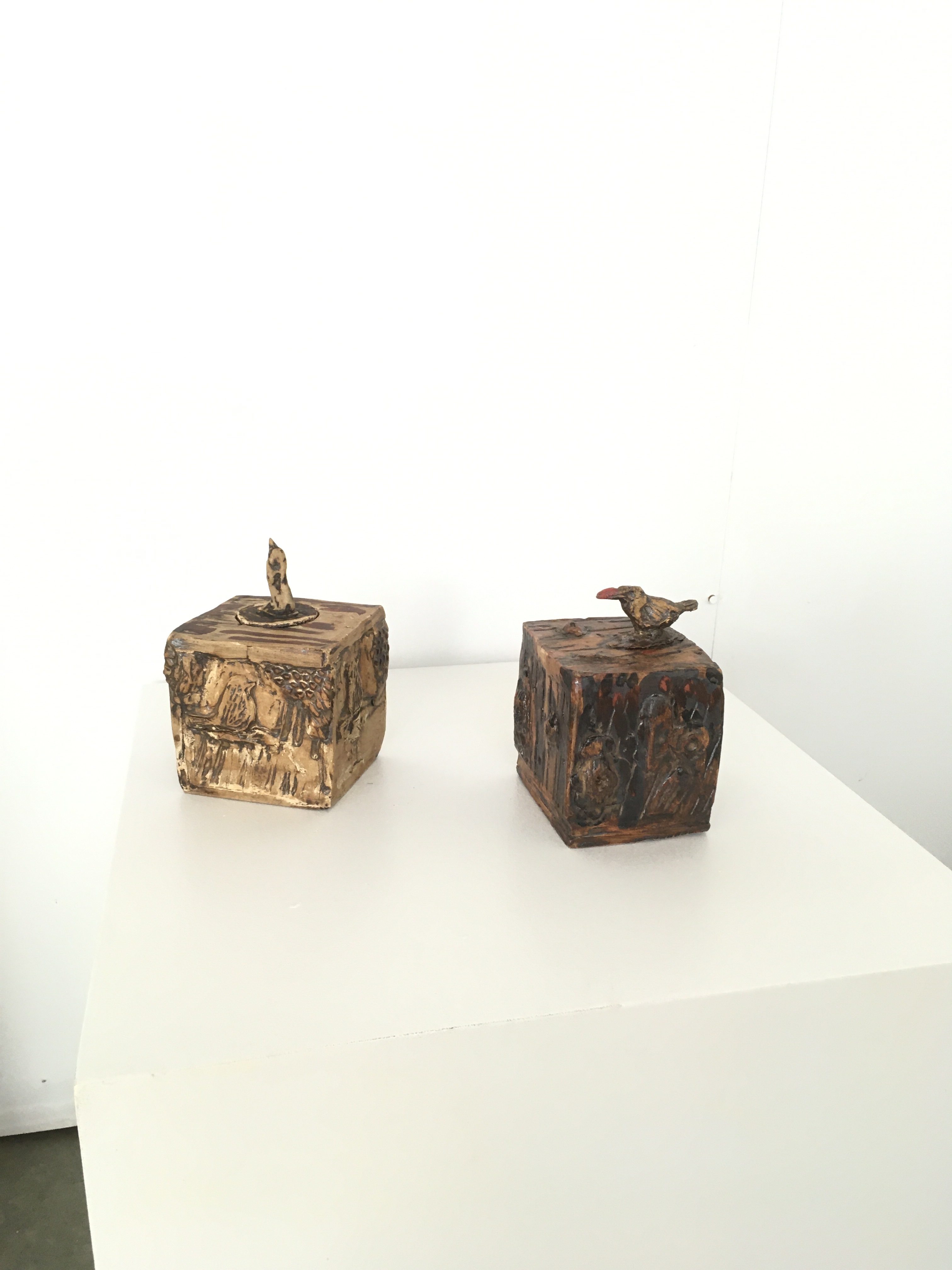
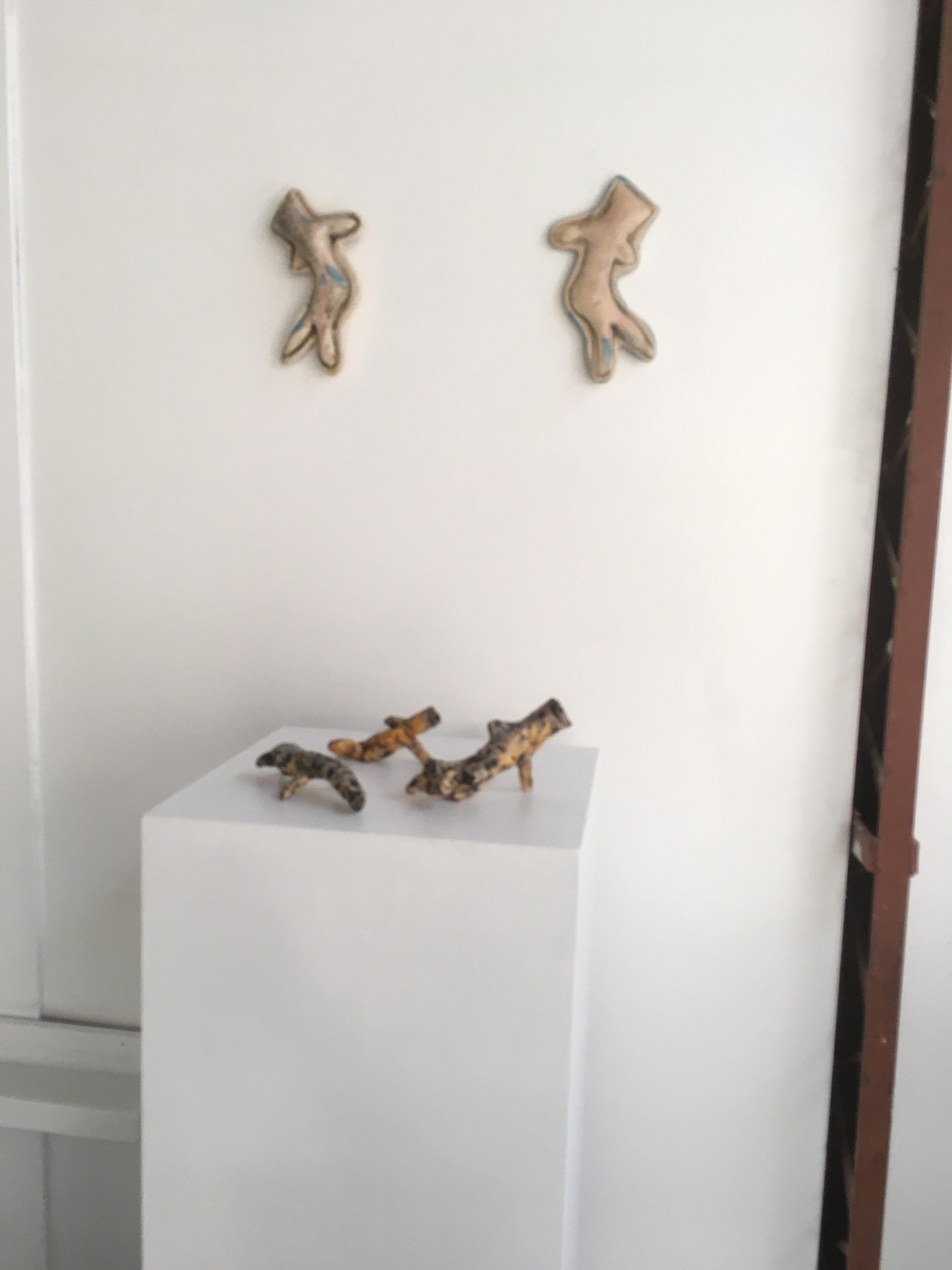
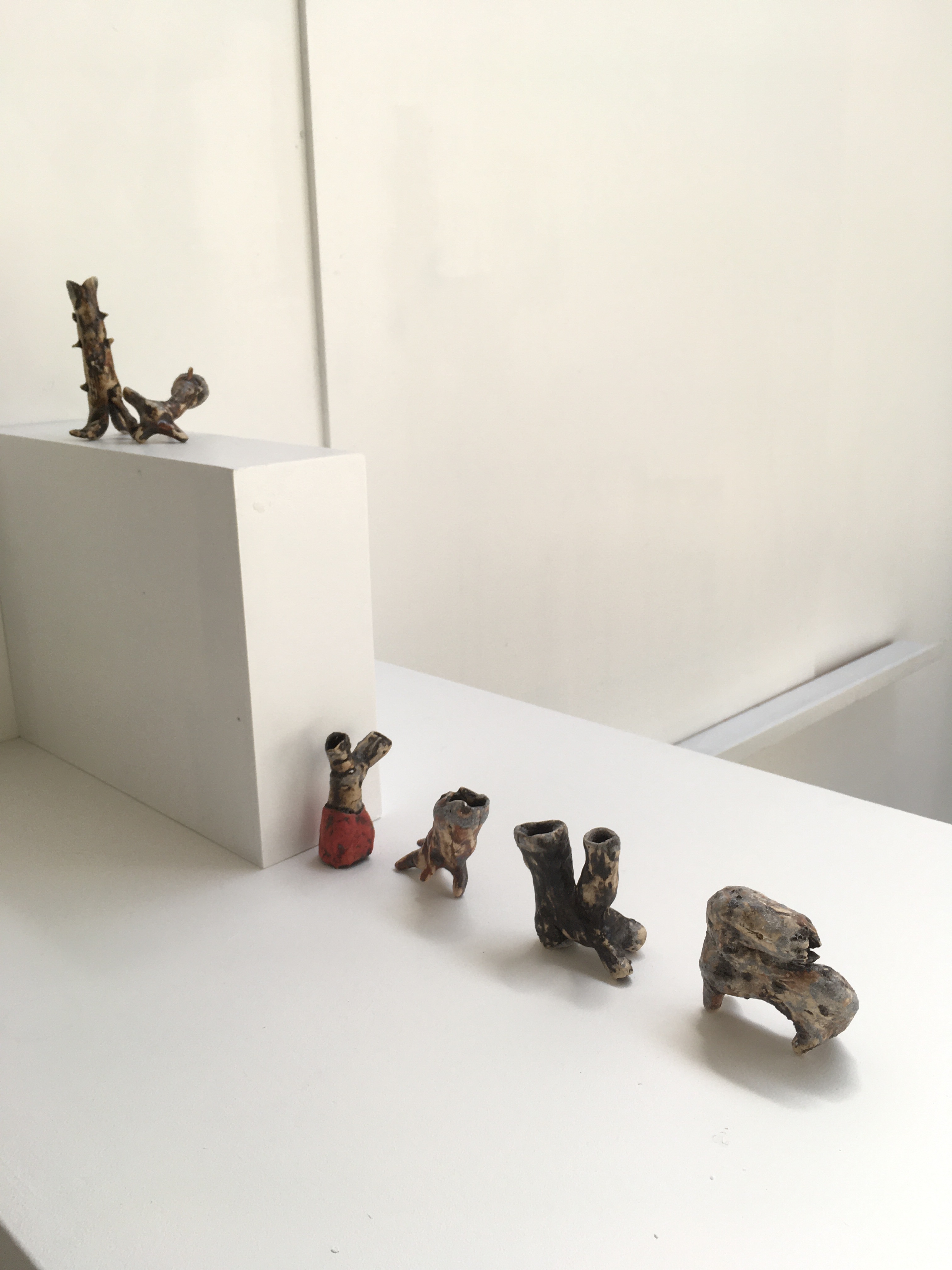
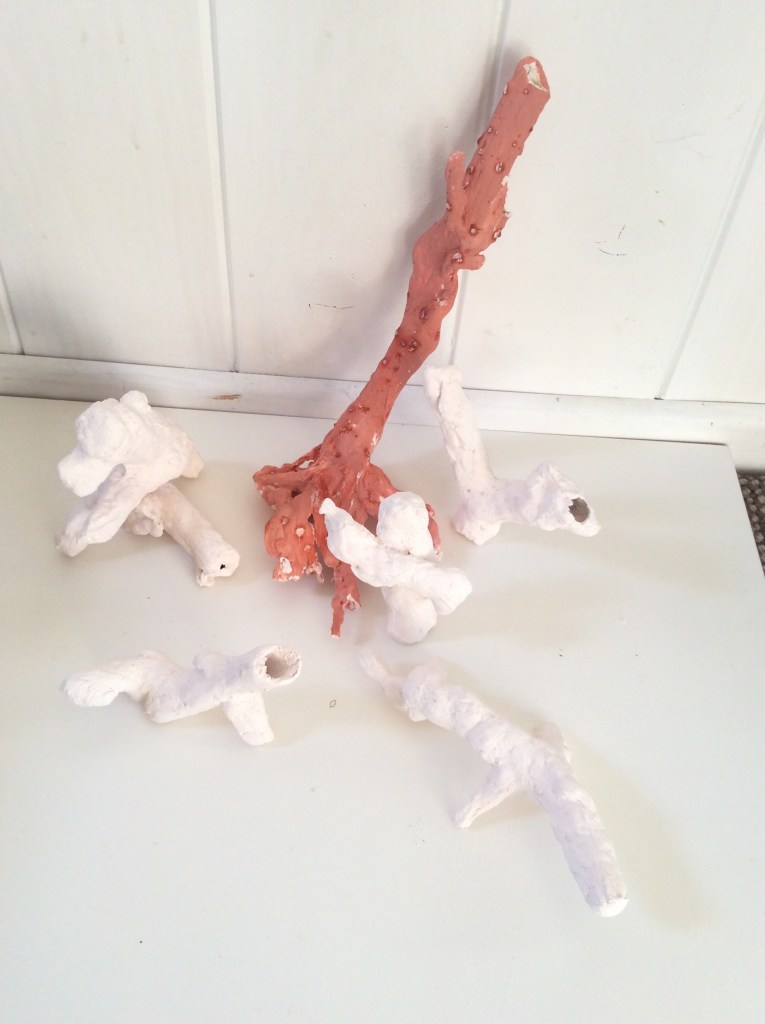
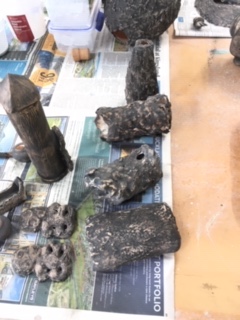
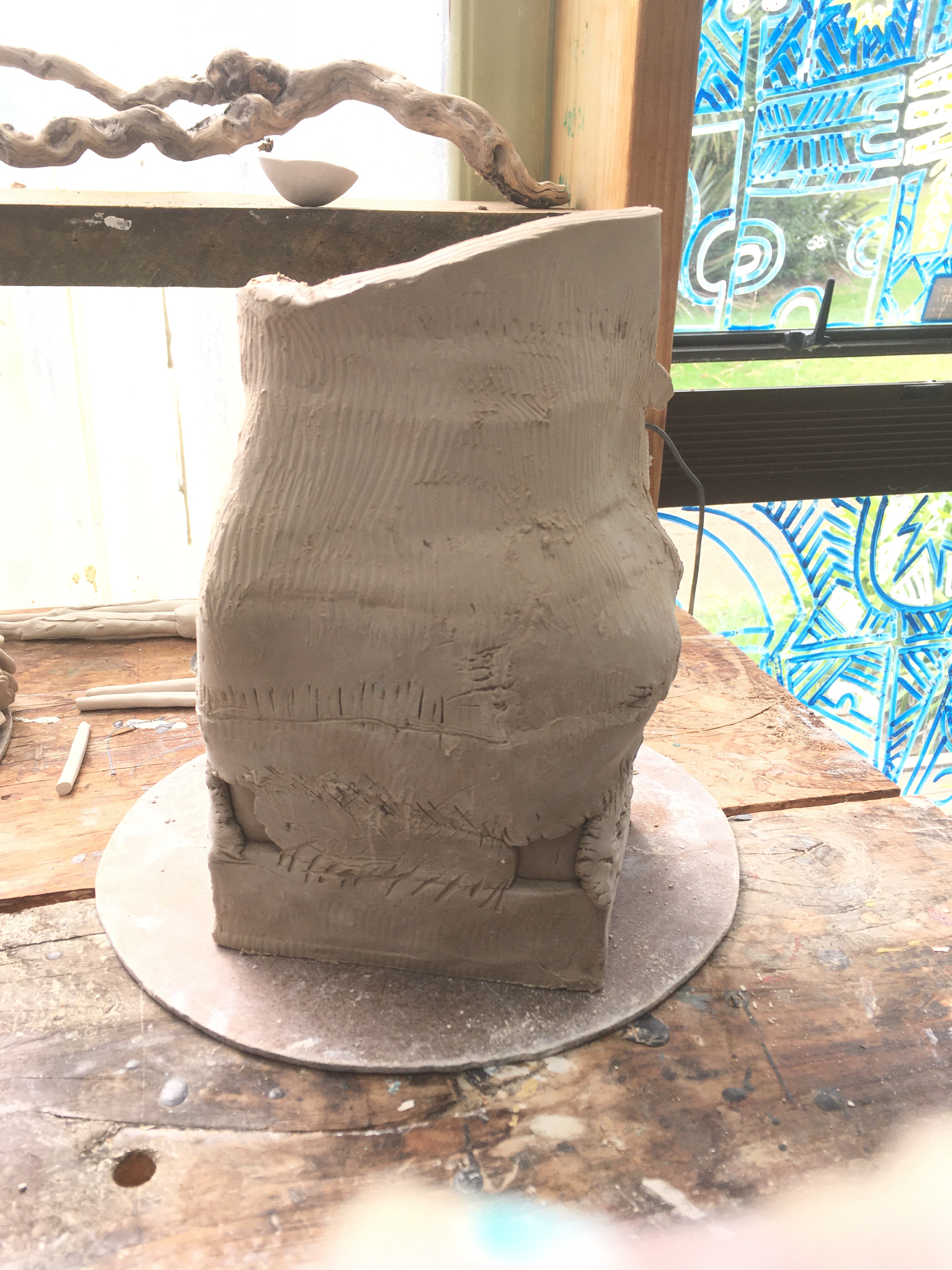
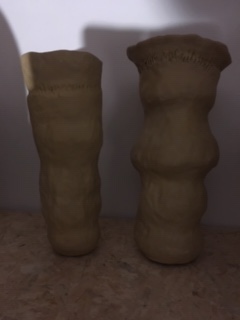
Stacks of organic shaped cylinders to give the impression of a tree trunk pushing up. One stack made at home is made of a mixture of clays and has a paper clay Te Waka o Rangi positioned on top. The next stack of odd shaped cylinders made of buff stoneware has added clay and an iron oxide rock positioned on the top. The idea of this shape is to represent my mark I made at a painting workshop with Richard Adams who paints and plays the violin with Nairobi Trio.My mark
At this time I’m not sure if they’ll hold together or if they’ll survive a bisque firing.
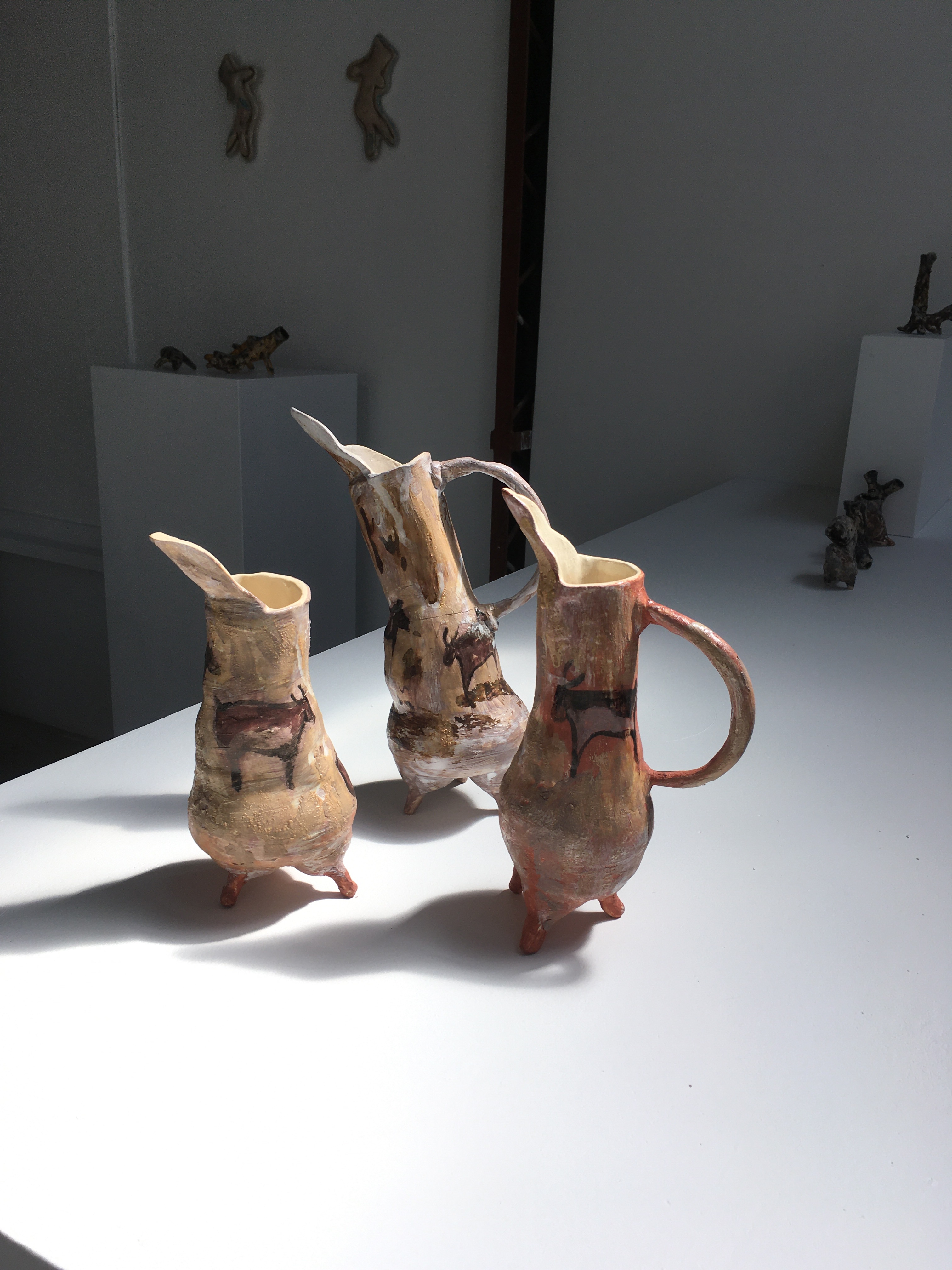
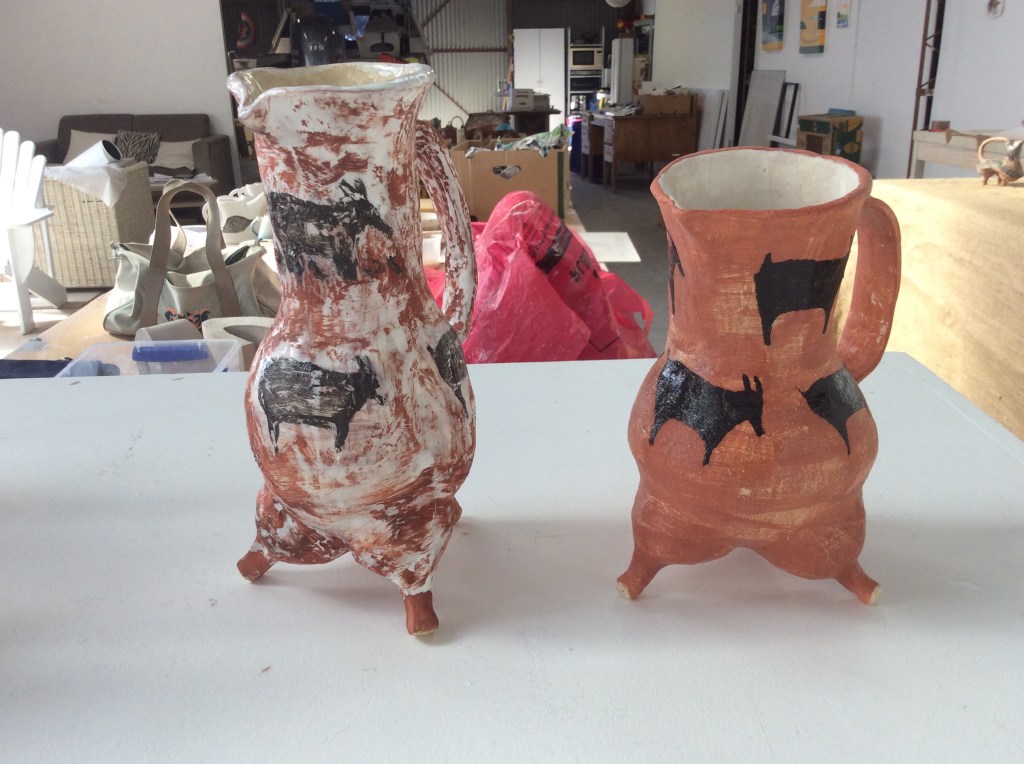
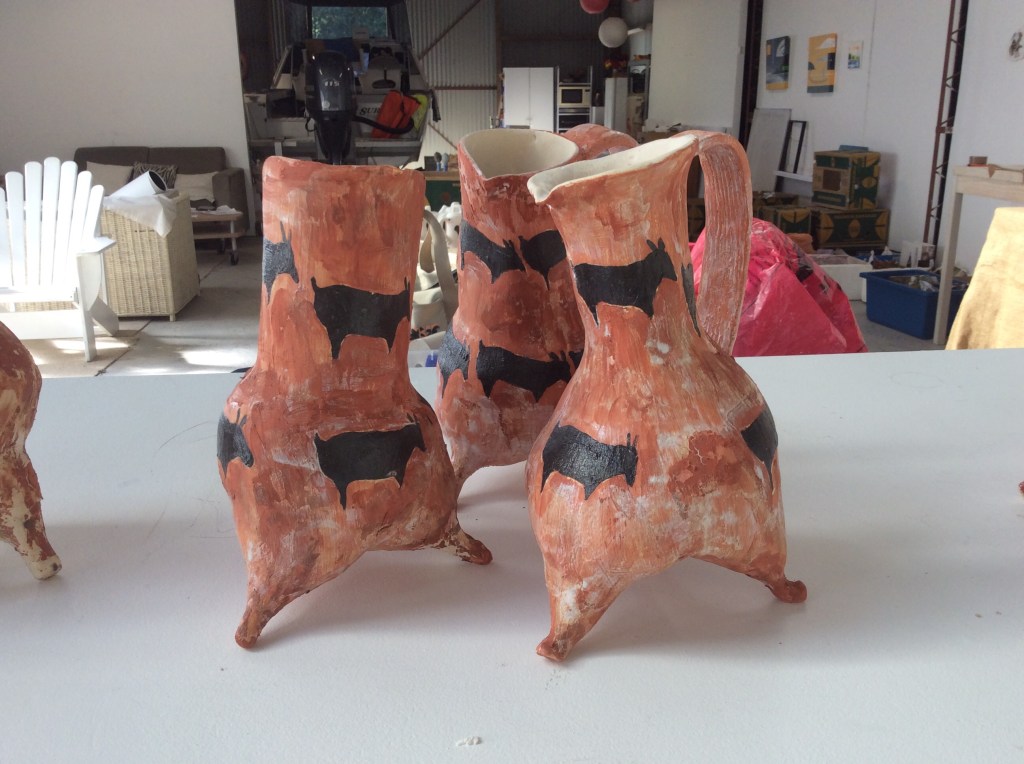
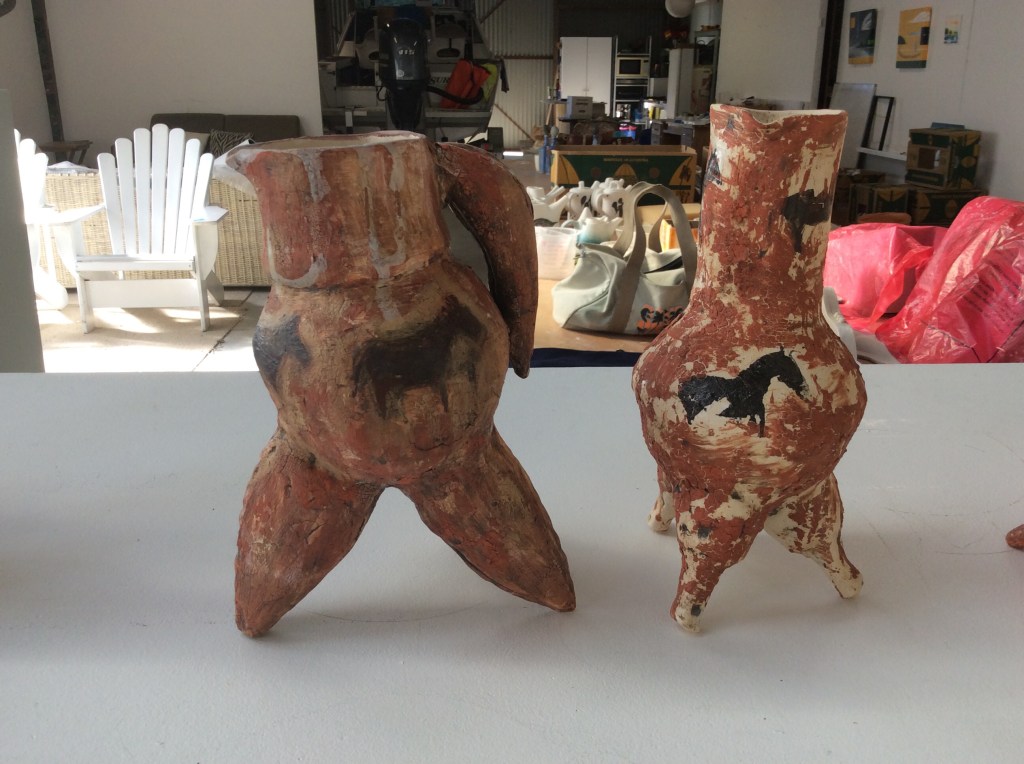
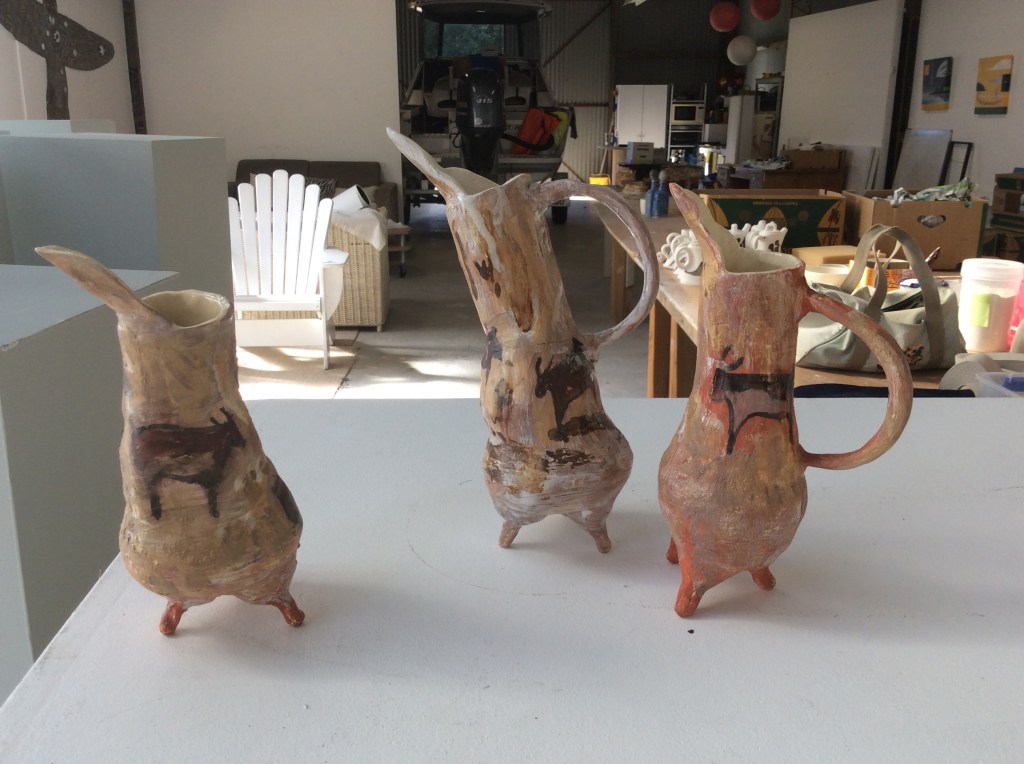
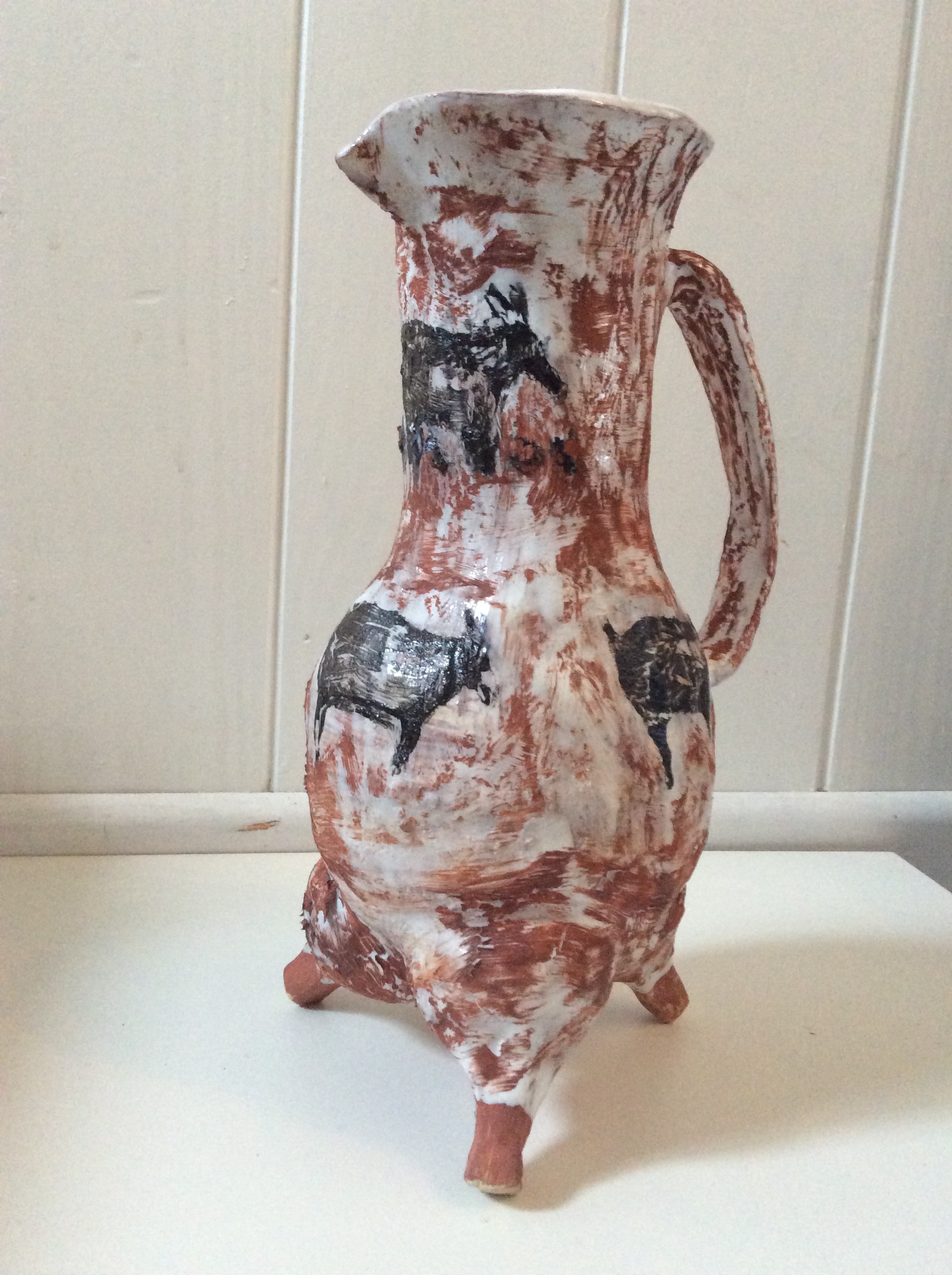
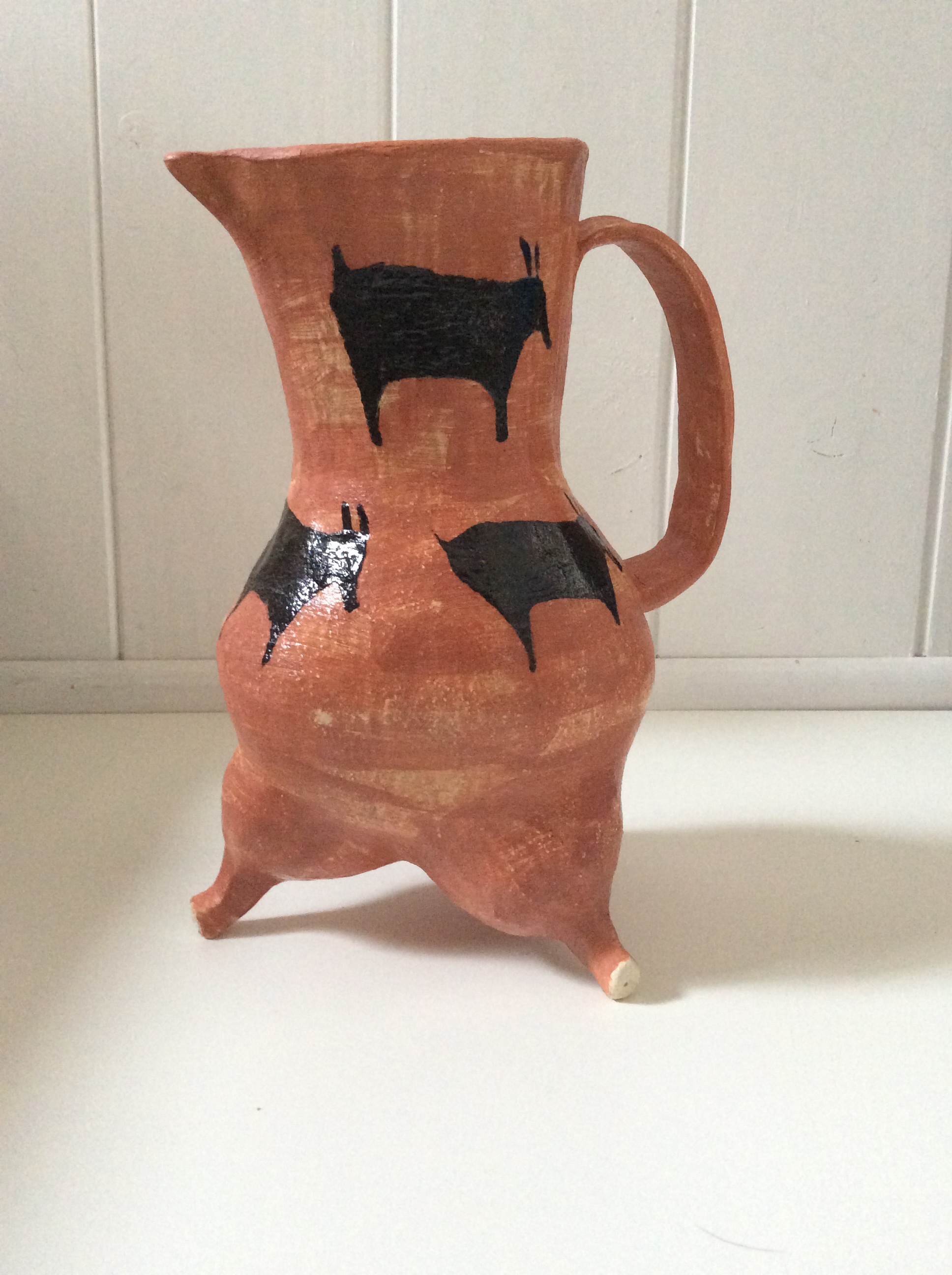
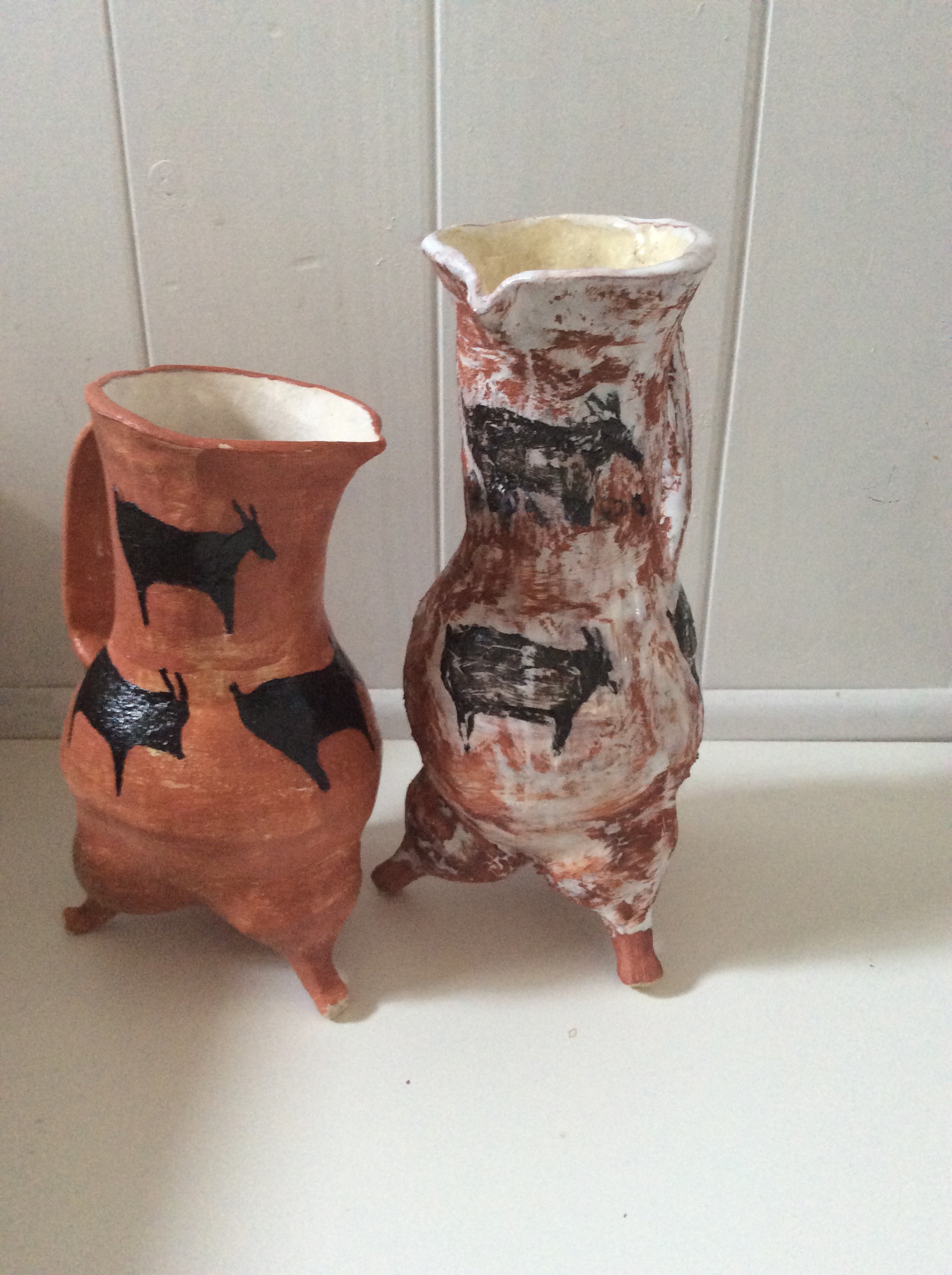
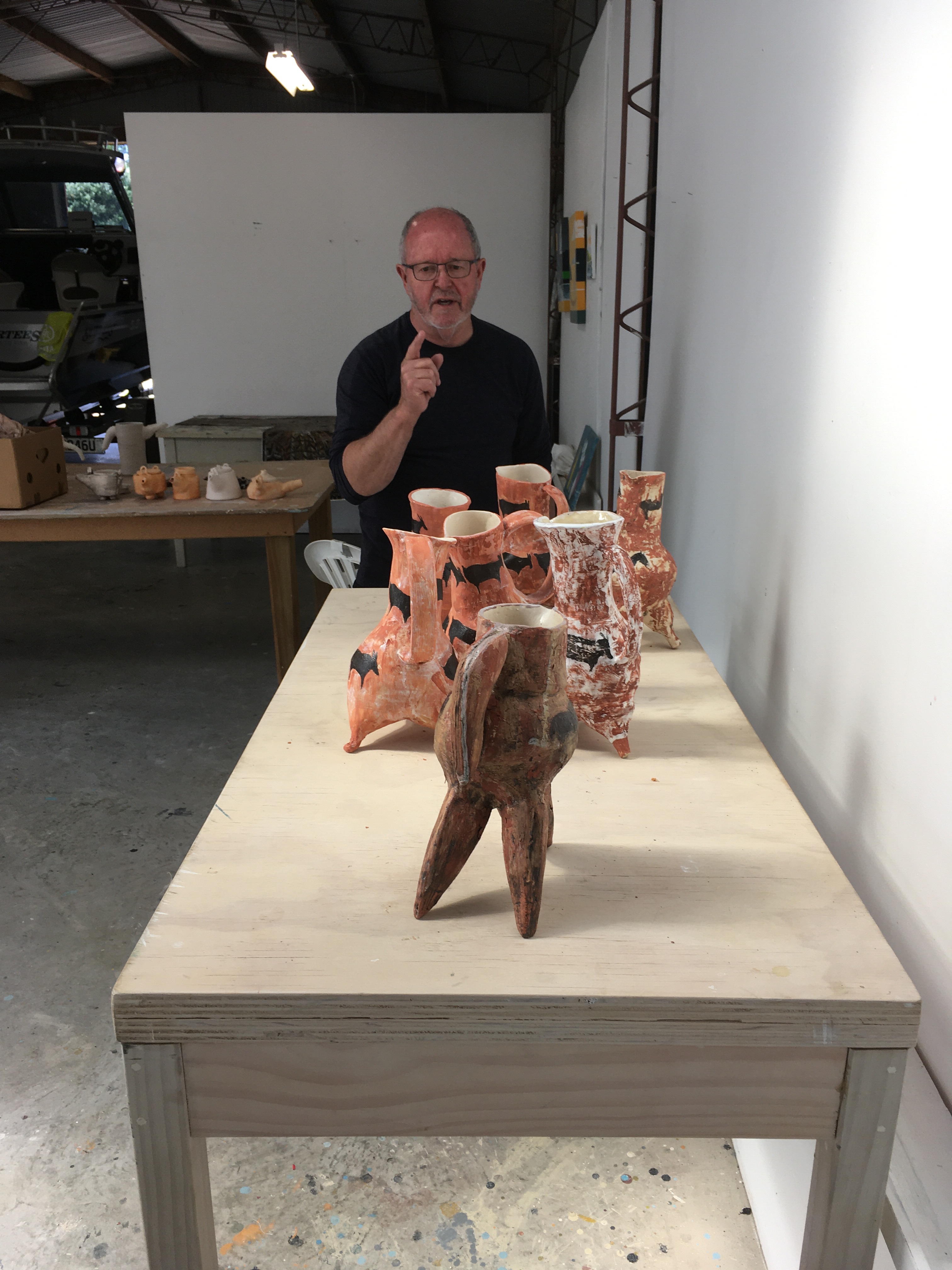
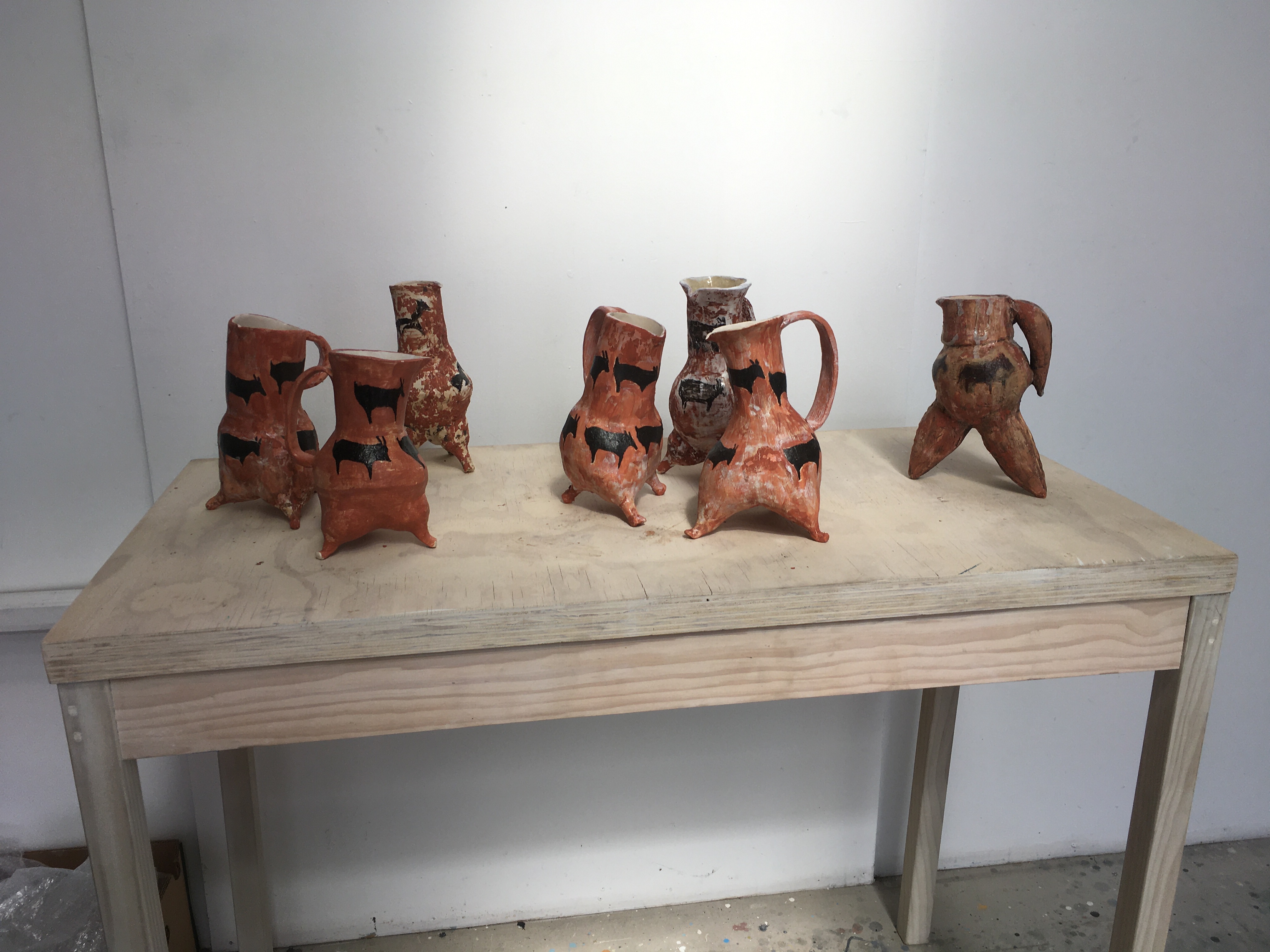
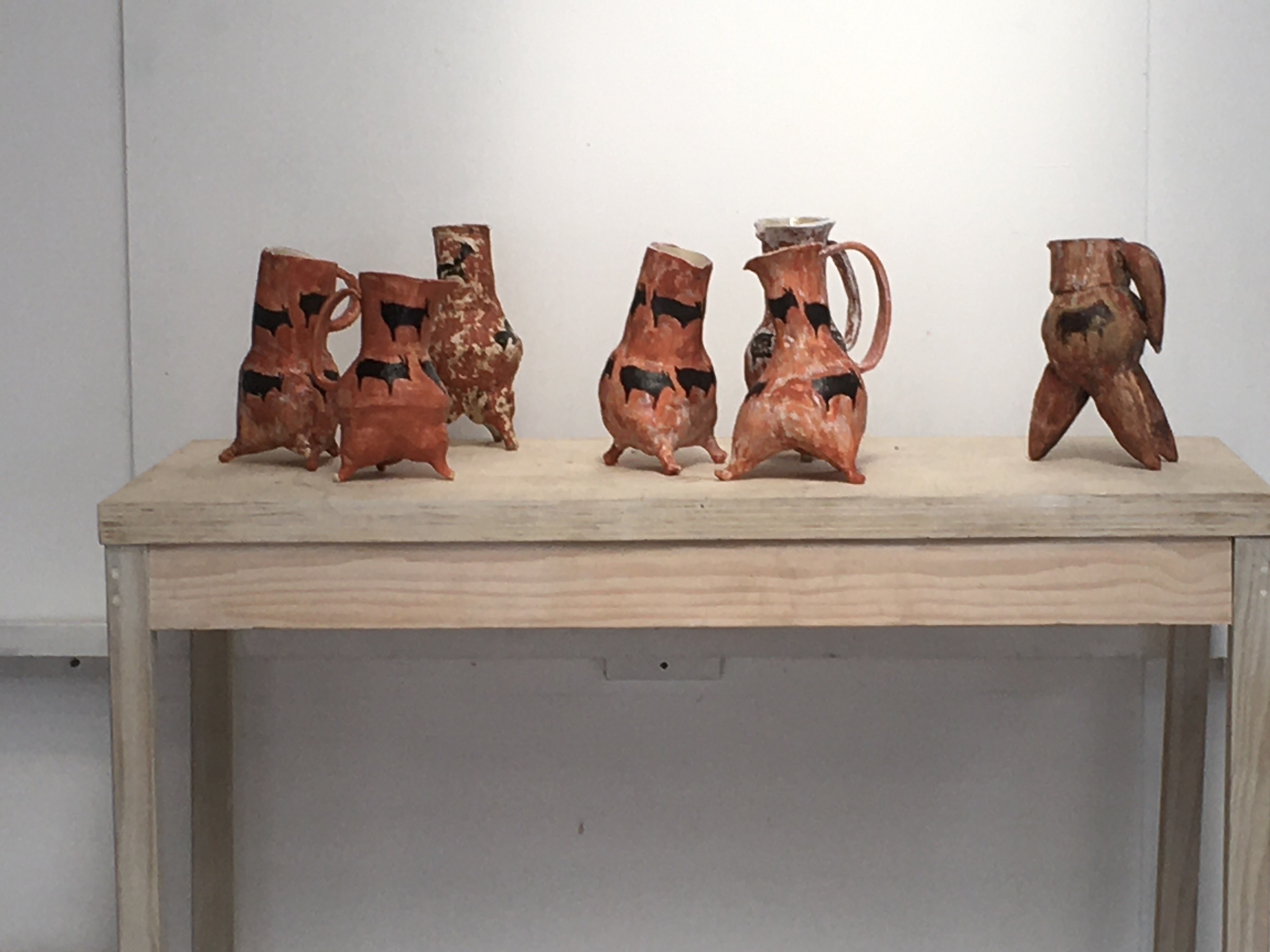
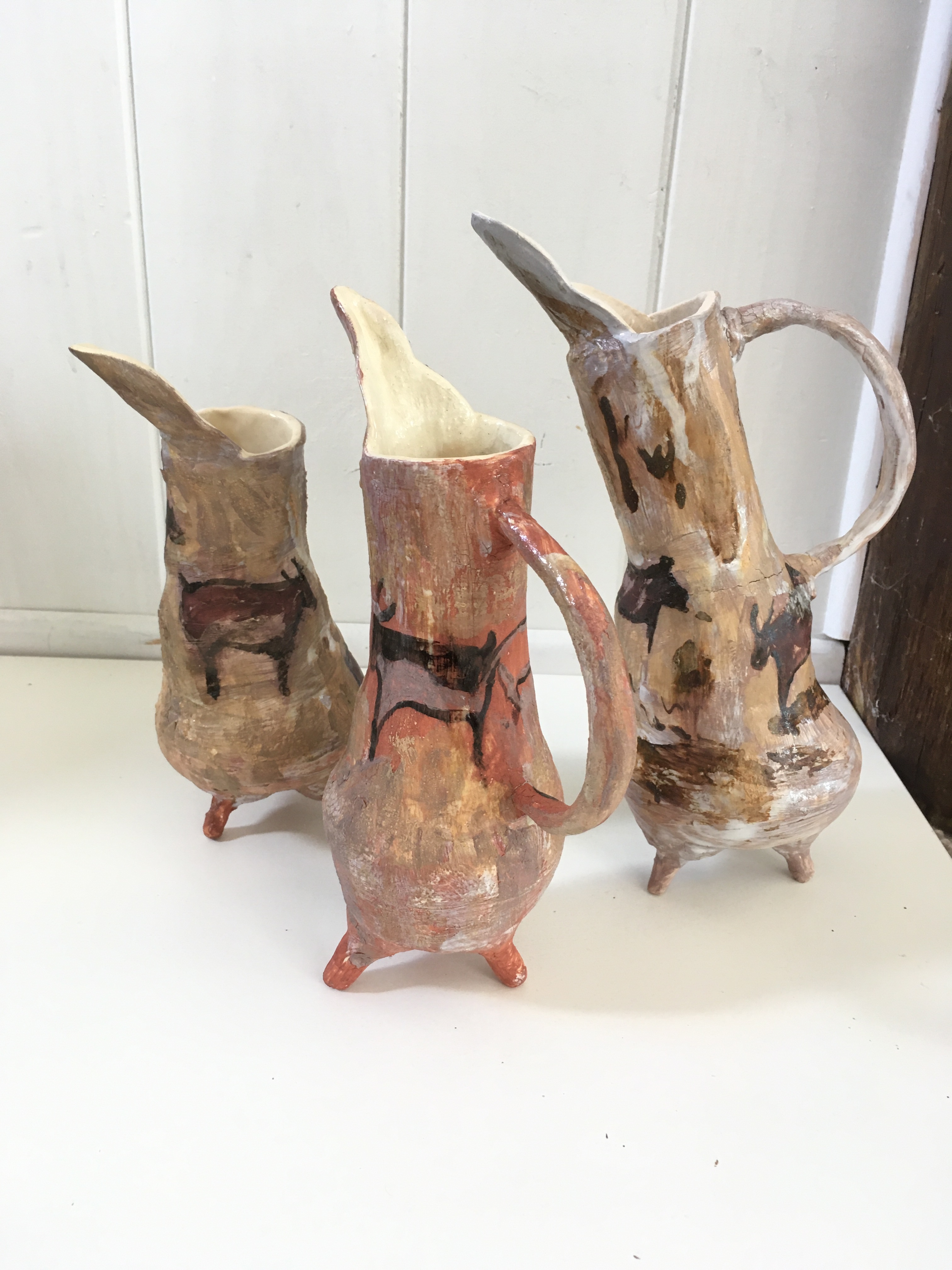
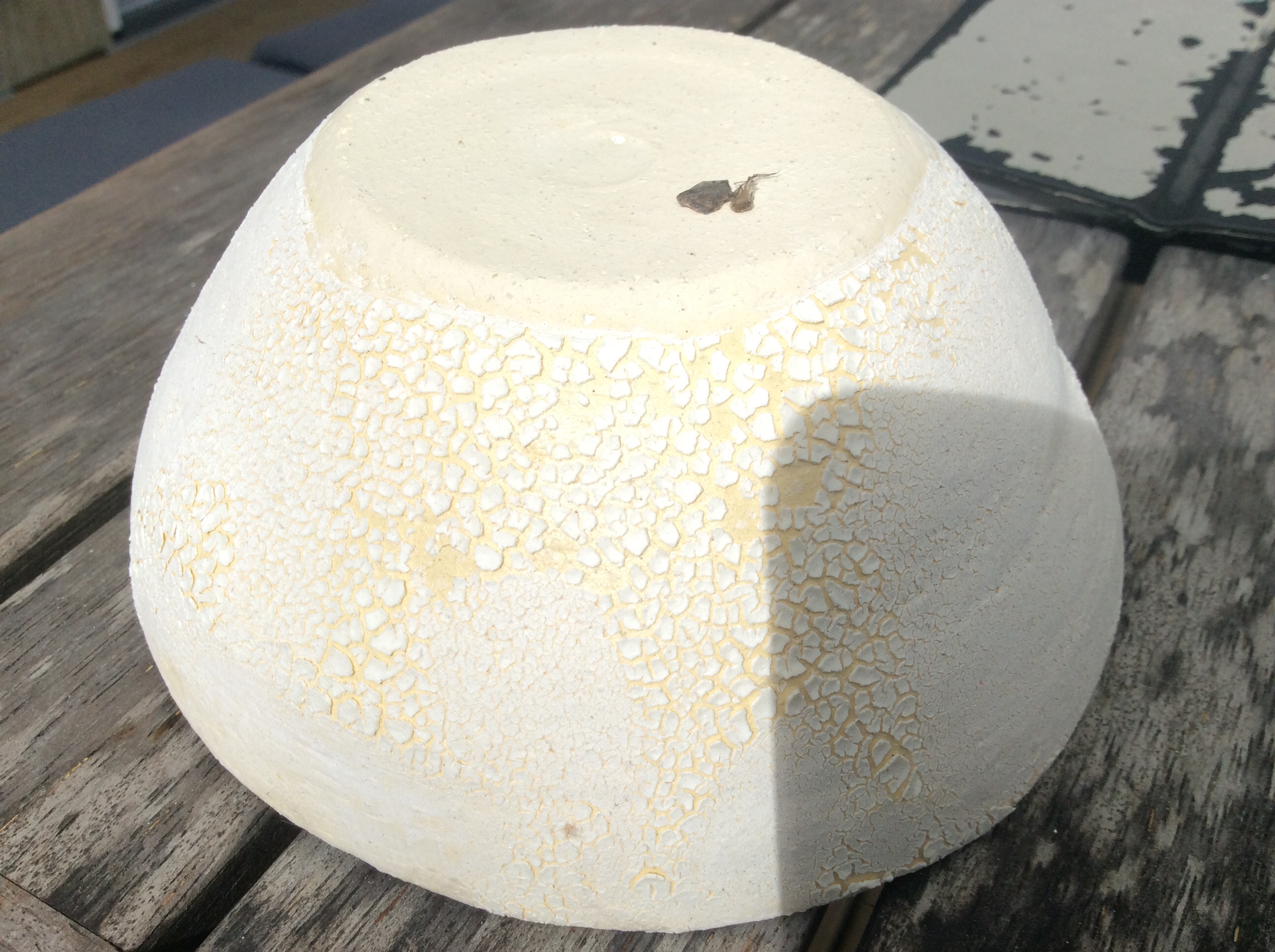
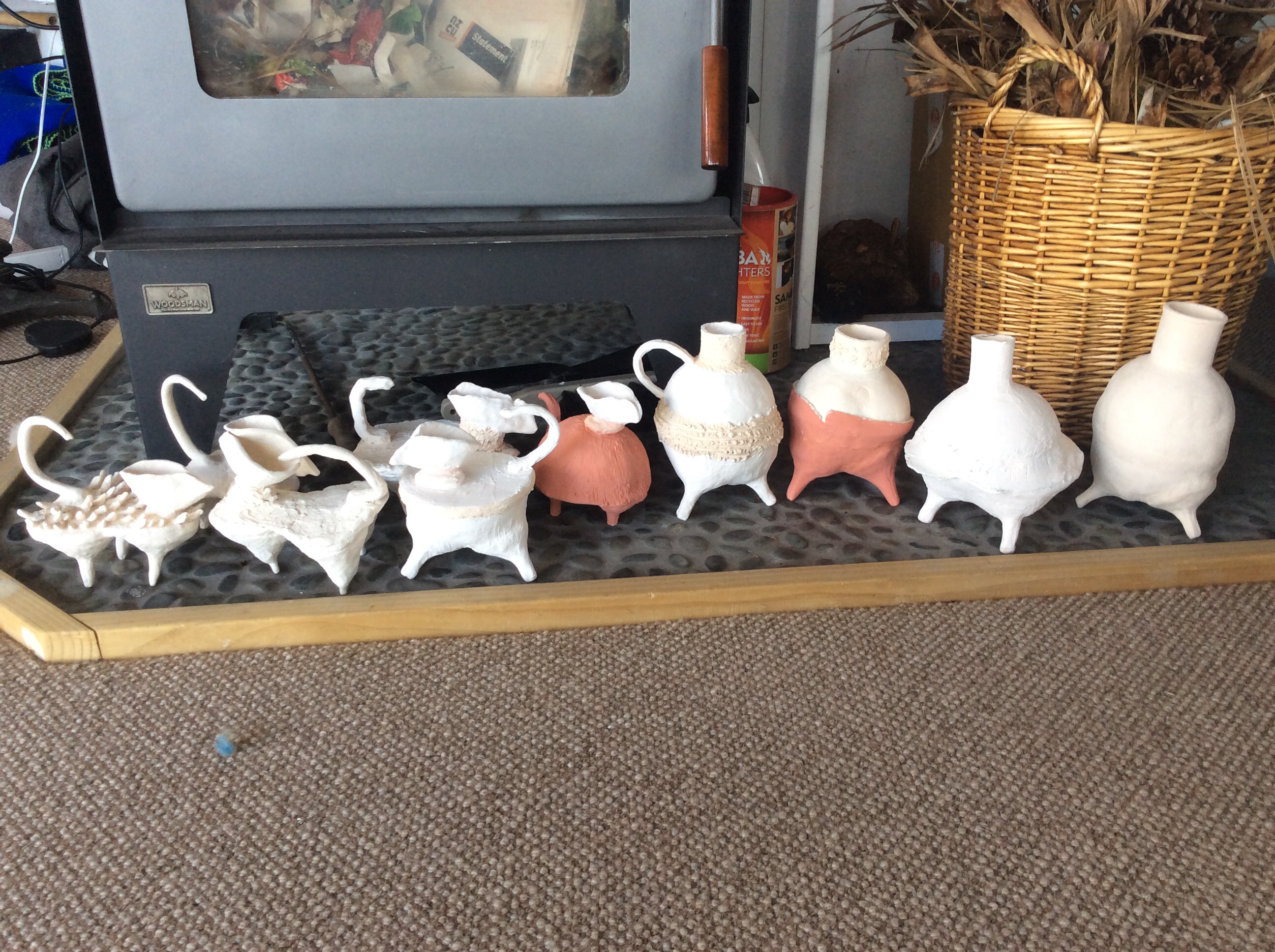
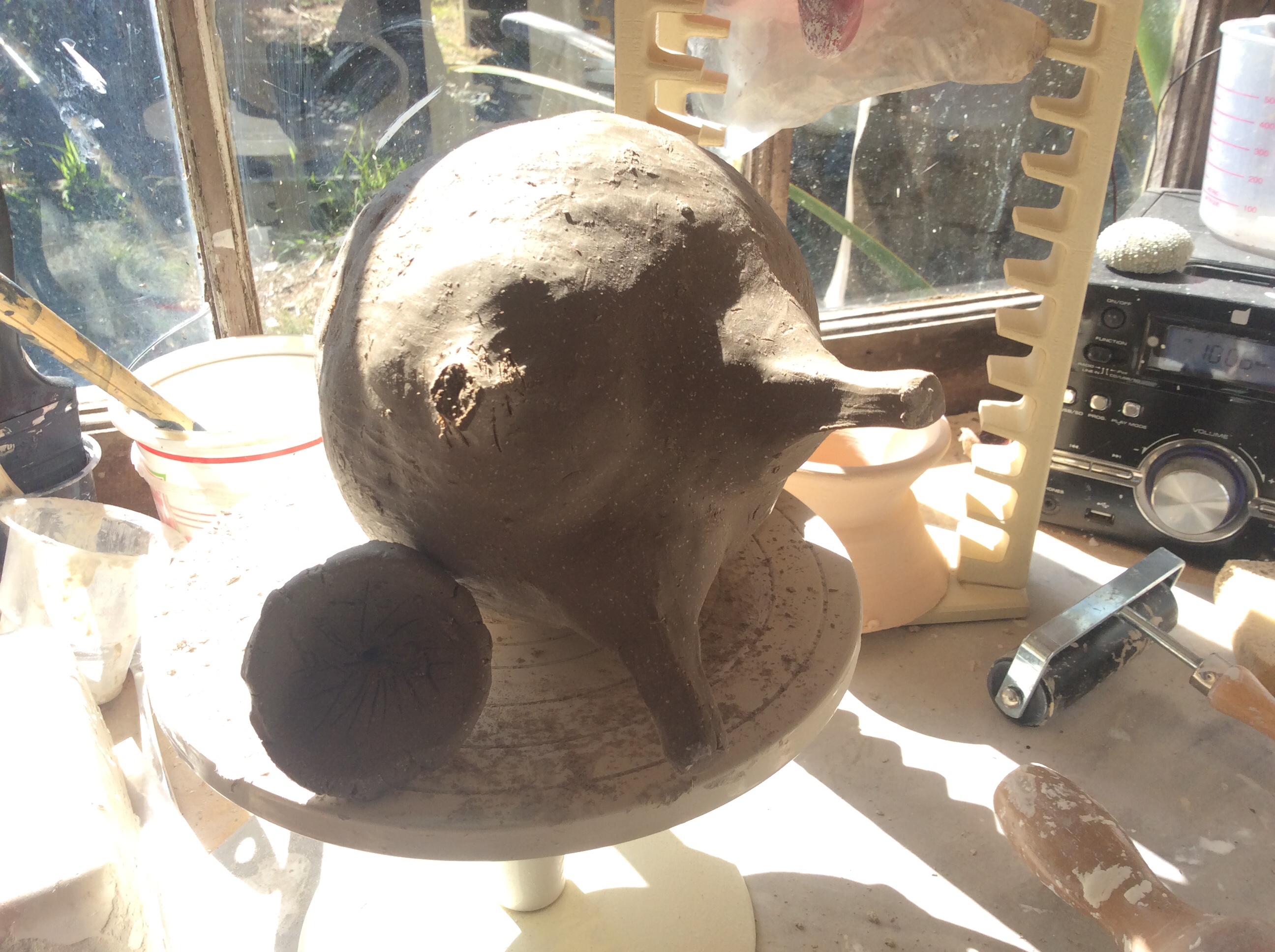
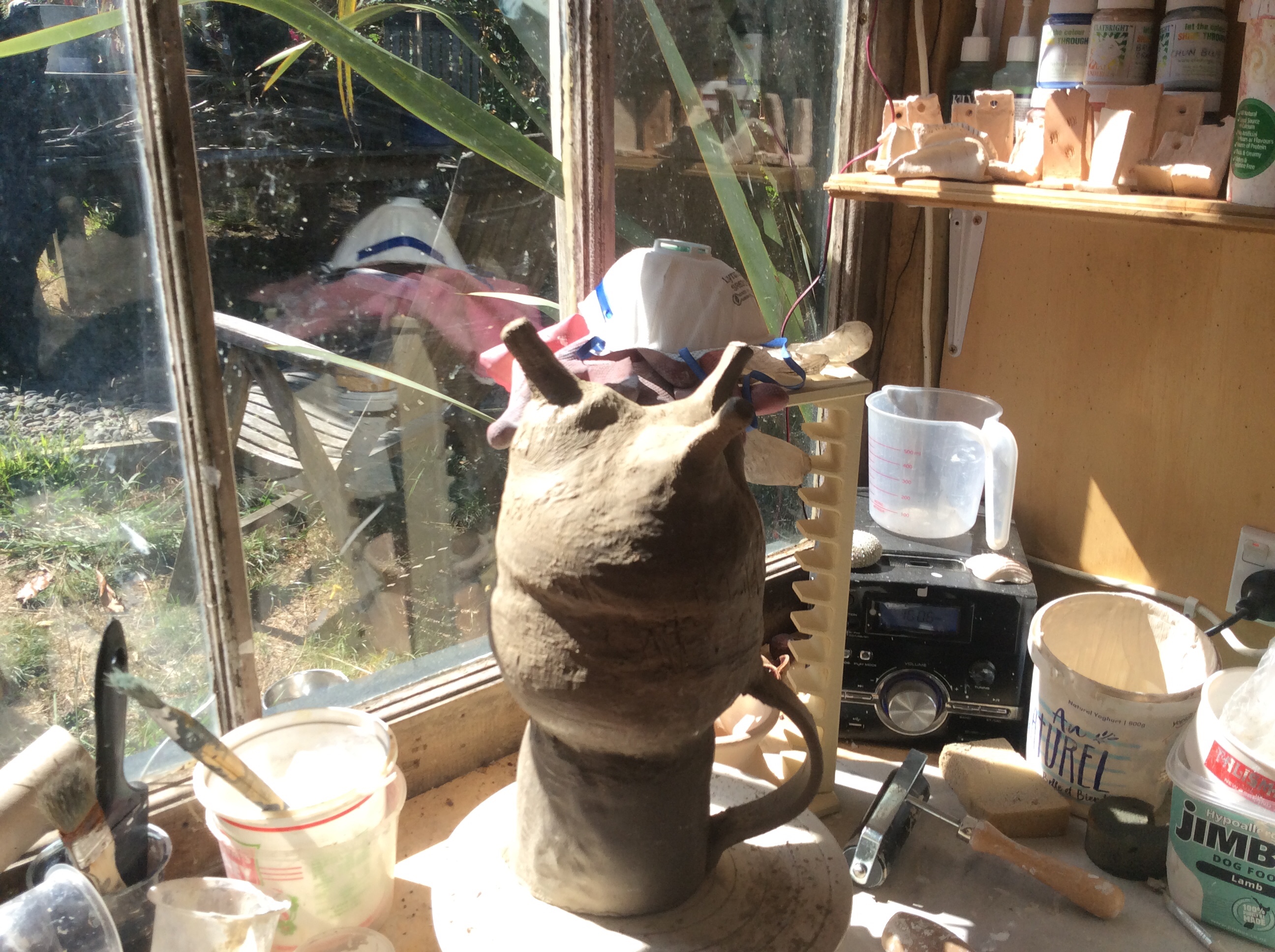
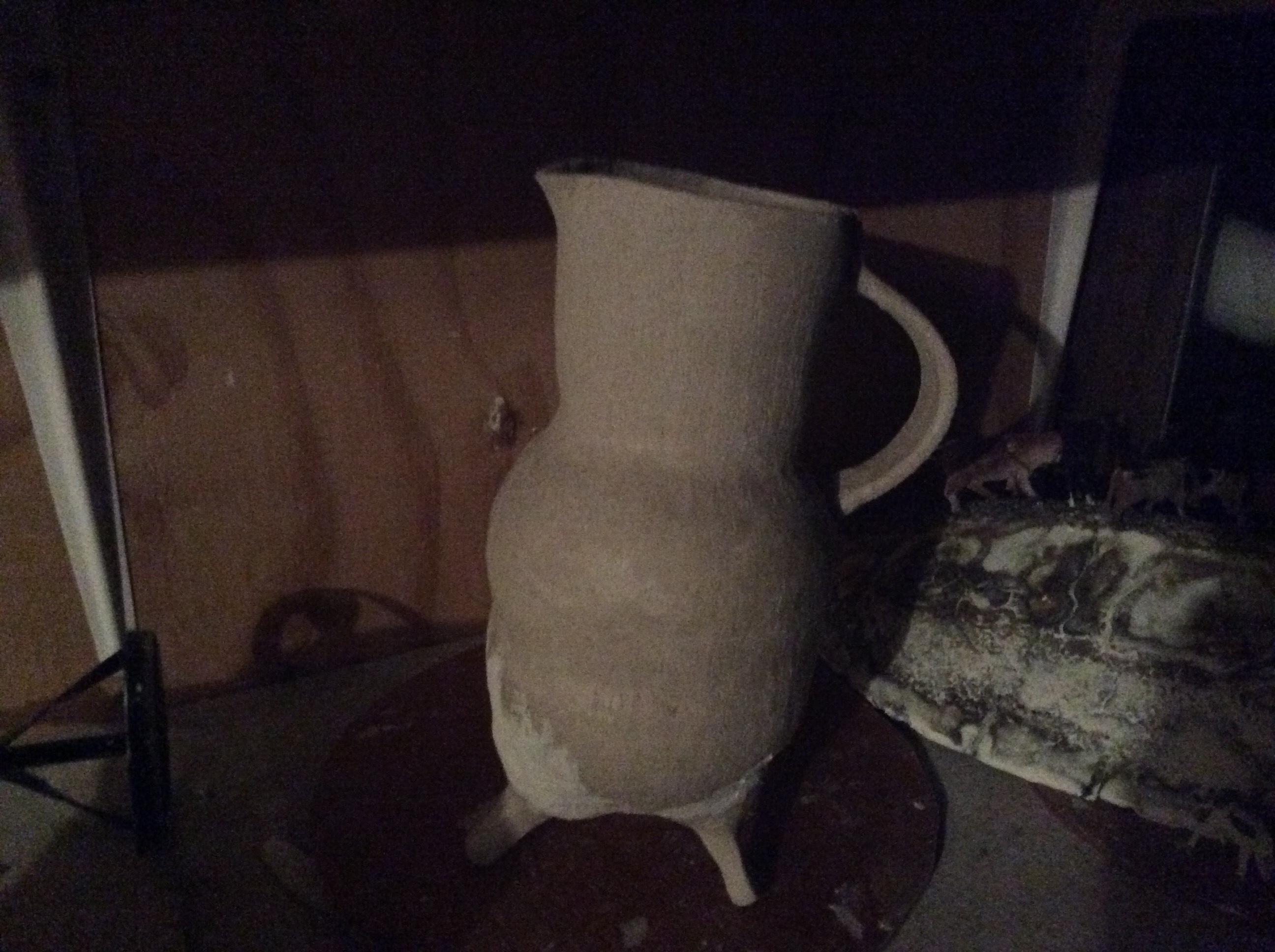
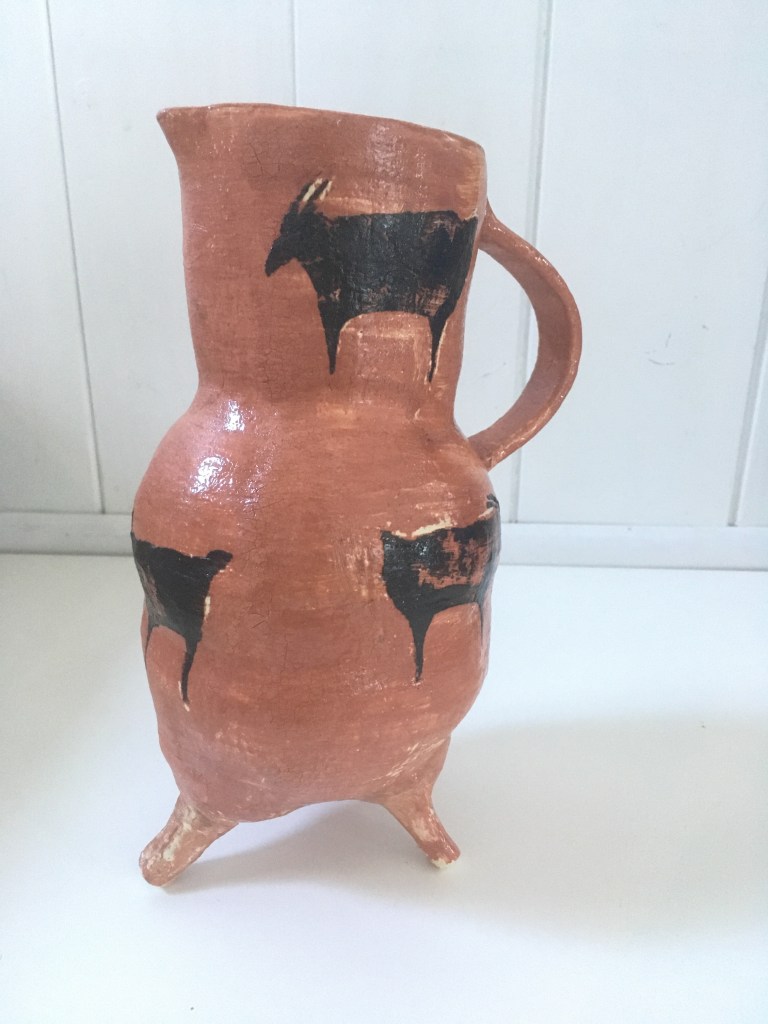
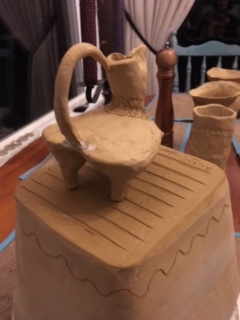
Neolithic revolution.Introduction.Starting point for my ancient vessel using a Neolithic tripod pot I completed at the end of last year. Glaze recipes obtained from Anne Hudson so Marc Bell white lichen glaze used to give an ancient look to the vessels.Working the animal shaped form to a more rotund form. Experimenting with using a green crawl glaze over bisque yellow iron oxide.Form changing to a pot belly vase. Experimenting using Anne Hudson’s alkaline Matt white glaze over copper to achieve a blue and reusing the green crawl glaze over bisque yellow iron oxide.Jug form arrived at with stencilling to continue the path of The Neolithic Age. Yellow iron oxide and Toms black to be used to pull jugs together and also colours used in the Neolithic caves near the entrance.Jug becoming more anthropomorphic . Using zircon white with yellow iron oxide and Toms black slip to give some dept.Zircon white with yellow iron oxide and Toms black slip.Focus on glaze looking more ancient and drawings sitting in the pot wall. Drop mould legs used to give the idea of movementThe jugs inspired by Walter Keeler shapes are better proportioned and have Neolithic animal cave drawings. Now a resolved piece. An Ancient vessel has been realised.
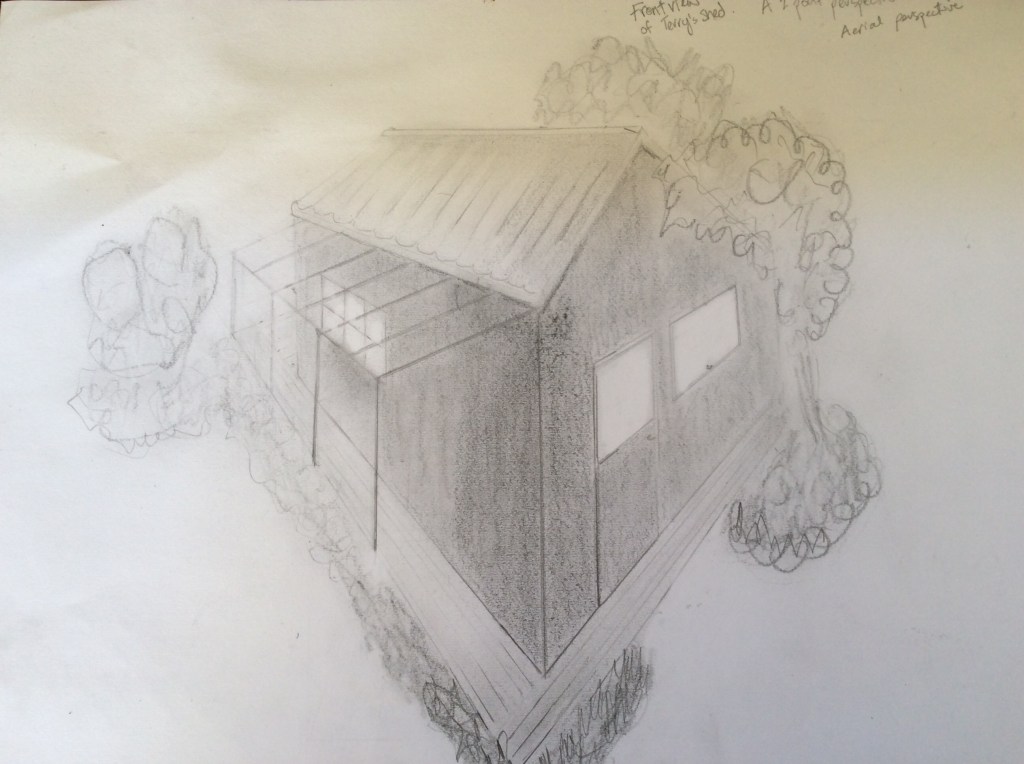
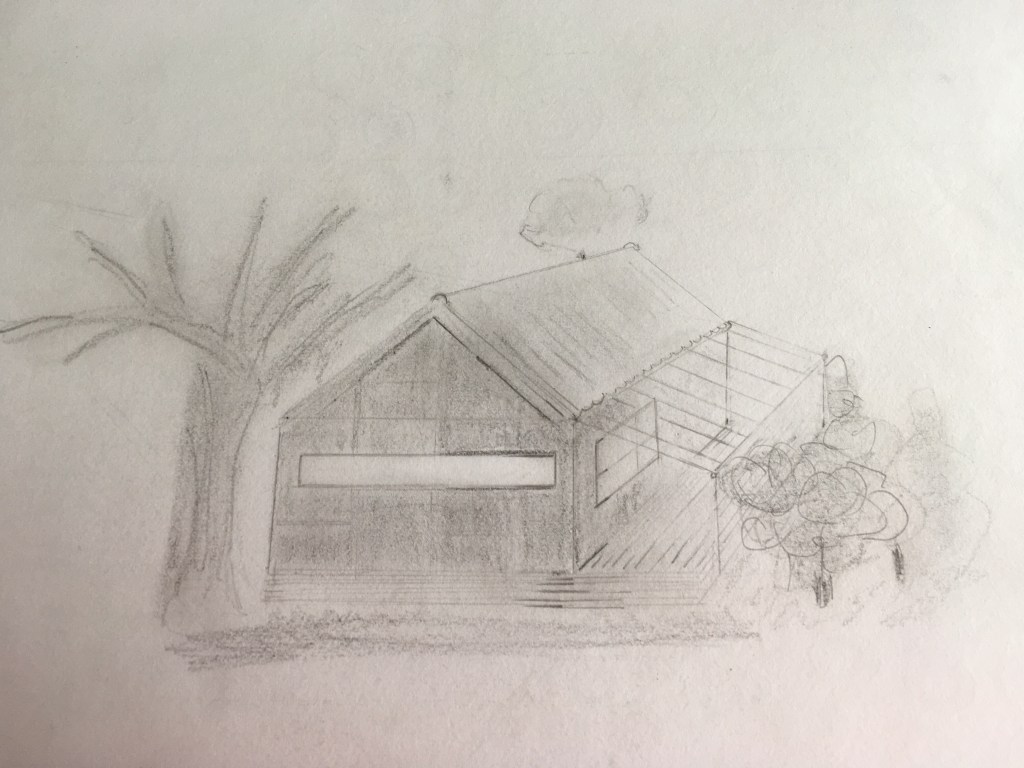
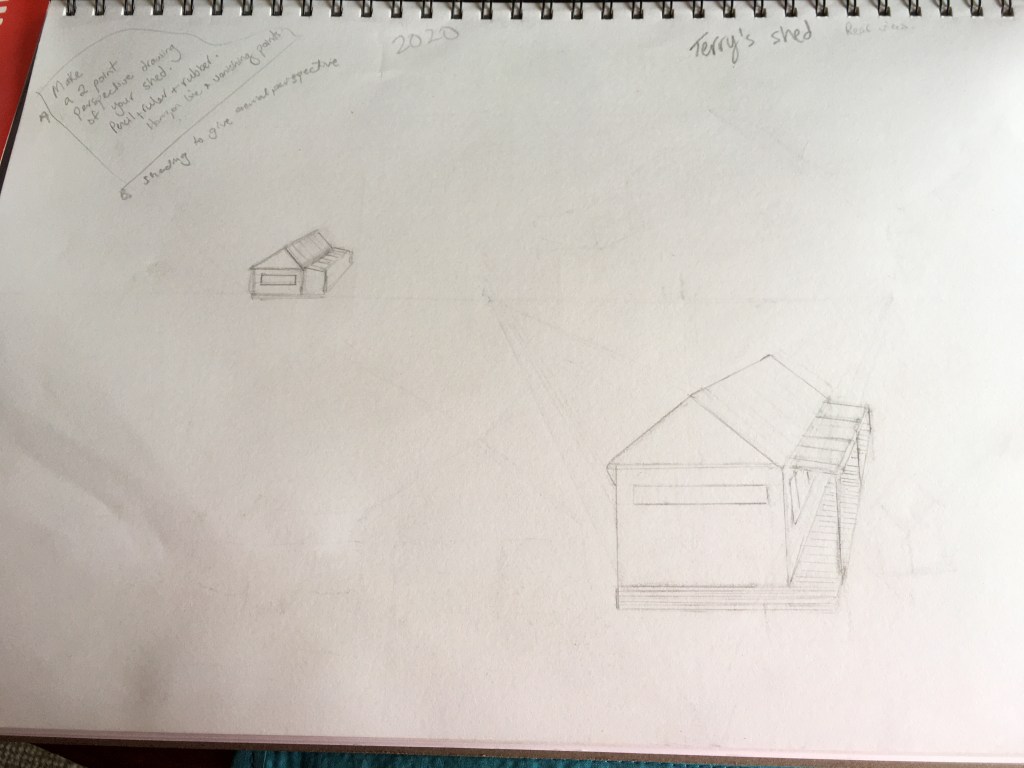
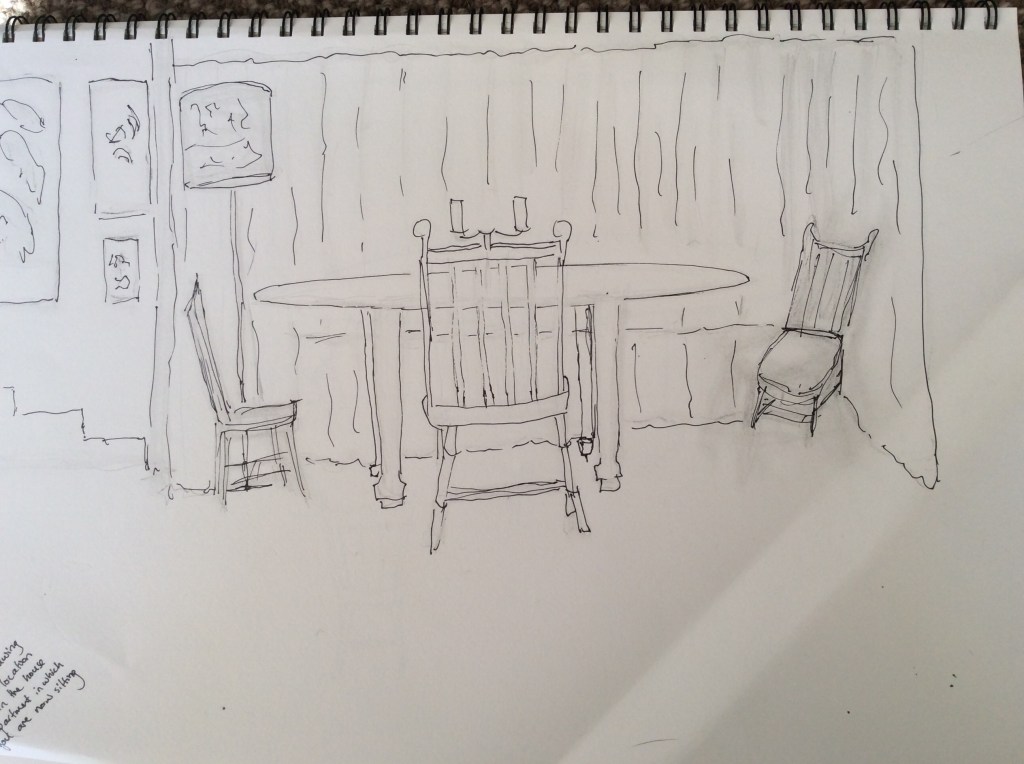
Course work Exercises. 2 point and aerial Perspective.
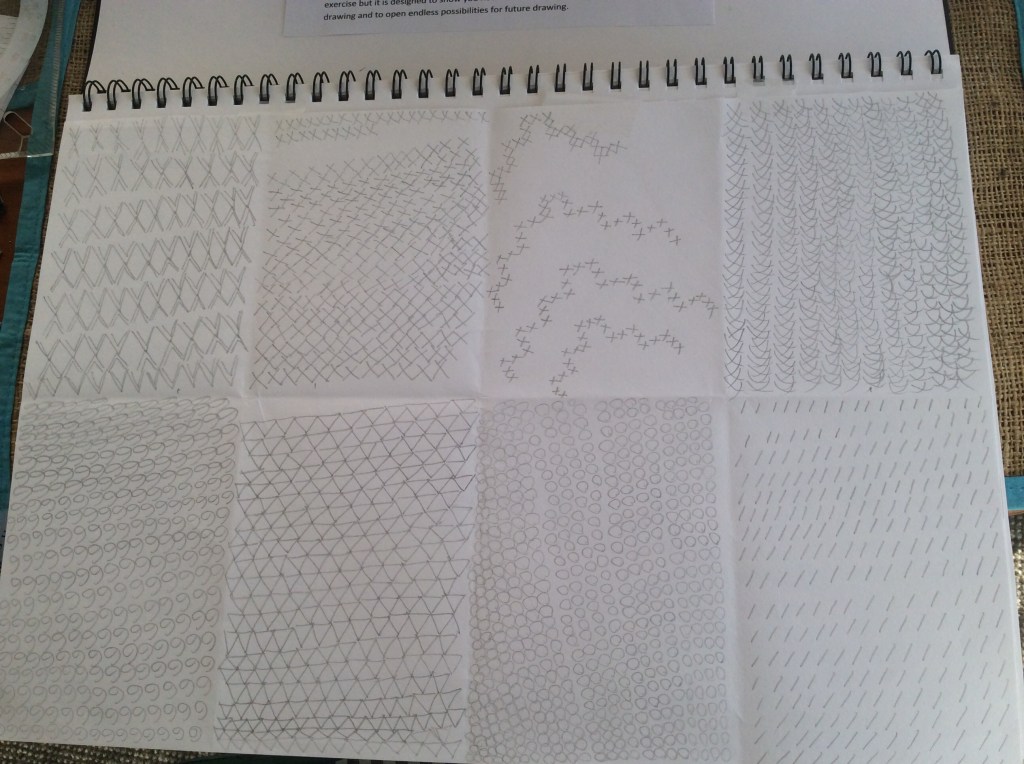
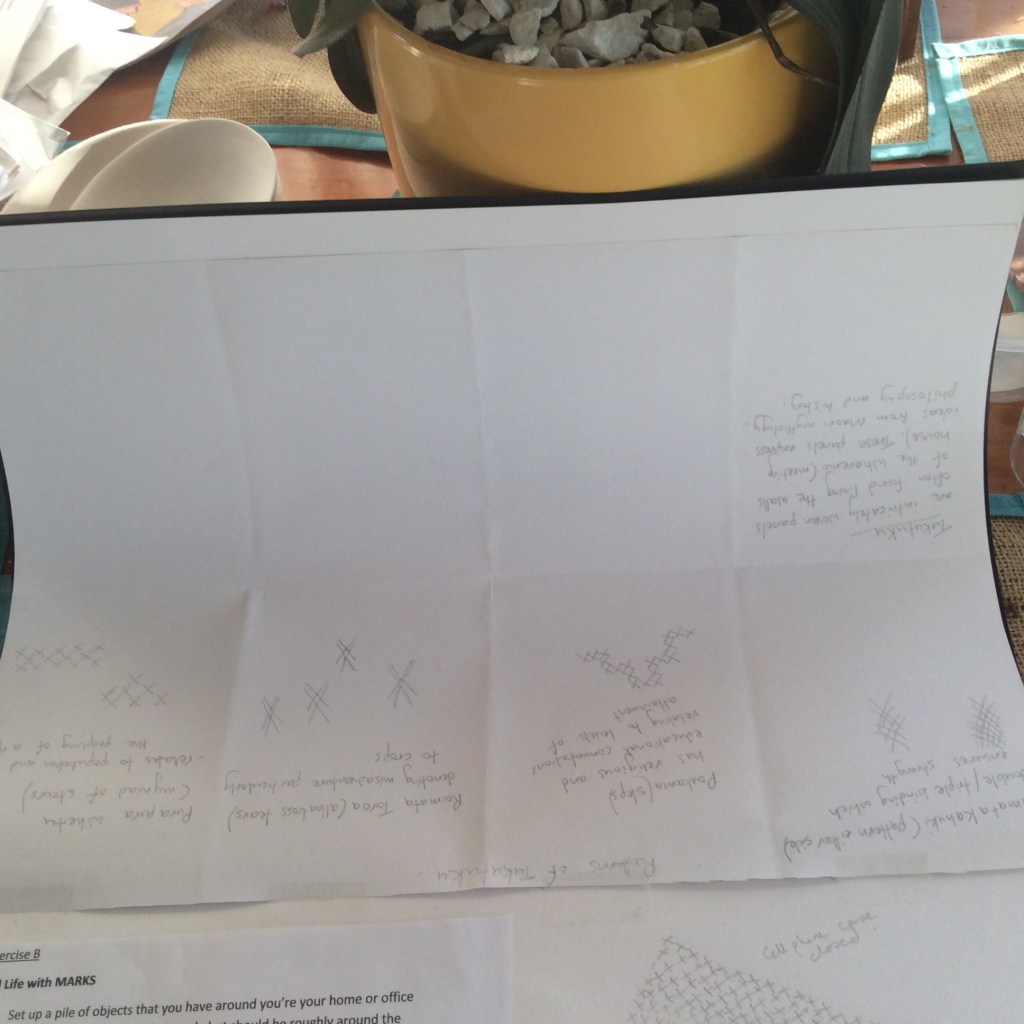
My shed Ellipses Mark exercise.
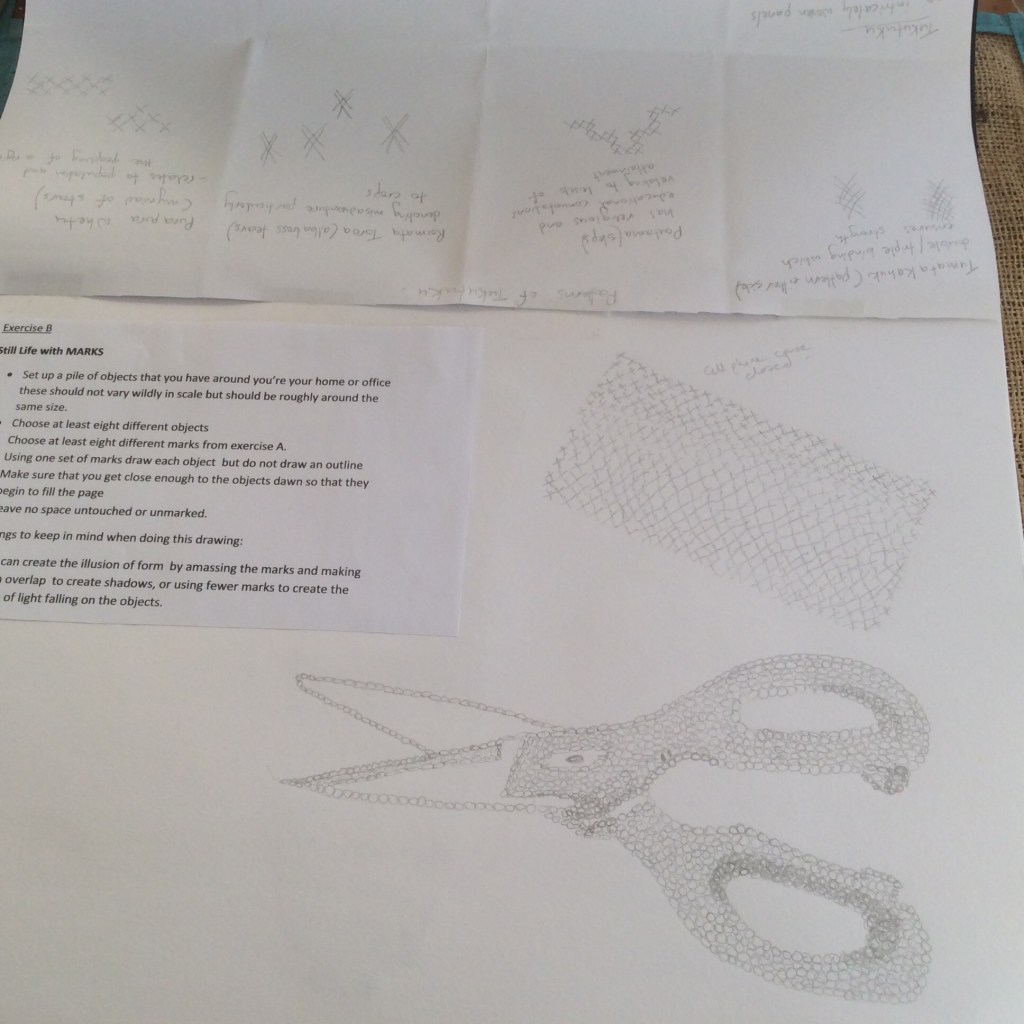
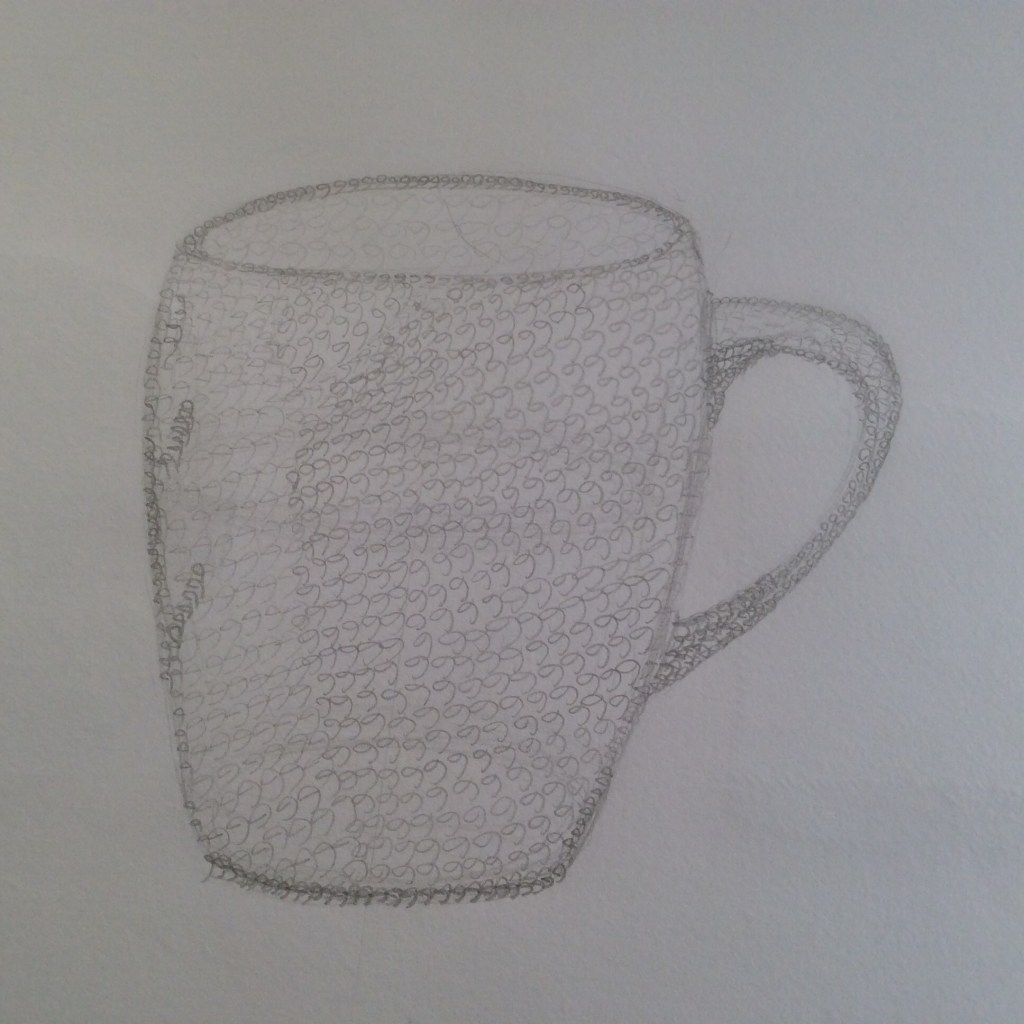
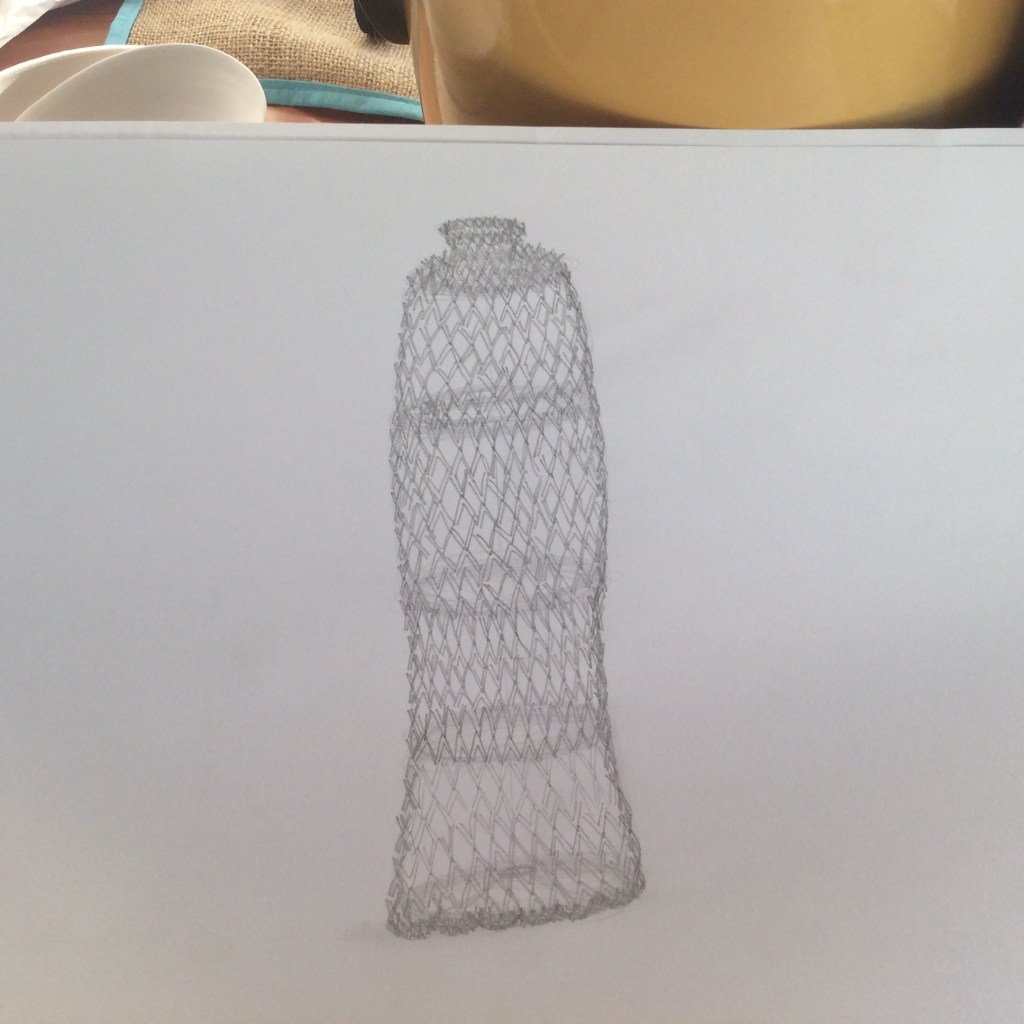
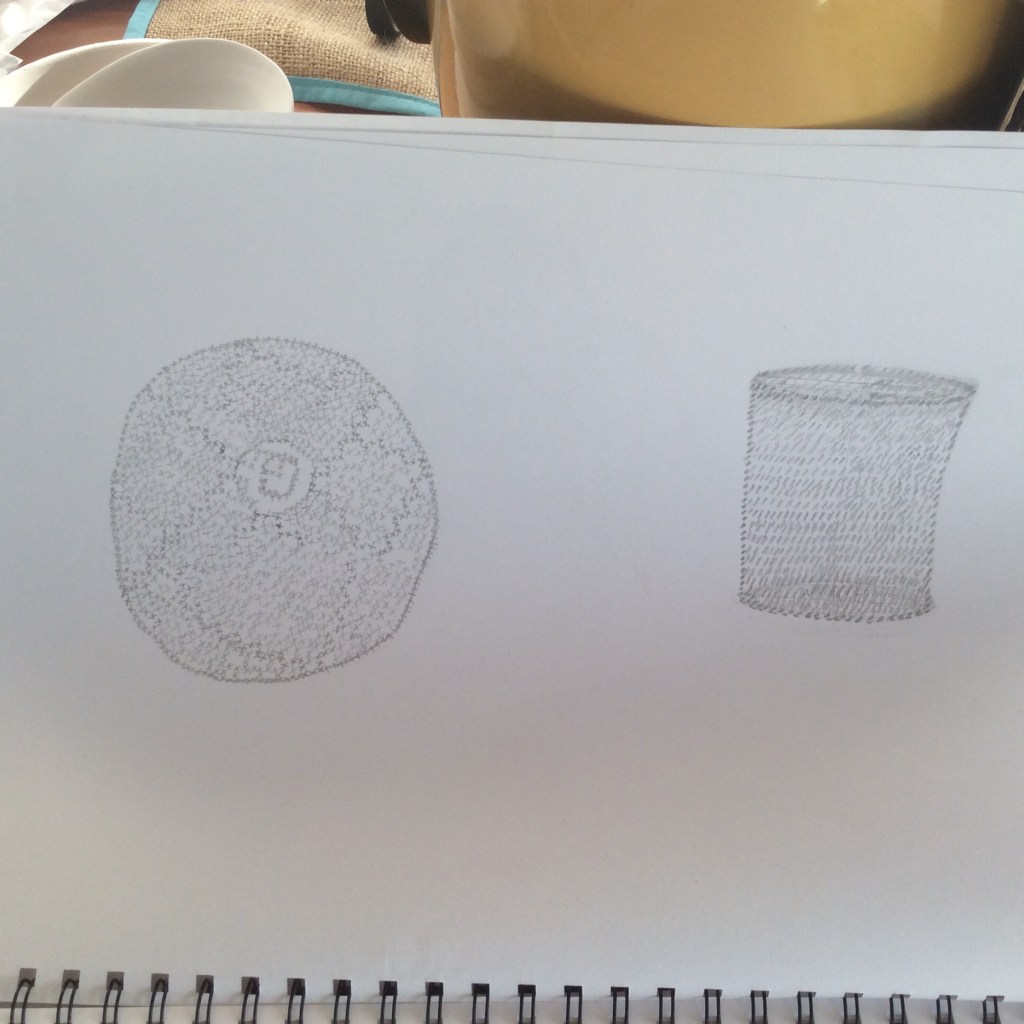
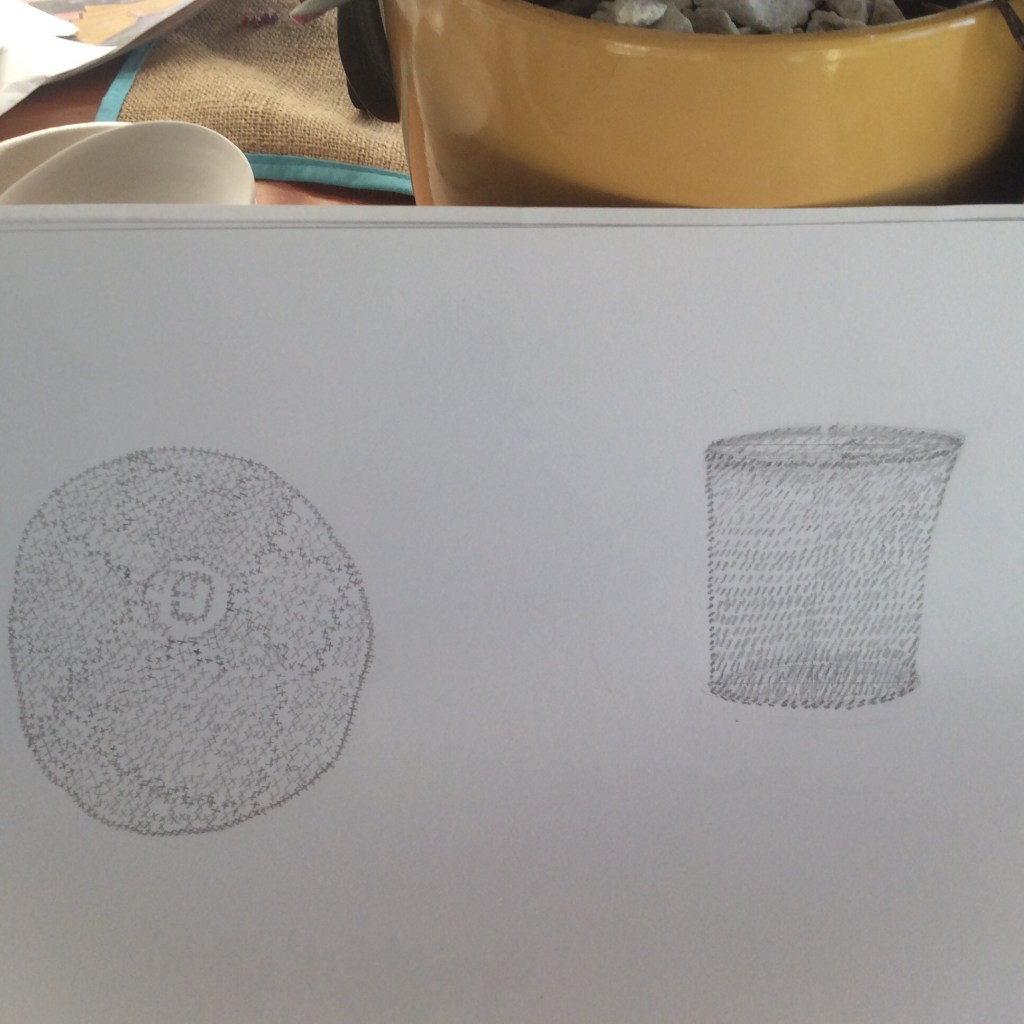
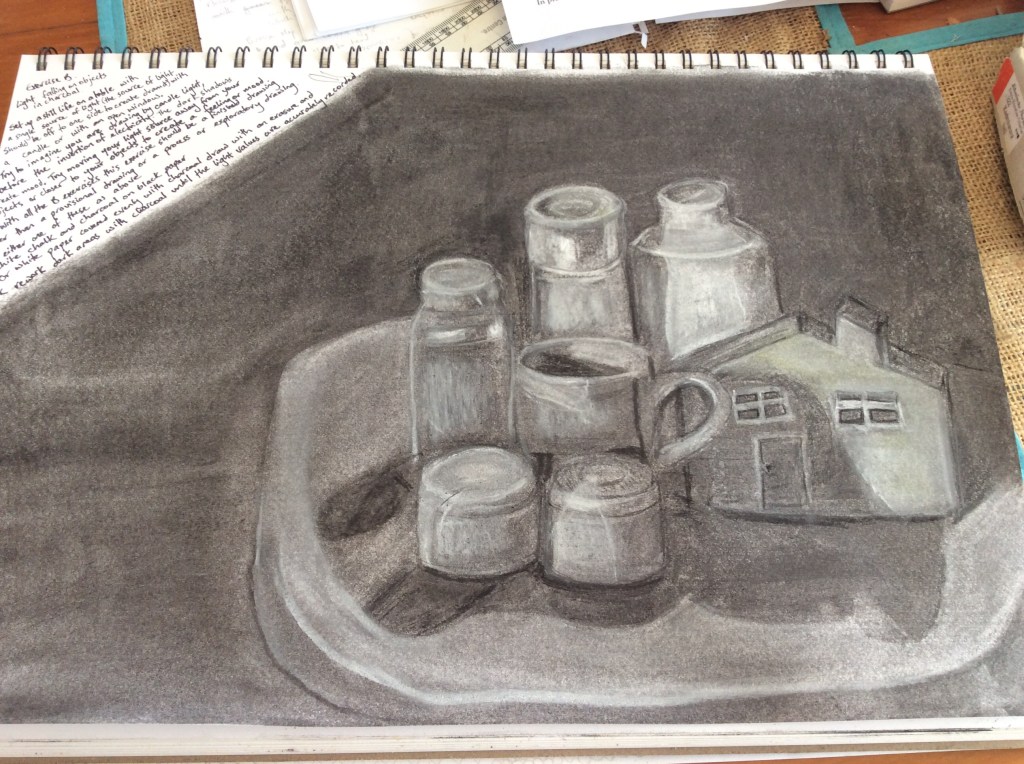
Mark exercise used in still life for tonal exercise.
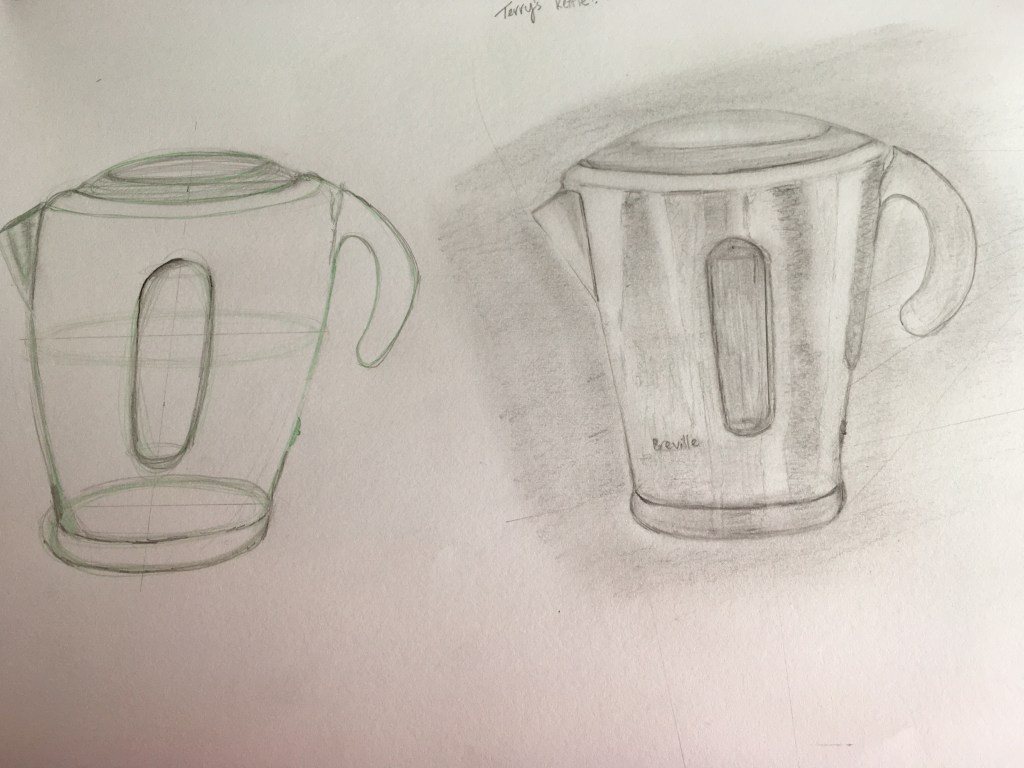
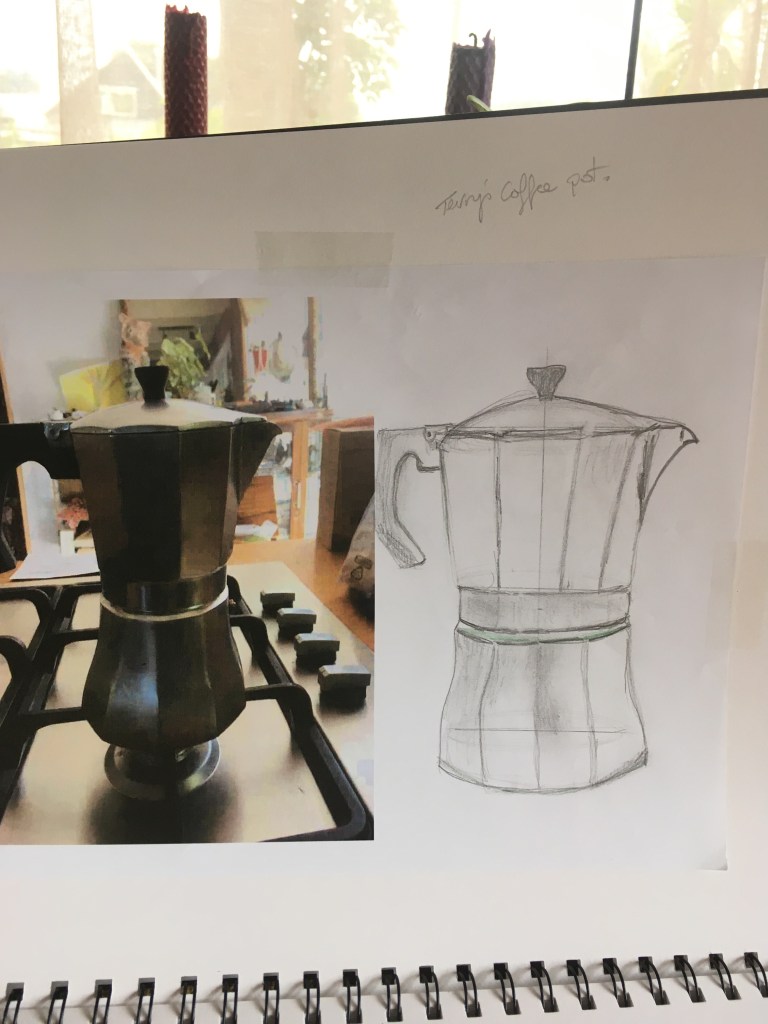
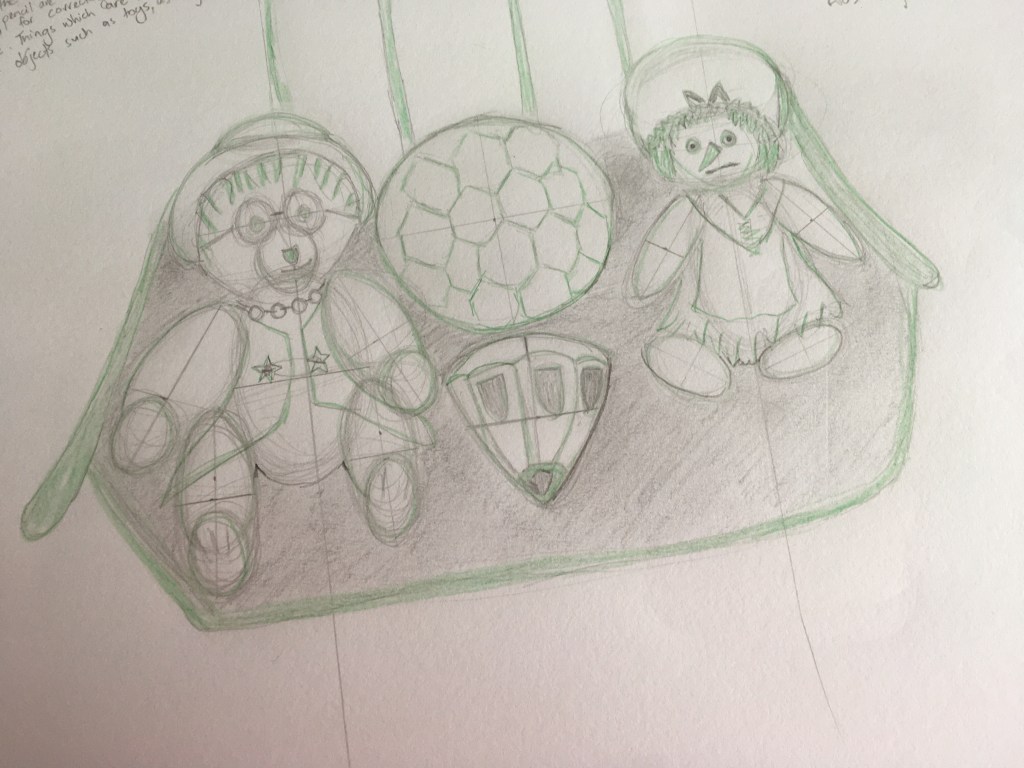
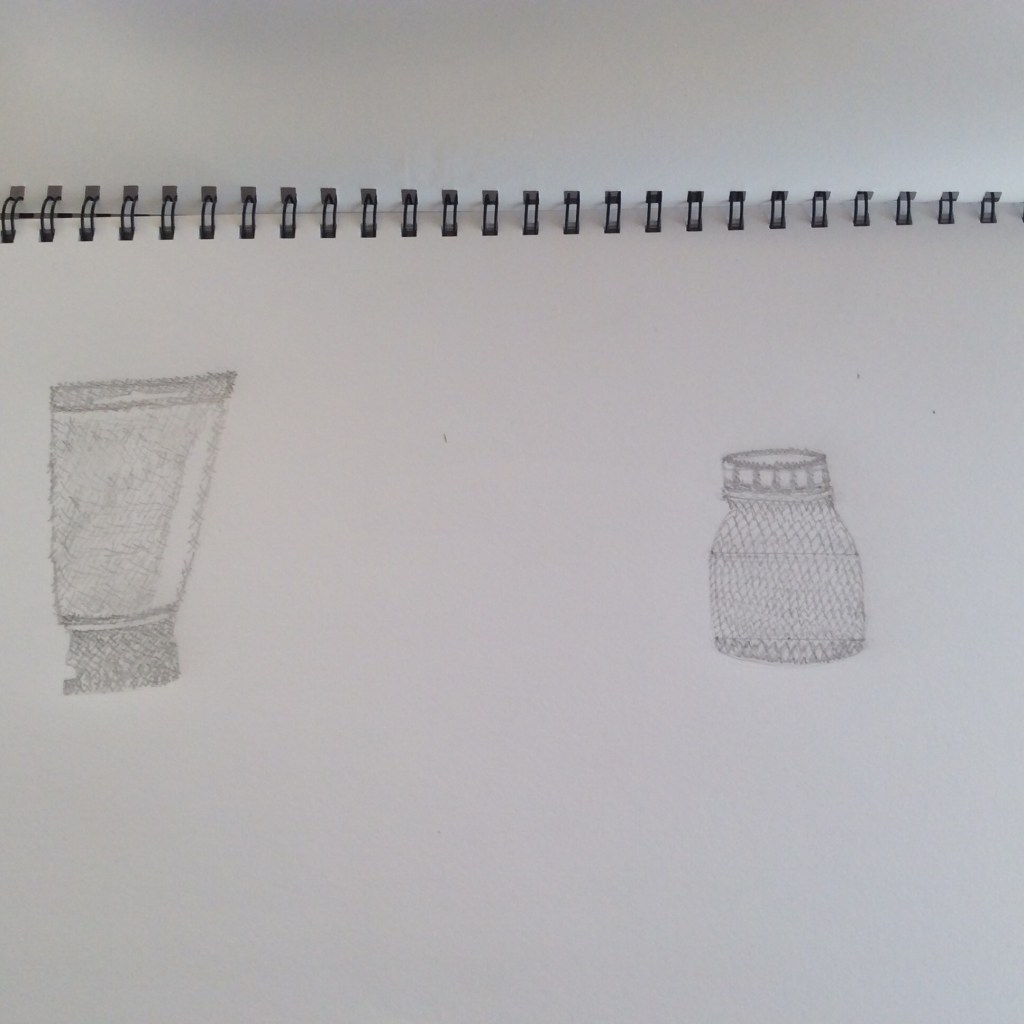
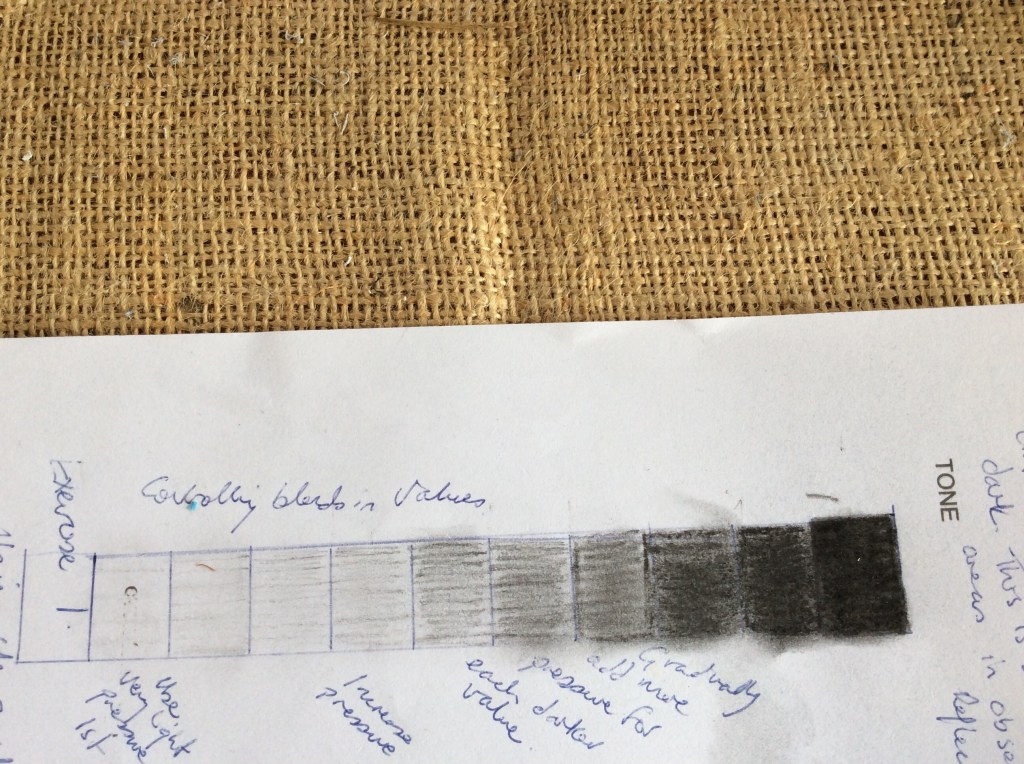
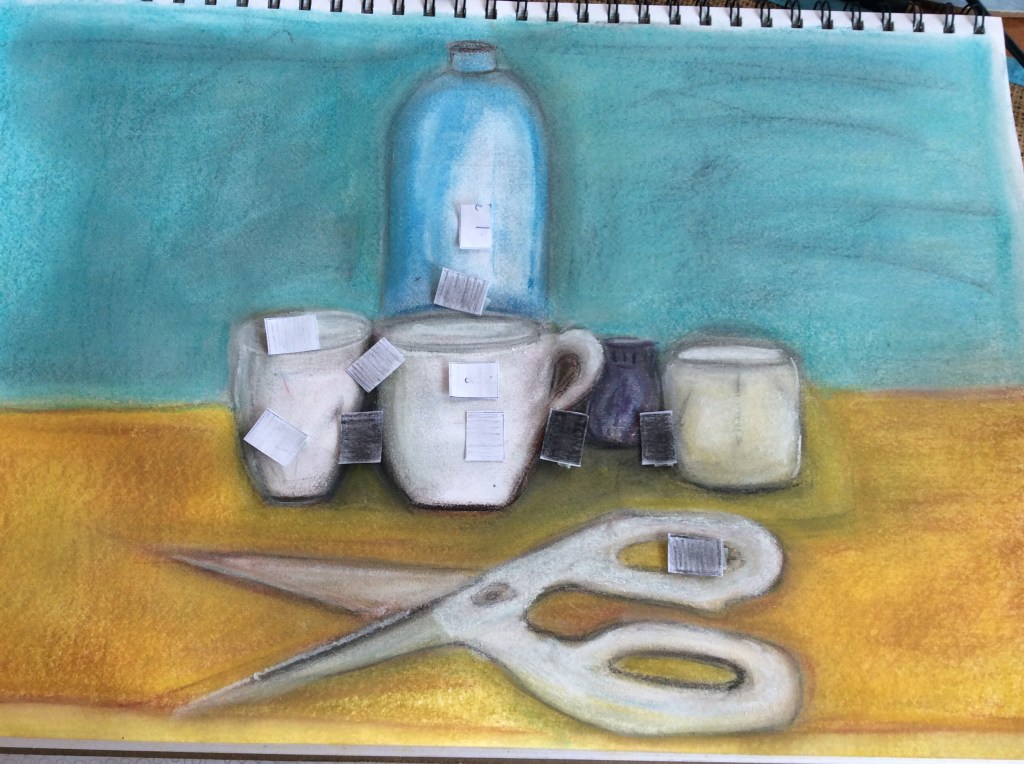
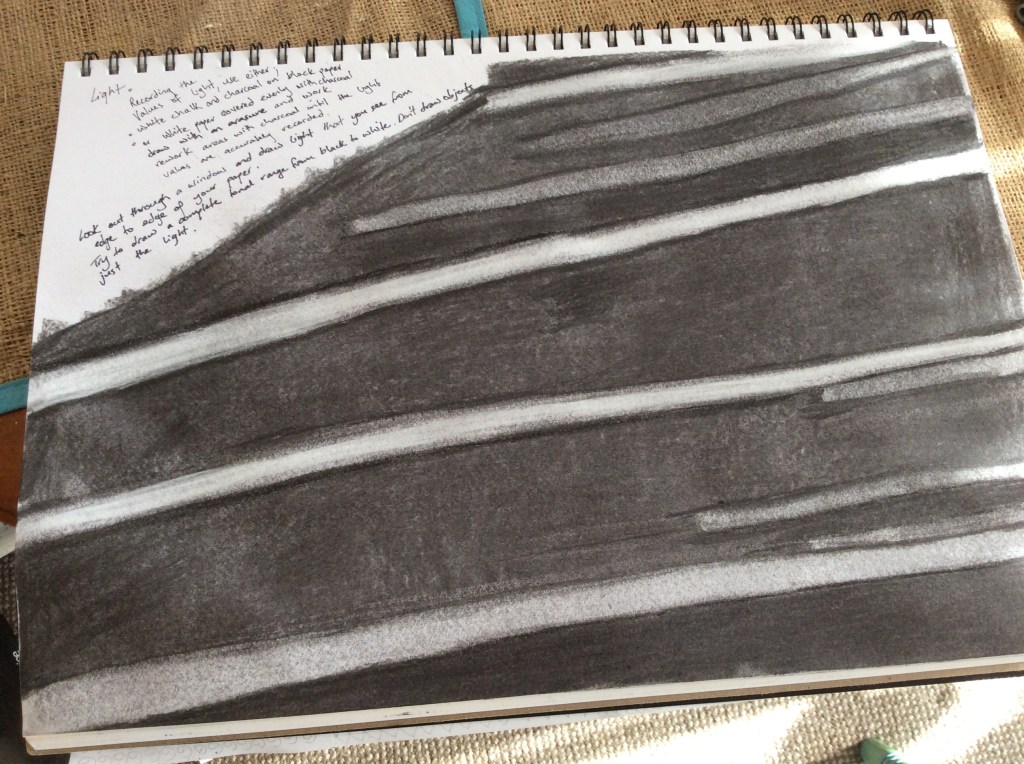
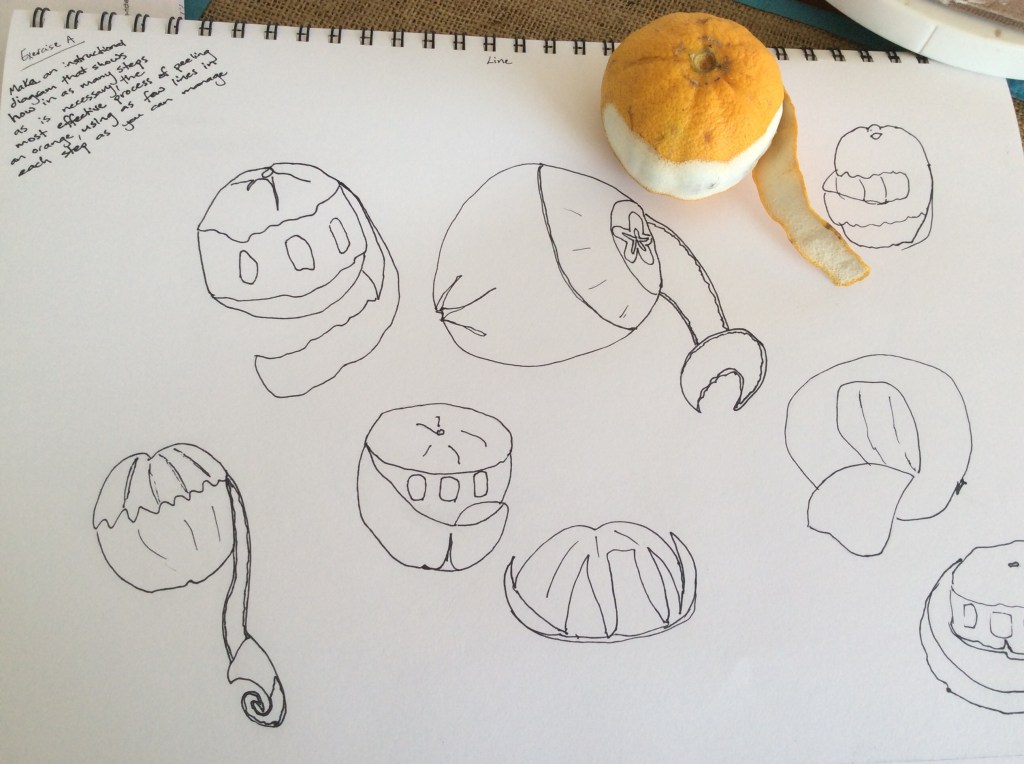
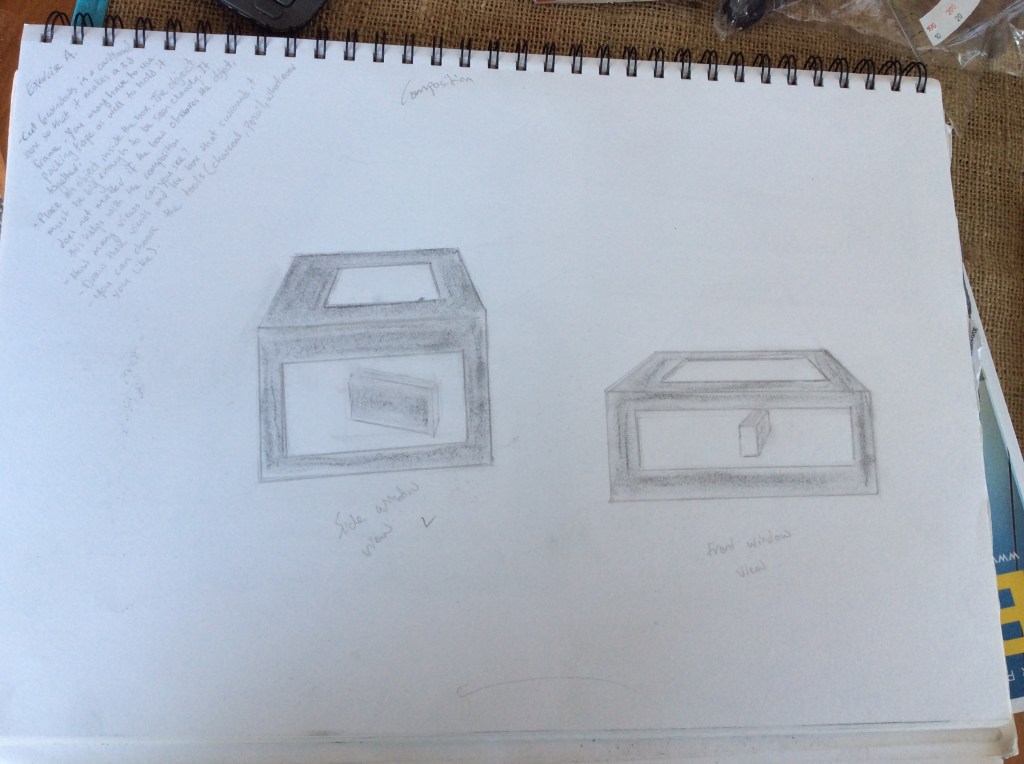
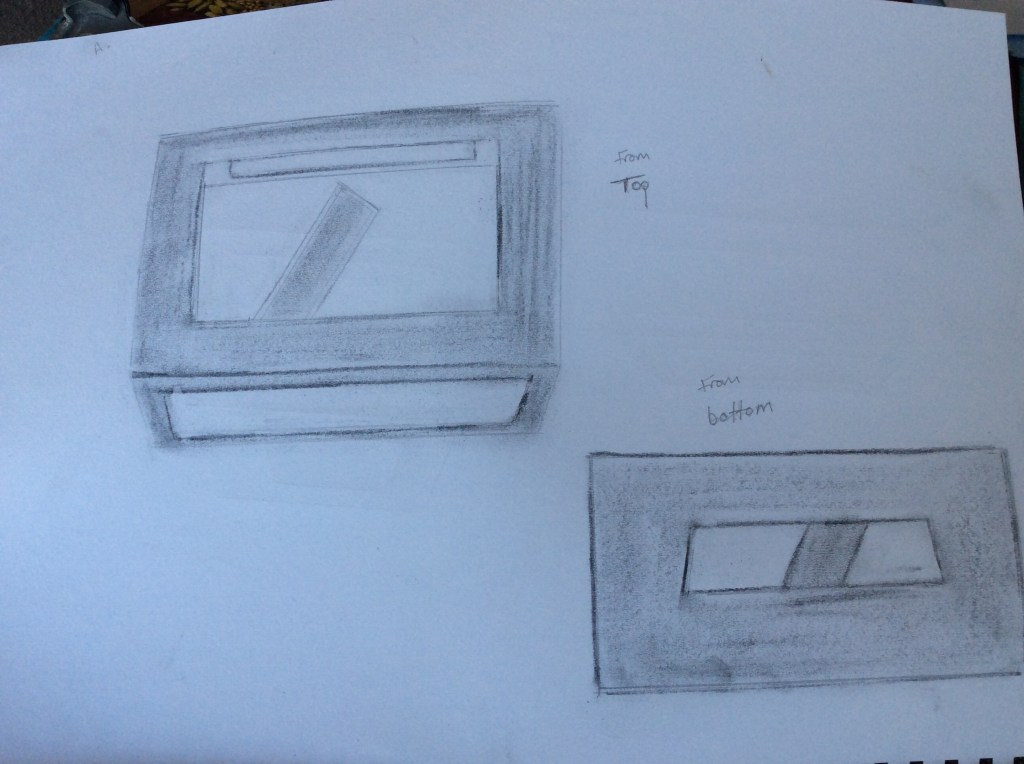
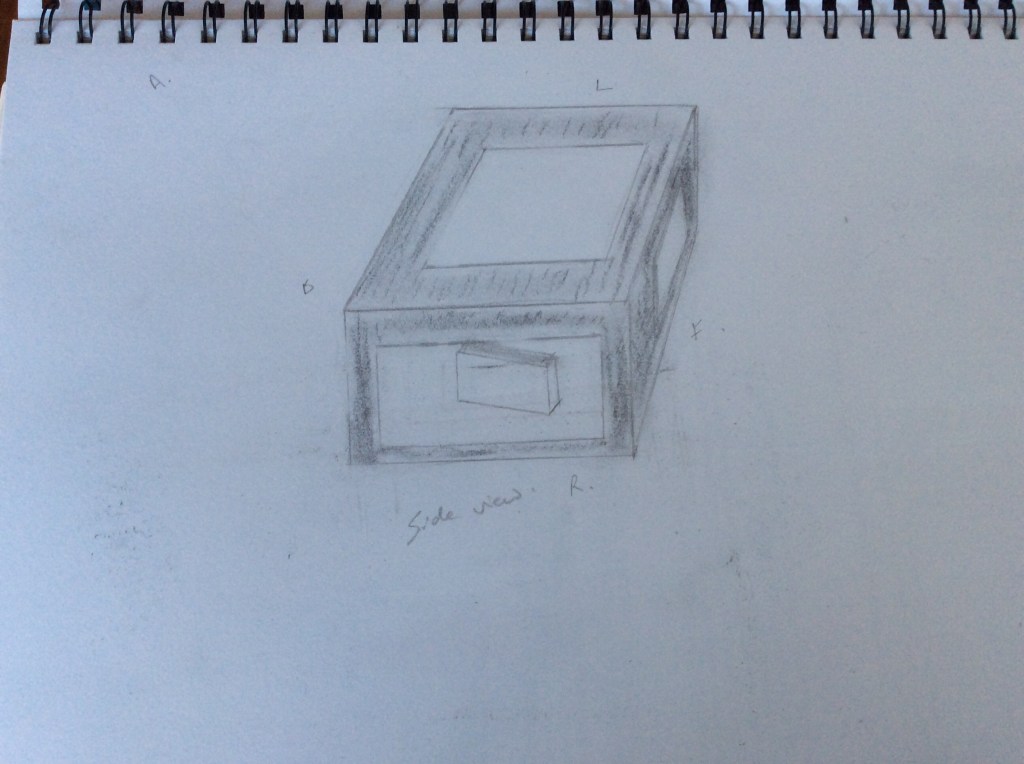
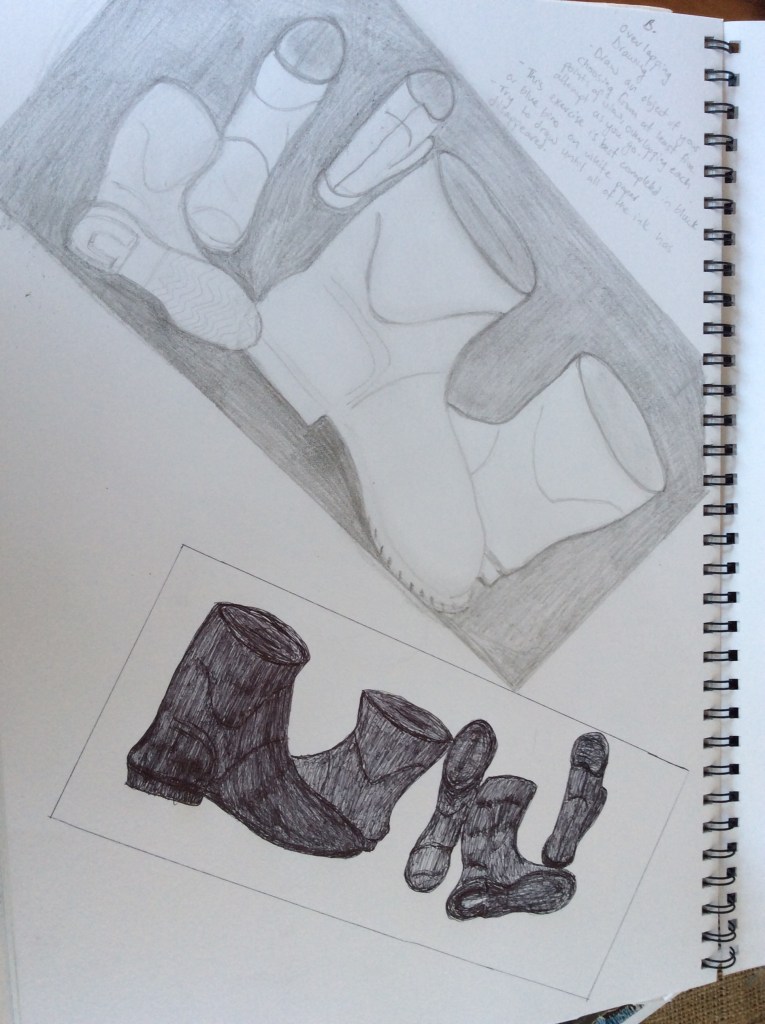
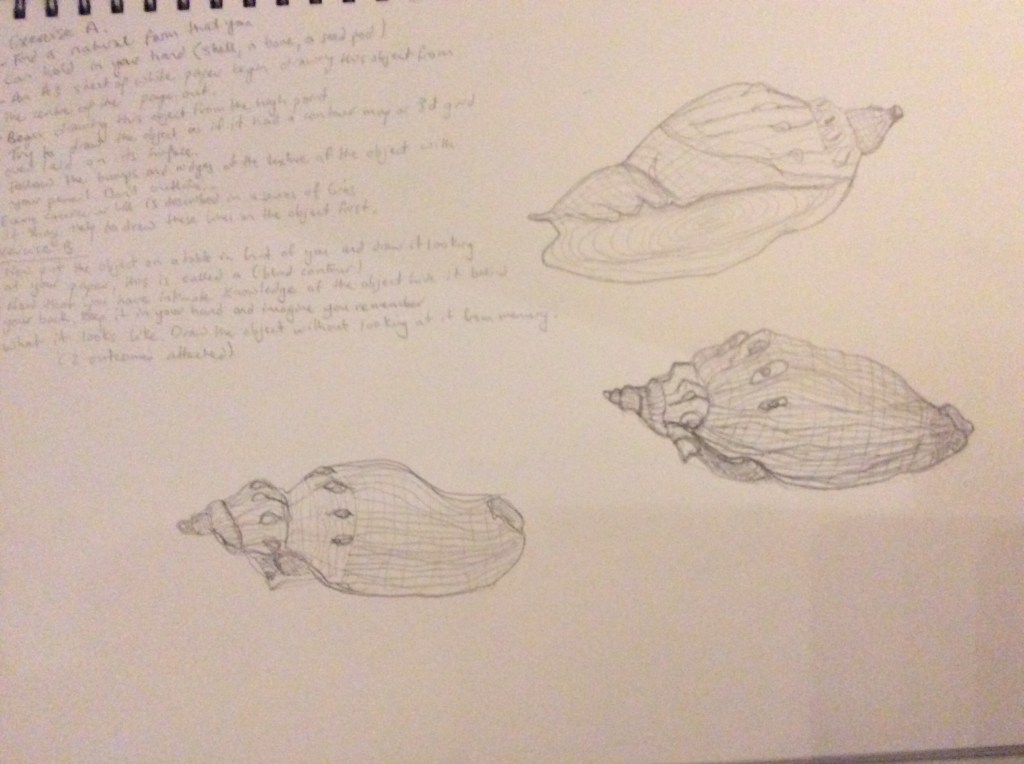
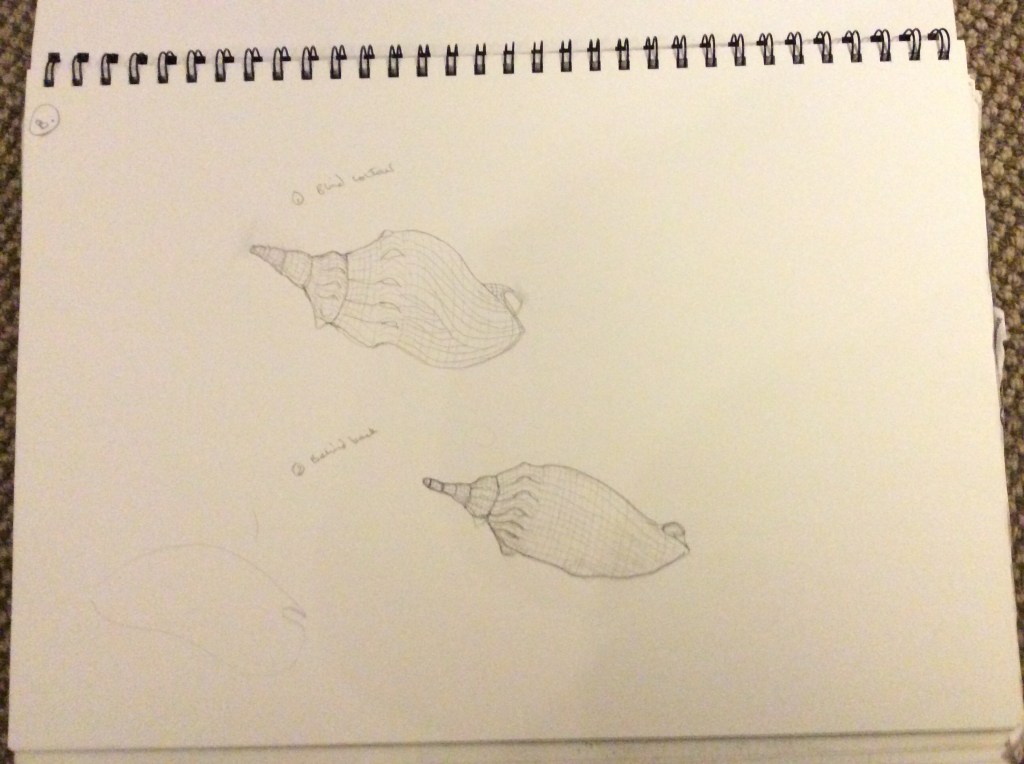
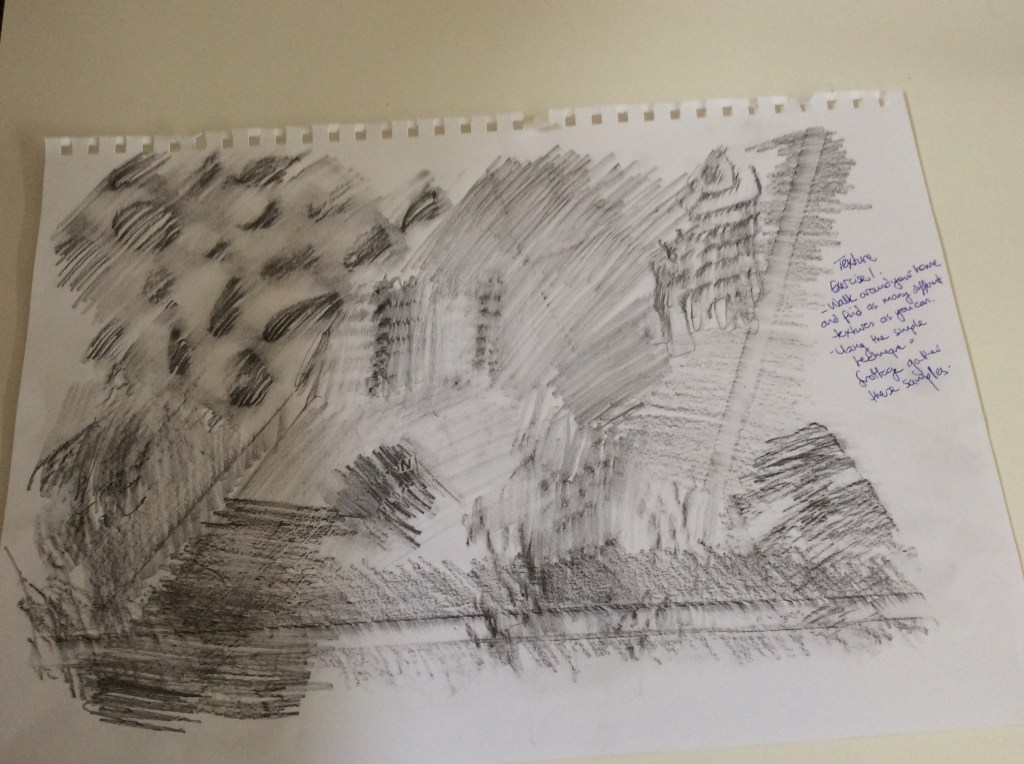
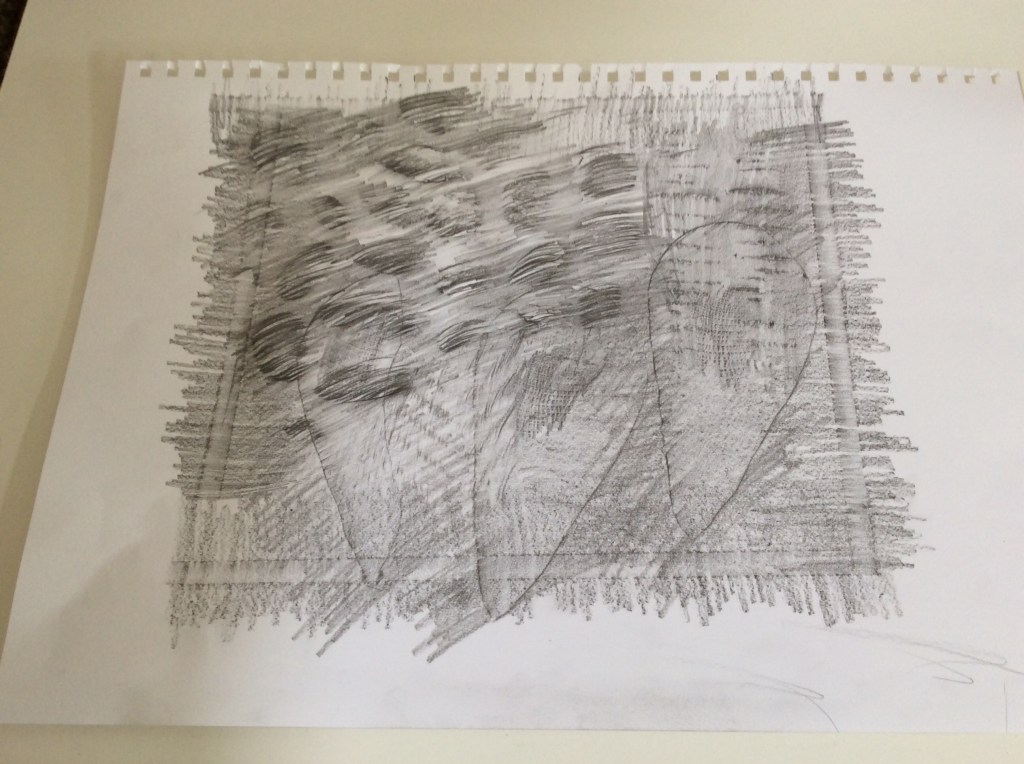
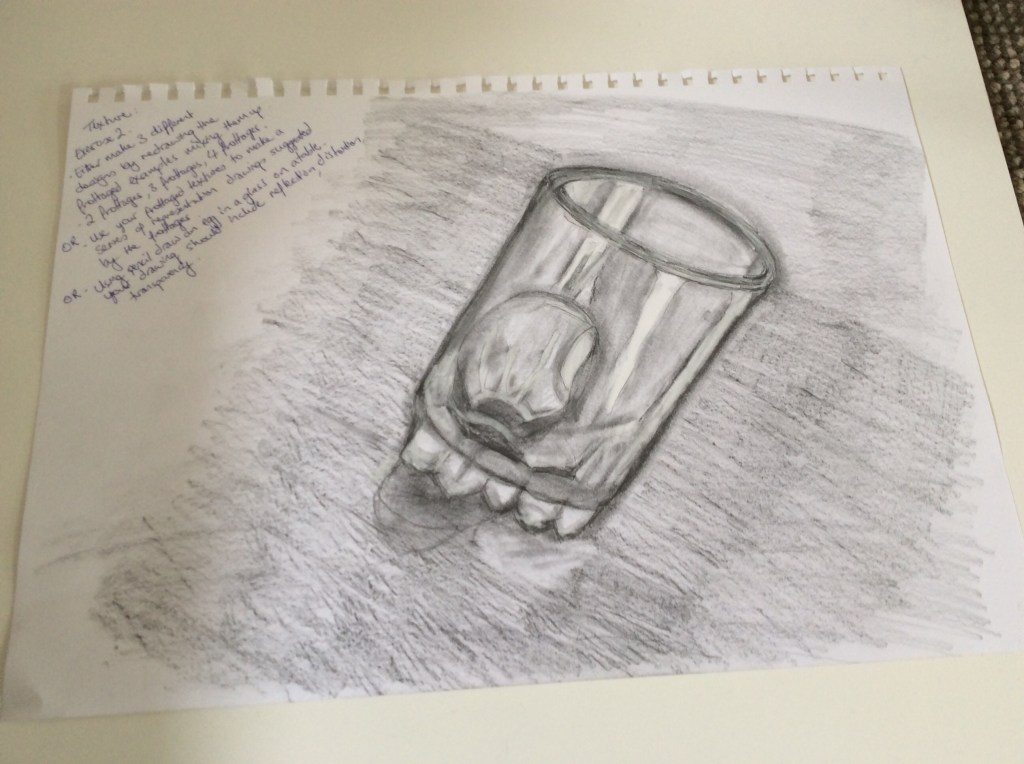
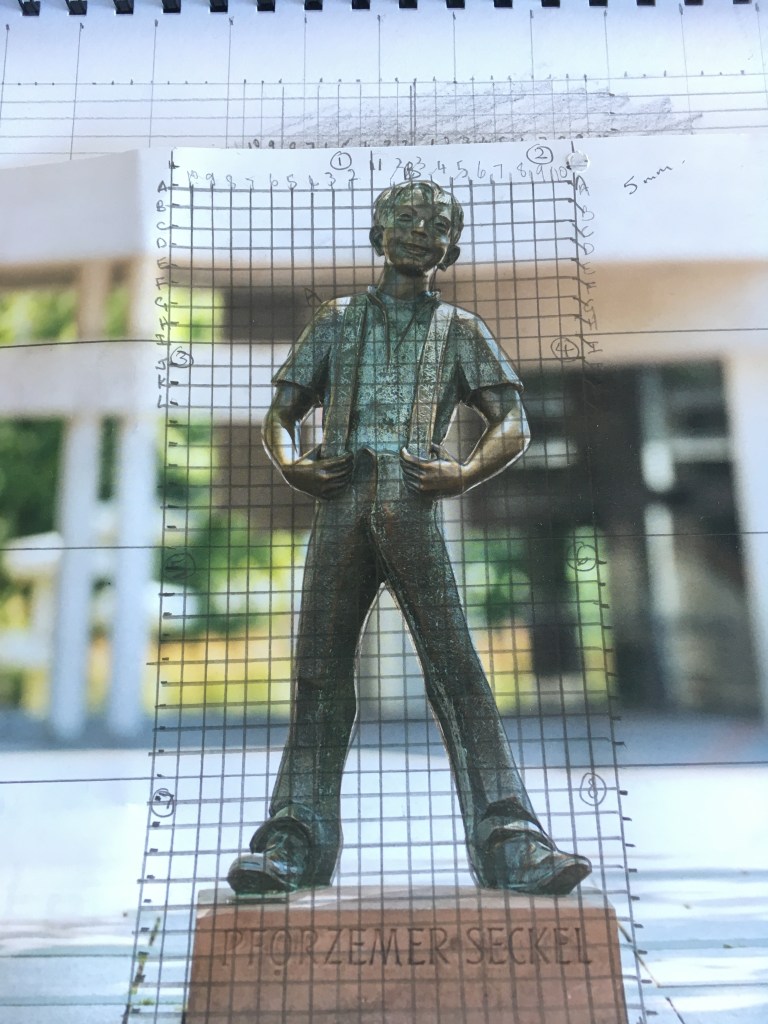
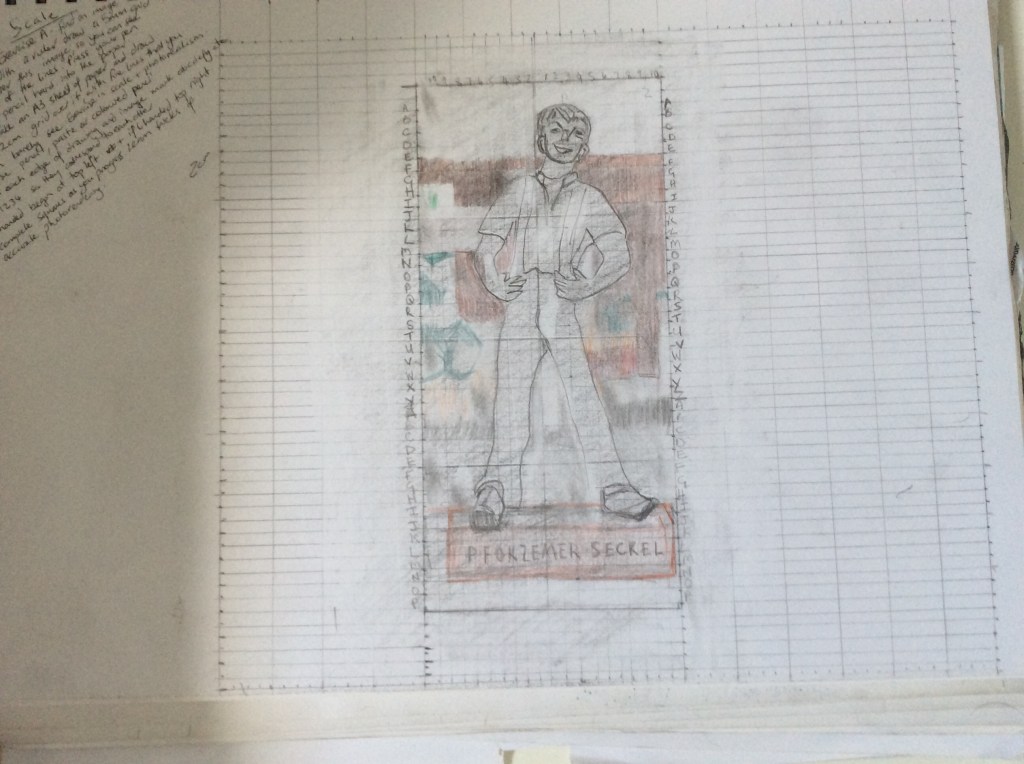
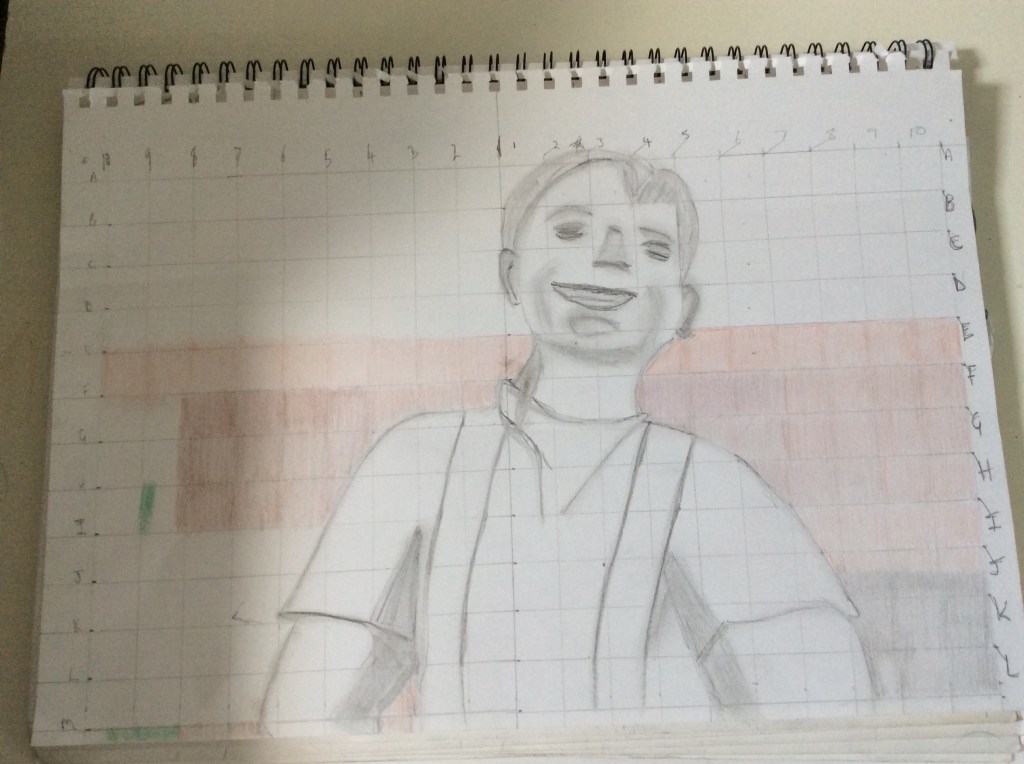
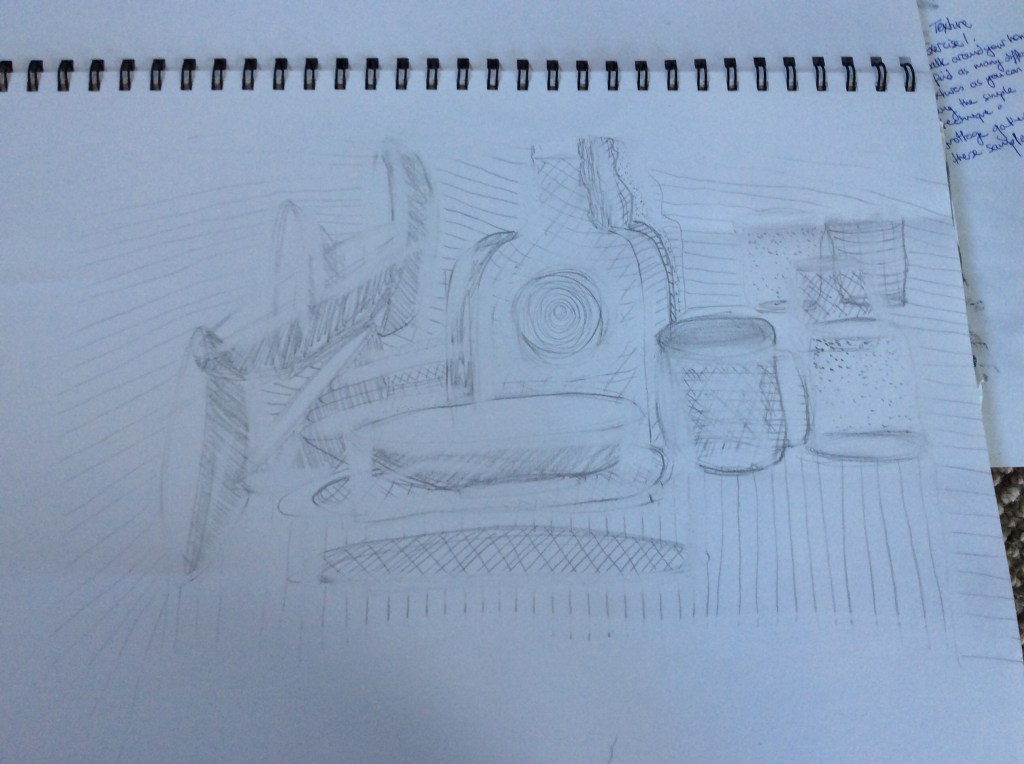
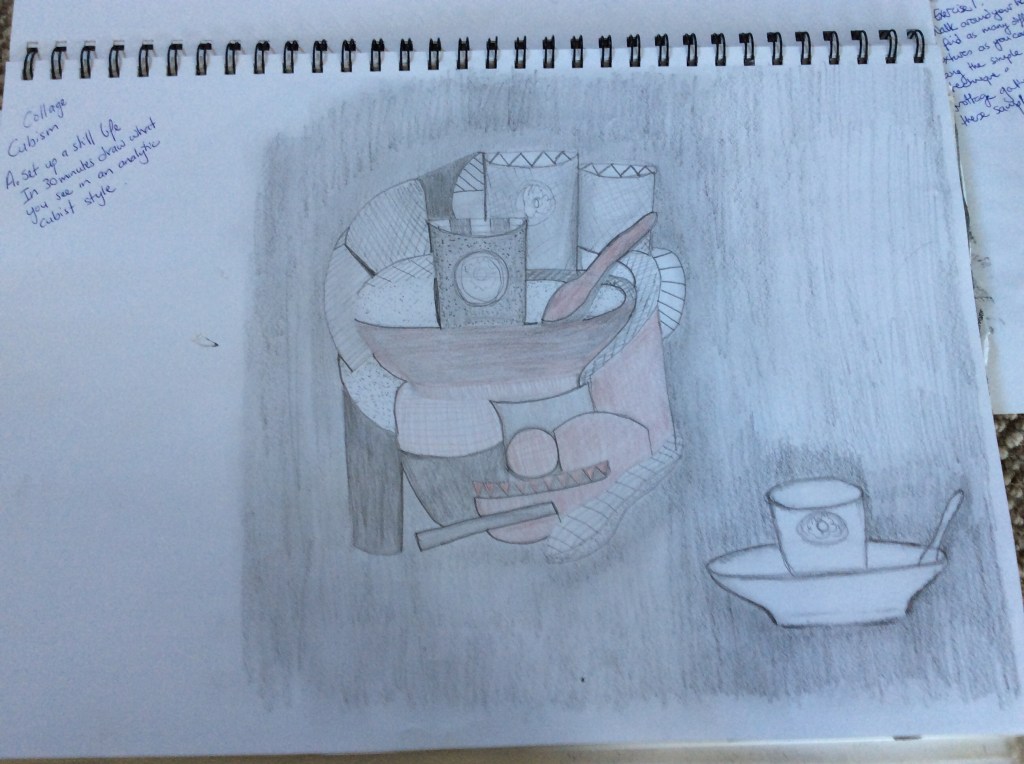
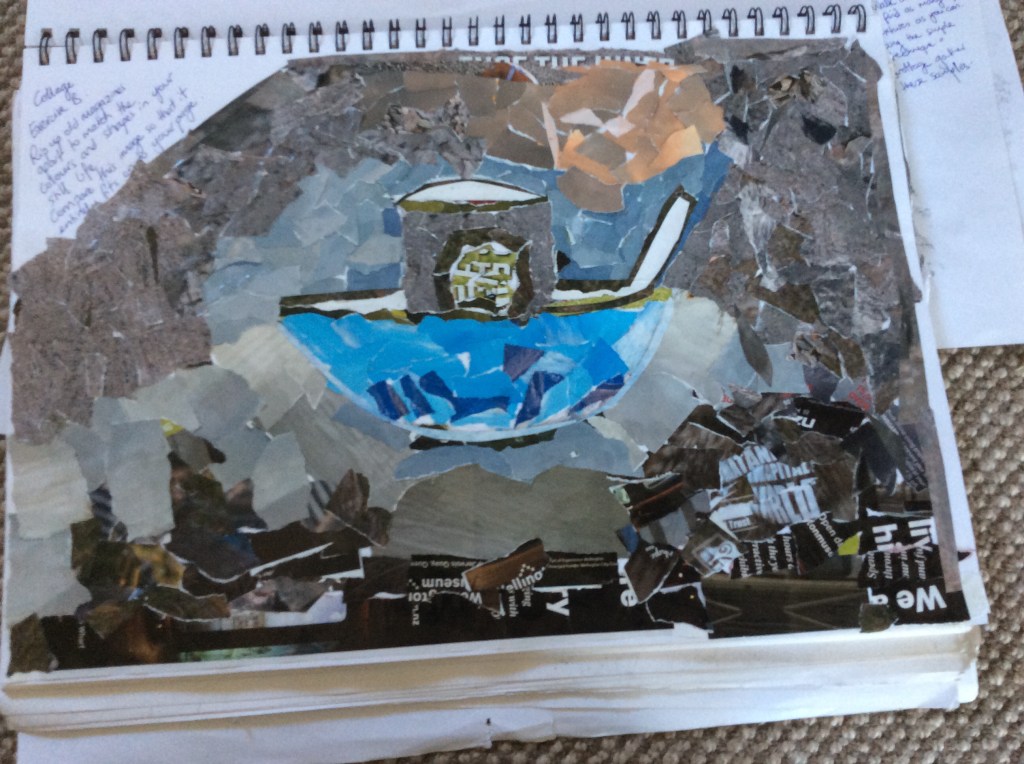
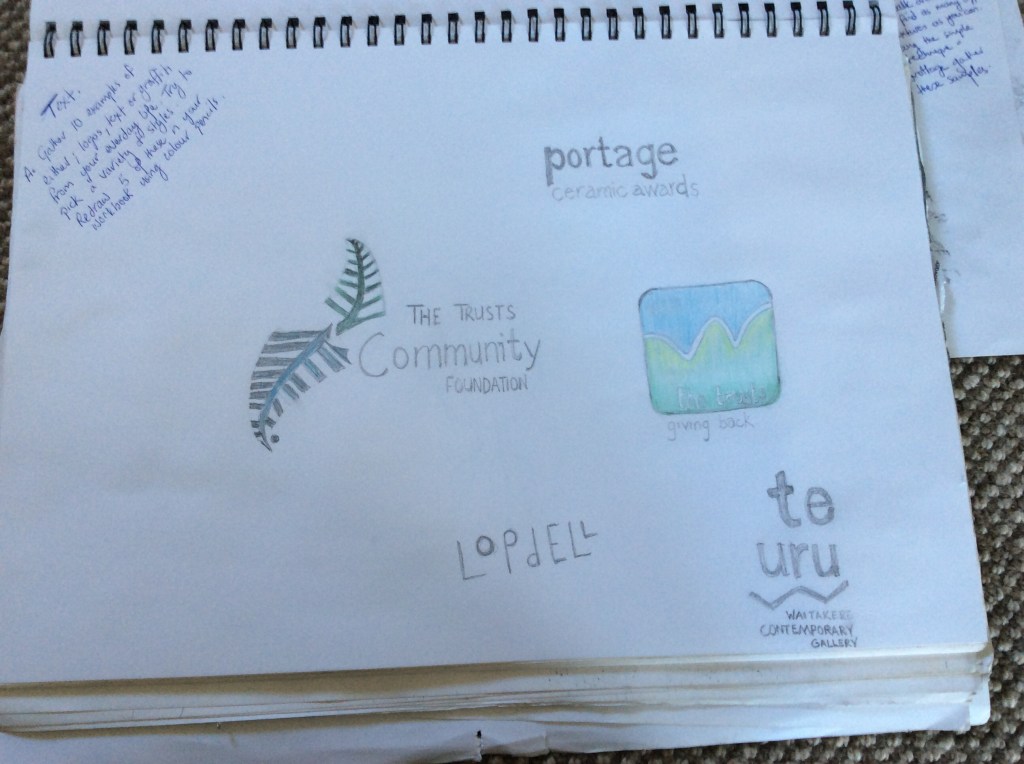
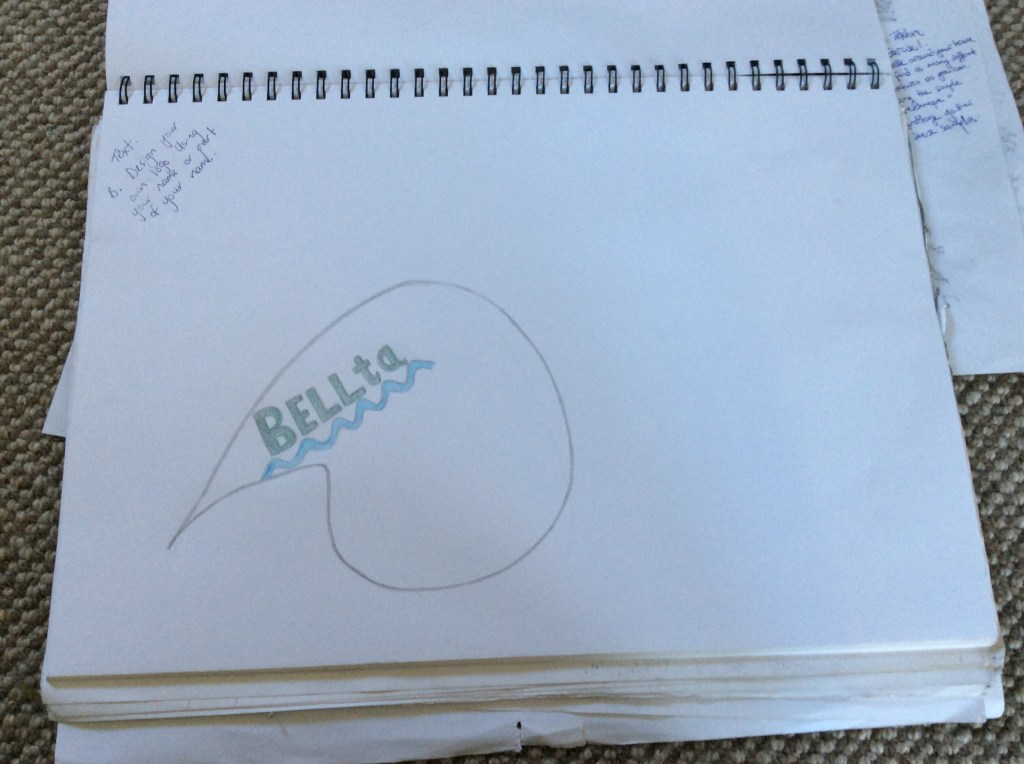
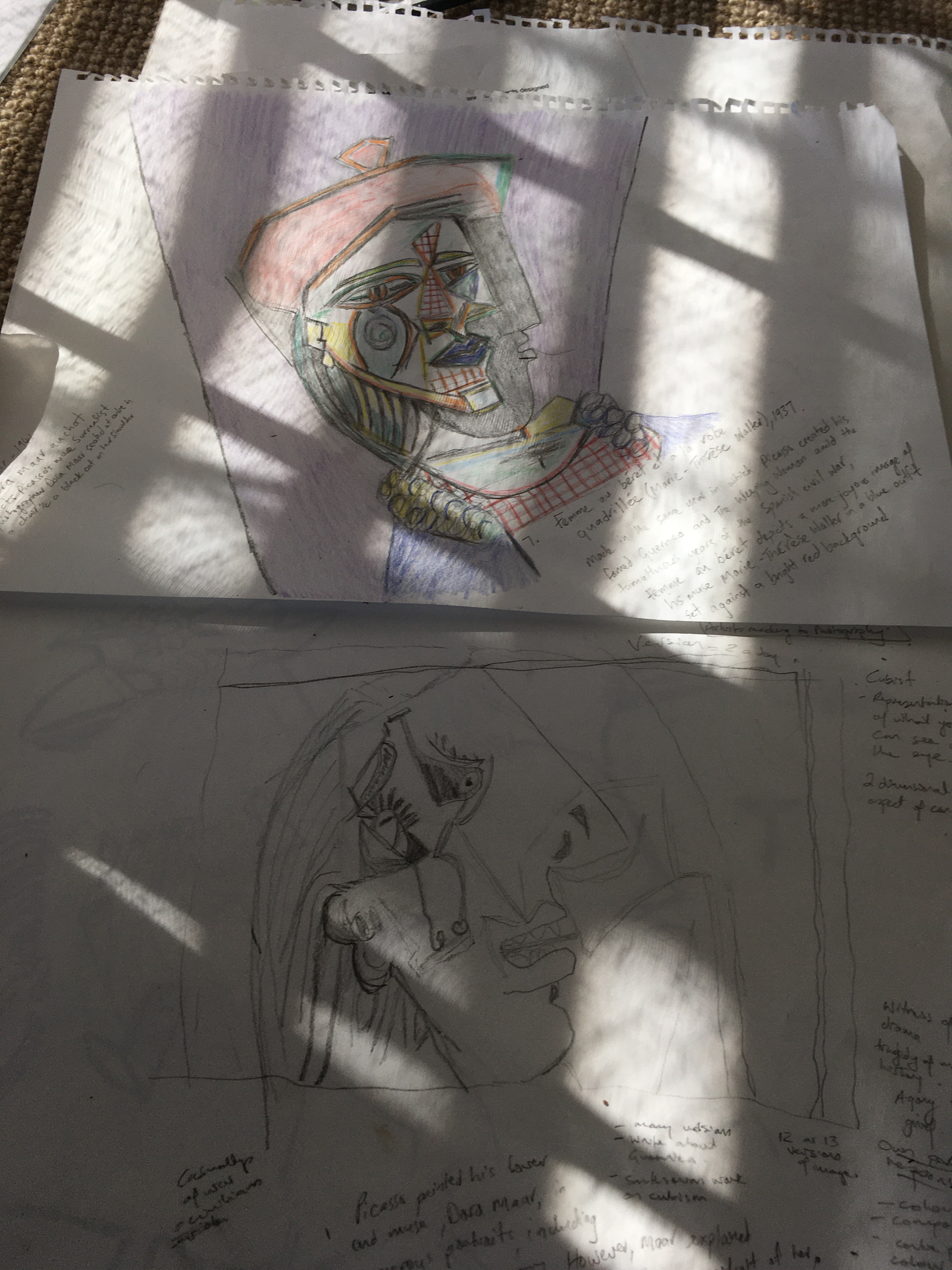
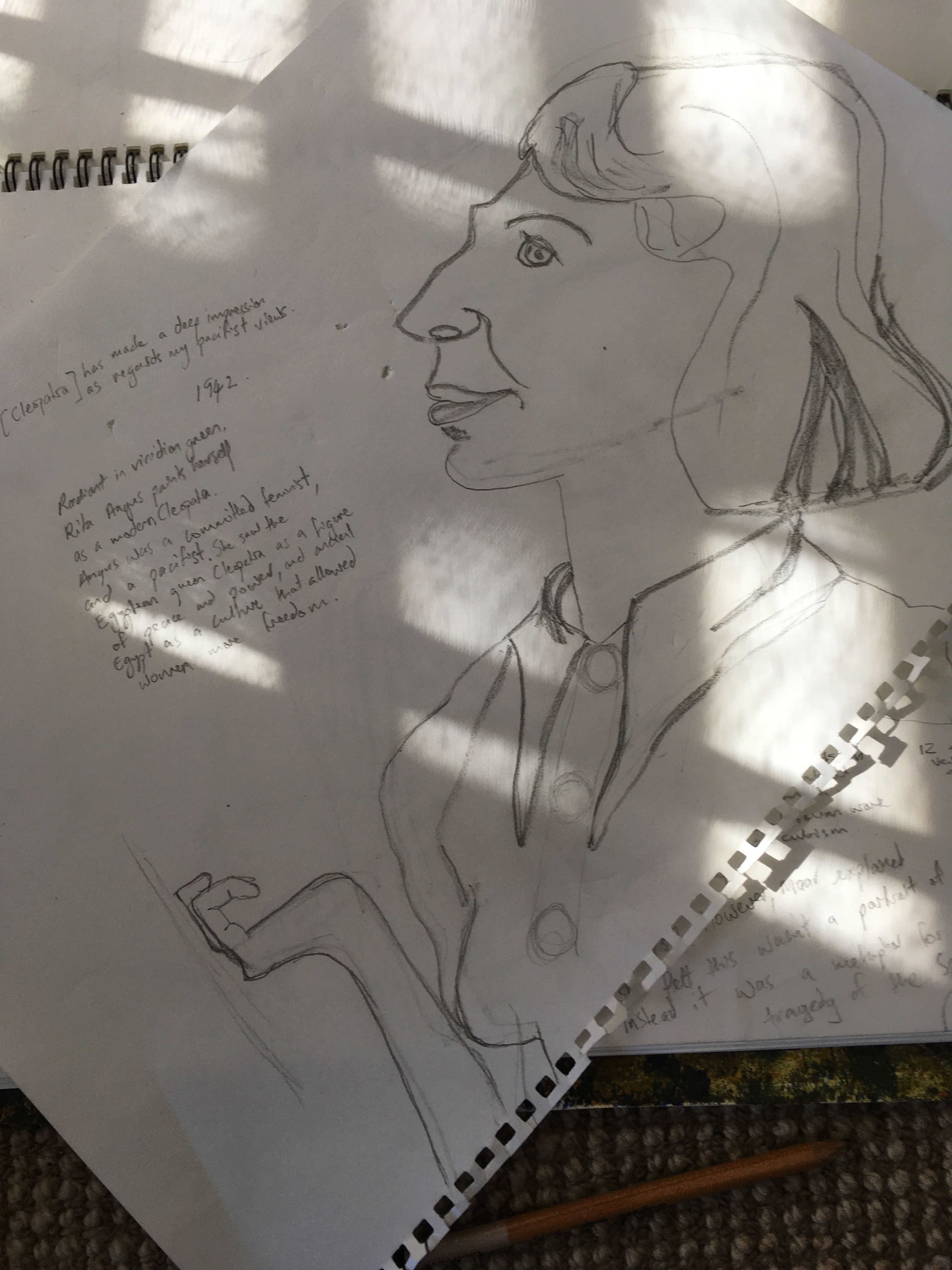
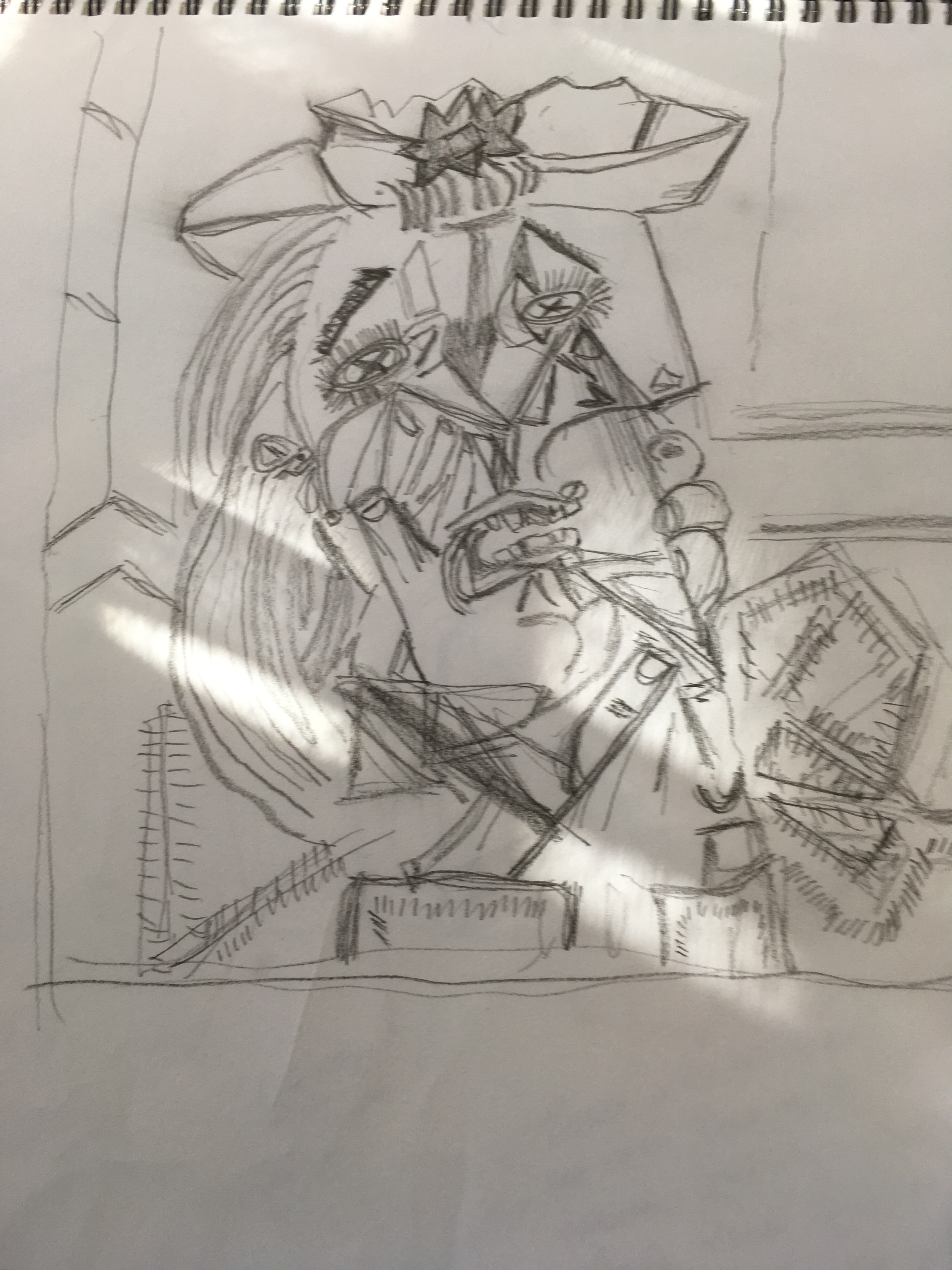
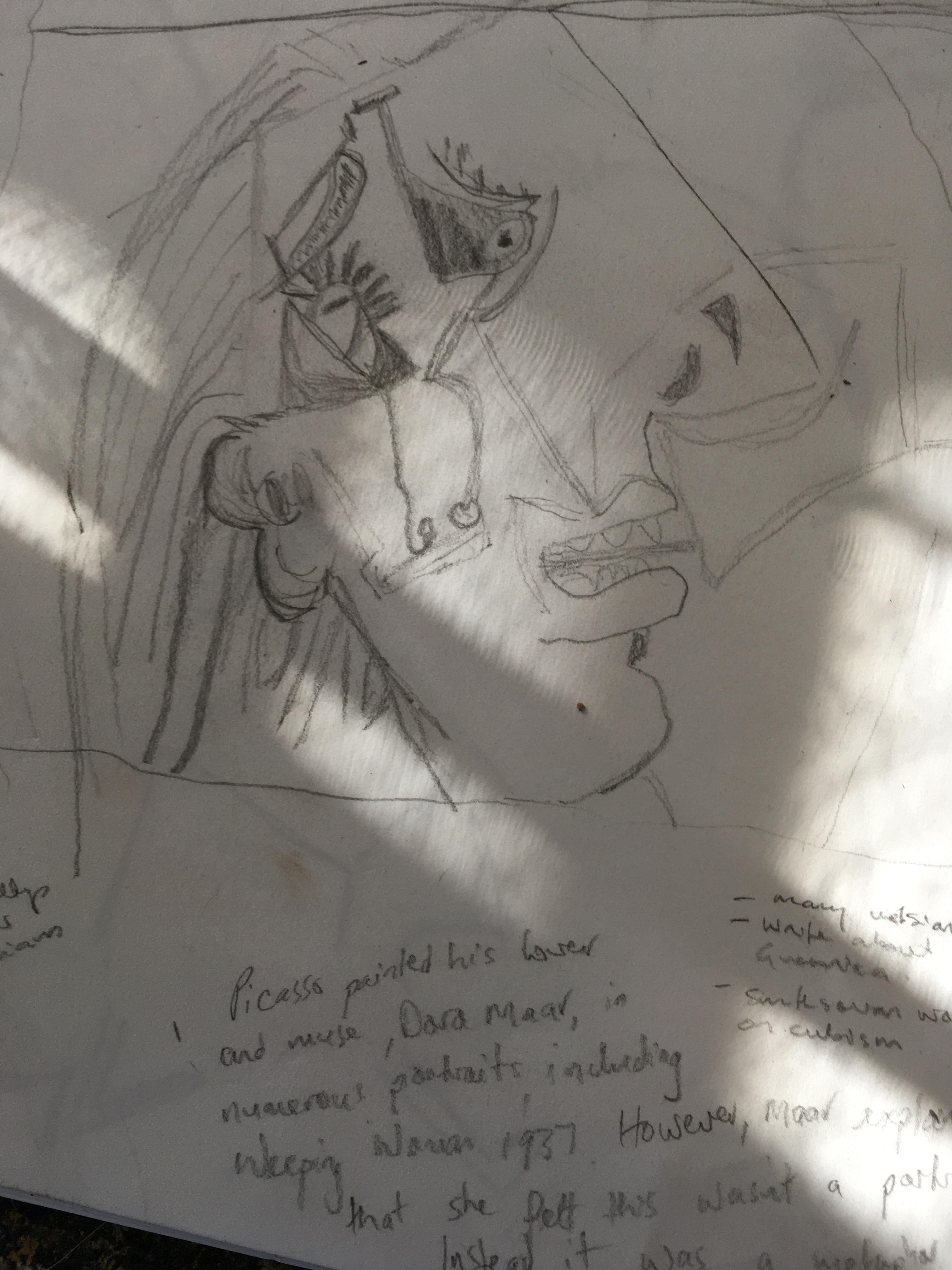
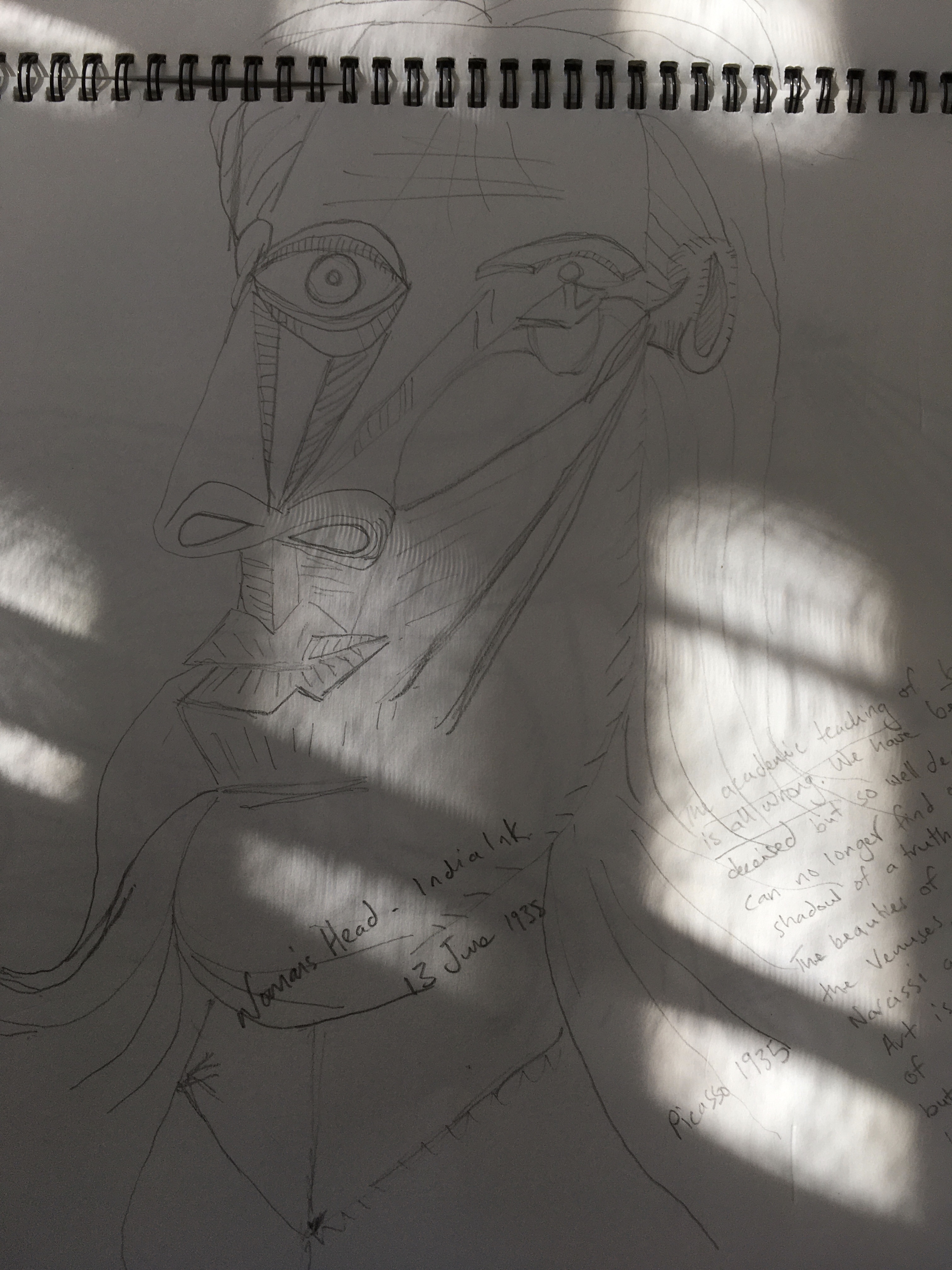
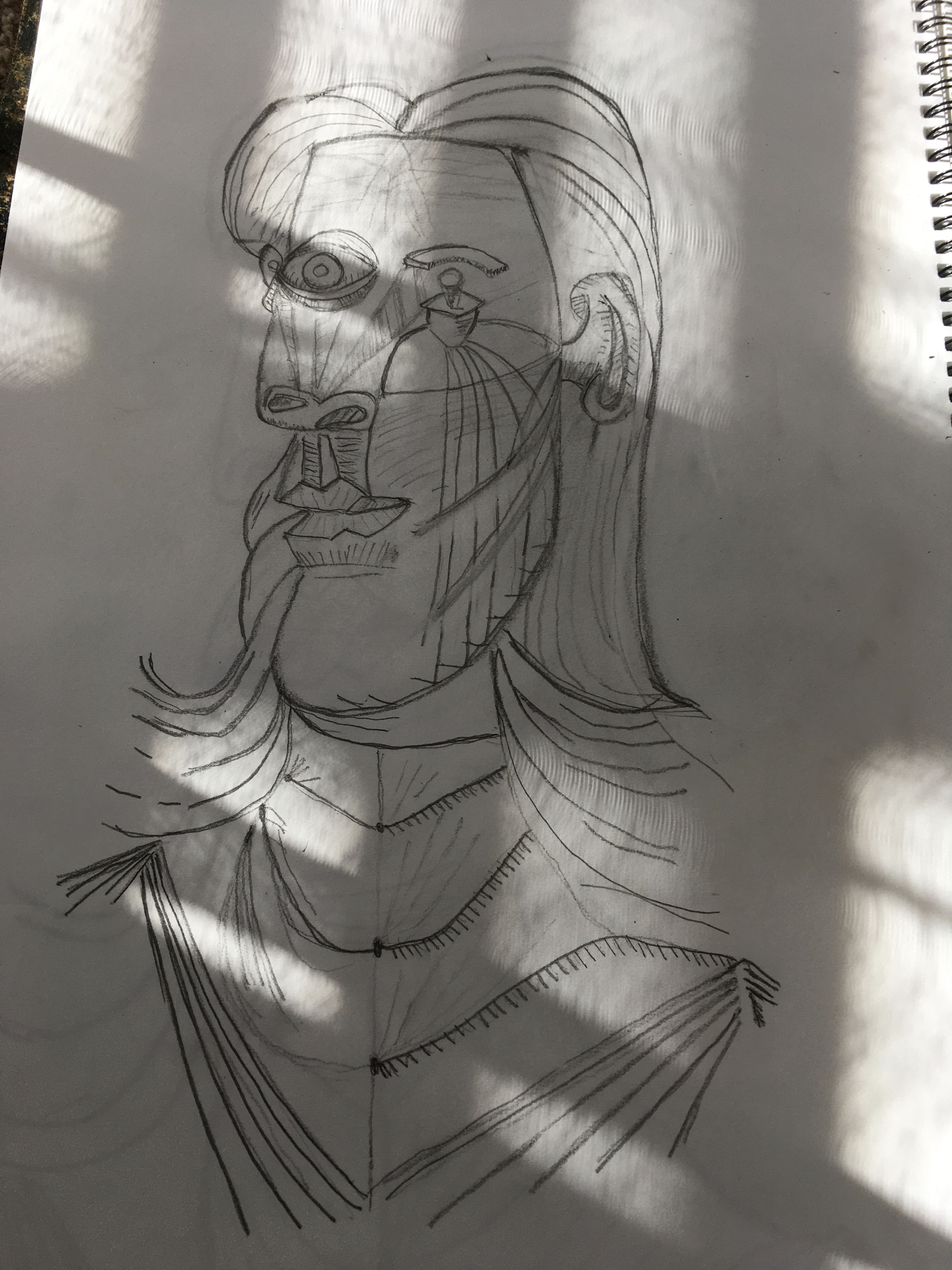
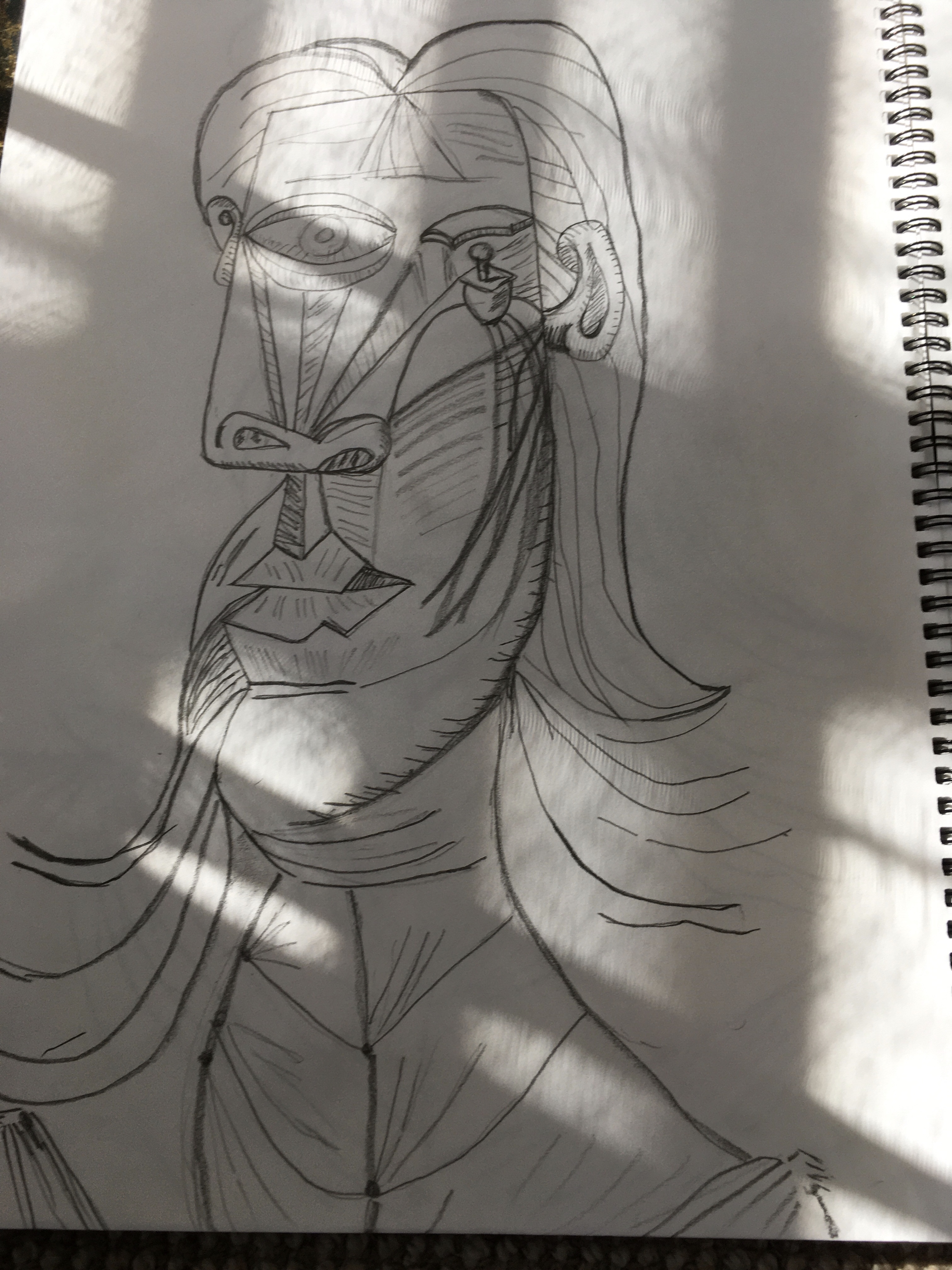
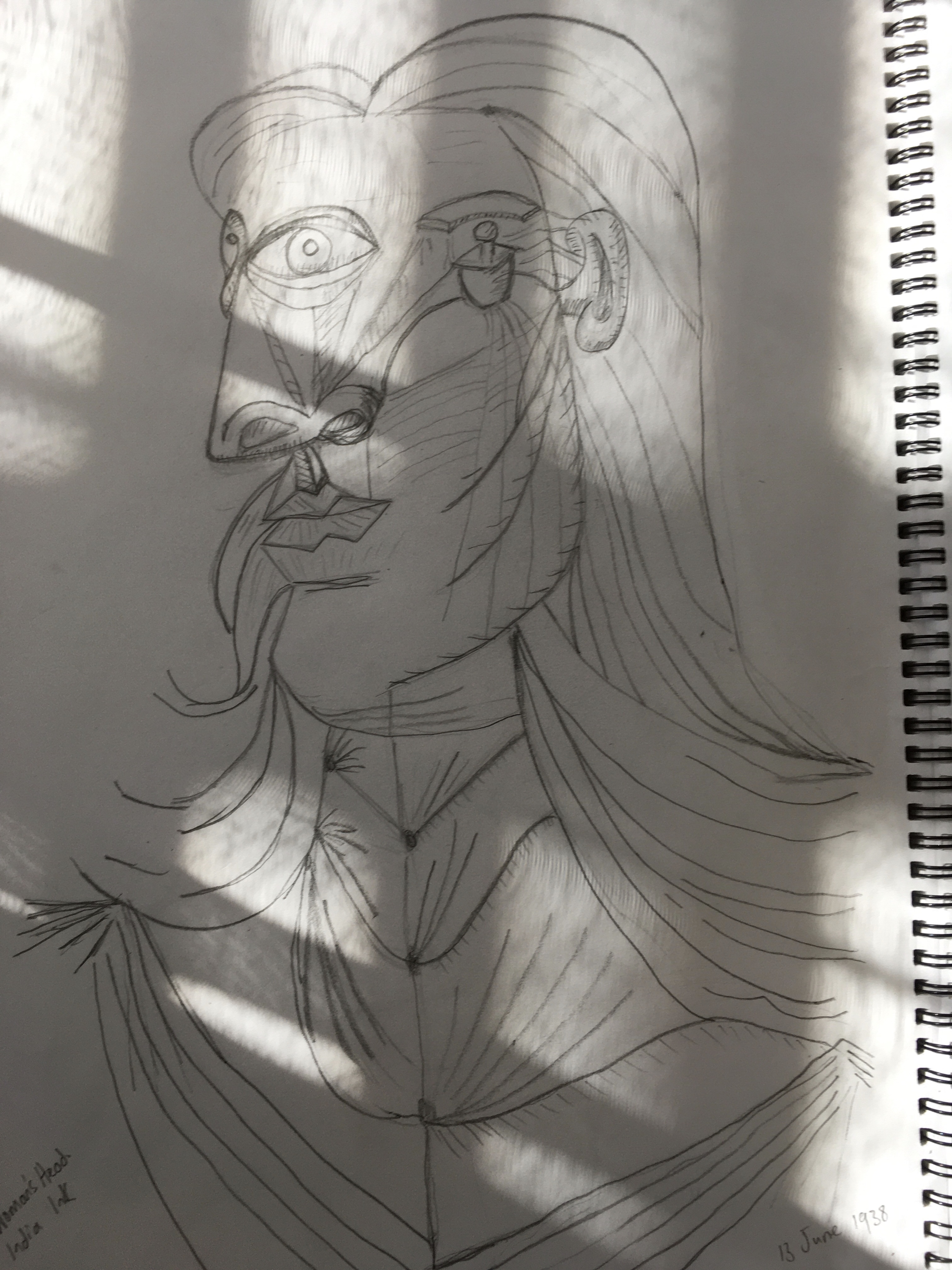
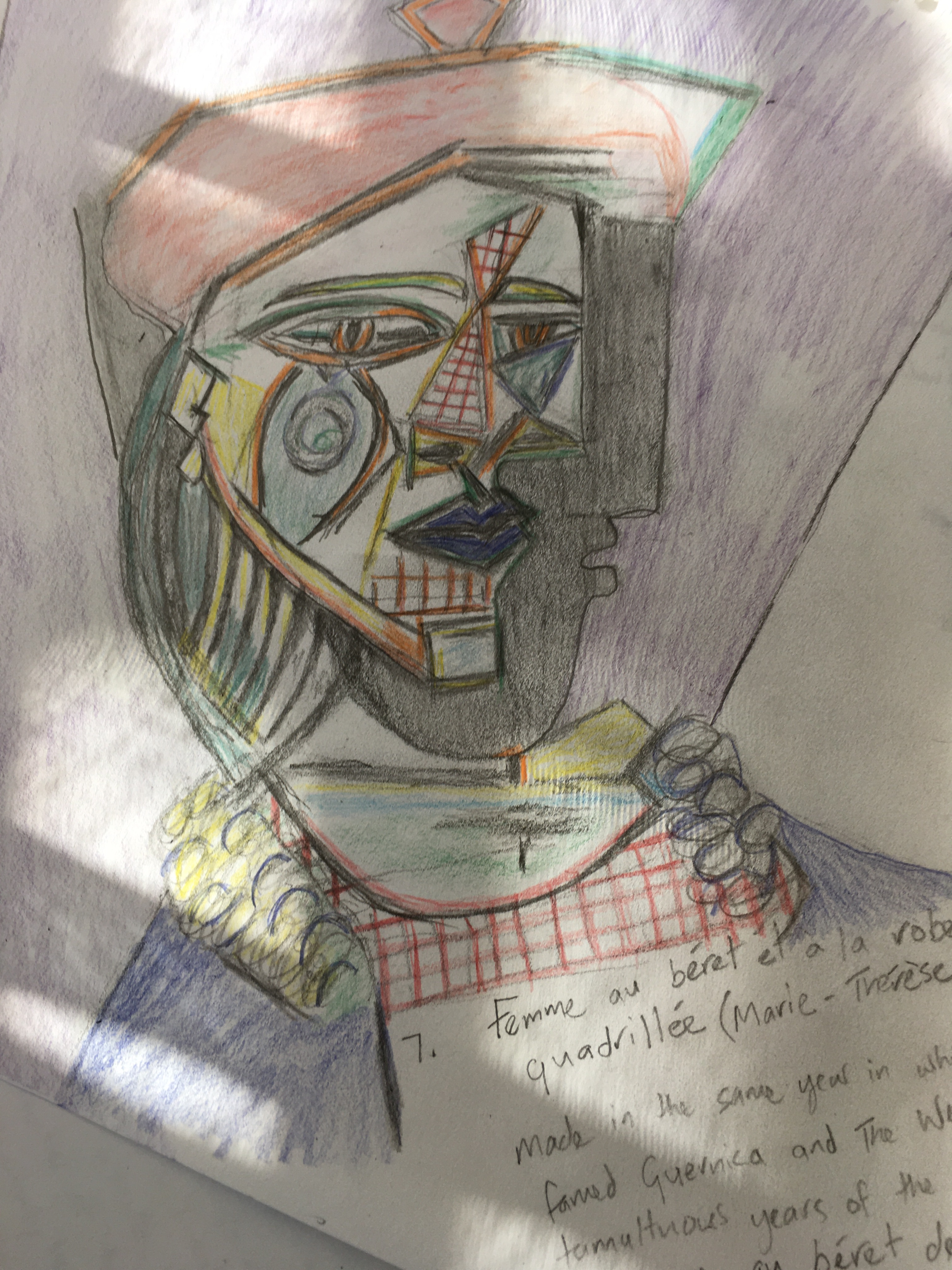
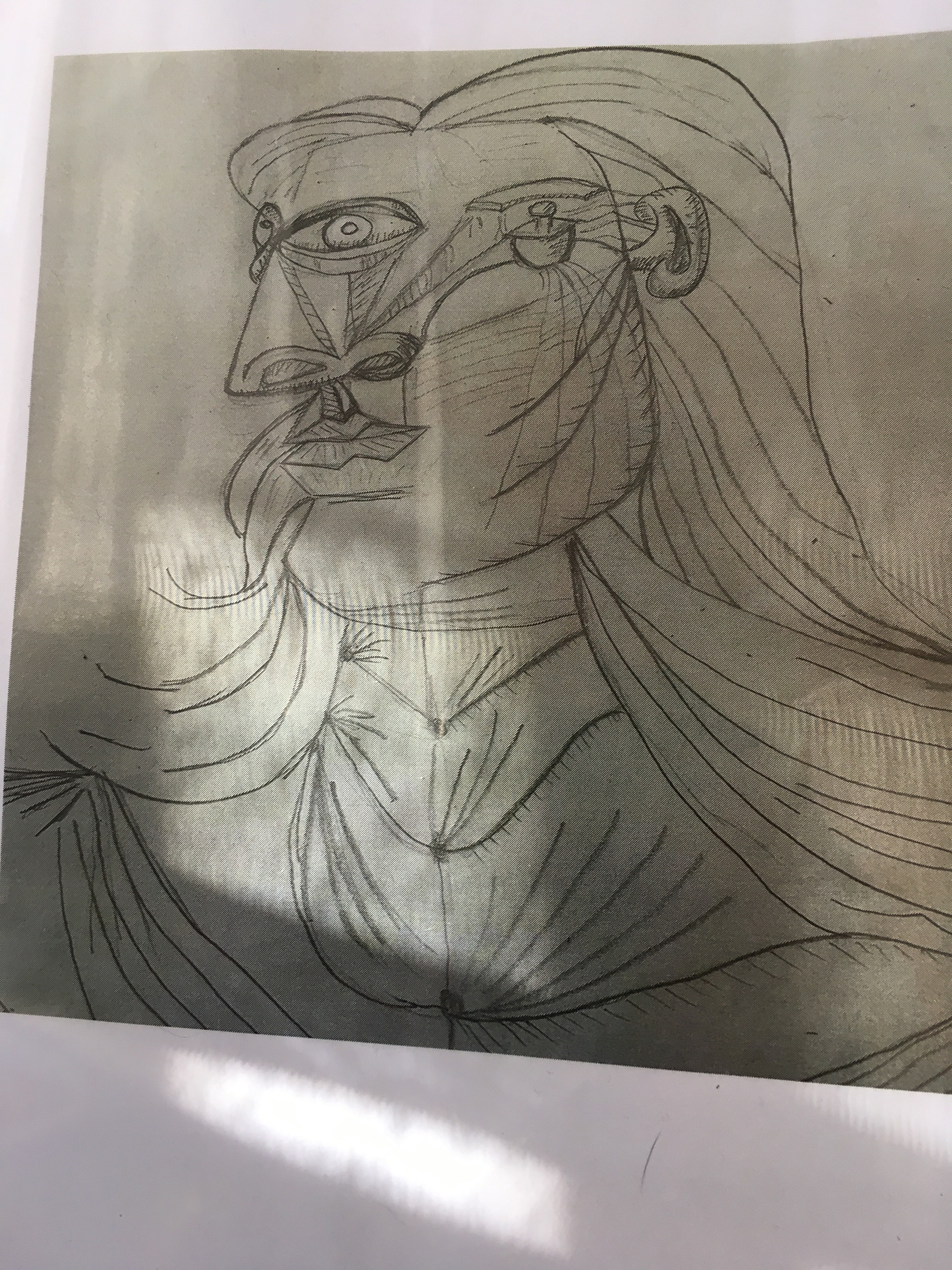
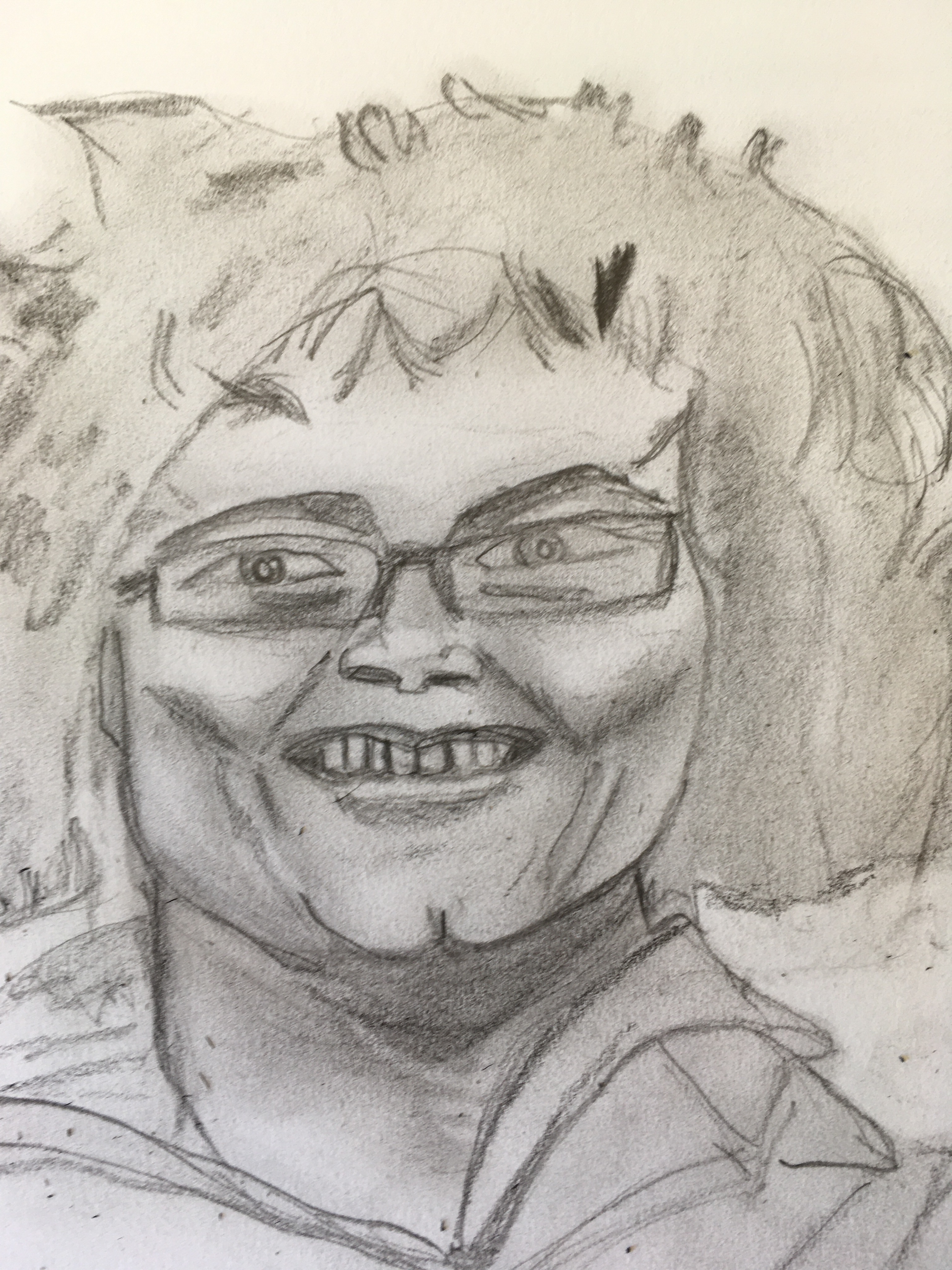
Tonal exerciseLight exercise Line Drawing exercise.Composition exercise. Box with 6 windows cut and sketch of a box of matches made viewed from each window. Cut off gum boots drawn with black biro and overlapped.Contour drawing of a shell.Texture exercise with egg in glass.Scale exercise Cubism and collage.Text exercise. Making my own logo. Copy exercise. Portraiture commencing with weeping woman (onset of Ukrainian attack by Russia) and working towards a strong woman .
Containment is particularly suited to our time and to the vessel.
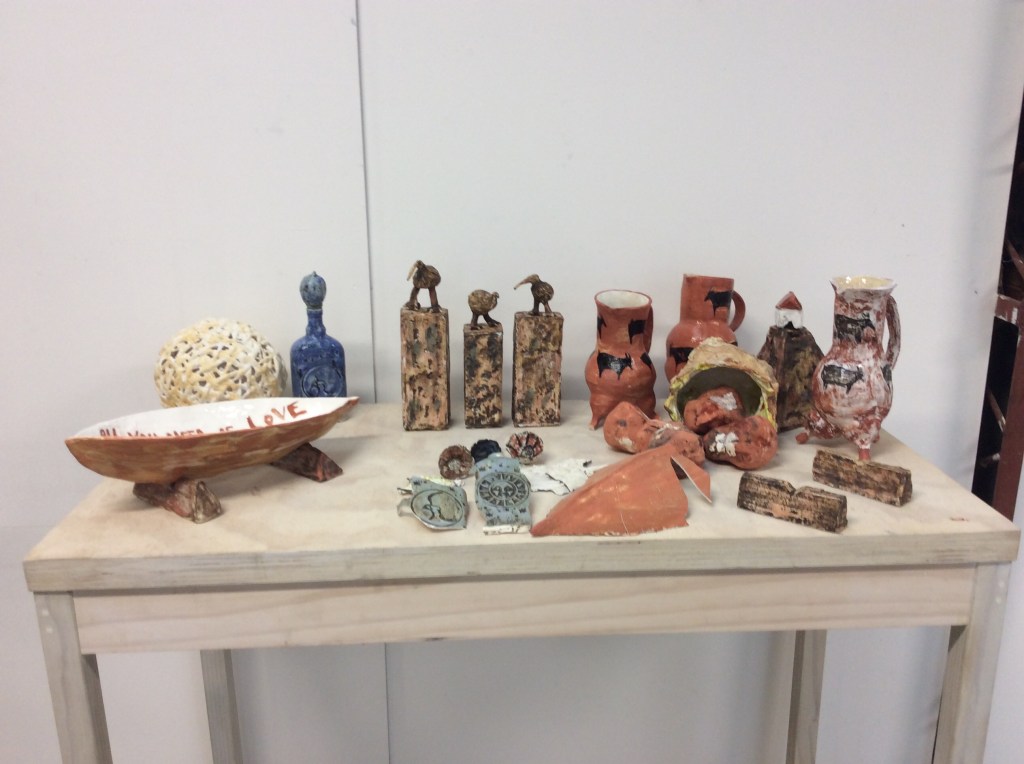
A group of vessels that demonstrate the vessel as a metaphor, or document of our current situation.
Ceramic Manifesto.
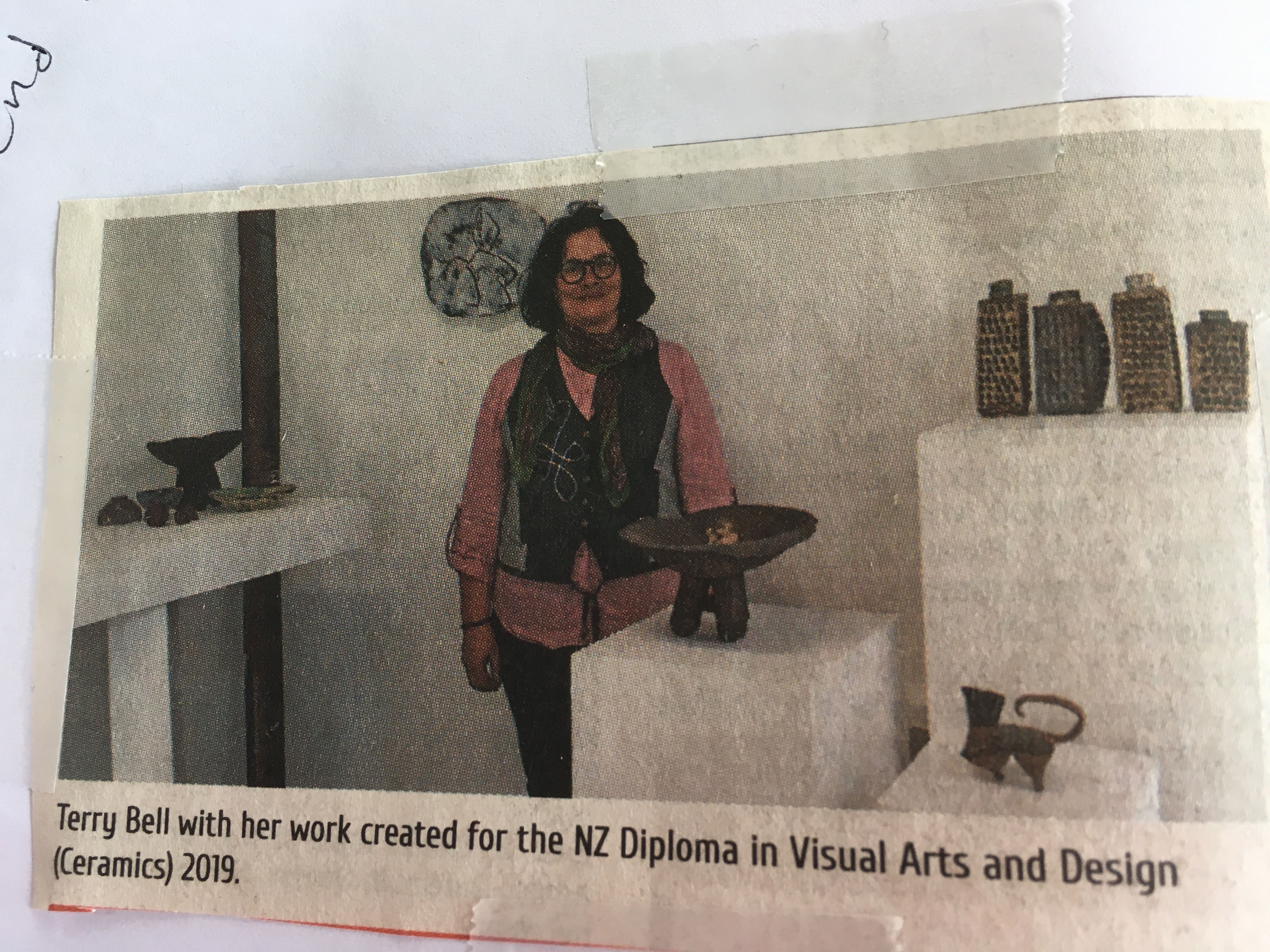
Ko Terry Anita Bell ahau
I look at working clay into an art form.
My work is an expression of my ideas driven by process and affected by the environment, clay, glaze and the firing. I endeavour to convey current local and world concerns in my ceramic work and have impact on the audience.
I use all making methods, regularly combining techniques to create composite shapes of moulded sections with slabbed additions, thrown sections with pinch and coiled additions.
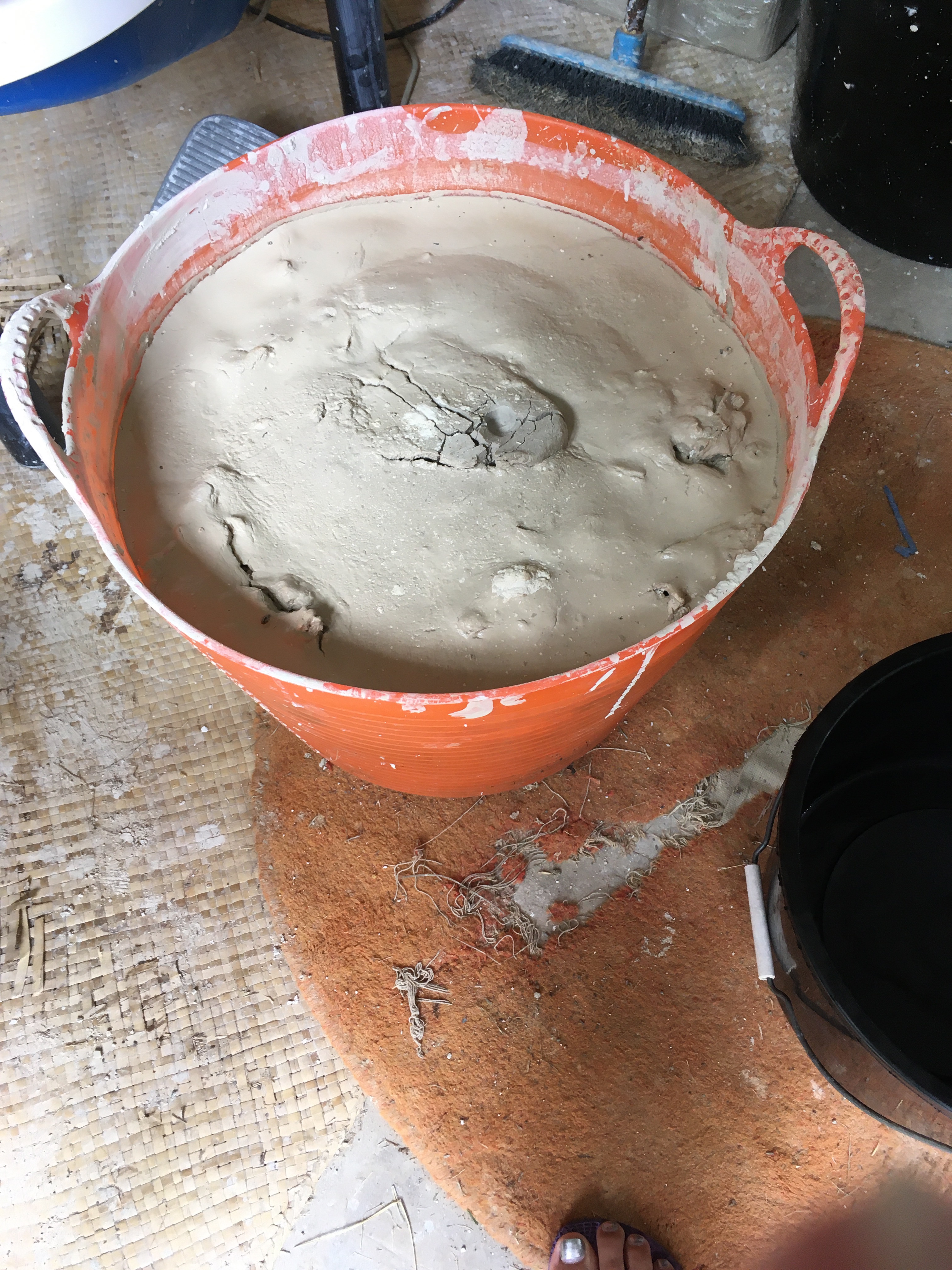
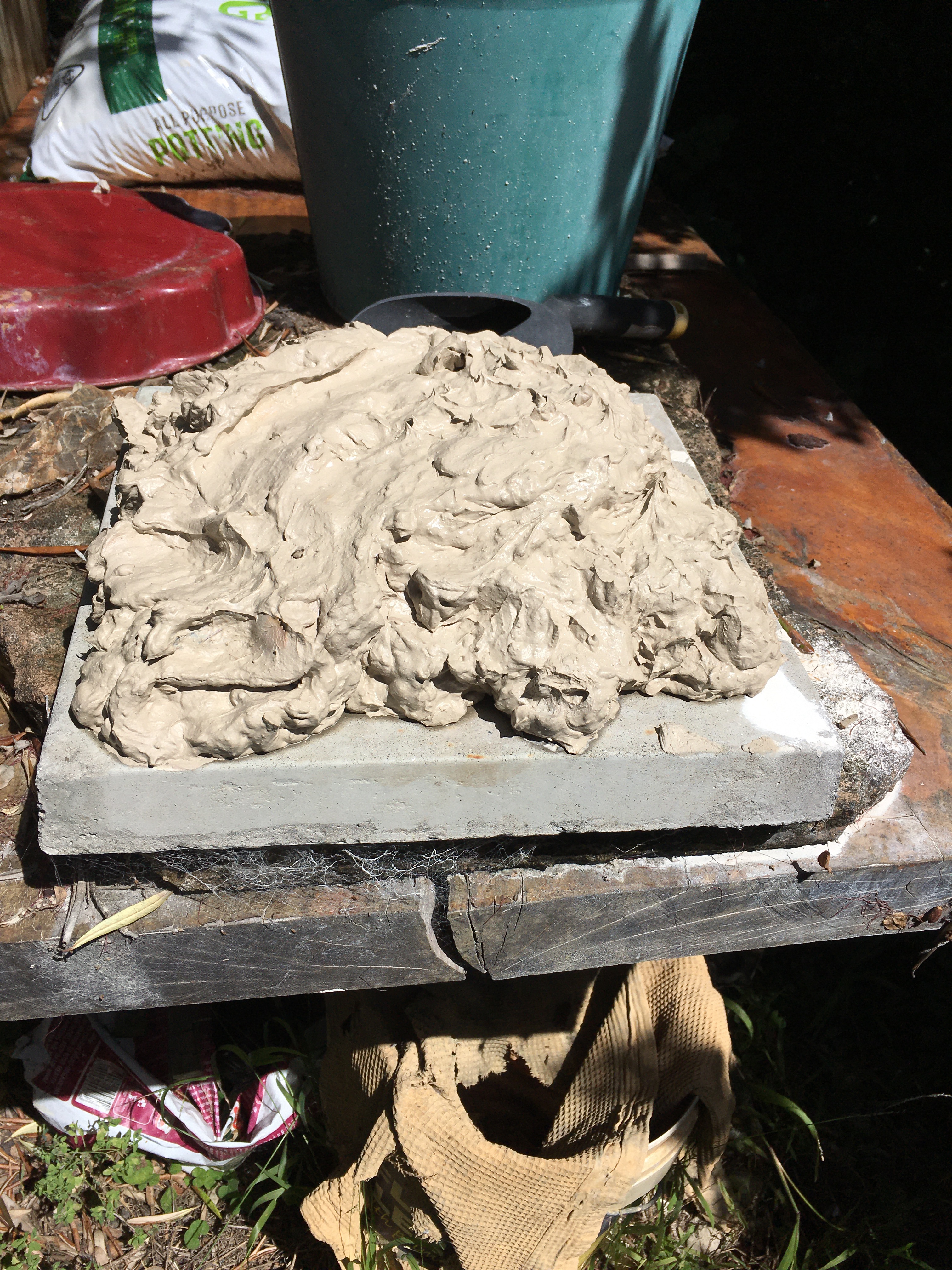
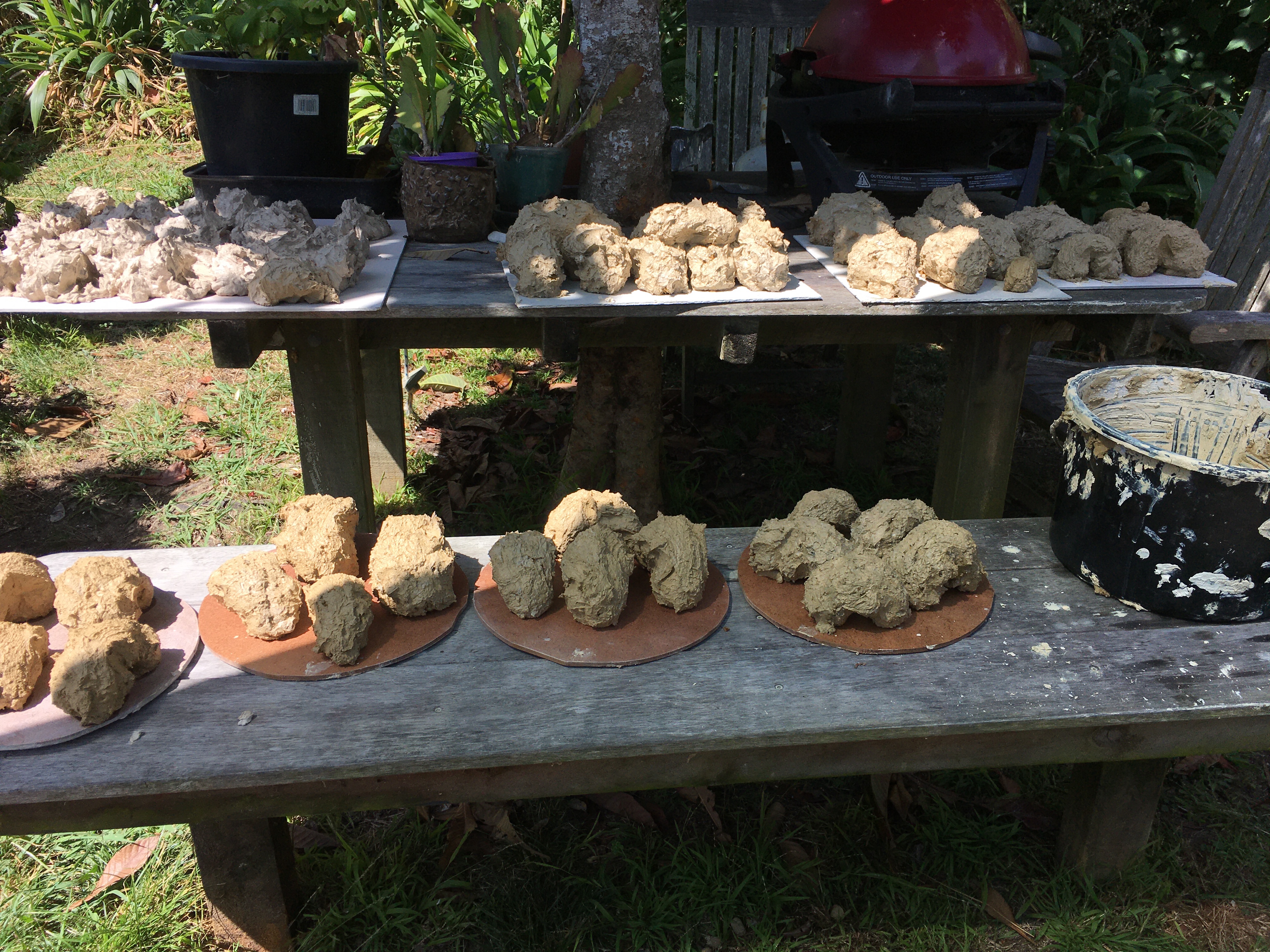
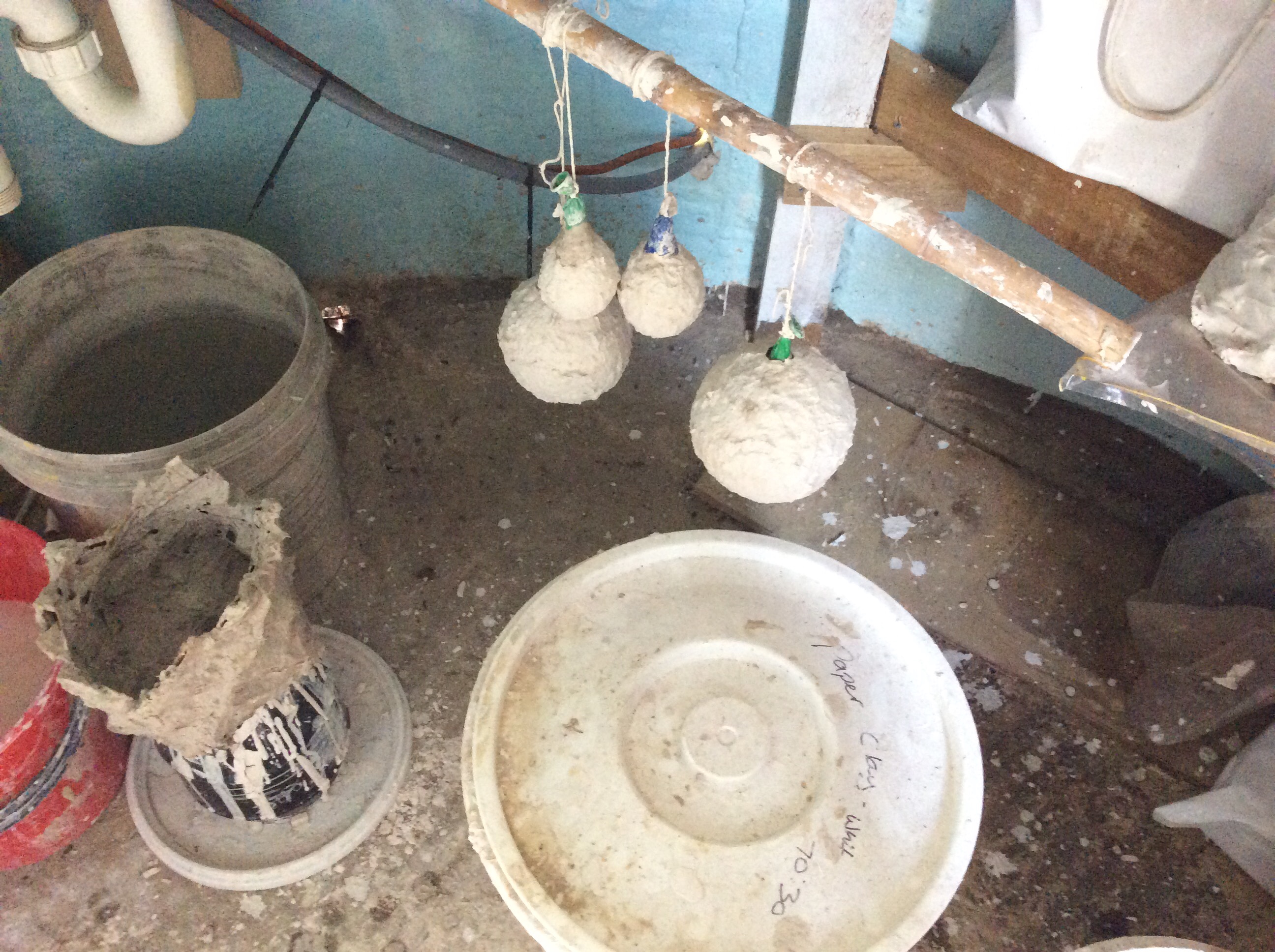
I will use a variety of clays sourced from the backyard, potters supplies and my homemade paper clay.
Inspiration for form and pattern is drawn from many sources, especially the environment. The view from my house and shed windows which look over garden and a tidal watercourse has the most persisting influence, everchanging with the tides, a rich palette of colour and shape.
I am extremely happy to have found clay and I’m continually excited by the processes of working with it.
It conveys the feelings and it allows my creativity to become manifest.
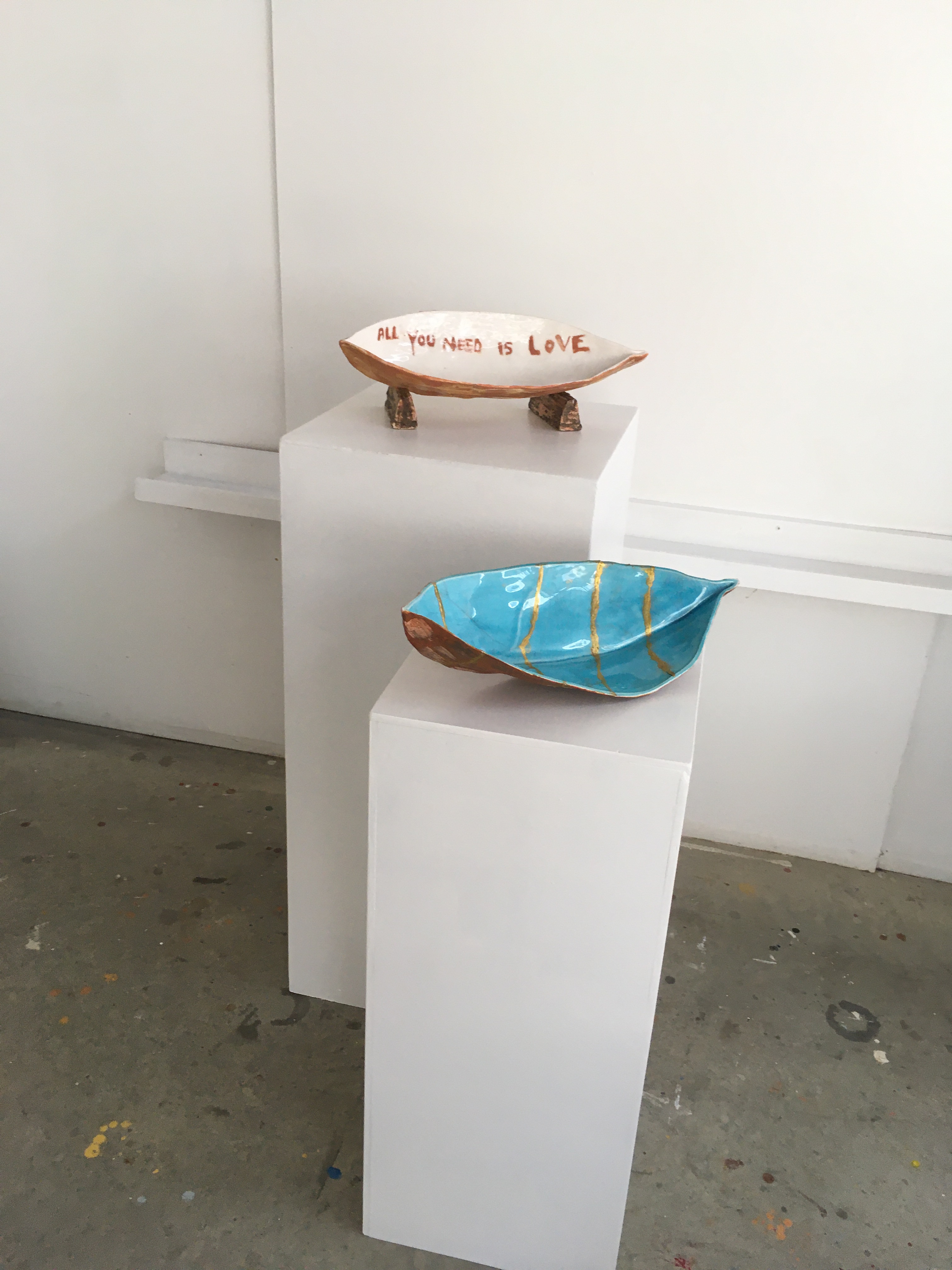
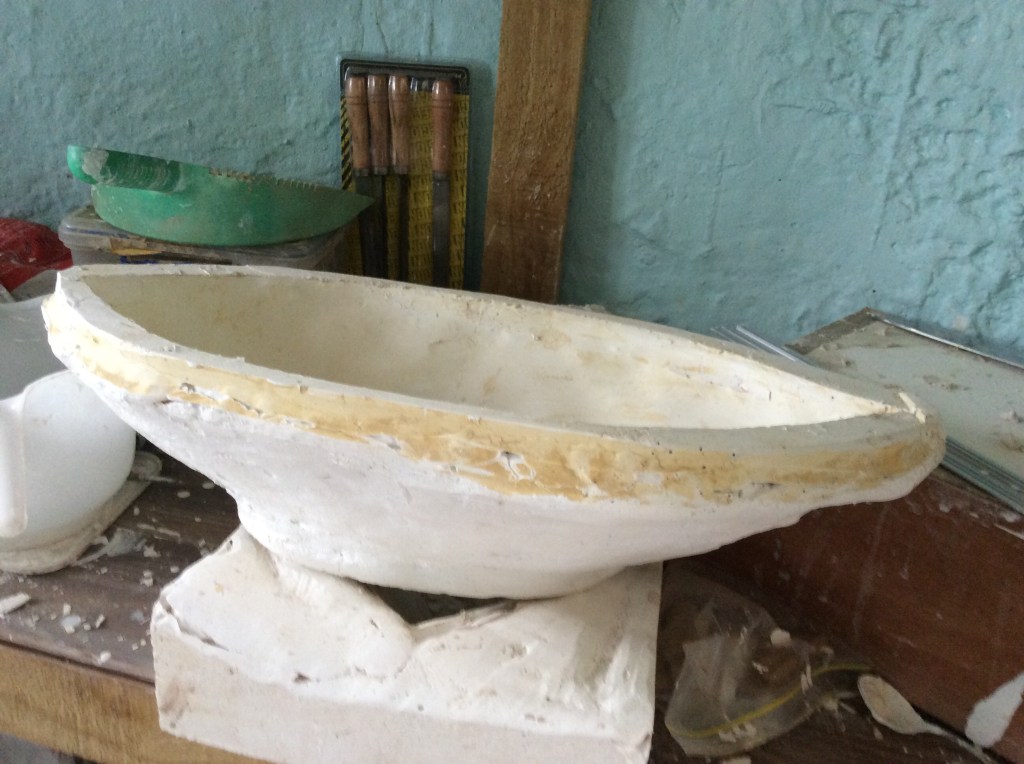
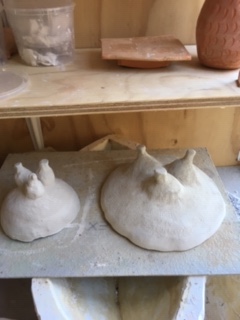
I have used a seed pod mould made at Brendon Adams studio to make my Waka .
Waka mould
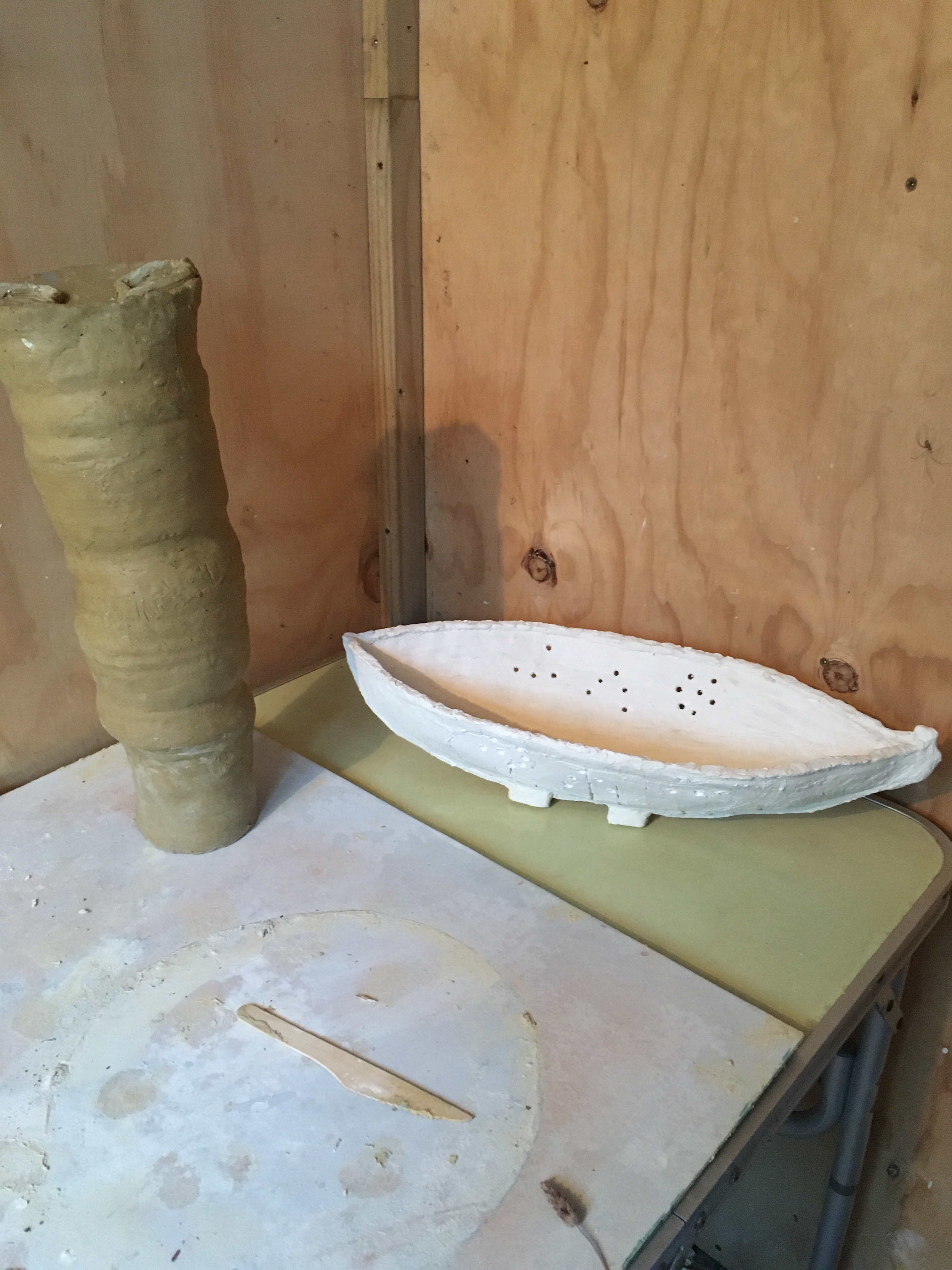
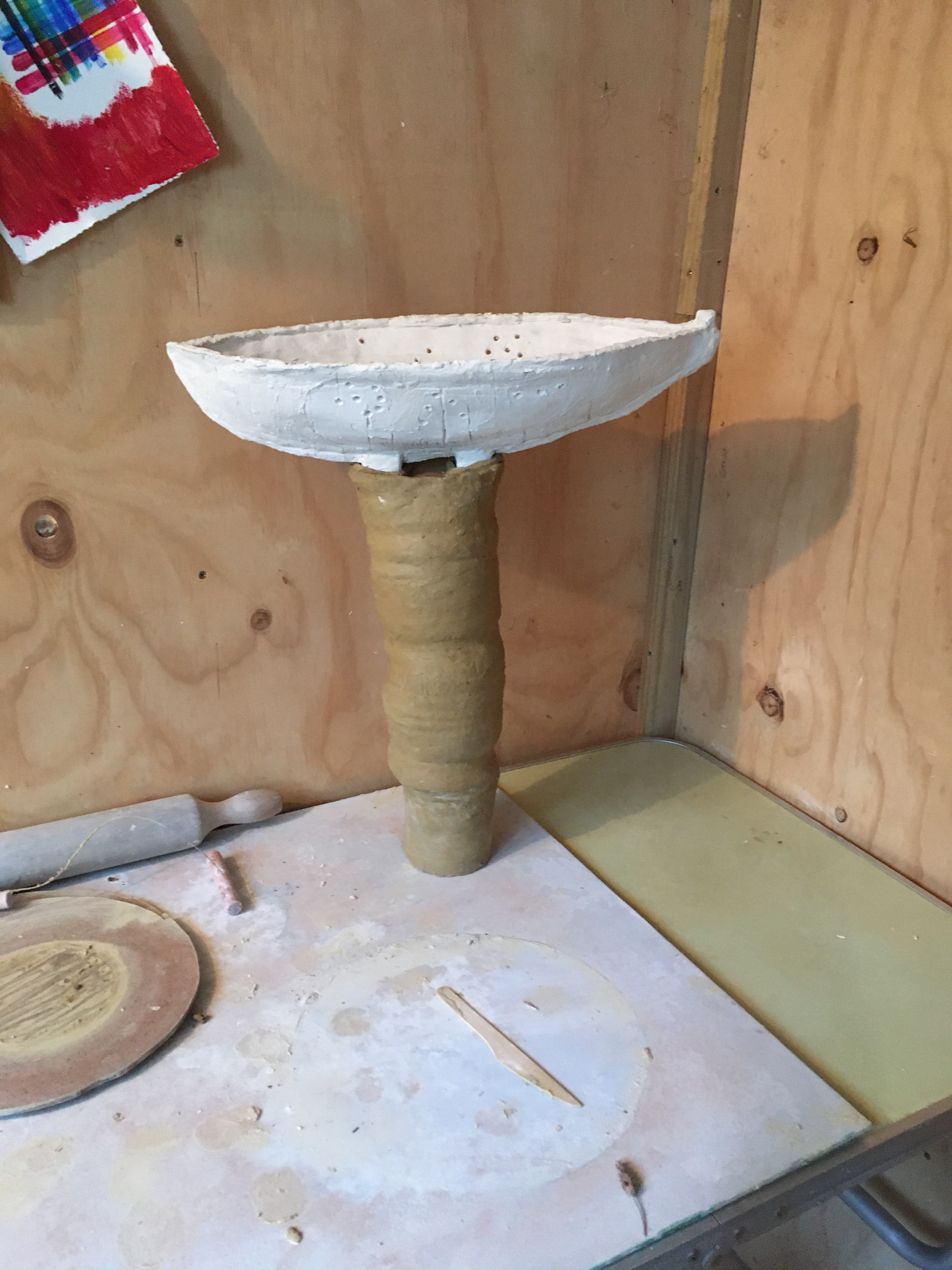
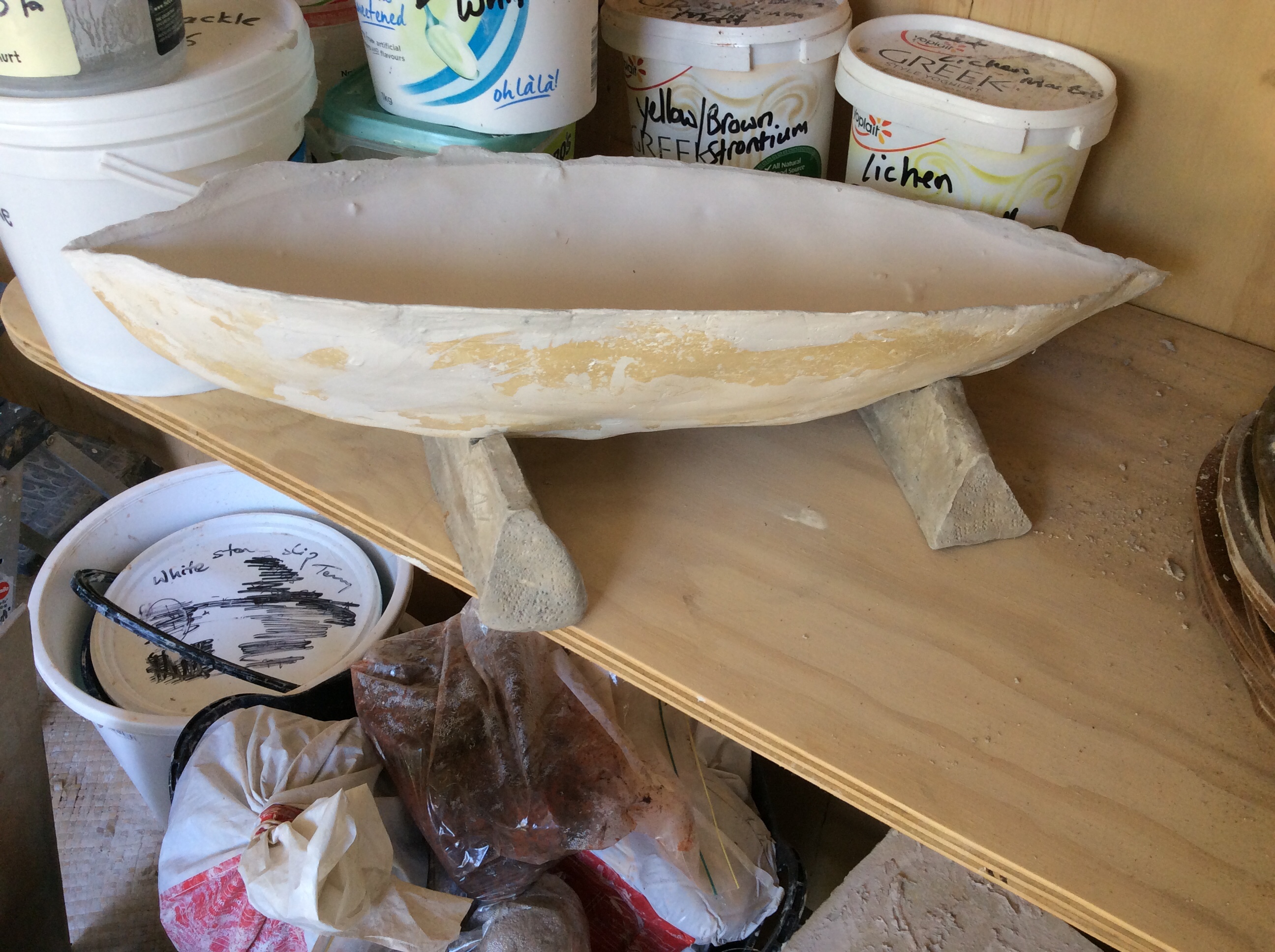
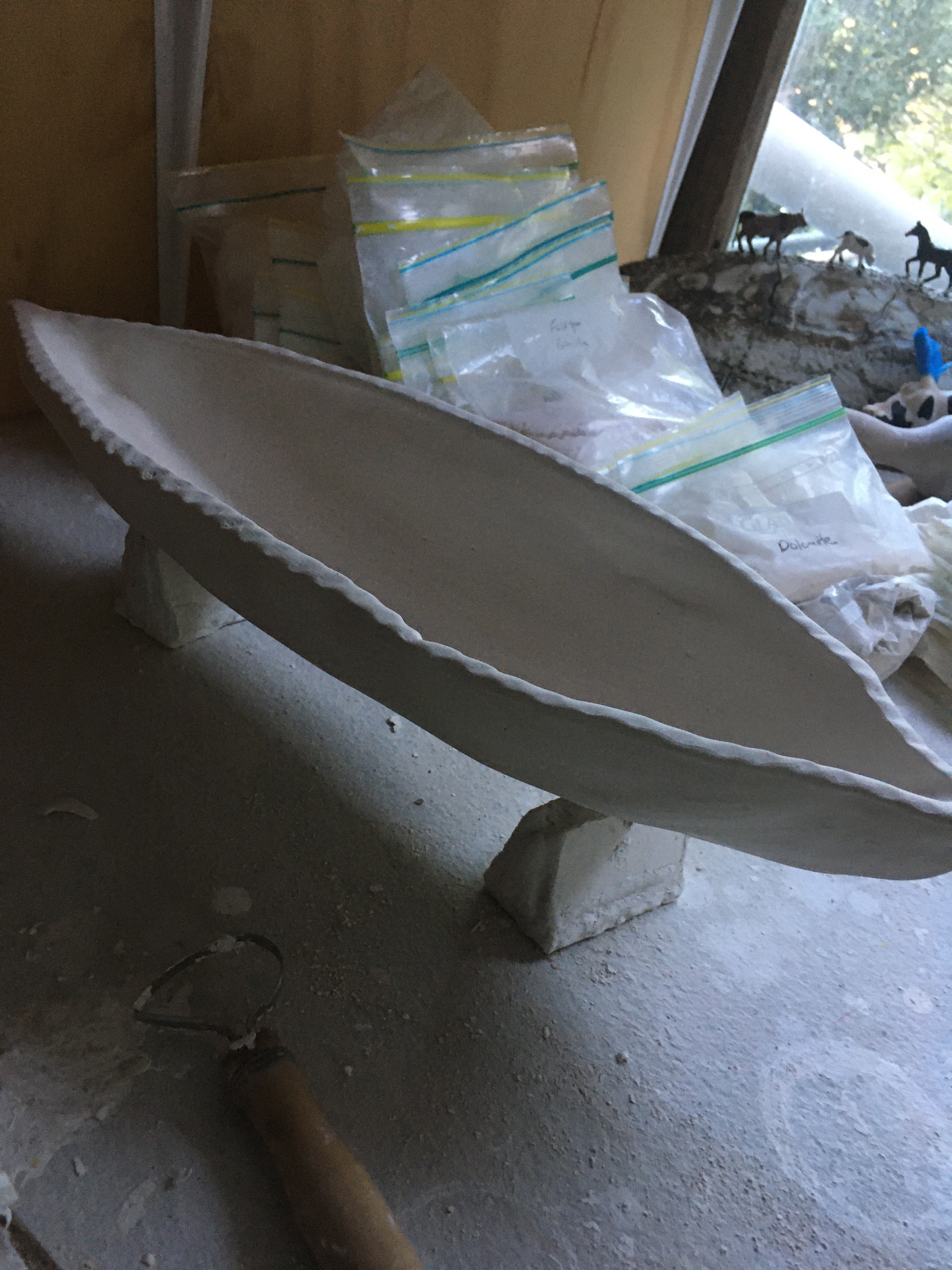
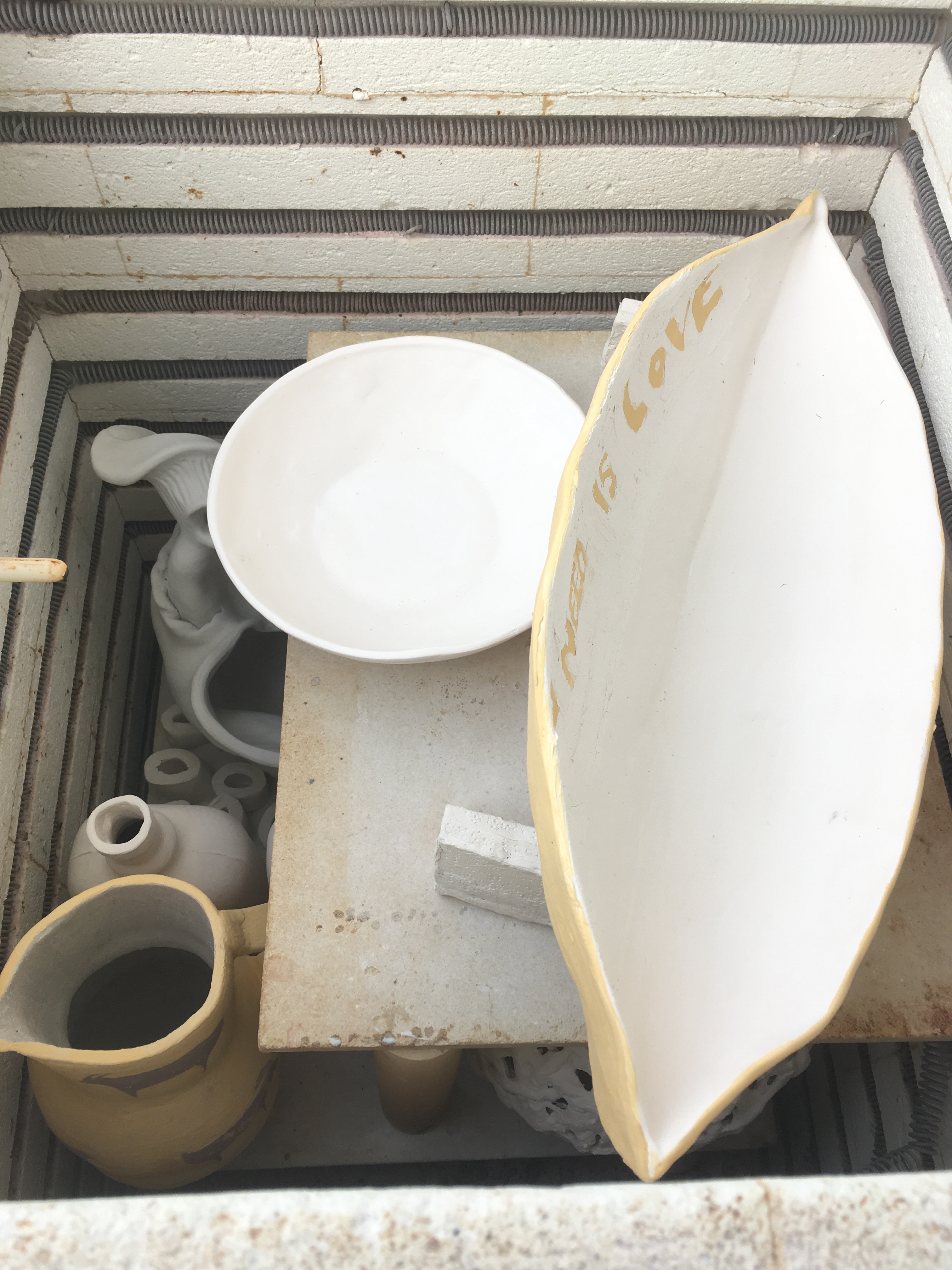
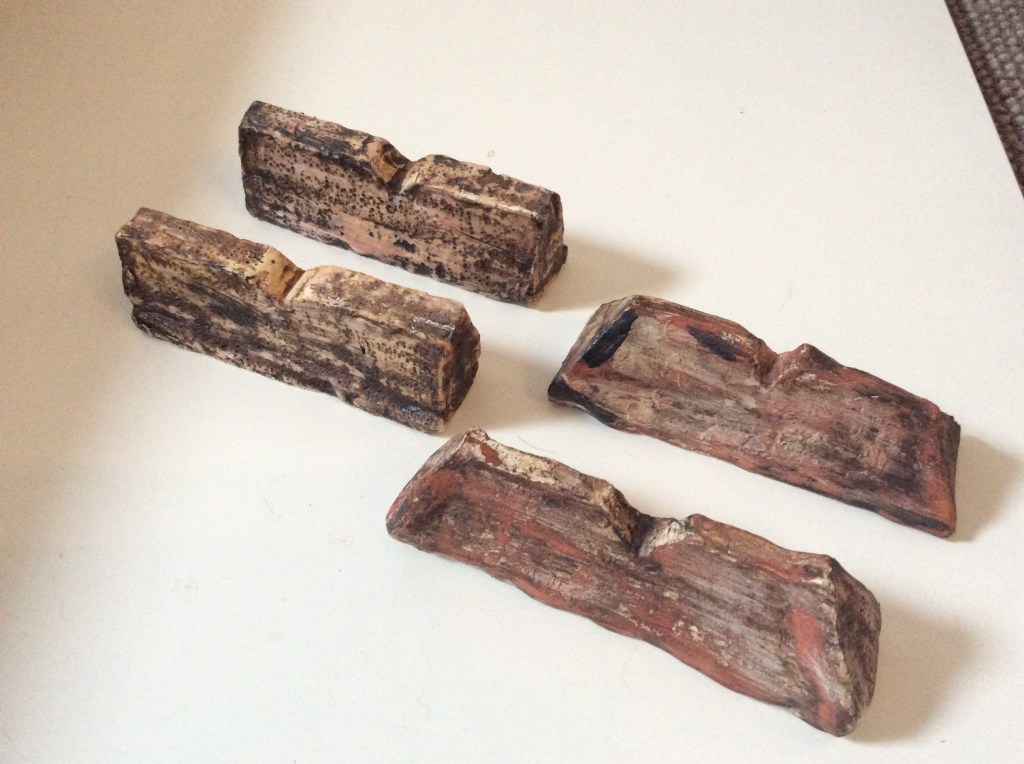
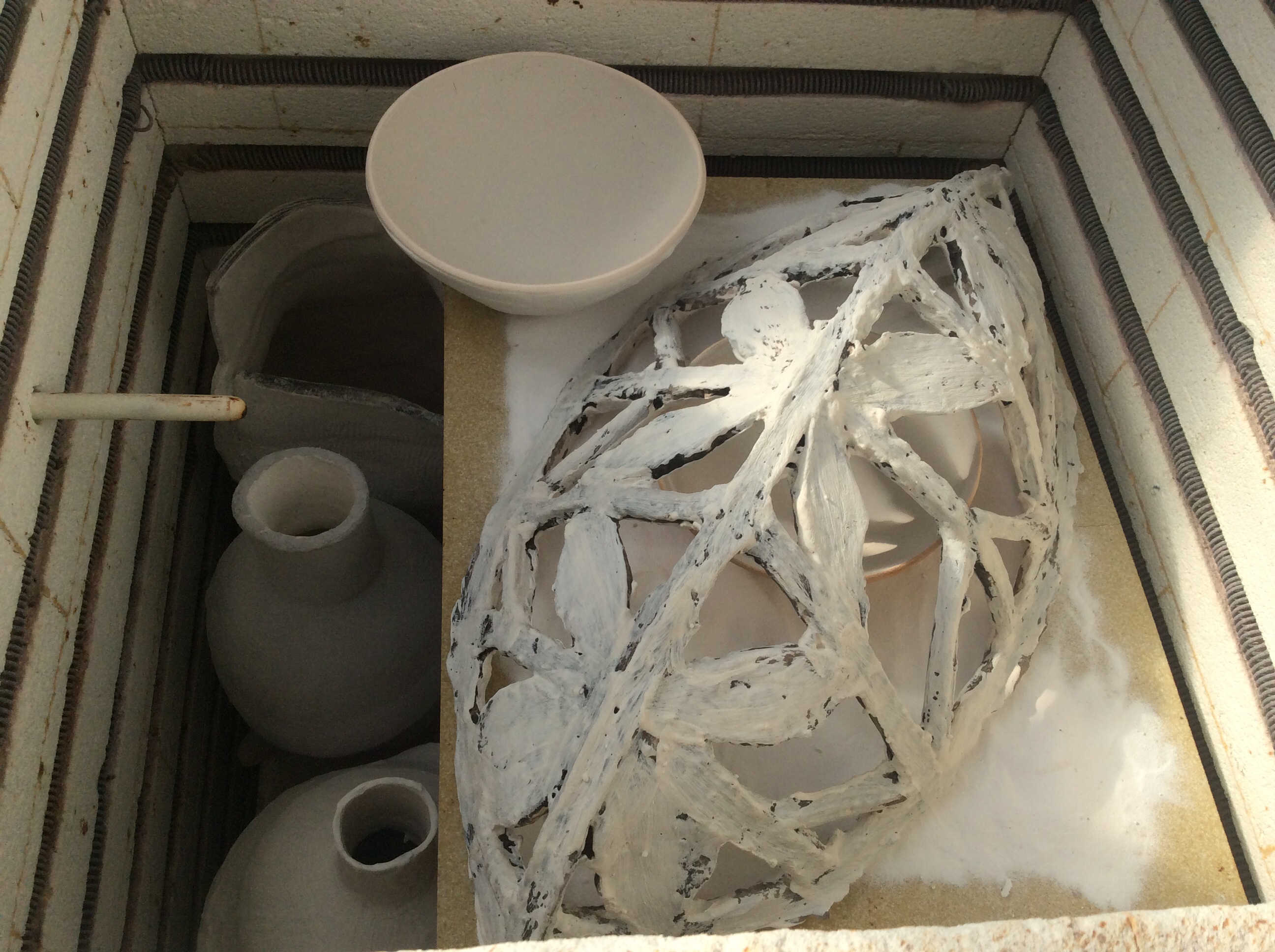
To demonstrate our current situation of containment. I have made 2 plinths out of cut paper clay to hold the Waka up . The plinths are to look like stone so I will use oxide and an ash glaze . The Waka has been made from porcelain slip so expect to use a clear glaze on the inside and a Matt glaze on the outside. ‘High and dry’ is the name for this Waka and will convey to the viewer the time of pause and containment. ( containment can be defined as keeping something harmful under control or within limits).
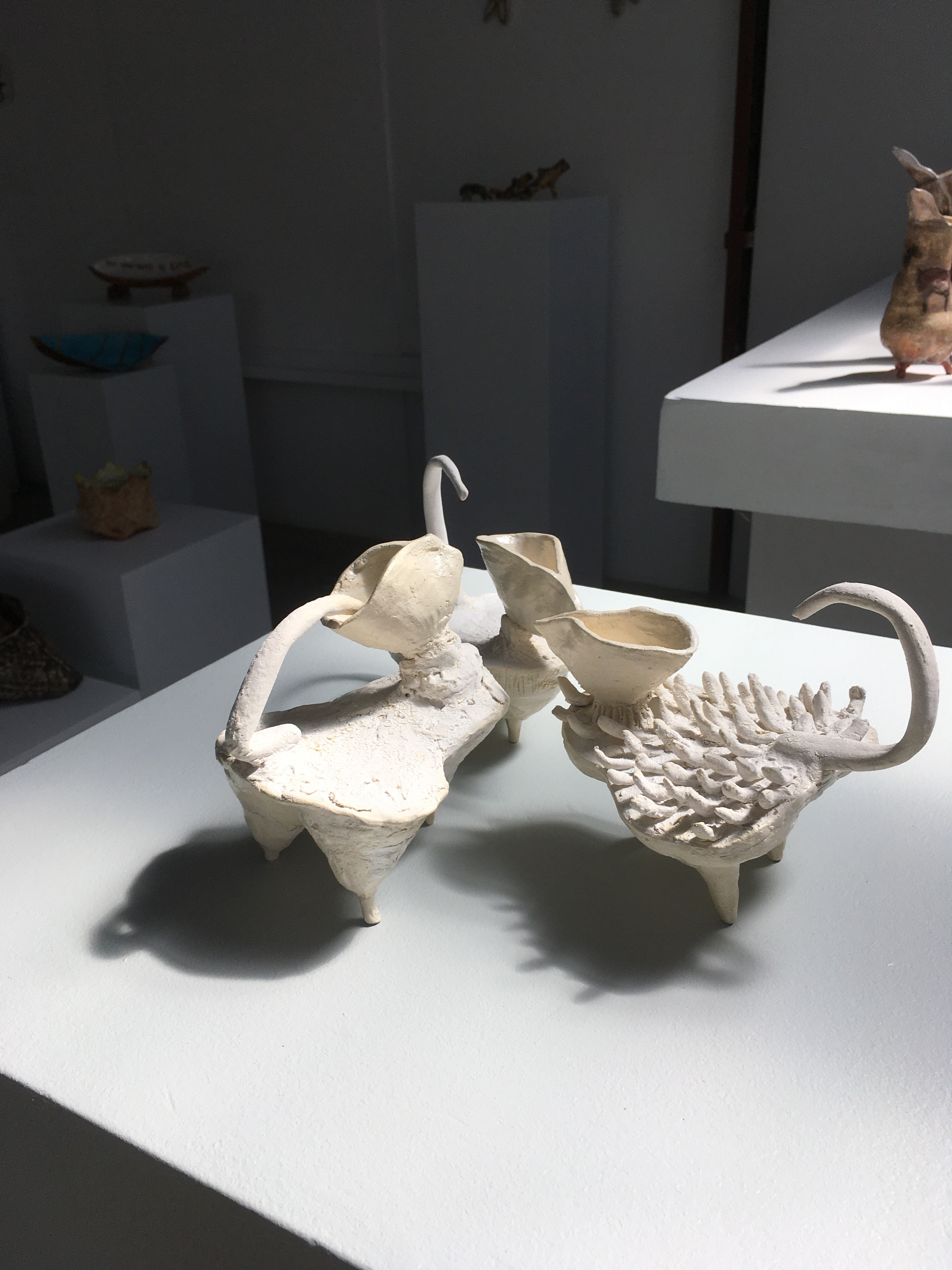
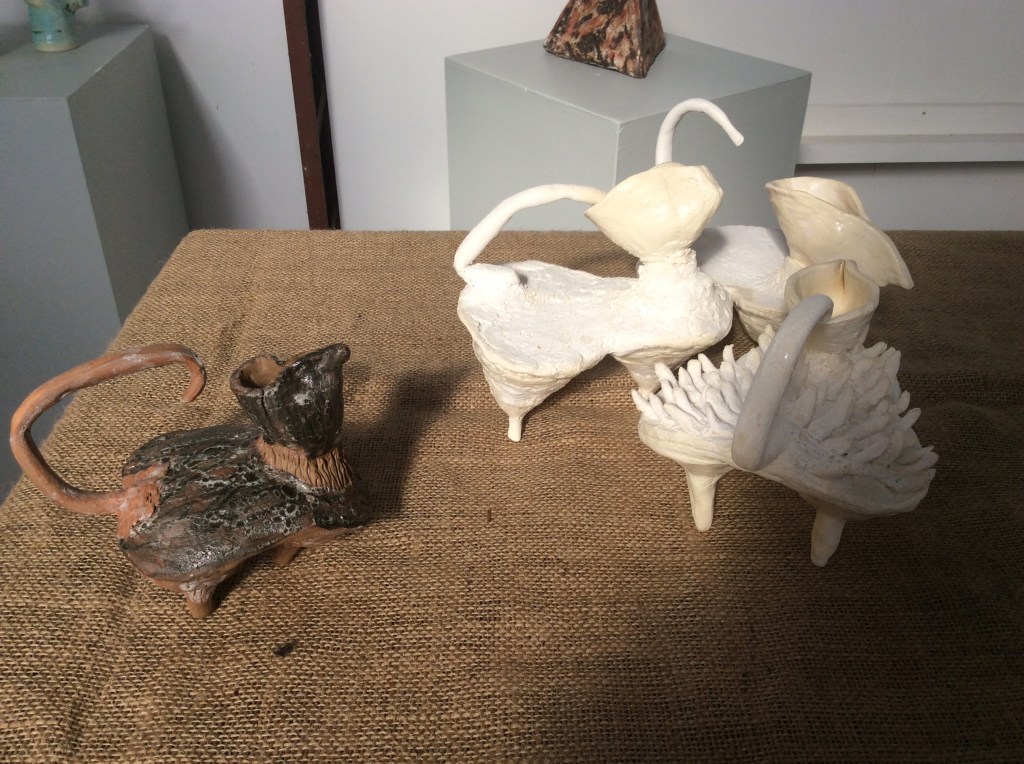
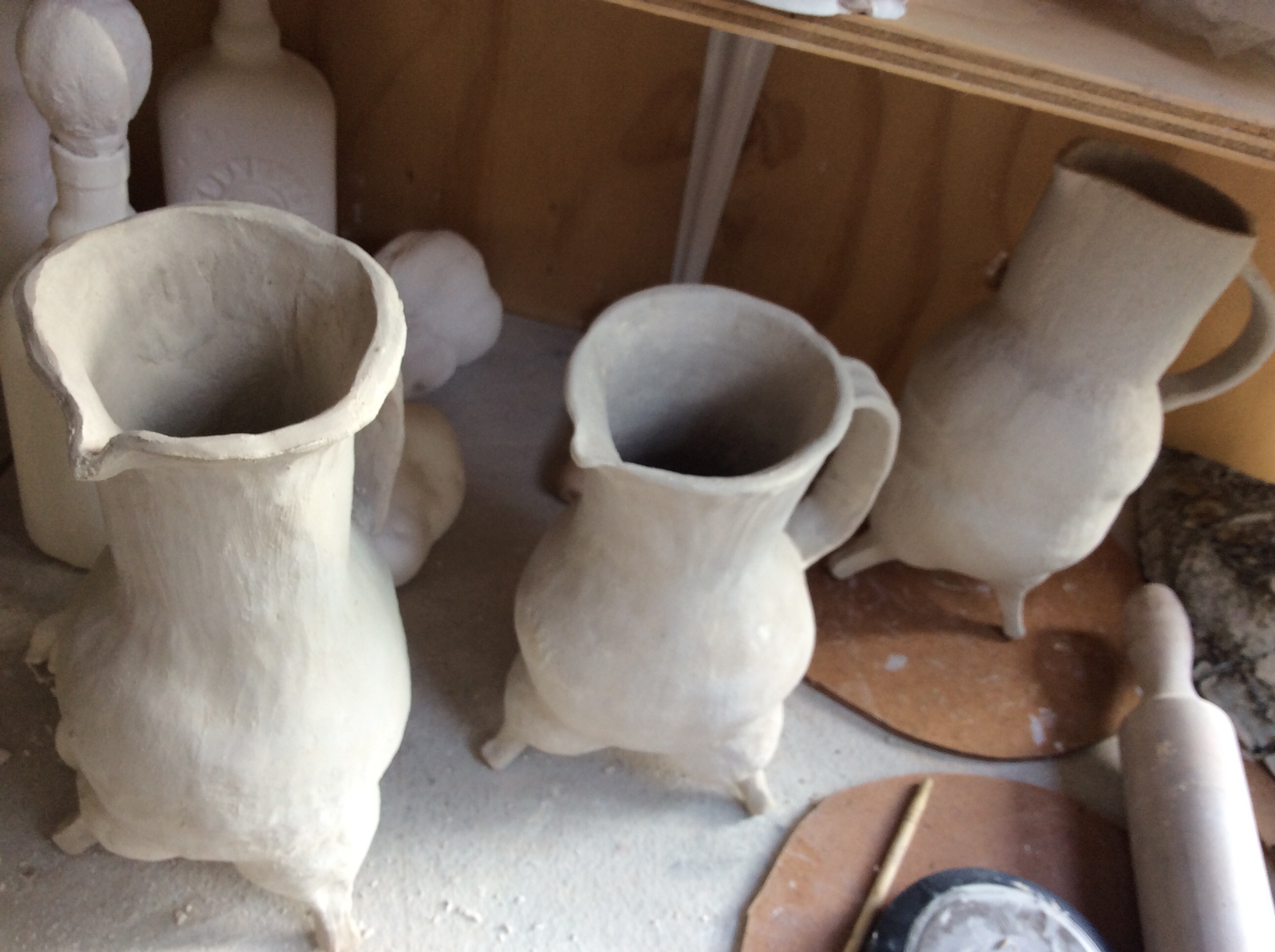
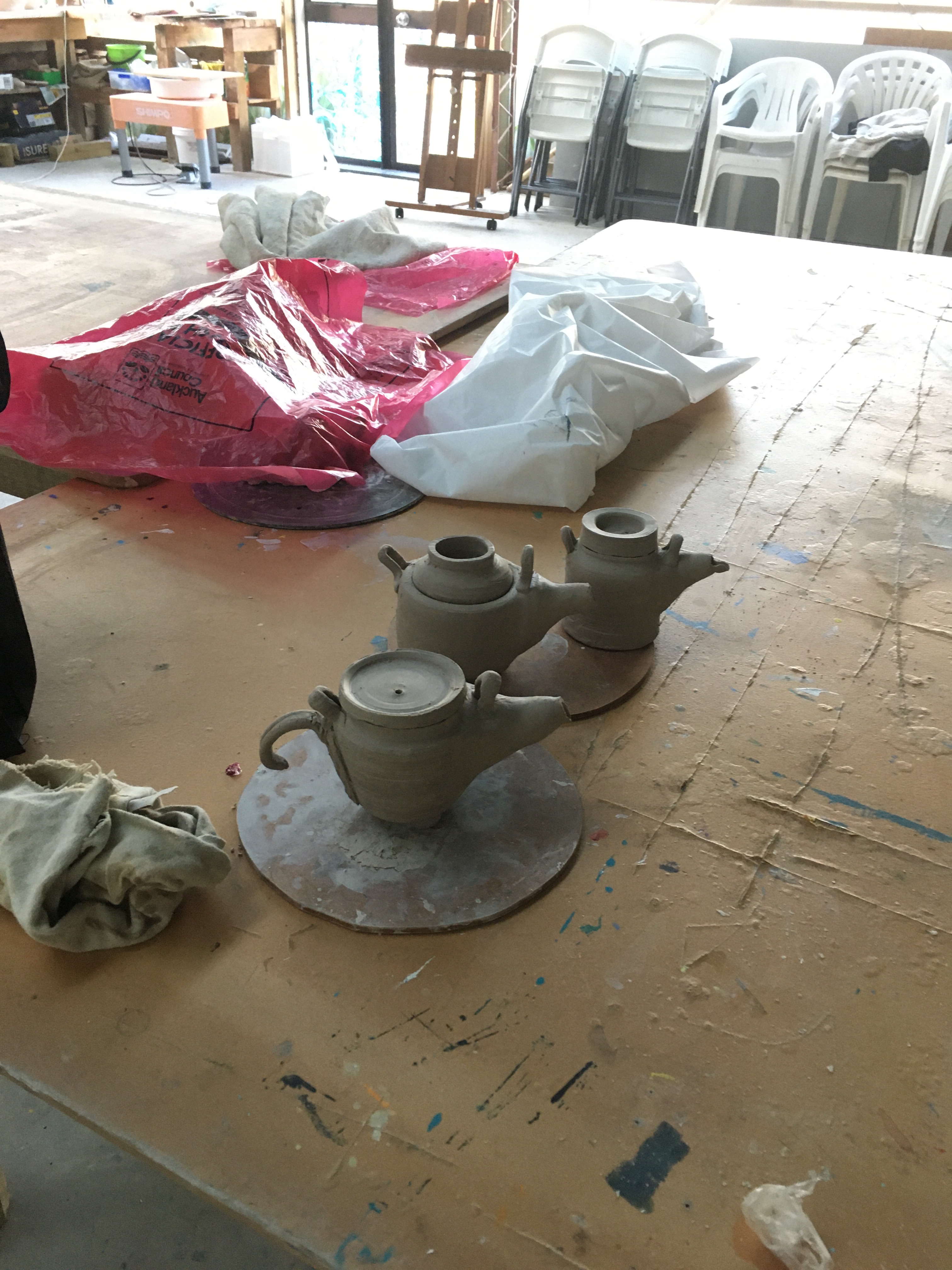
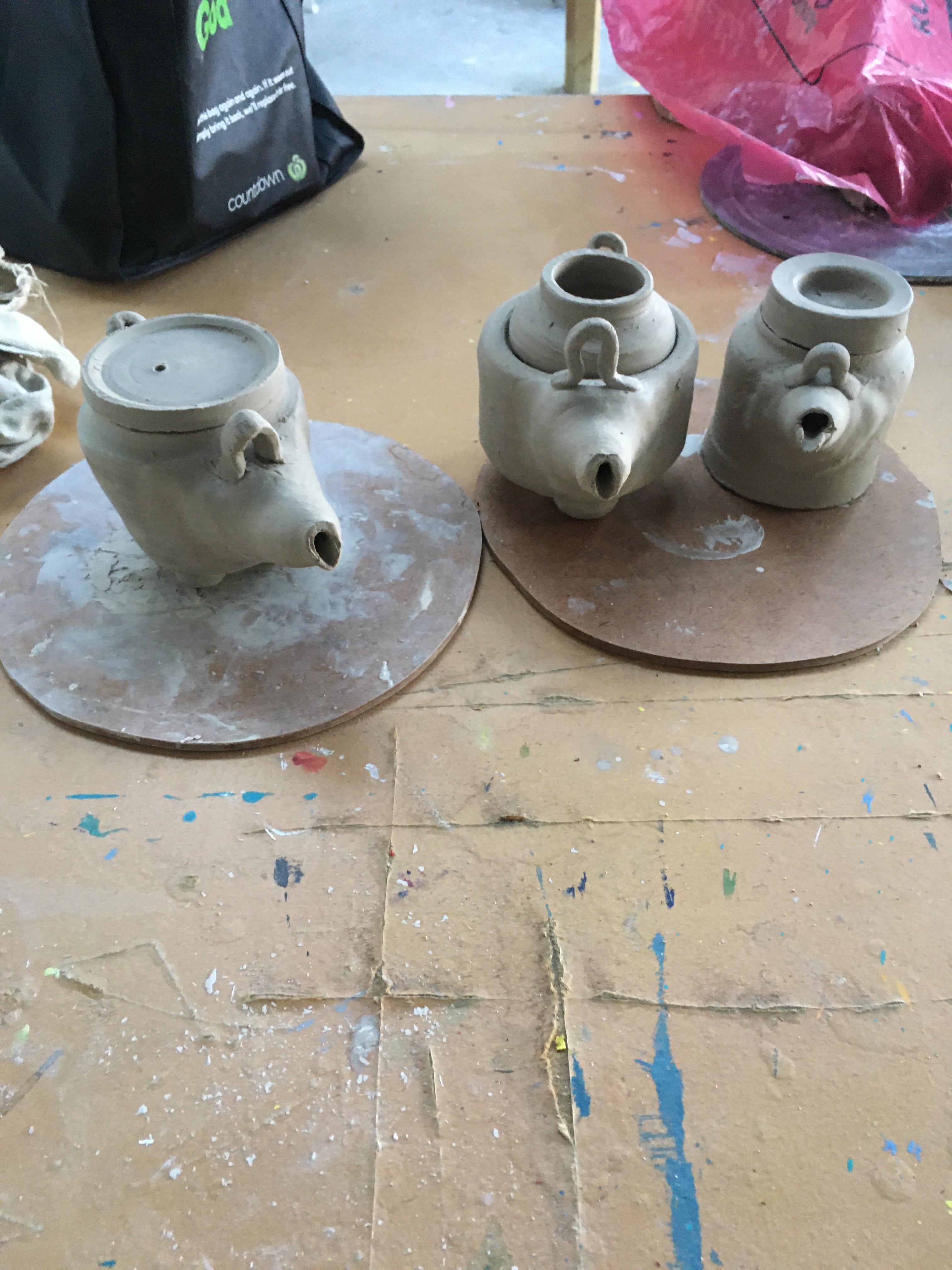
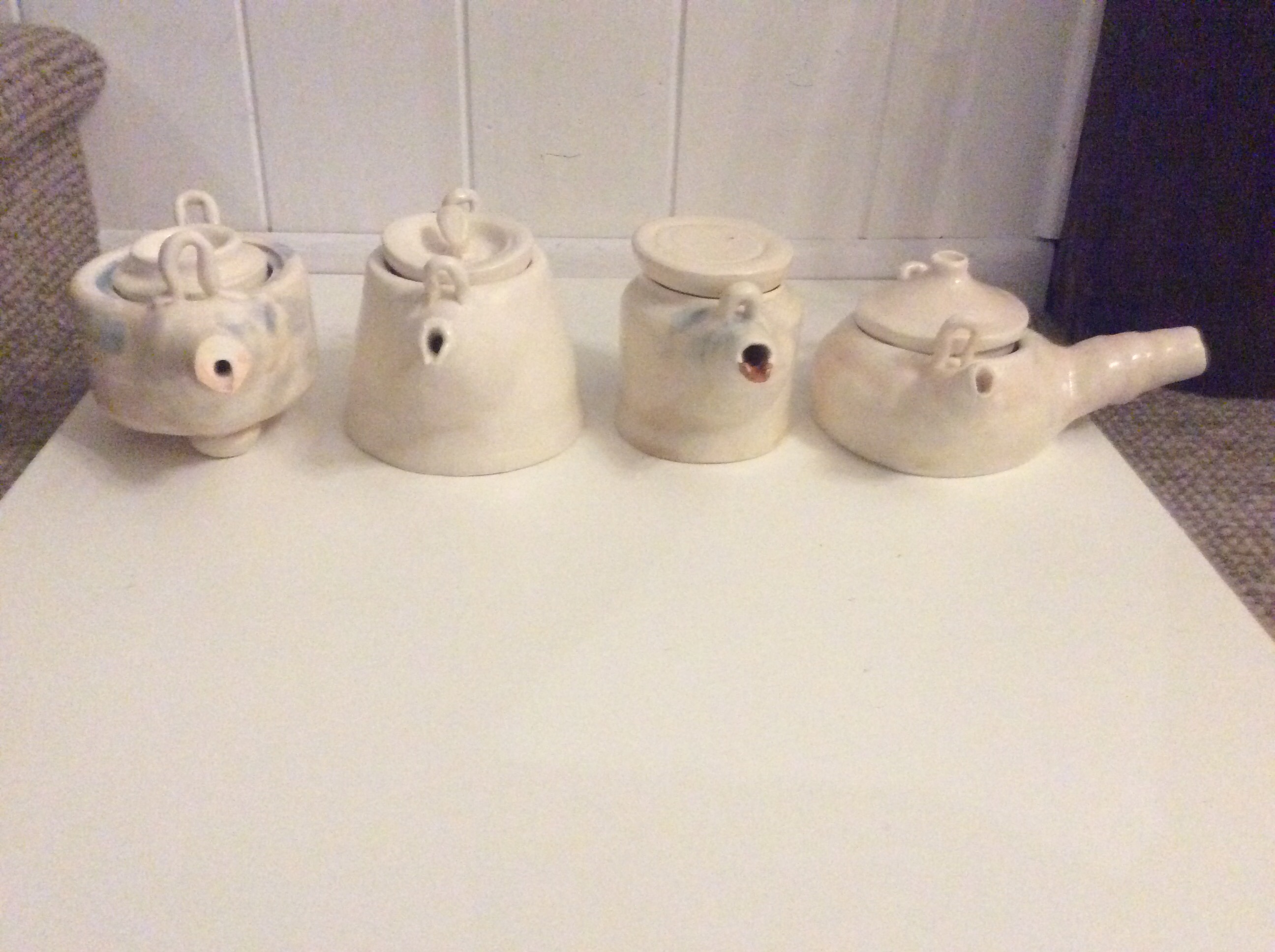
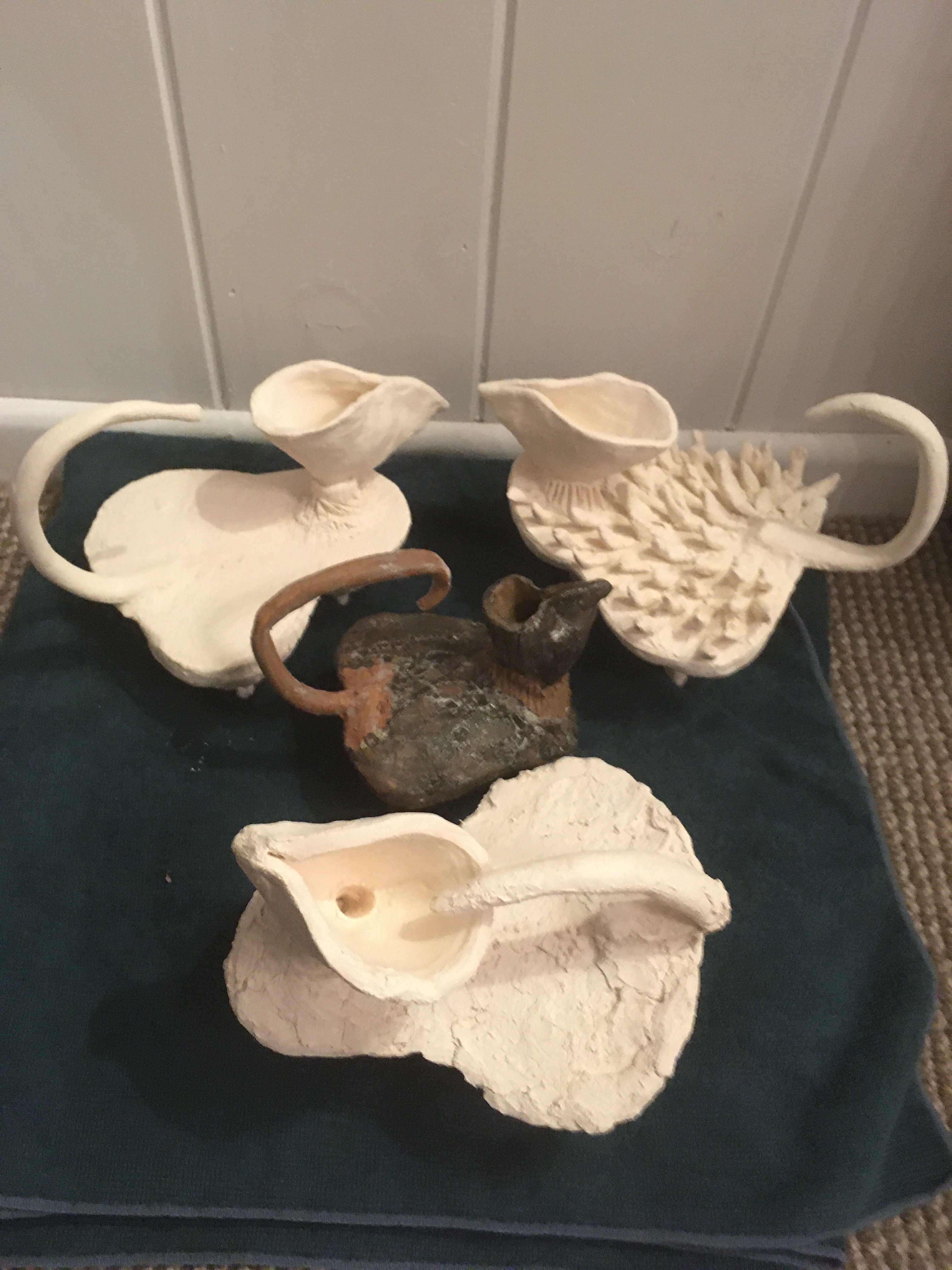
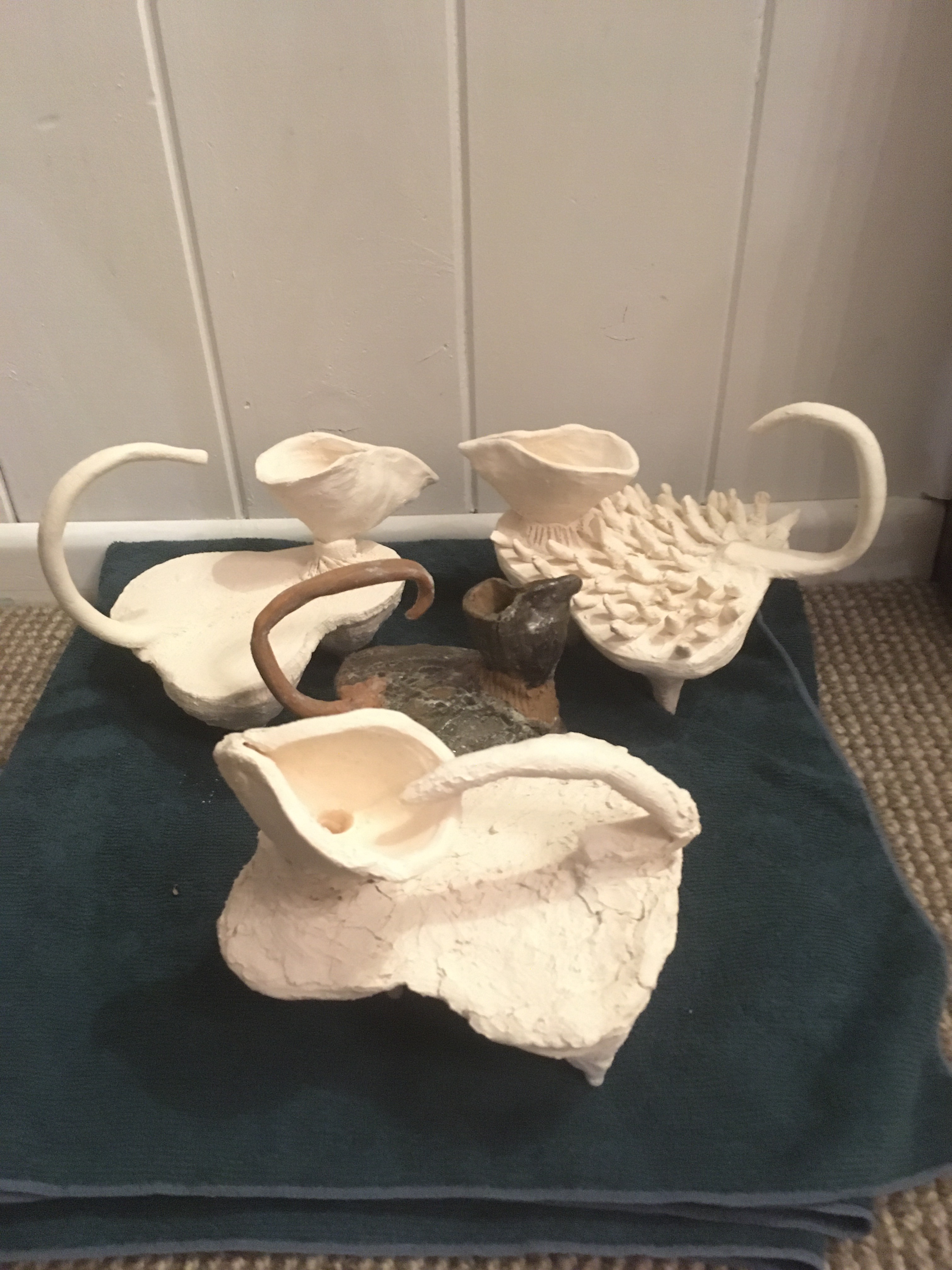
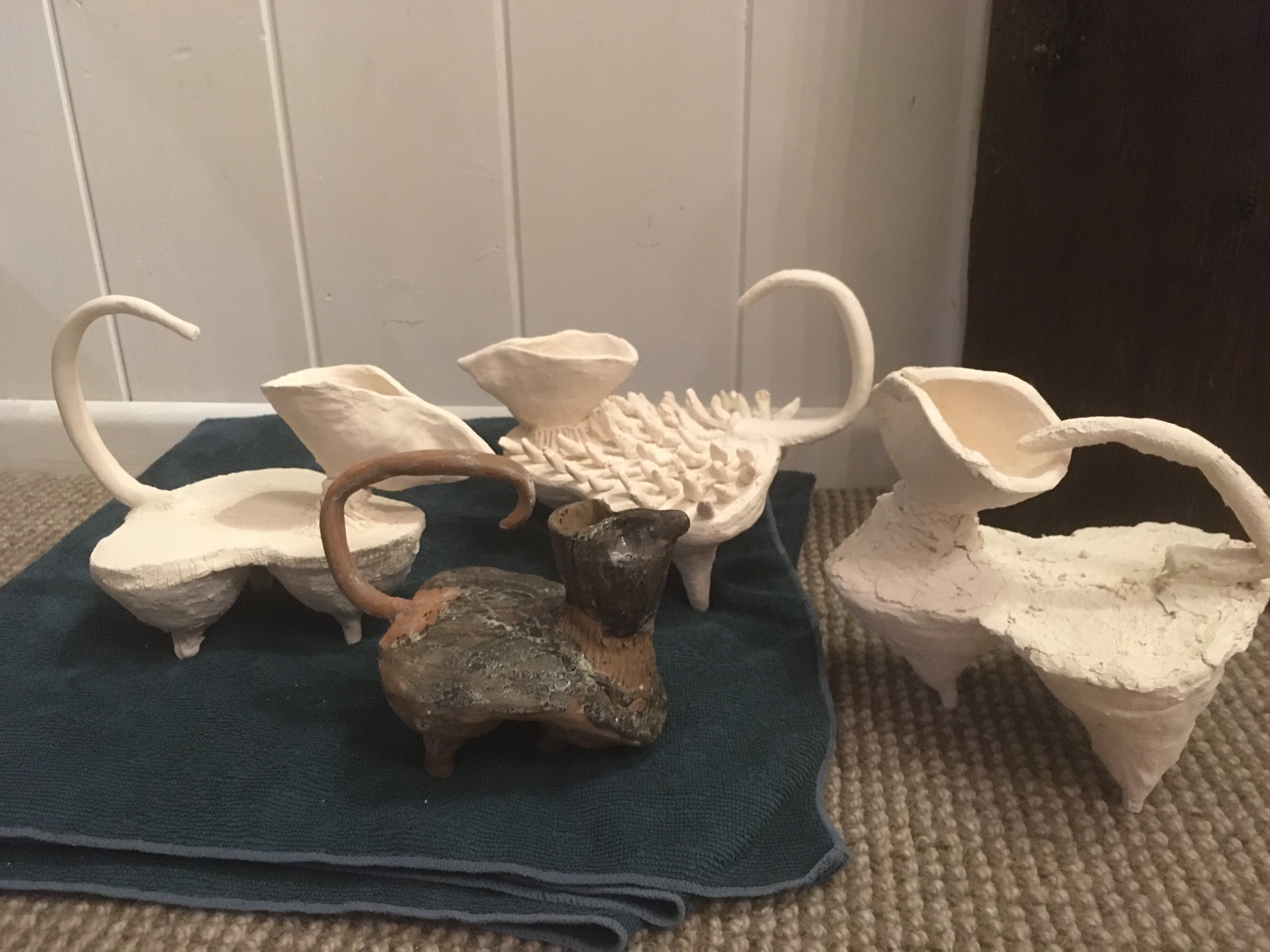
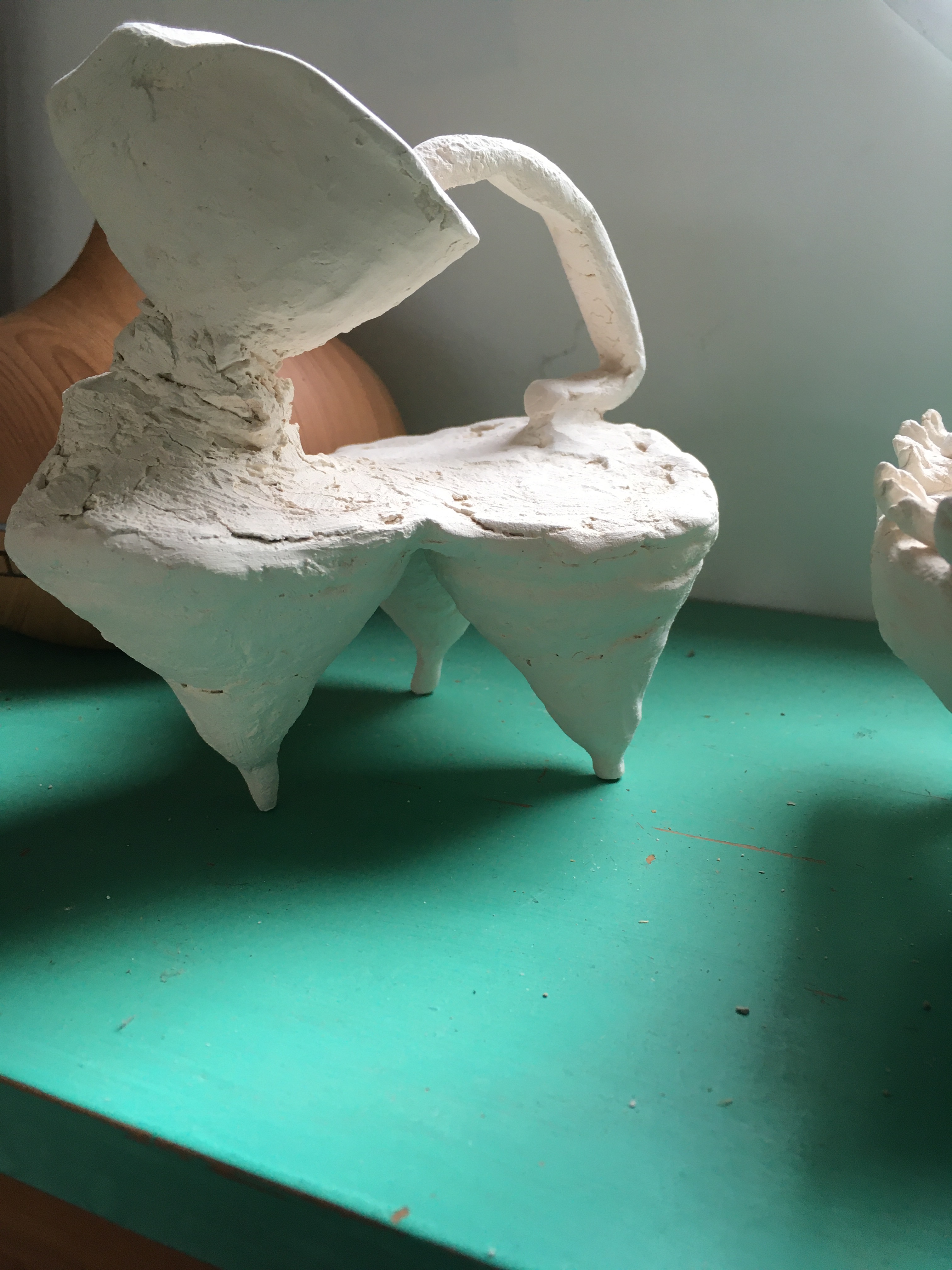
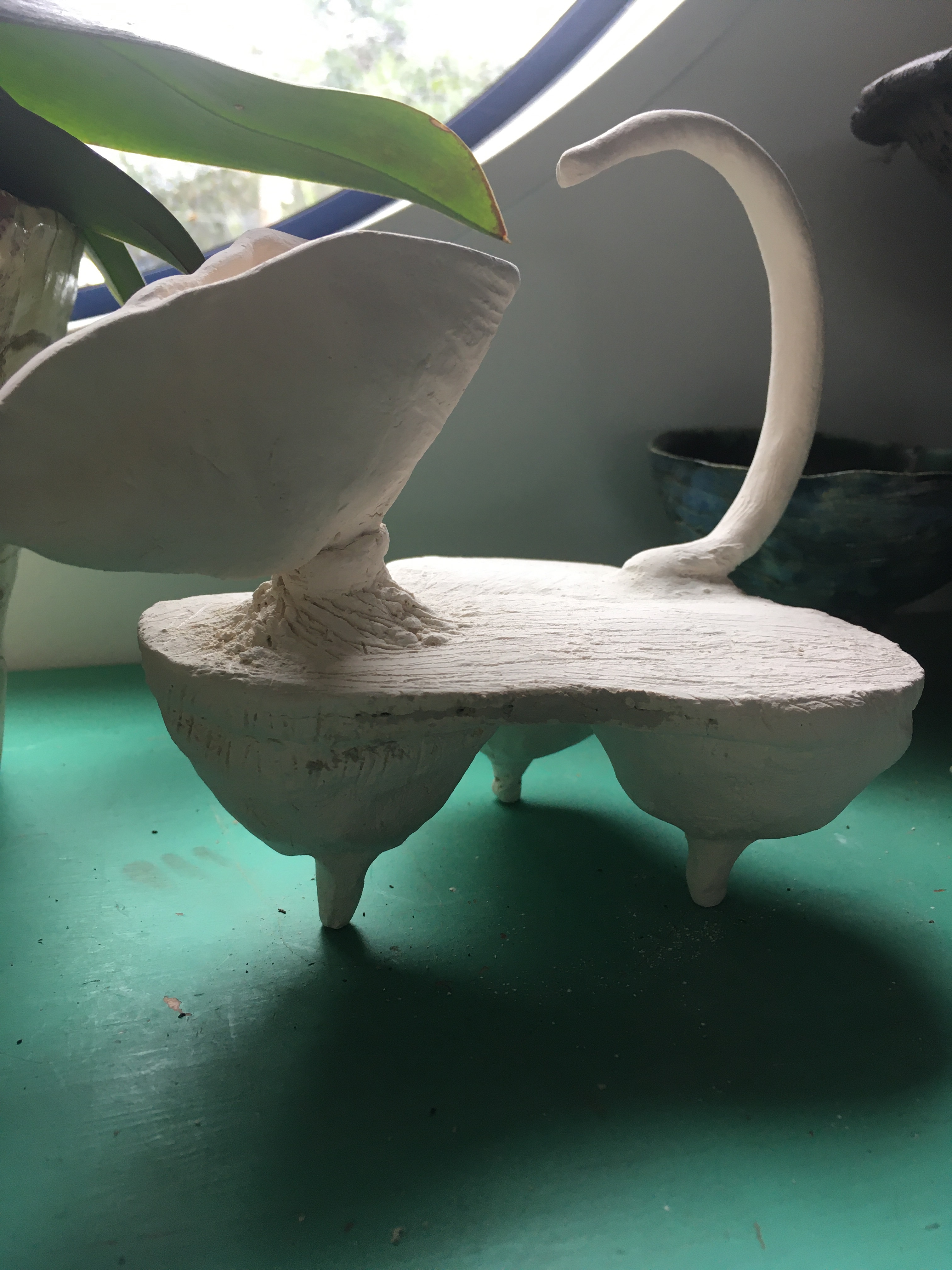
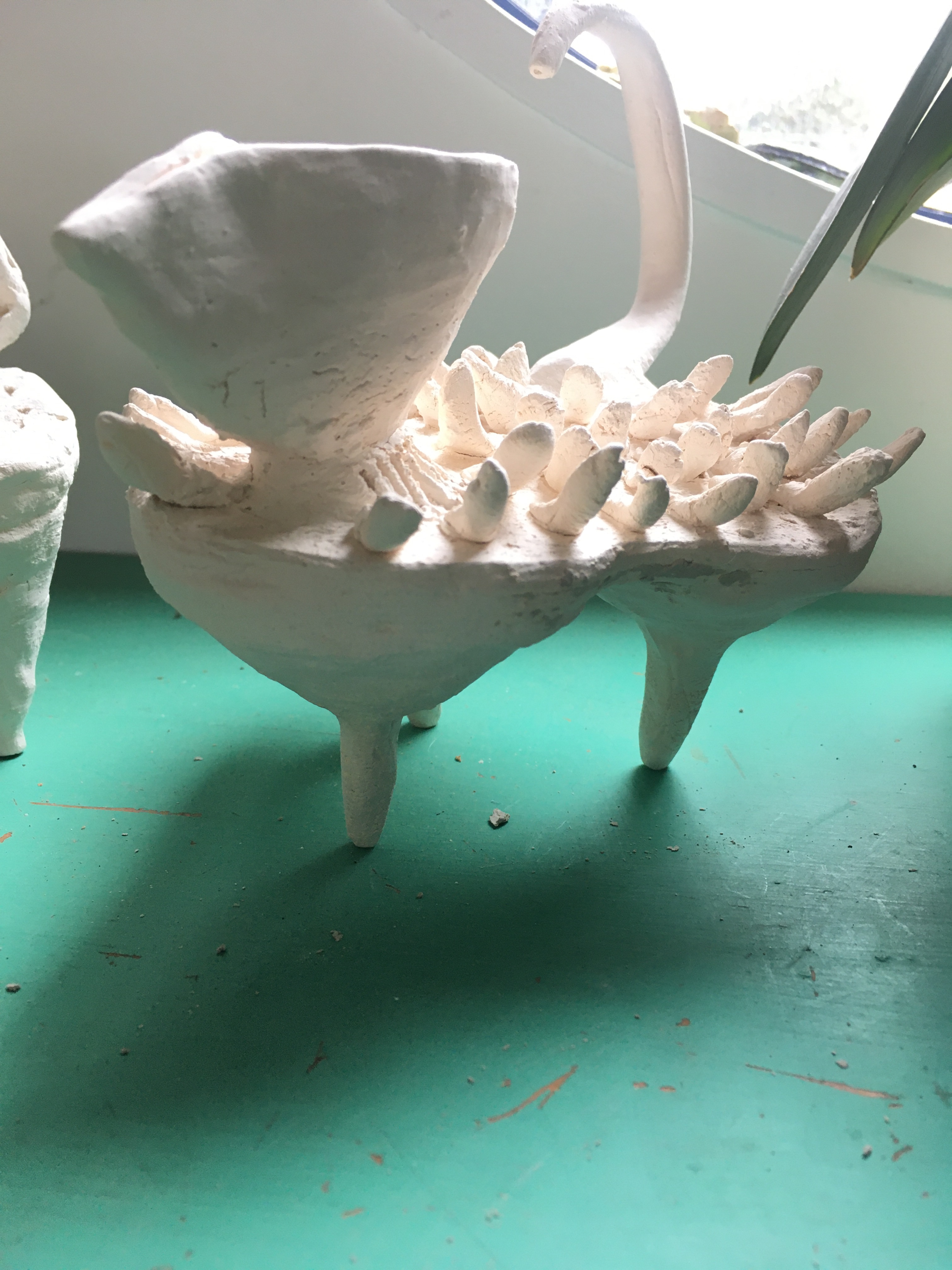
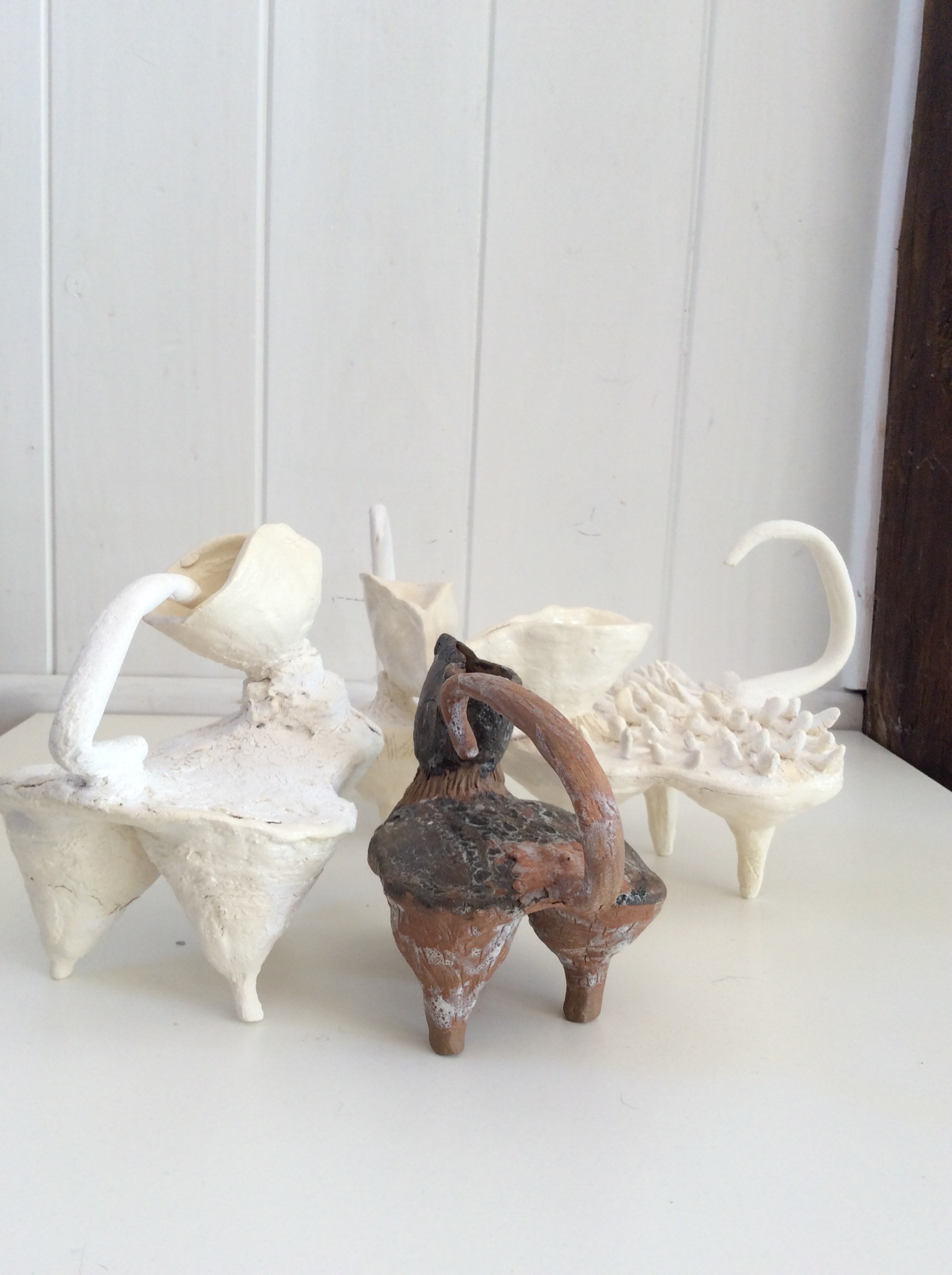
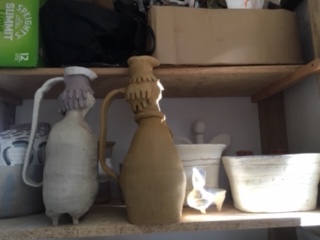
The ‘carrier’ or the three jugs have been created out of composite shapes made in a bowl shaped mould, pinch legs and slab additions with a coiled handle. They have been made out of Whitestone clay. They have been made to complete my last project made with 3 legs. The legs here can also be viewed as the protein spikes on the covid 19 virus cell. Two of these jugs have been created for this time of containment.
He Waka eke noa (we are all in this together).
A delicate and fragile High and Dry.
The carrier
The most robust High and Dry
A more robust High and Dry
Containment project.
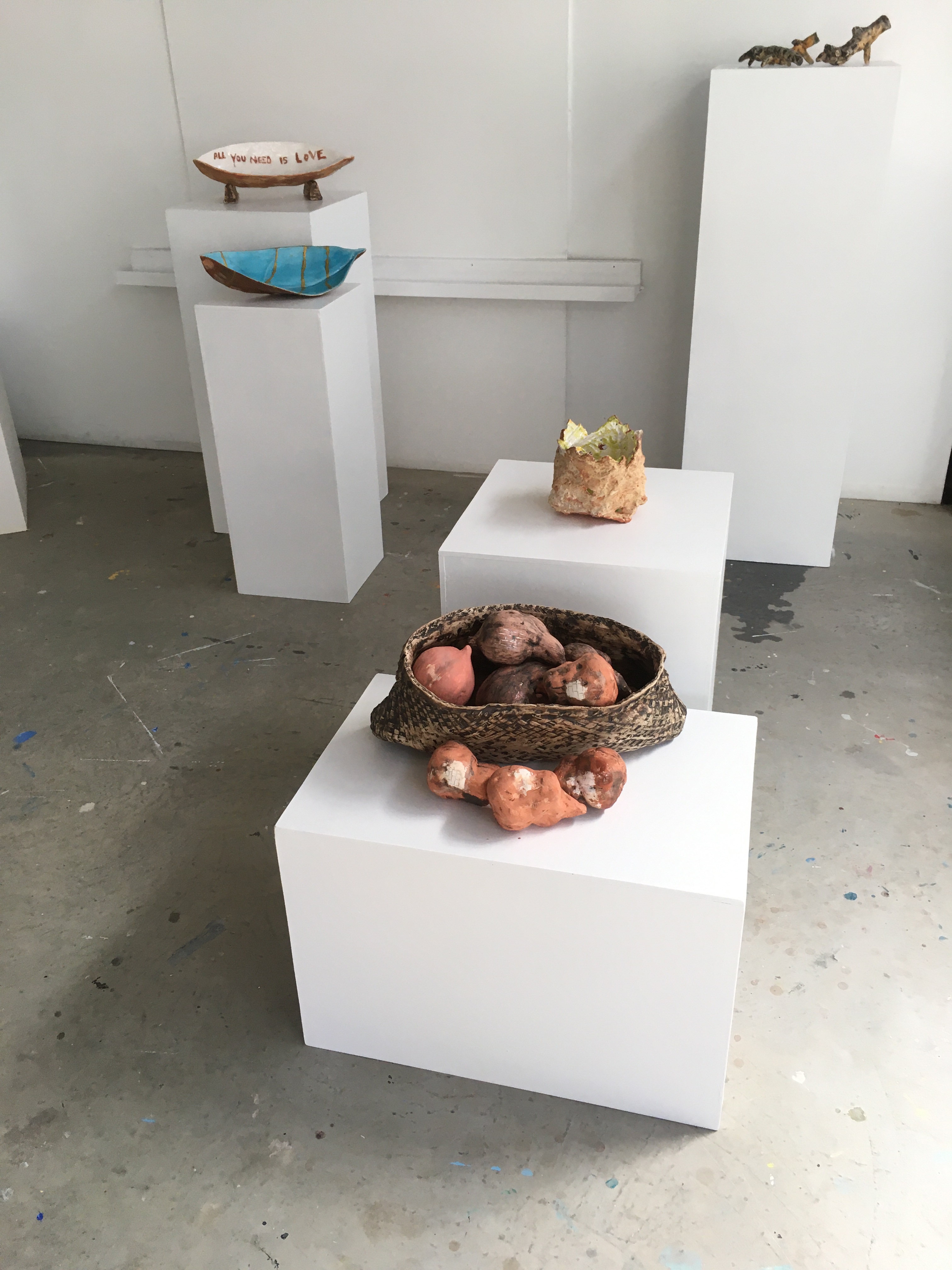
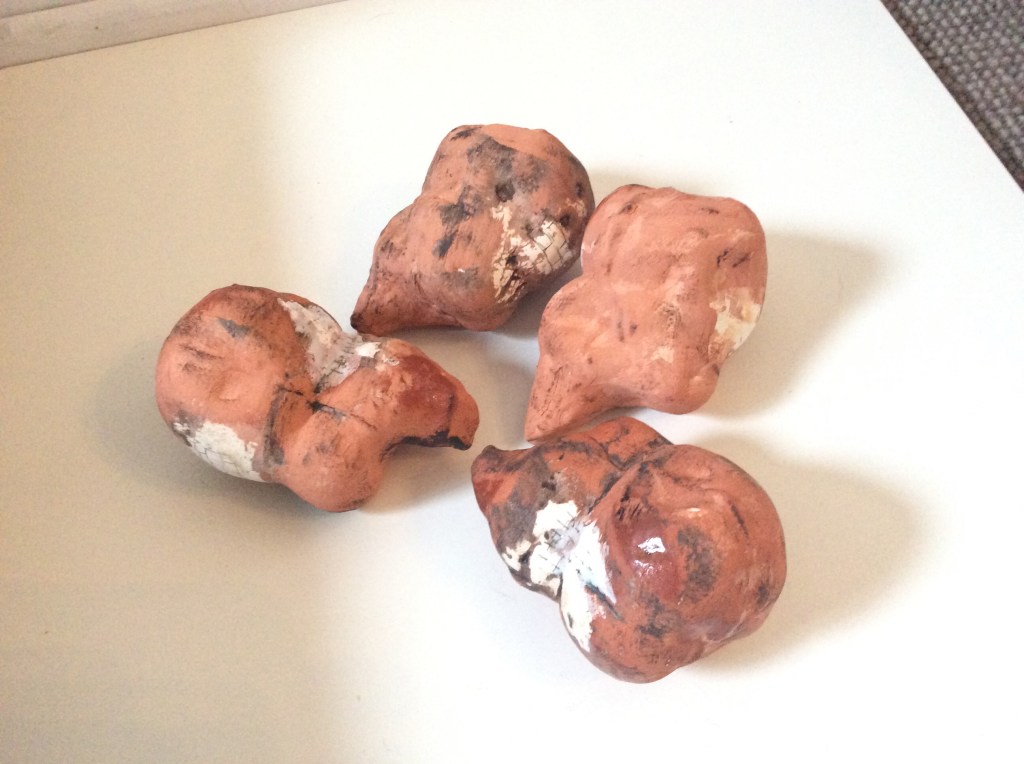
I have embarked on creating more vessels for this project. The focus seems to be on food procurement so I have made three kumara in a mould and am painting paper clay on to a food basket I wove from flax.
Holder
Food
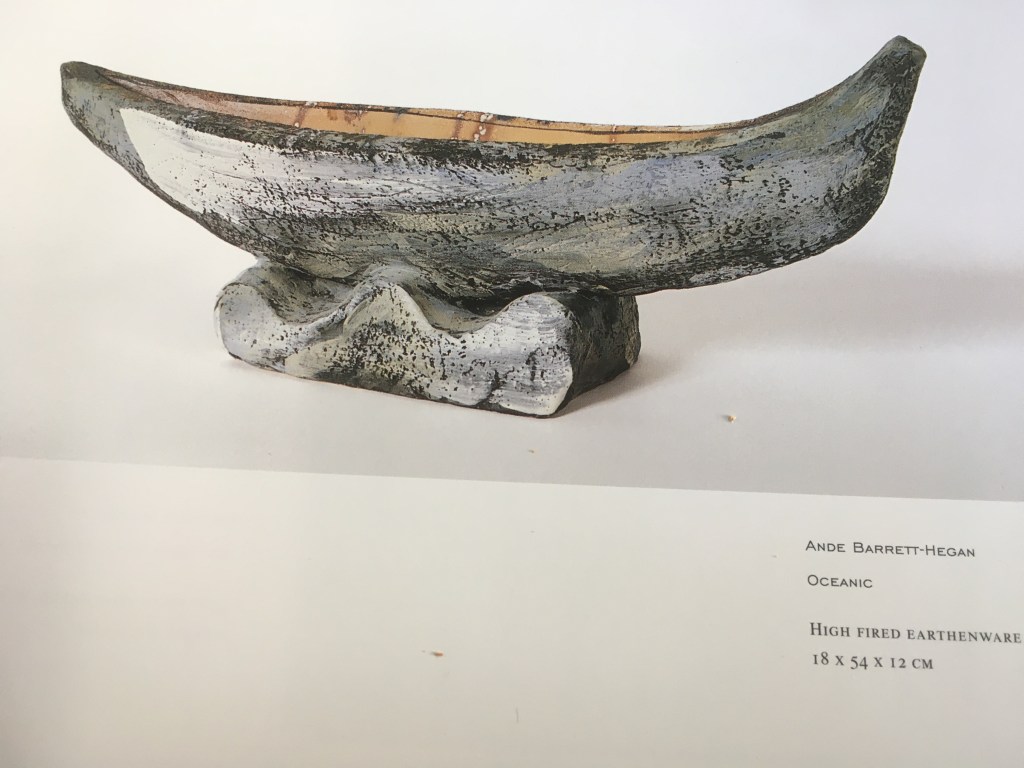
The project for this module centres on my idea ‘High and dry’. An analogy of our ceramic journey I see as a Waka journey. A project where metaphor can be used allows me to utilise my Waka mould to express sometimes what is hard to articulate. A boat out of water where all movement outside it stops from March 26th to April 27th for lockdown level 4 makes me think of containment. A boat up on plints to me is High and Dry. The Waka/boat is a contained space and lends itself to be seen as a confinement Bubble. This Waka has been porcelain slip cast in what I term as my seed pod mould (a name given by Brendon Adams). Hence a seed or seeds will be sown and we will look at the world differently. Porcelain is fragile when working it and when fired is resilient and durable. Hopefully the outcome will be resilience, our ability to weather the Level 4 lockdown of containment against covid 19. Porcelain paper clay plints to support the Waka out of water will be like immovable mountains that endure. This speaks to me of the government of NZ and our essential services. The back bone of our NZ community.
High and dry inspiration
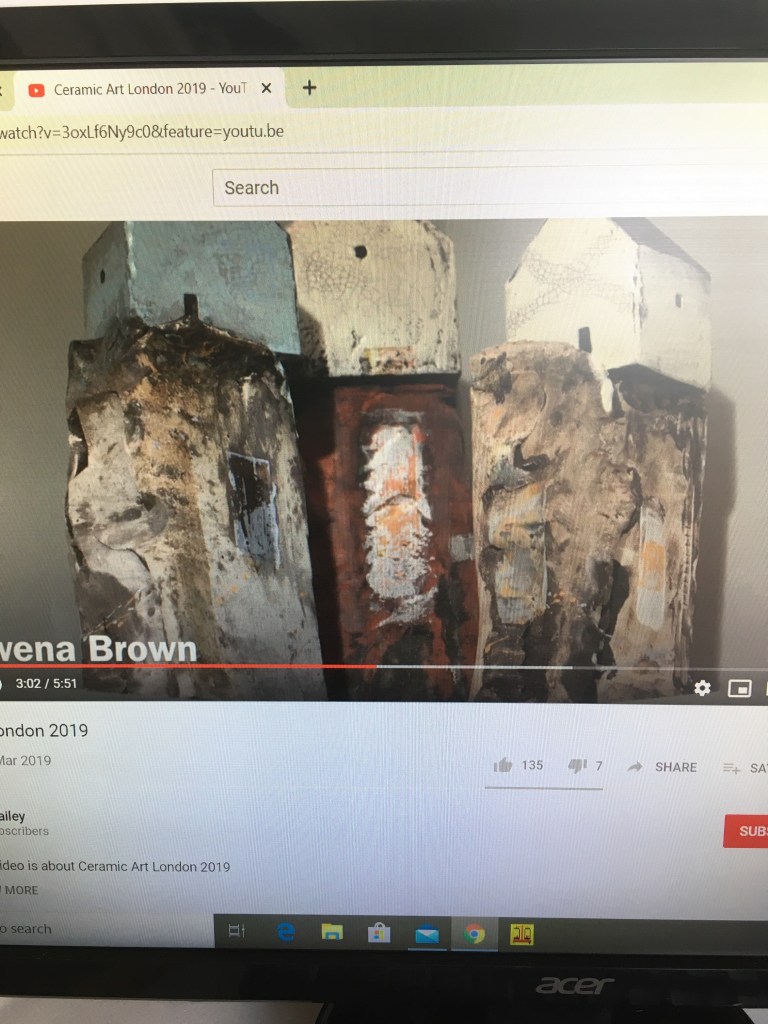
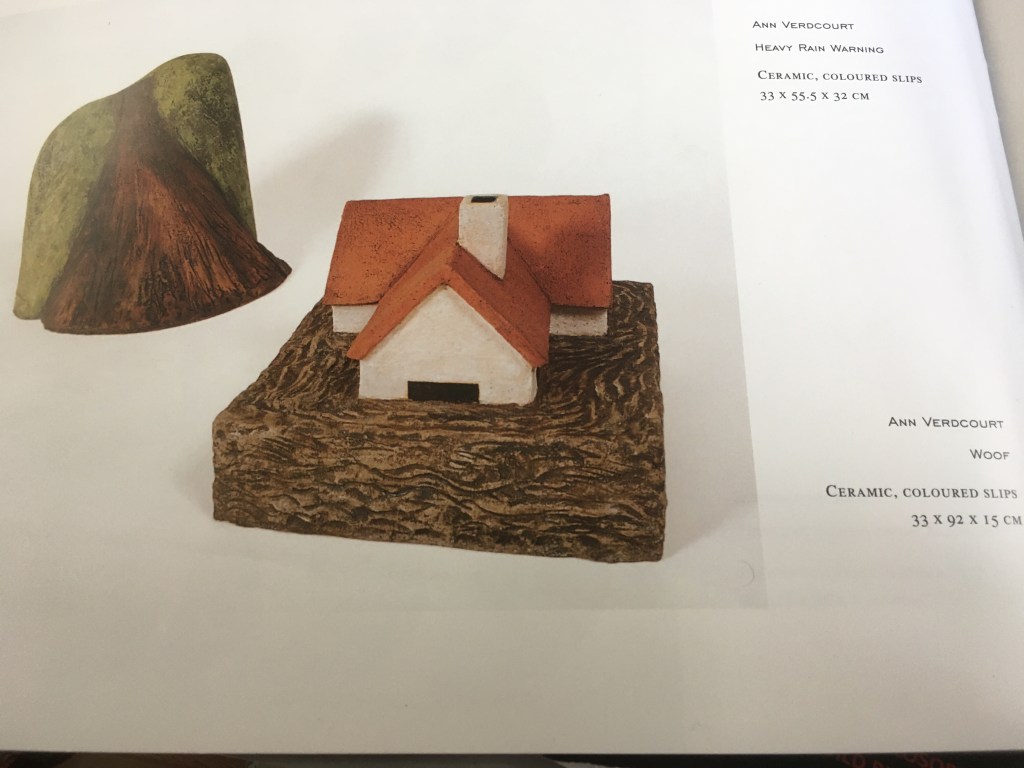
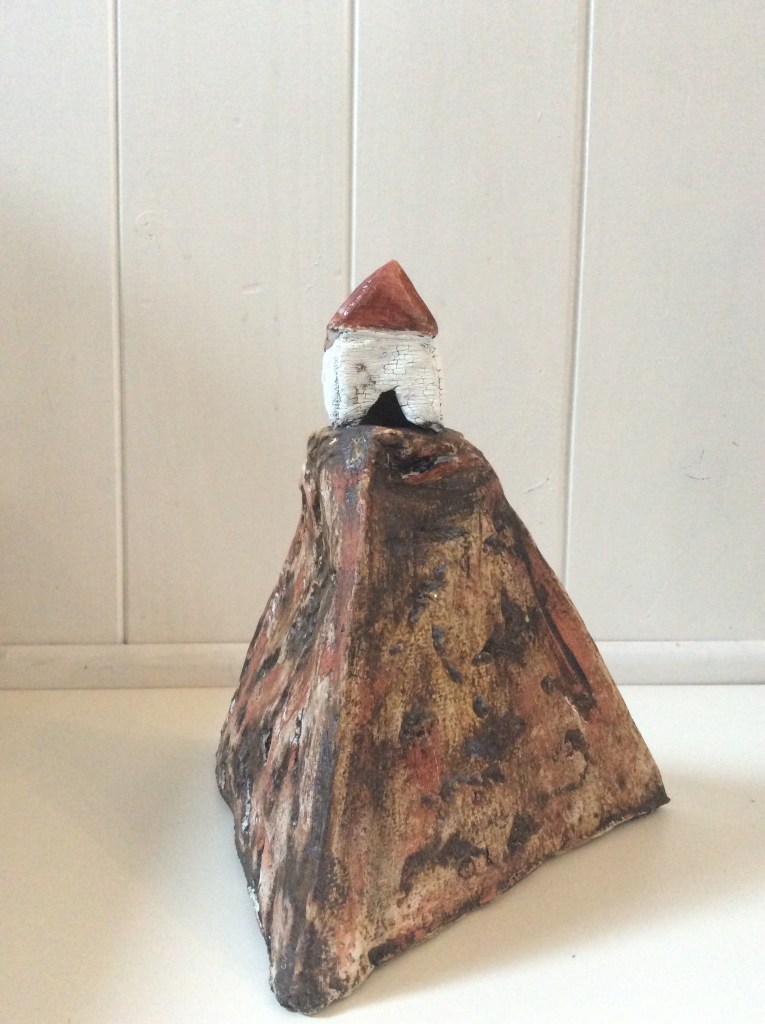
After discussion with Anne, Penny and Anne Crane I was able to come up with a simple scenario of our containment time. Ideas of a national identity, lift to the object to expose and focus. Rowena Brown’s ceramic artwork at the London ceramic art show, 2019, of 3 houses on their own high cliff was my inspiration.
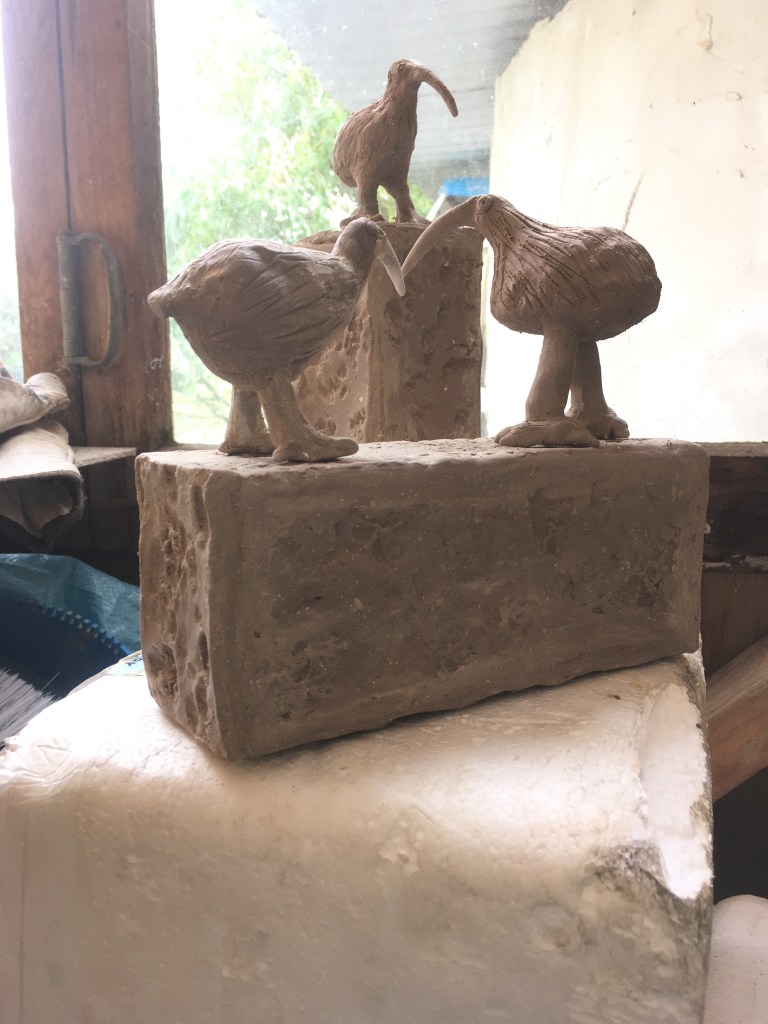
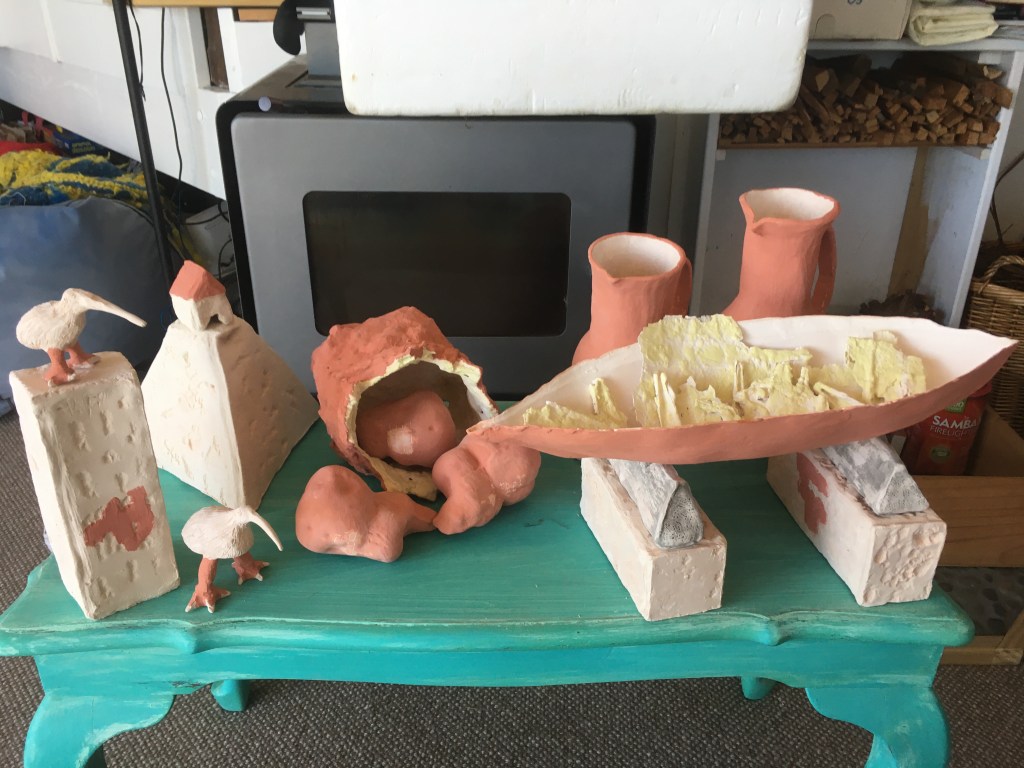
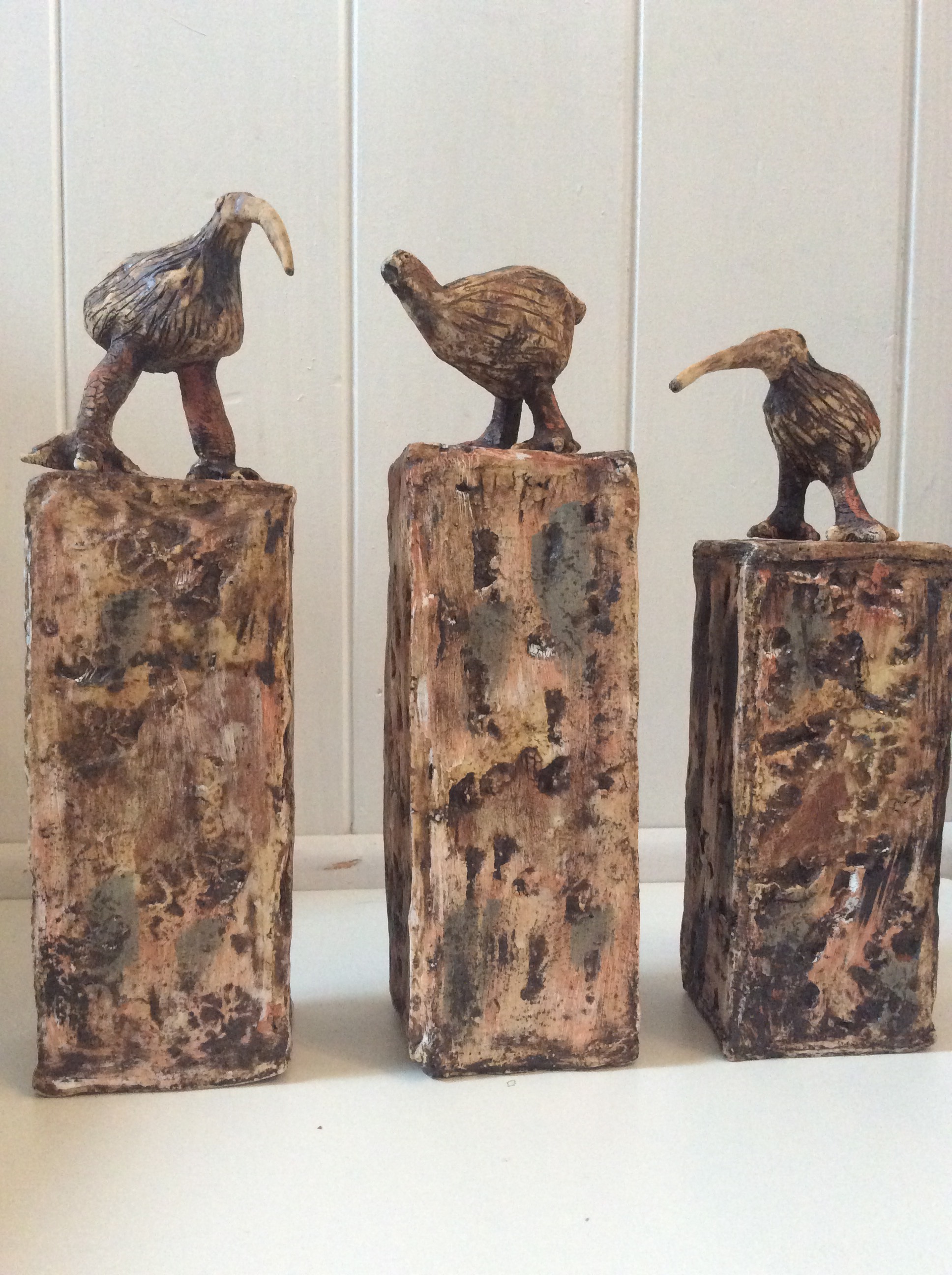
Kiwis out of waterBisque fired containment project
Yellow iron oxide has been applied to all vessels to link them together for the containment project. Finishing glazes are still to be considered.
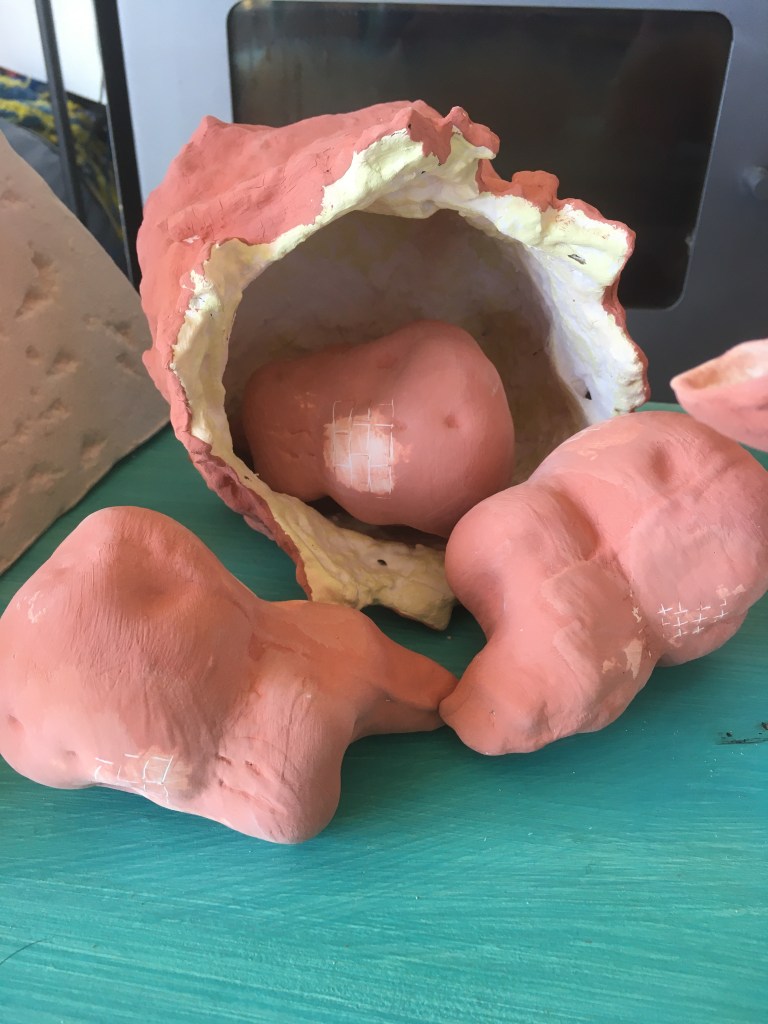
Kumara and Food basket (Kono)
Kumara have ideas of brick etched on a small area to link them to Peter Lange’s Kumara sculpture situated in Mt Eden shopping centre. A few crosses on the other side which I see as a sign of hope.
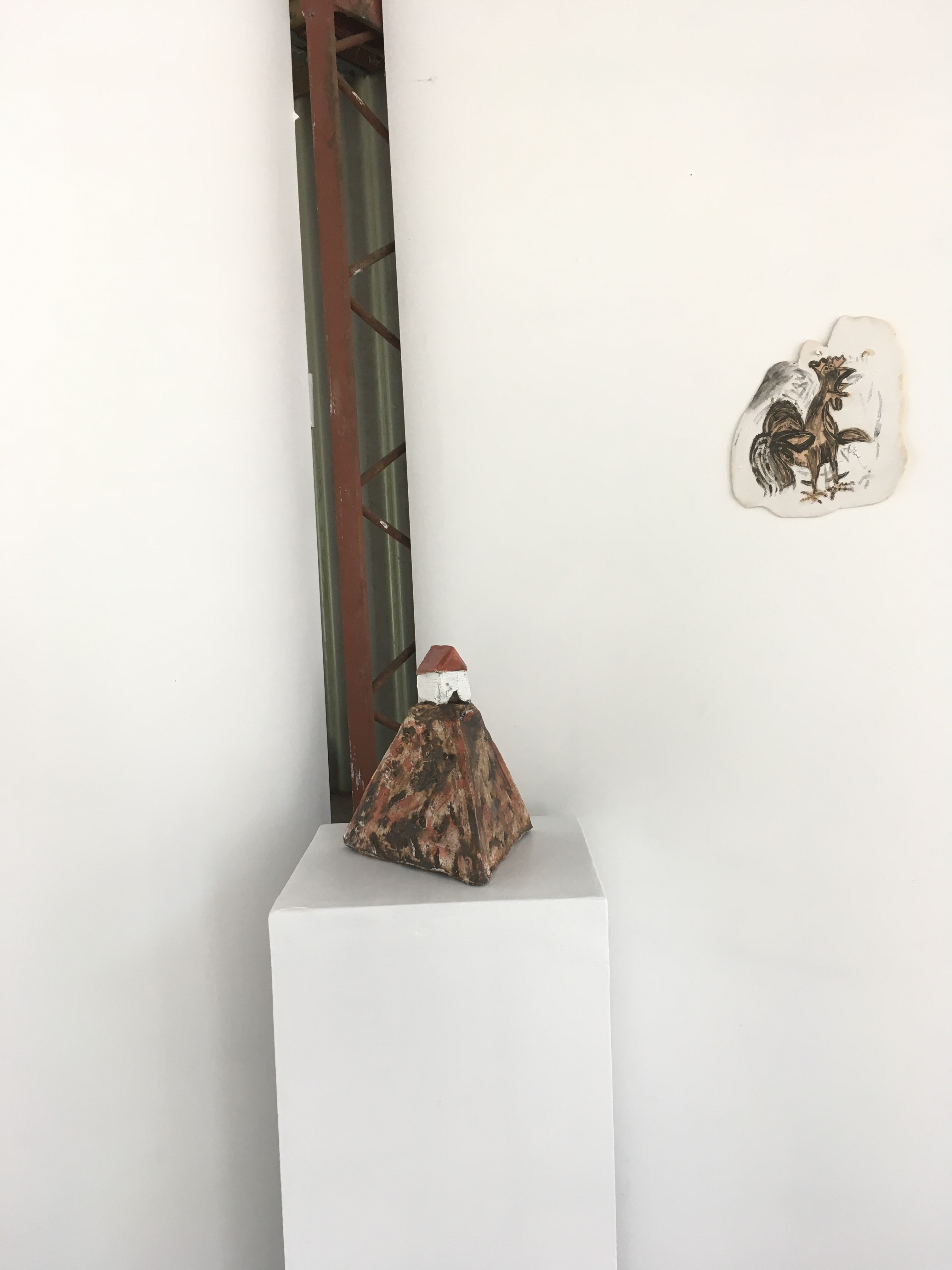
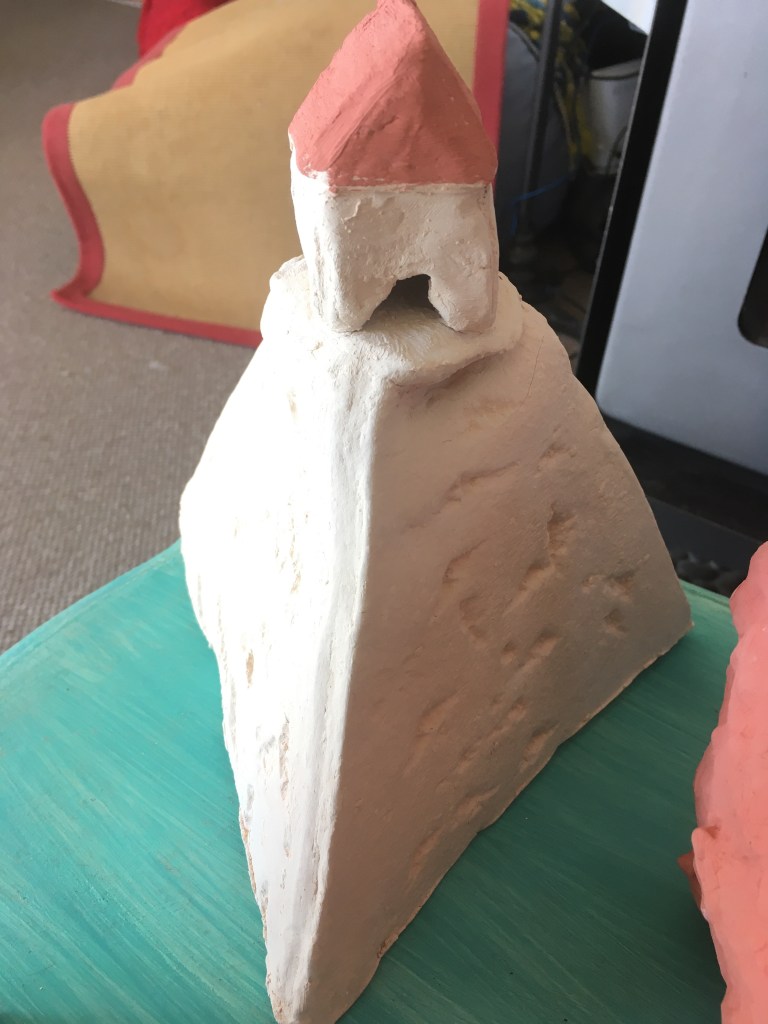
High and dry idea of house on the top of a mountain. Door opening is the shape of the top of the mountain. (Inspired by ceramicist Rowena Brown)Idea for glaze of house on mountain. Simone Fraser yellow iron oxide on roof , which turns red with clear glaze over to make it pop. Simone Fraser white engobe on walls and bronze slip on mountain with fake ash glaze over. To be attuned to Rowena Brown’s cliff by giving a more painterly look. Simone Fraser white and yellow engobe with strokes of Toms Black to add dept. Photo to follow.Idea regarding Glazing for Waka. To include the plinth in the glaze of the Waka to pull them together. I will use a slip to achieve A painterly finish of yellow iron oxide which turns red with a fake ash glaze brushed over.
Carrier jugs
Kiwis out of water.
High and dryKaiColour palette Plinths holding WakaHigh and Dry containment project.
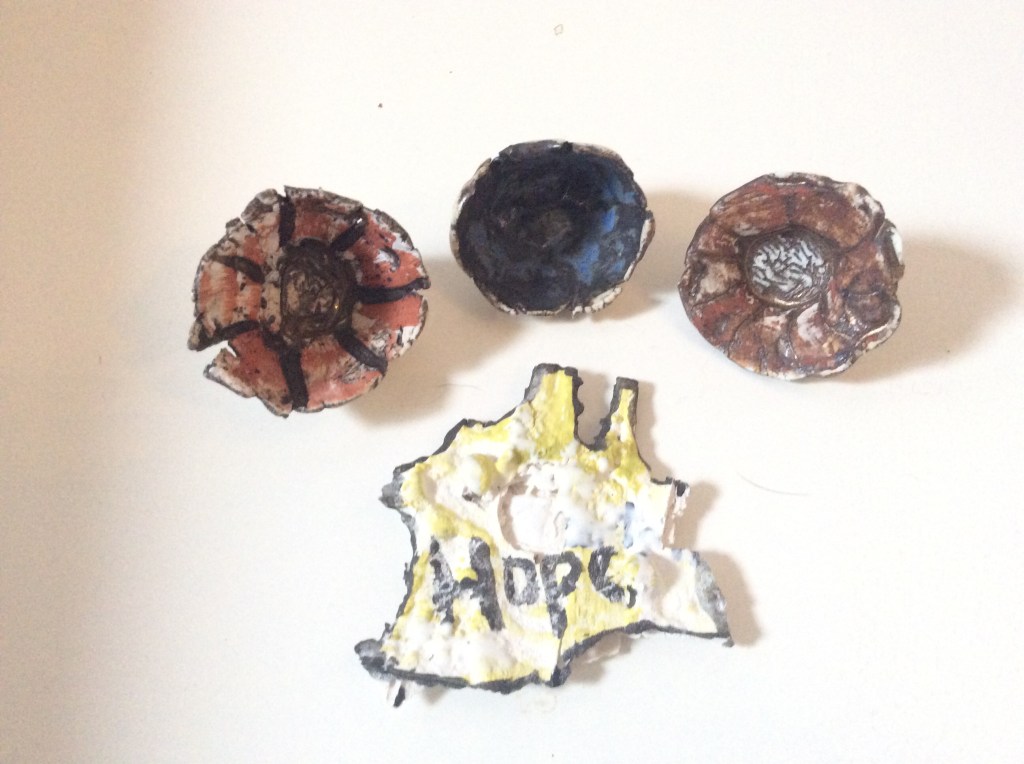
Broken shards of porcelain talk of fragility and temporality in amongst the more robust monumental vessels which will remain intact.
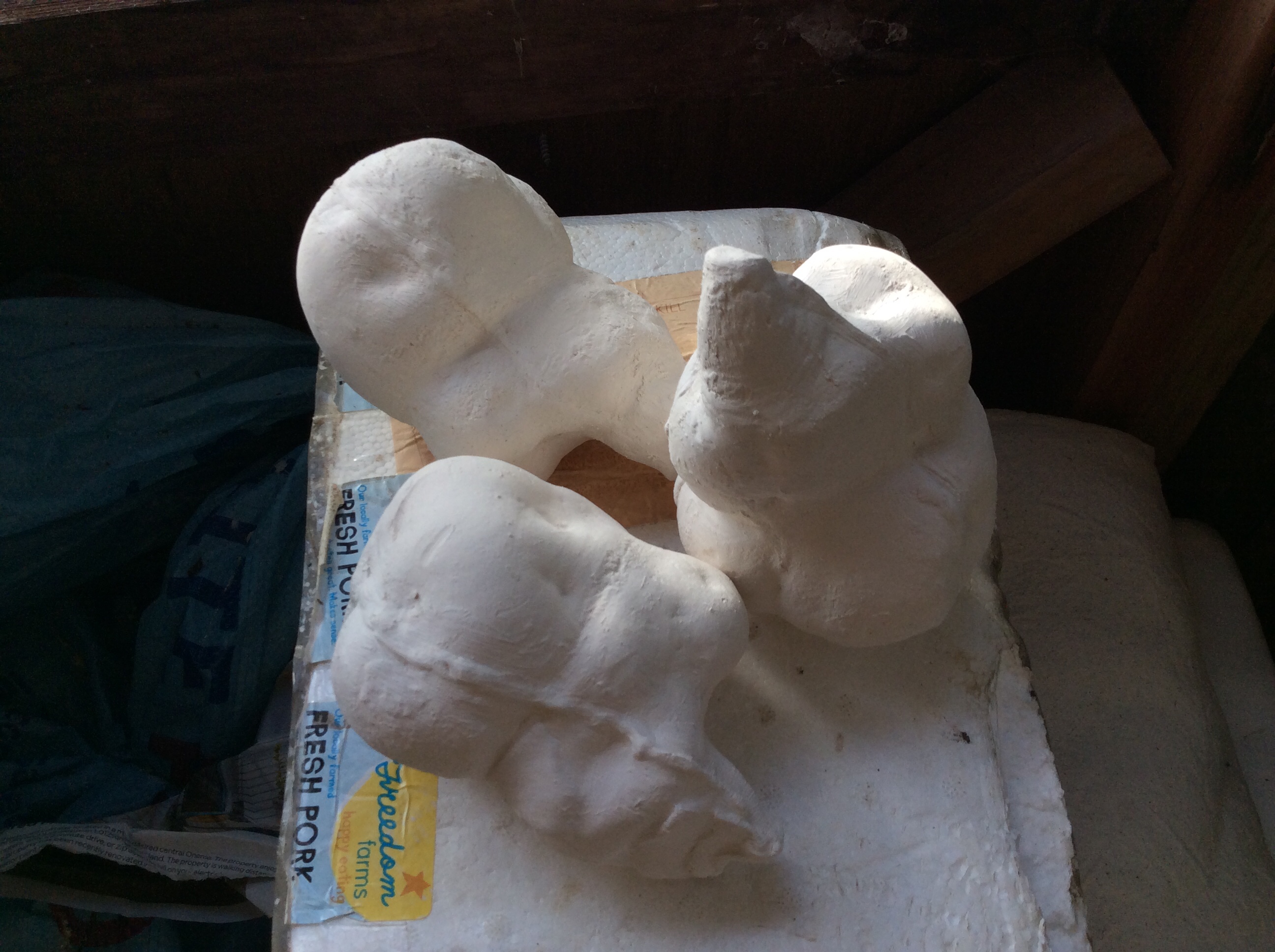
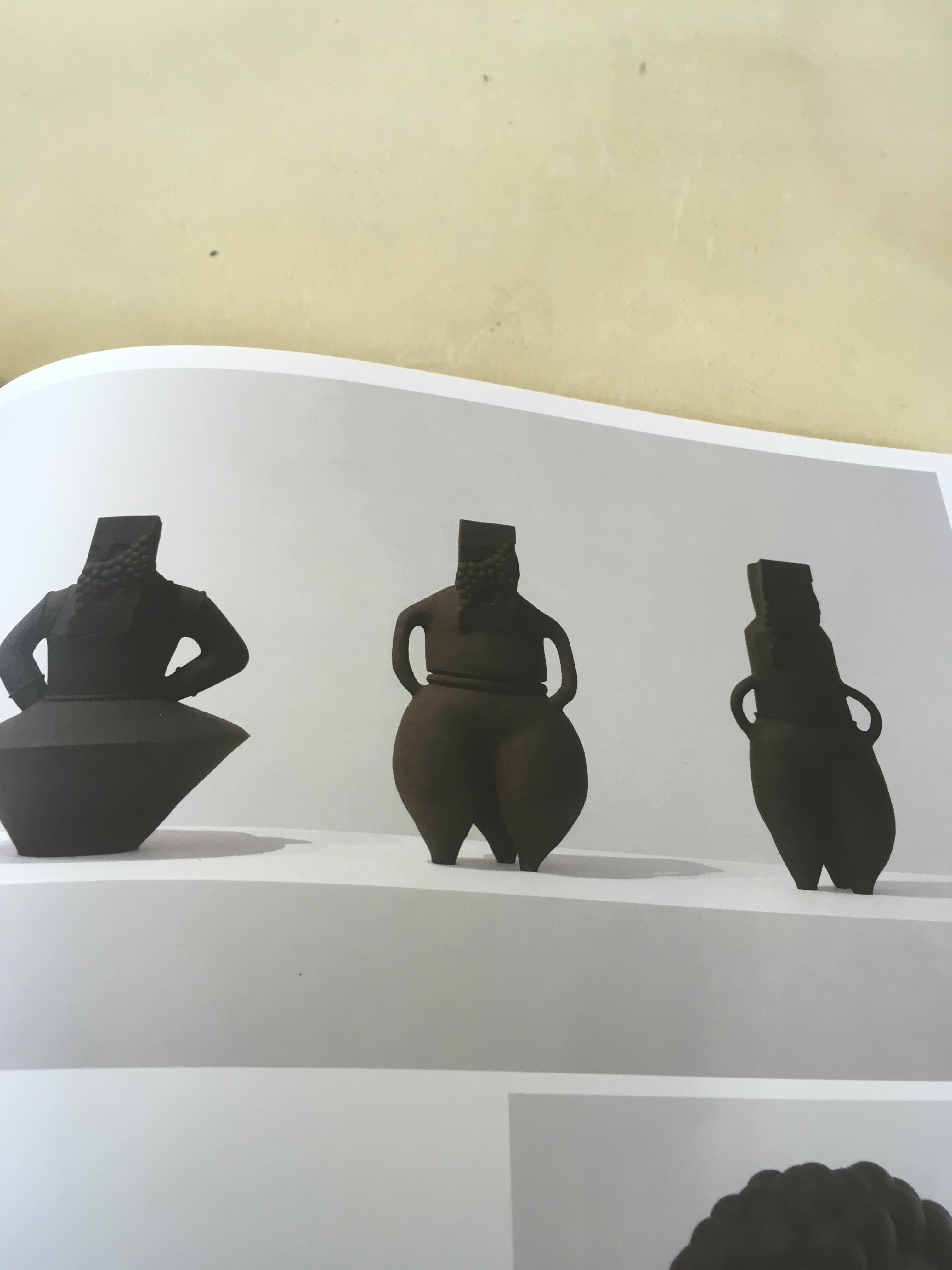
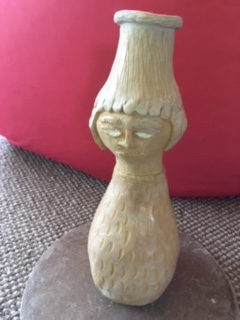
Some anthropomorphic and zoomorphic sculptures inspired by Aneta Regel
Made from different types of plant material joined together with paper clay and Egyptian paste applied before bisque firing. Expecting to use slip and volcanic glaze.
Aneta Regel’s raw anthropomorphic sculptures inspired by human figures and nature. Interaction between materials is important in forming shapes.
Encouraged by Anne Hudson to consider other contemporary conceptual work by artists from Artsy .
Slab and pinched anthropomorphic shapes
Anthropomorphic shapes inspired by human and nature
The start of our ceramic journey playing and discovering about the materiality of paper clay.
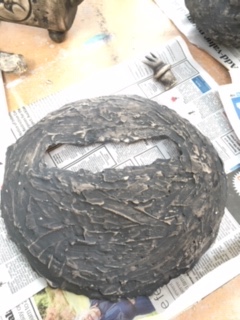
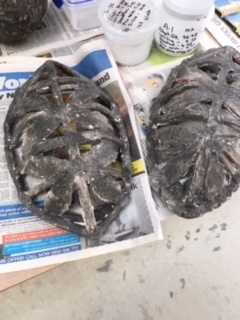
Mask with oxide.Waka journey. Oxide on over Egyptian paste.Baskets of knowledge with oxide over.
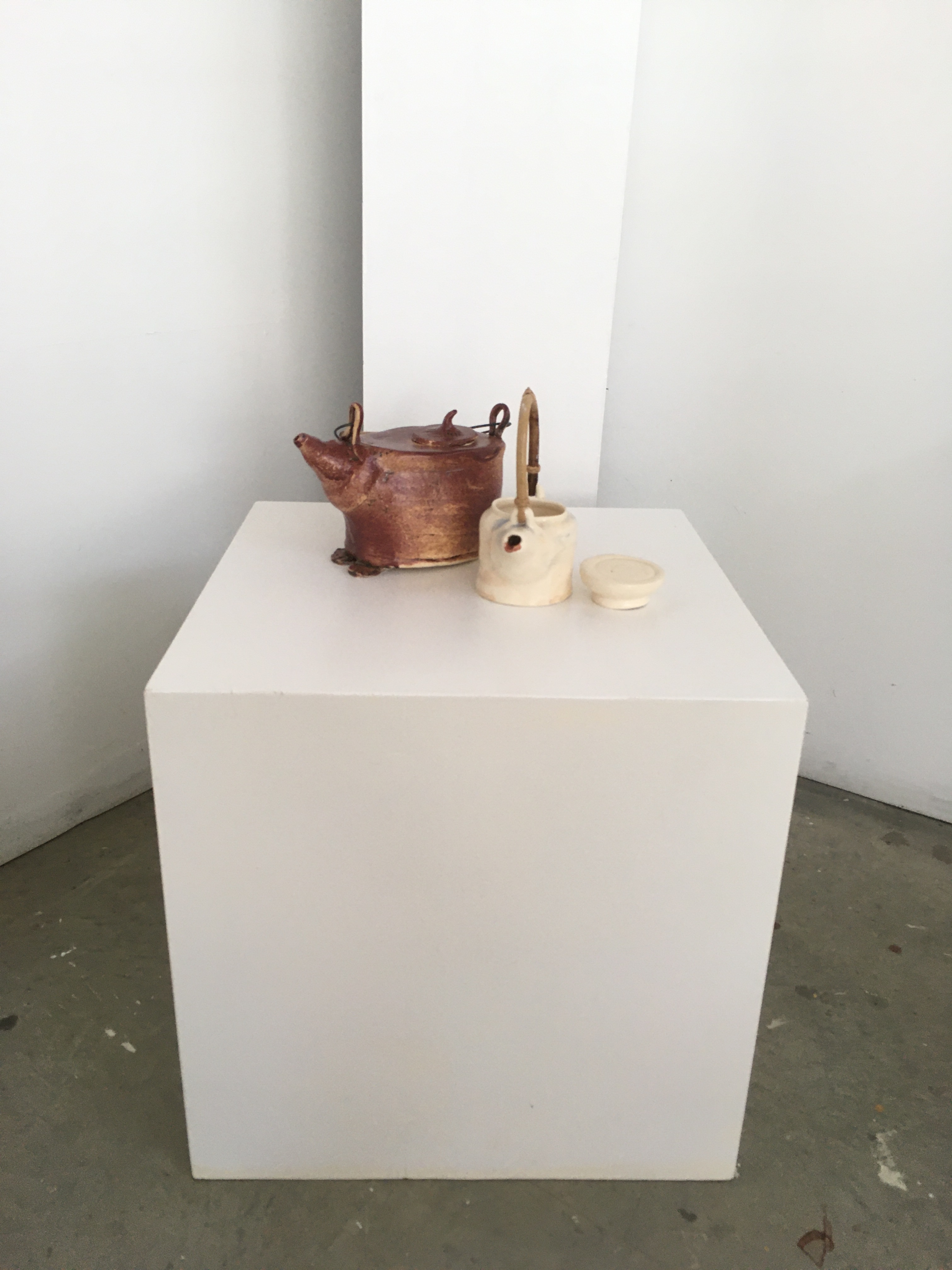
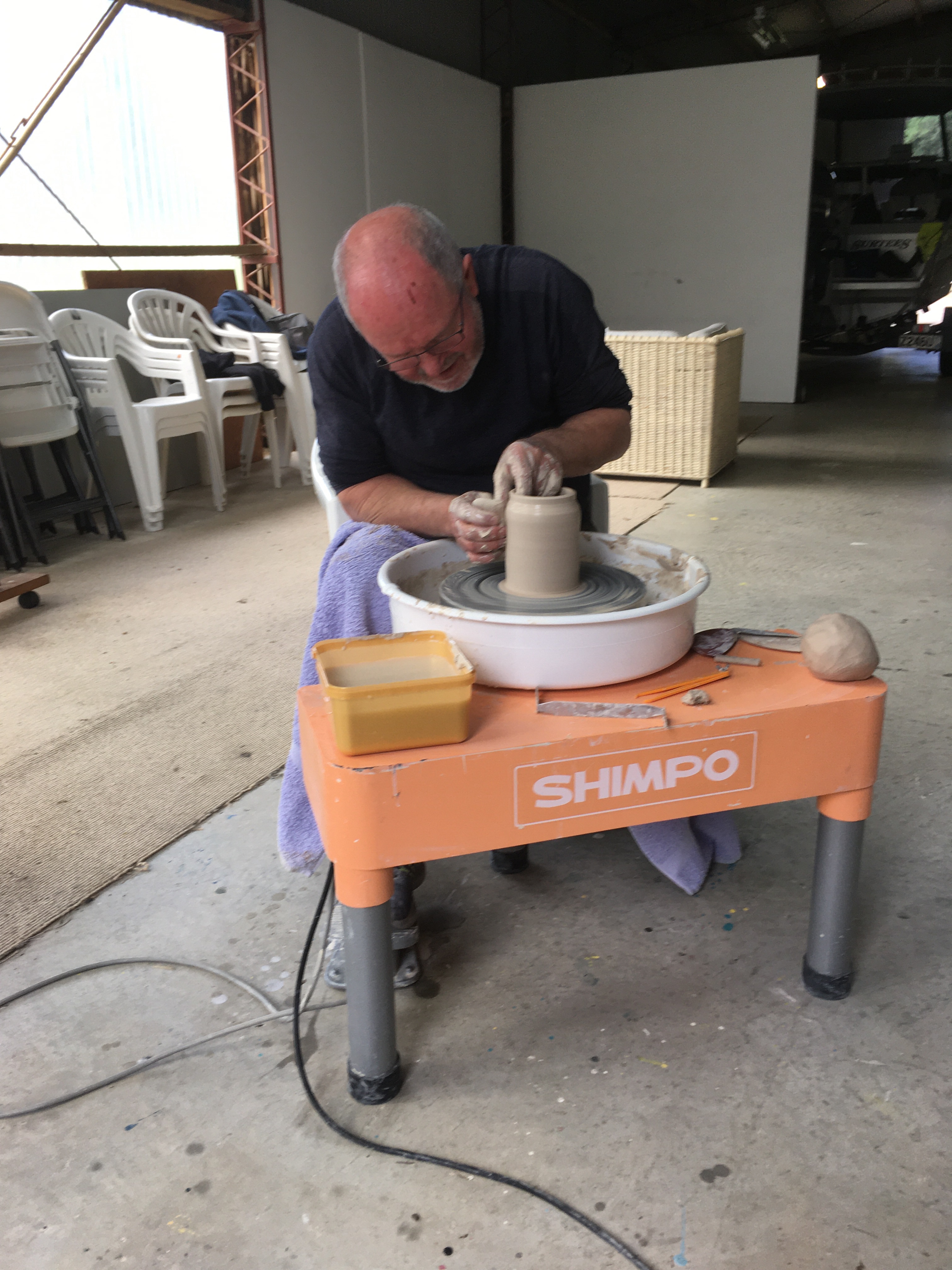
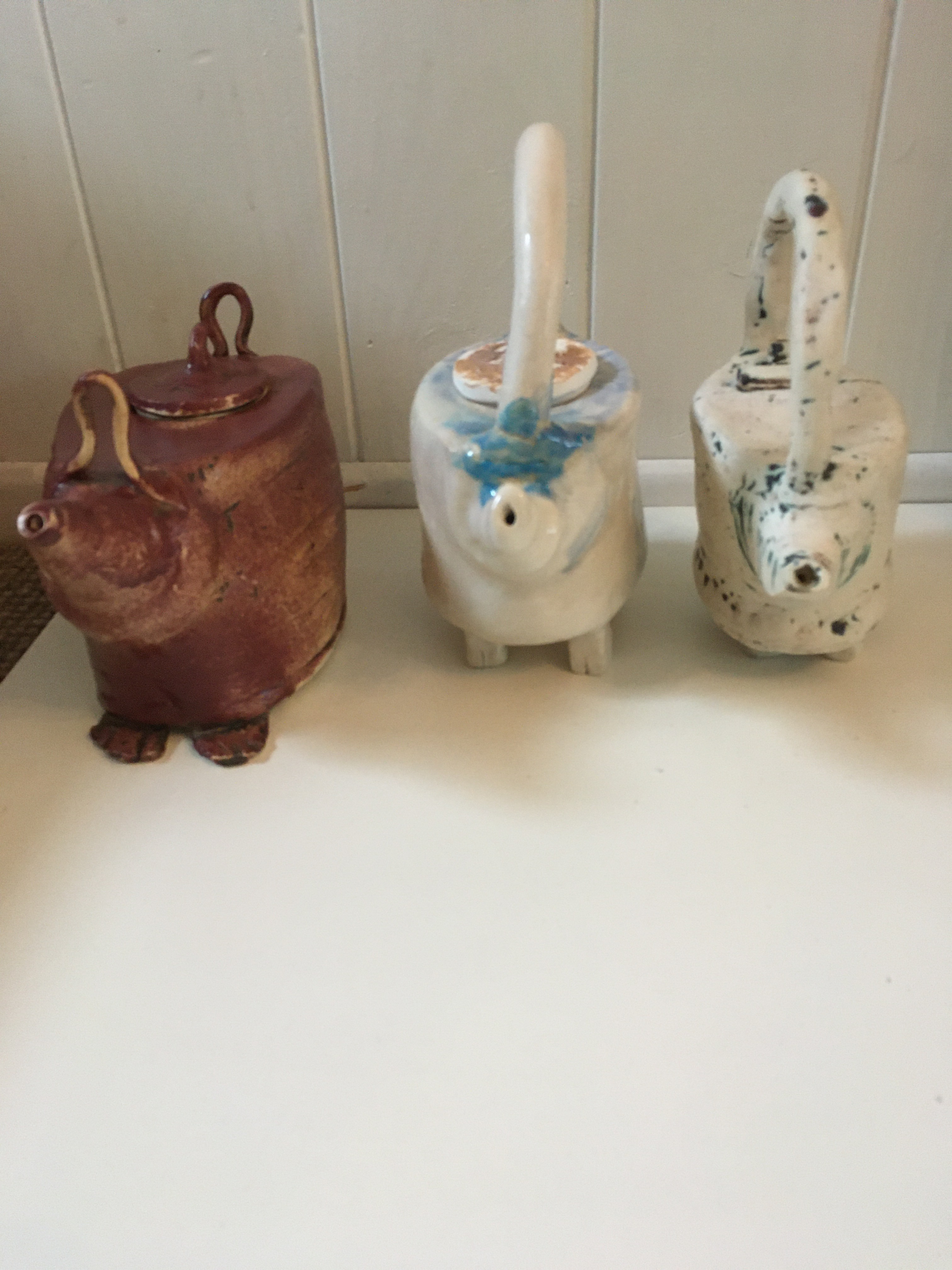
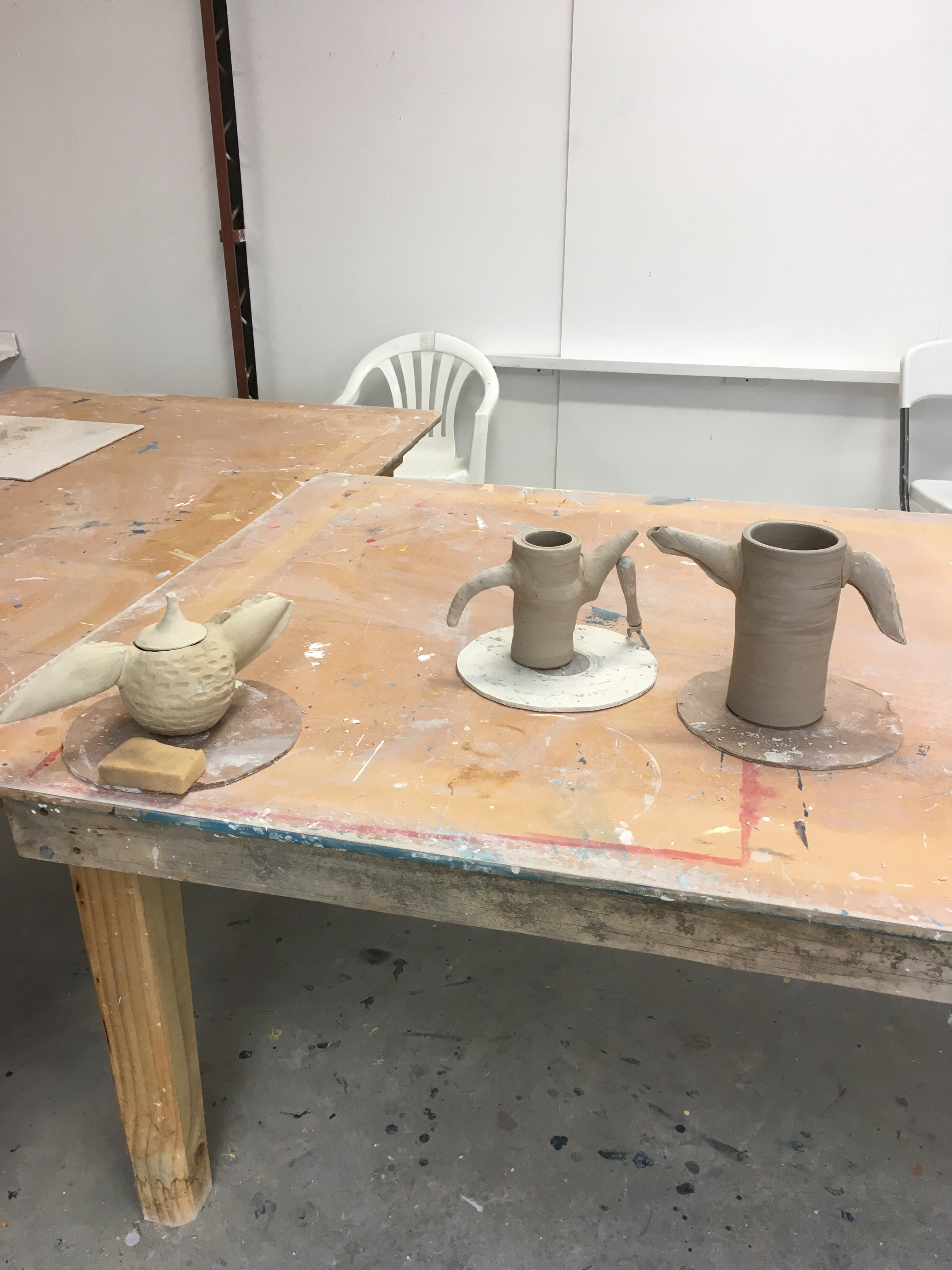
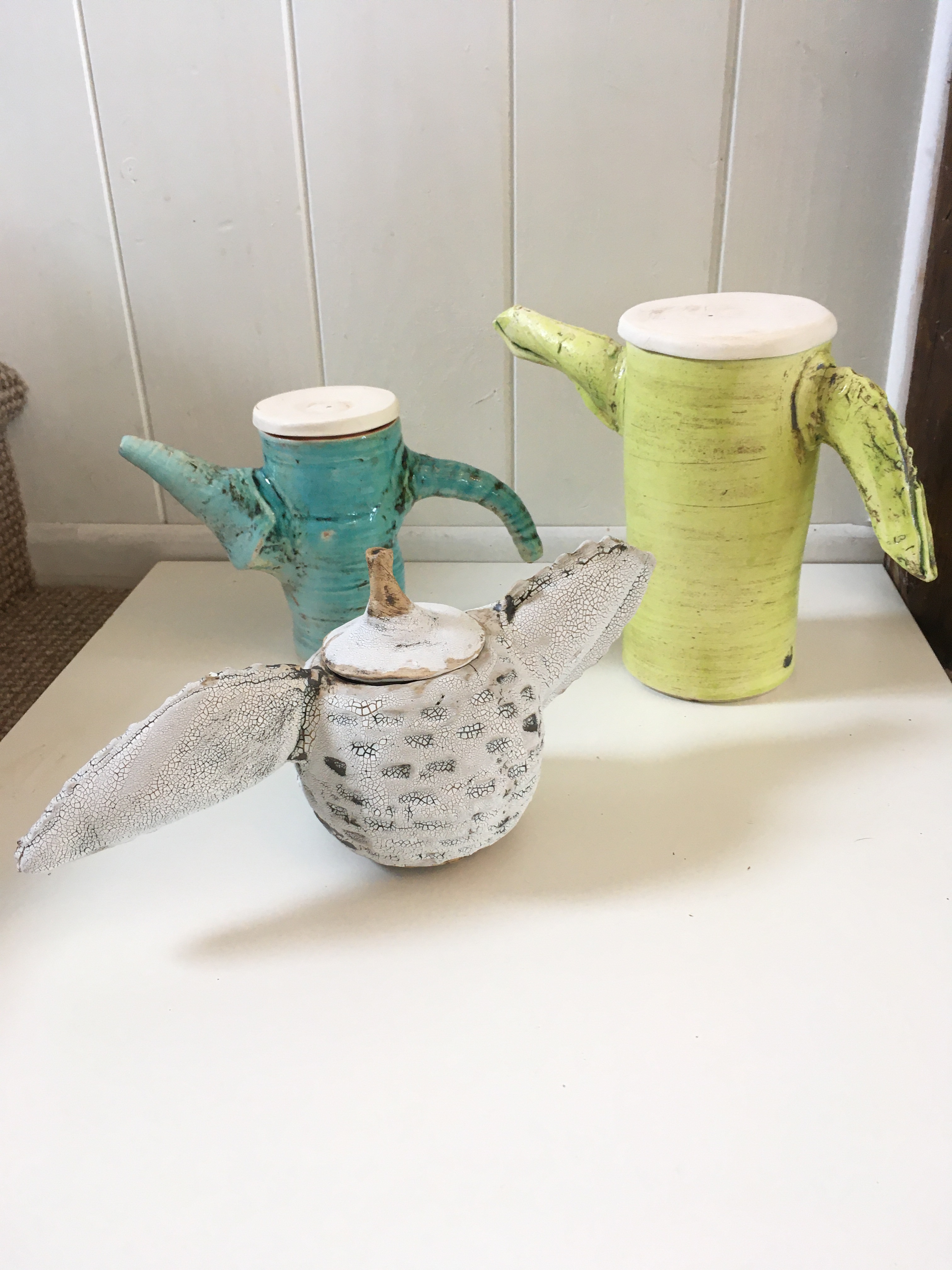
Throwing a Teapot with Peter, September, 2020. To research the history of tea pots , look at other artists work, manage the technical aspects , ensure functionality and use some glazes. Encouraged to play with ideas.
My composite thrown Teapot examples with Peter’s non crackle white and fired at 1180 degrees centigrade.Kaput
An example of a rounded 6 cup teapot broken due to filling the leather hard pot with water 3 times to check on it’s pouring ability. In future I’ll check once when the clay is still moist otherwise will wait until it is bisque fired. Encouraged to make bigger Teapots with using soft clay.
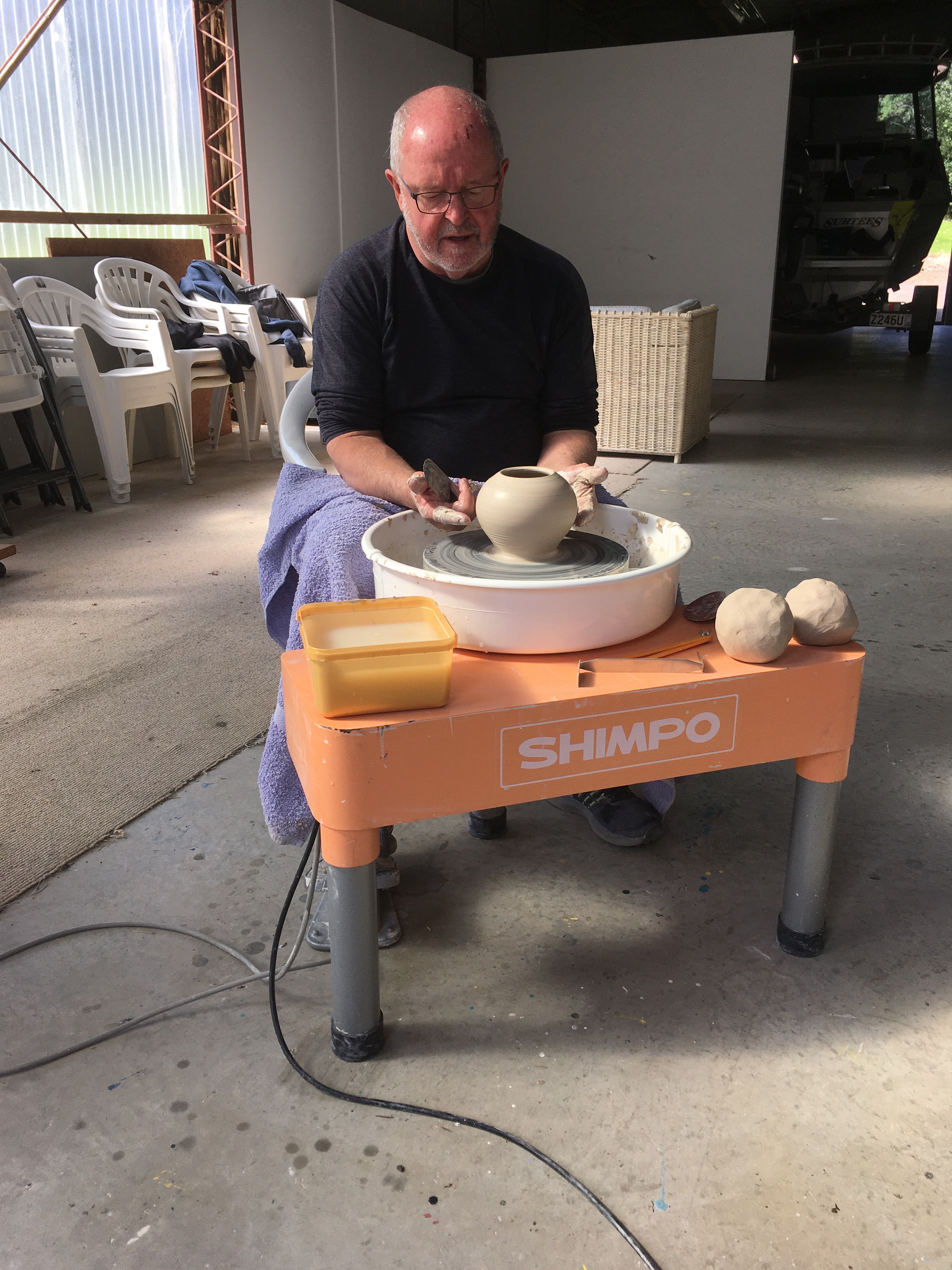
Wheel thrown at home
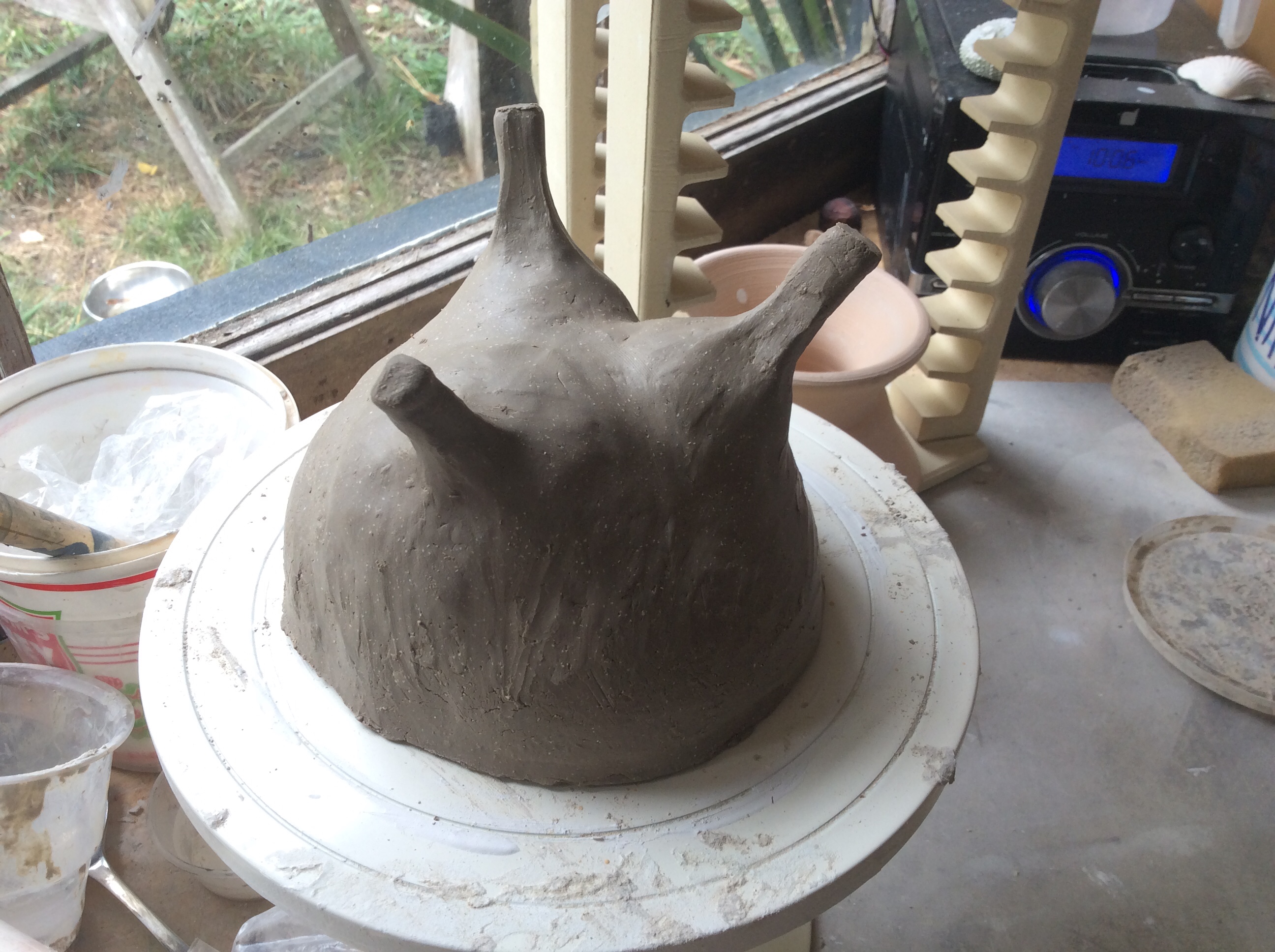
Convex and concave animal shapes thrown on the wheel
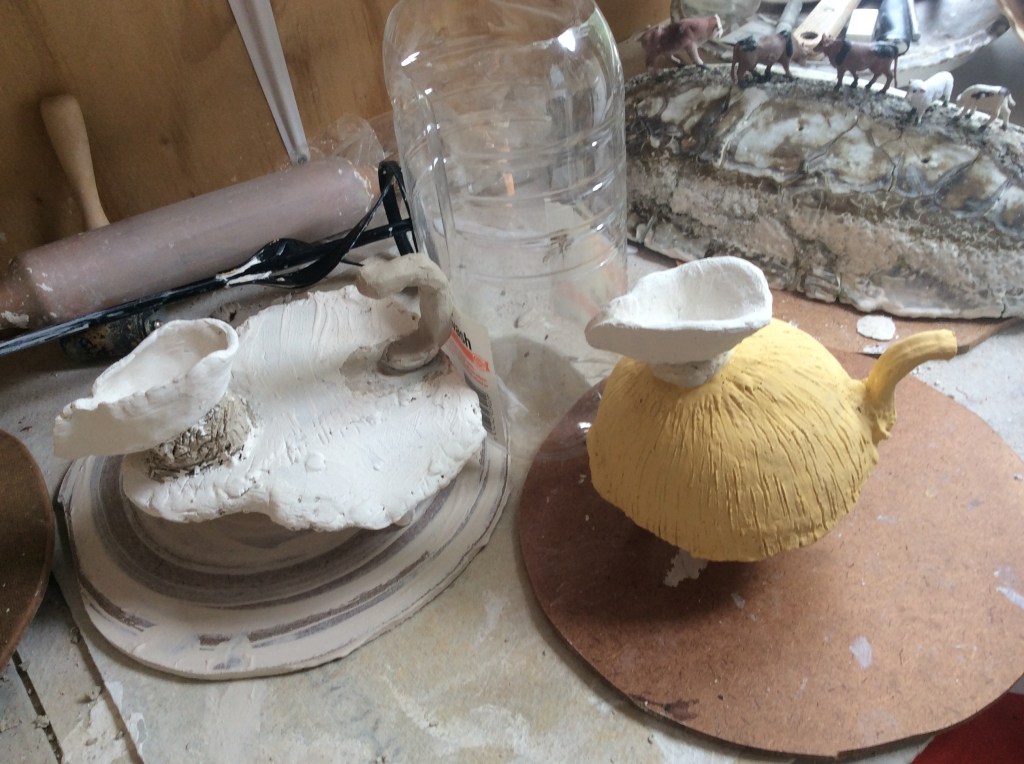
Thrown pots connected on wheel and drop mould spouts and handles on 2 of them. Proportional clay used for lower and upper is 2/3rd for bottom and 1/3rd for top.
Convex and concave pots manipulated by cutting clay out the back and then joined back together.
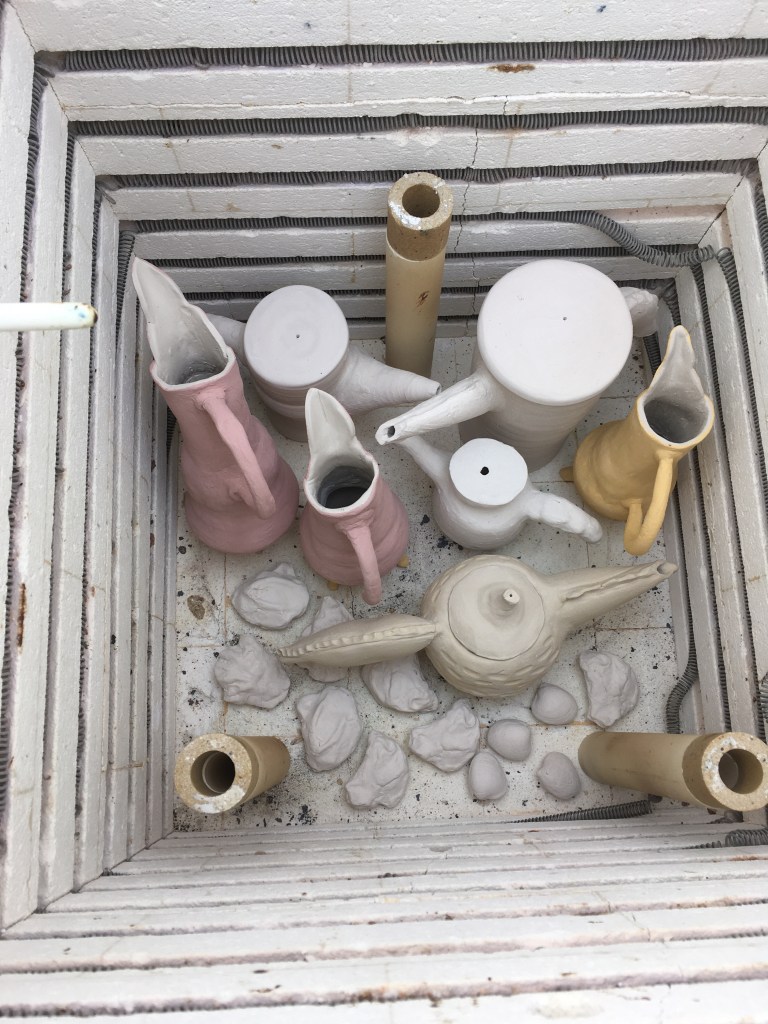
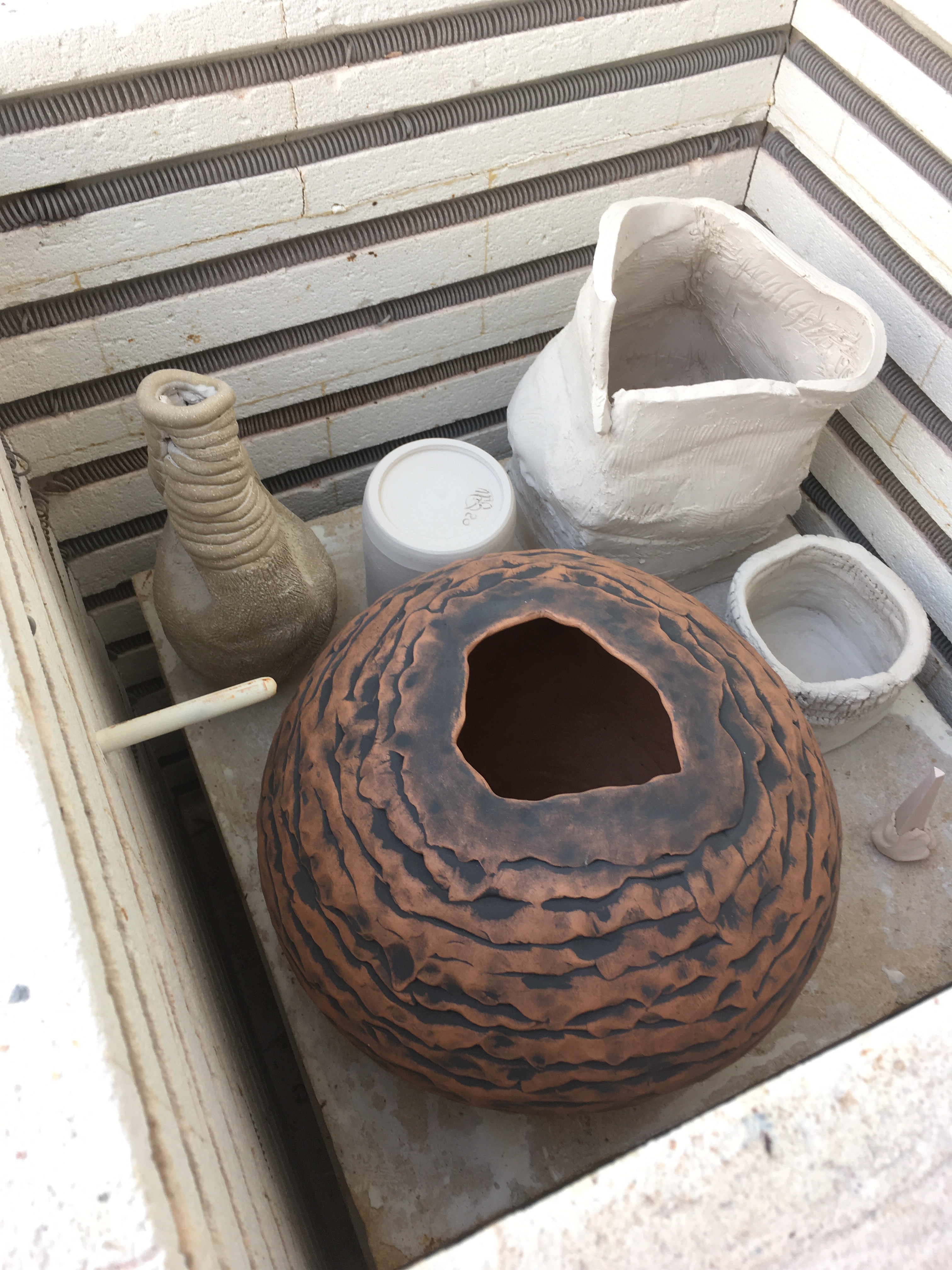
Pots in for bisque fire
Peter giving an assessment of my Neolithic painted jugs.
Neolithic jugs
I was advised to take a photo of the placement of pots for an exhibition and on a big piece of paper write the number which coincides with the number on a sticky under each pot.
Neolithic jugs with rolled handles focussing on proportion and glaze looking more ancient.
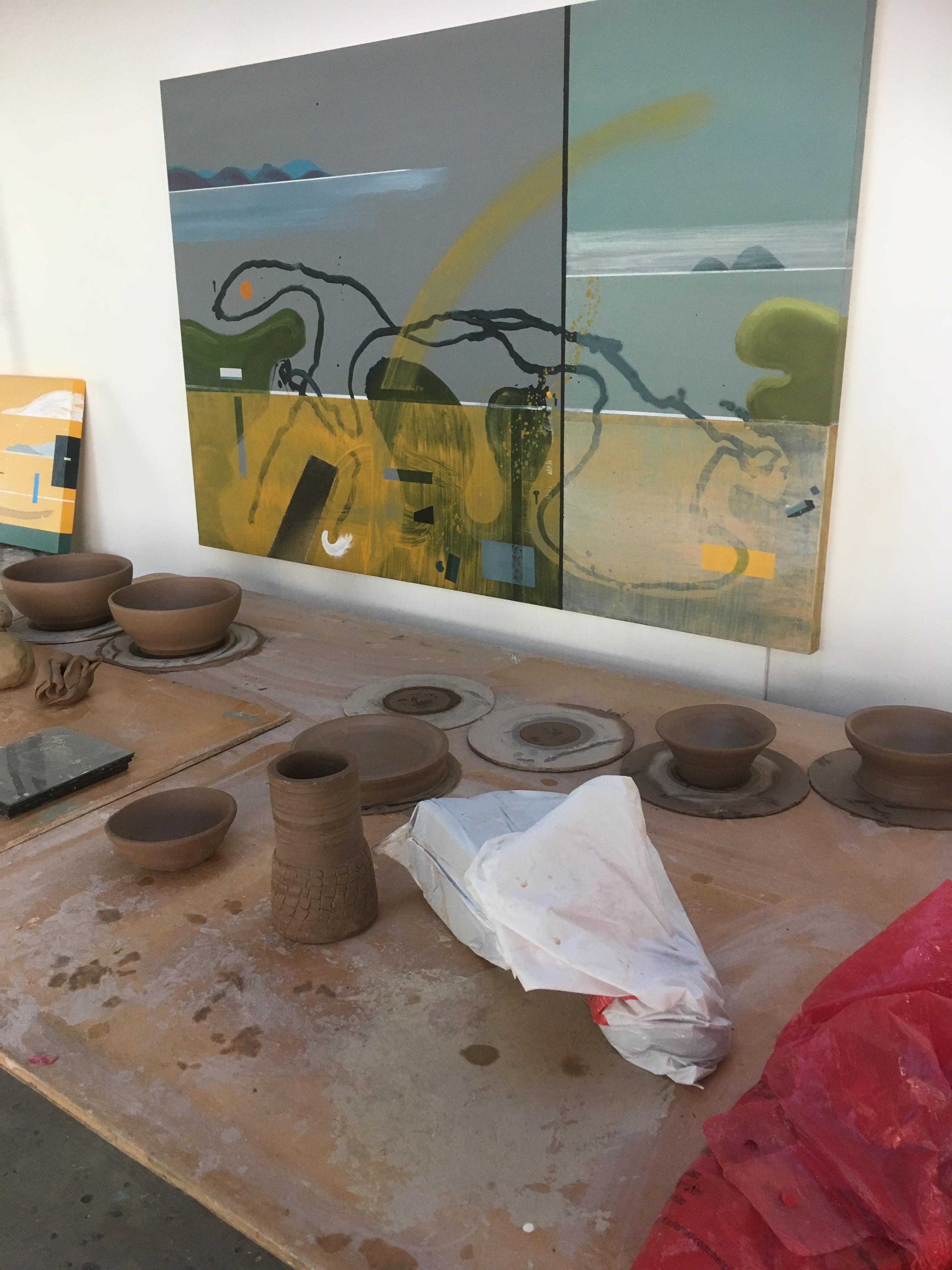
Our second module of throwing. Encouraged to incorporate other artists work and to make the work more artistic. Look at using in a still life.
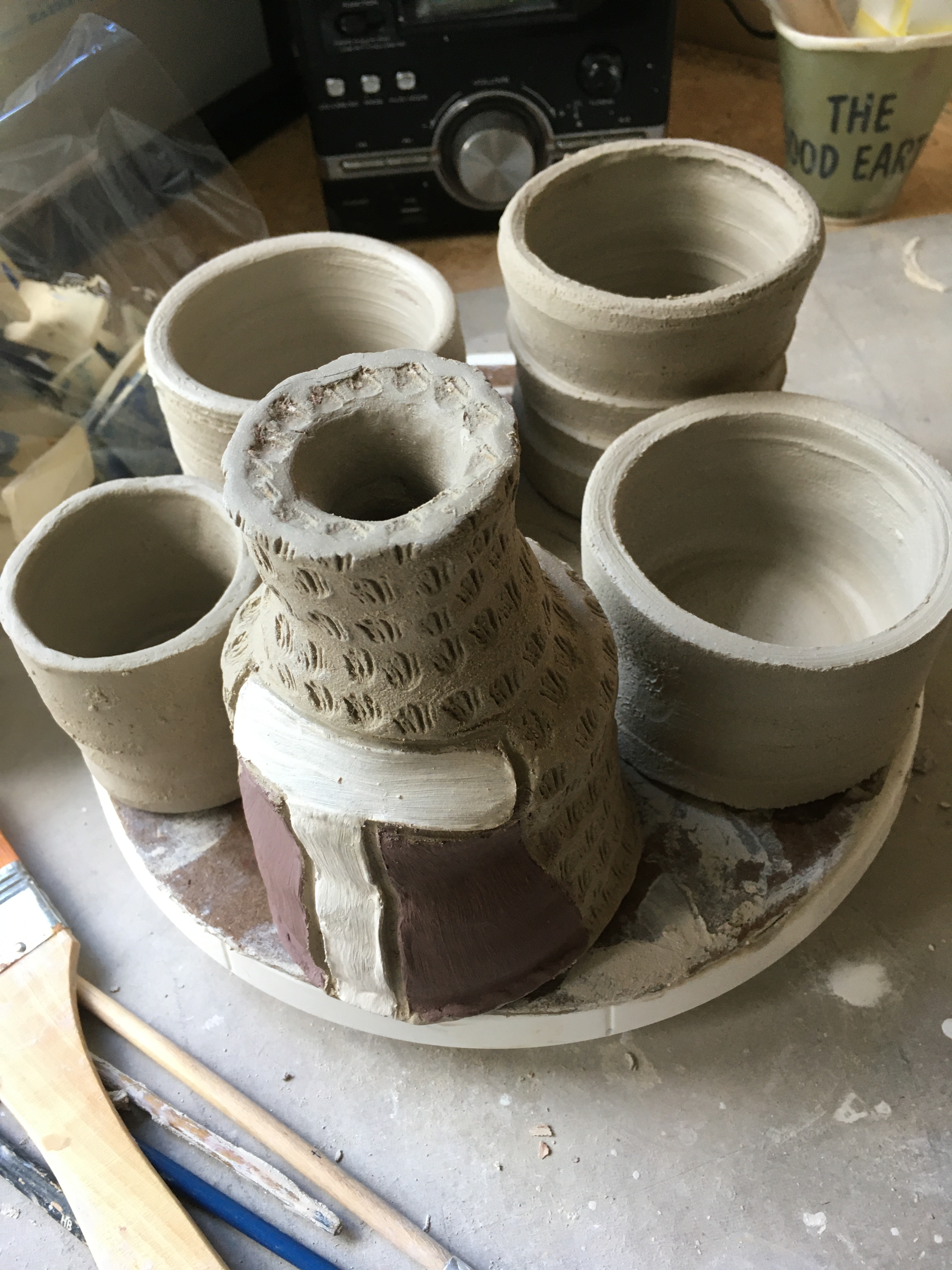
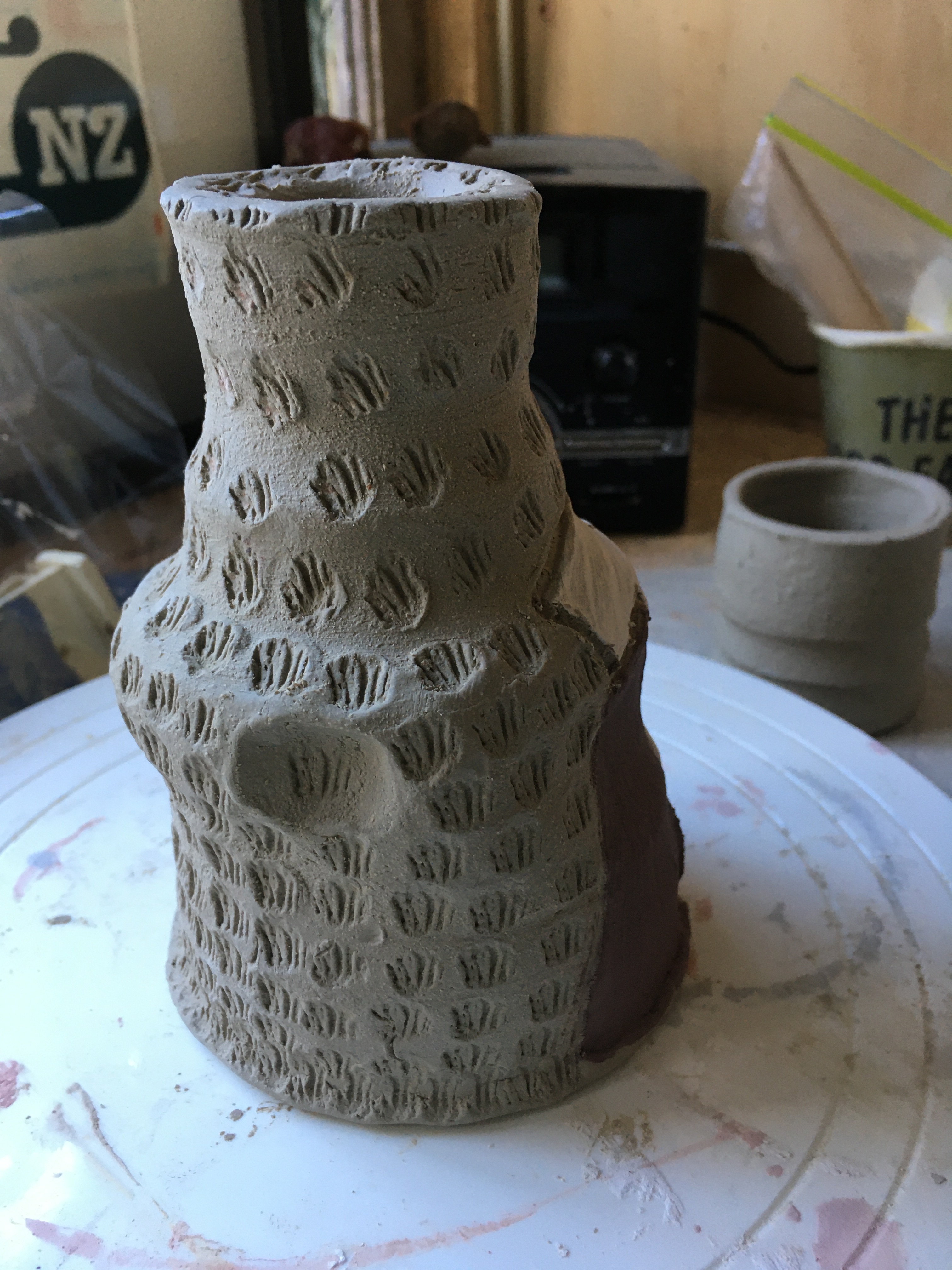
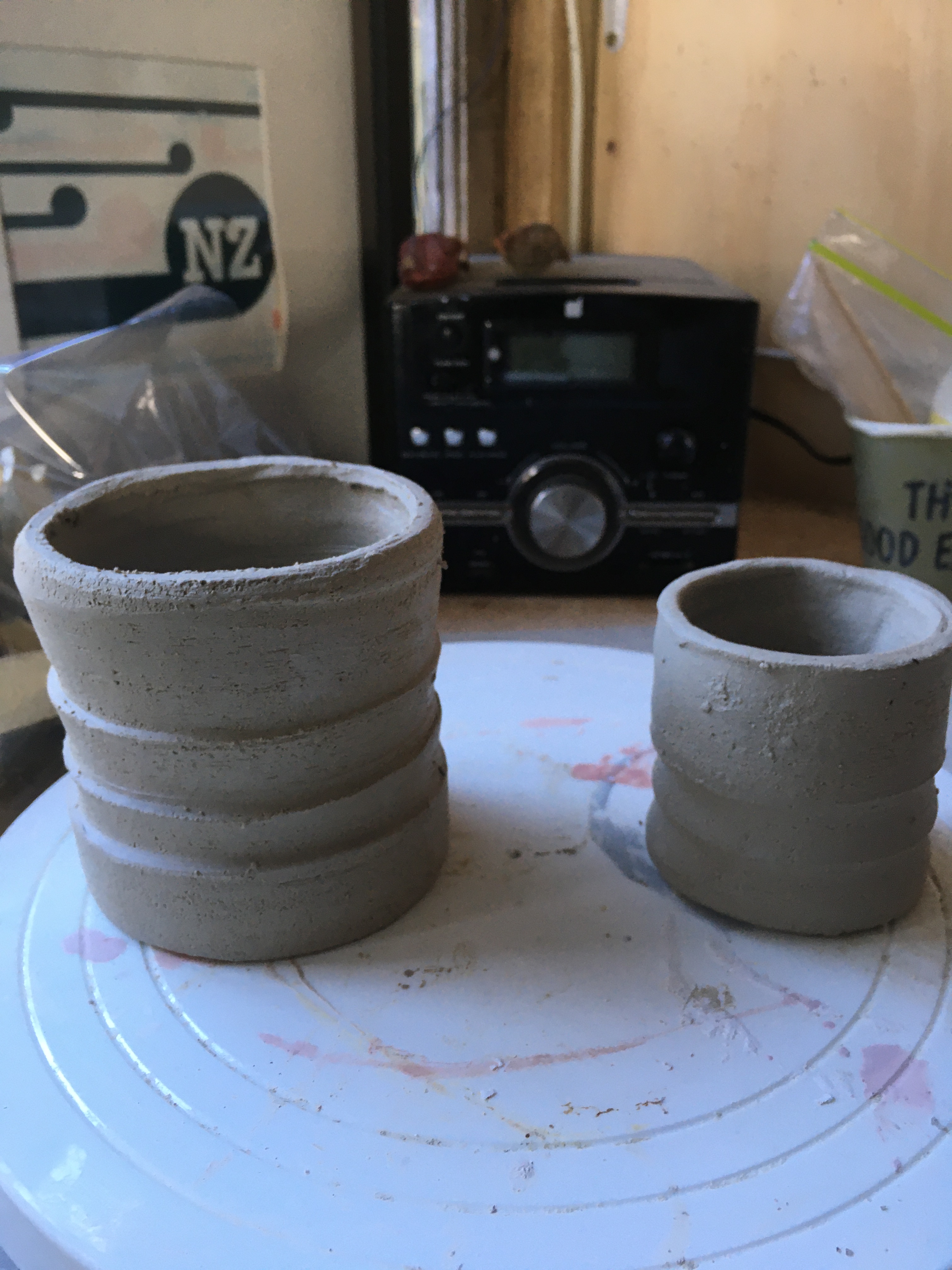
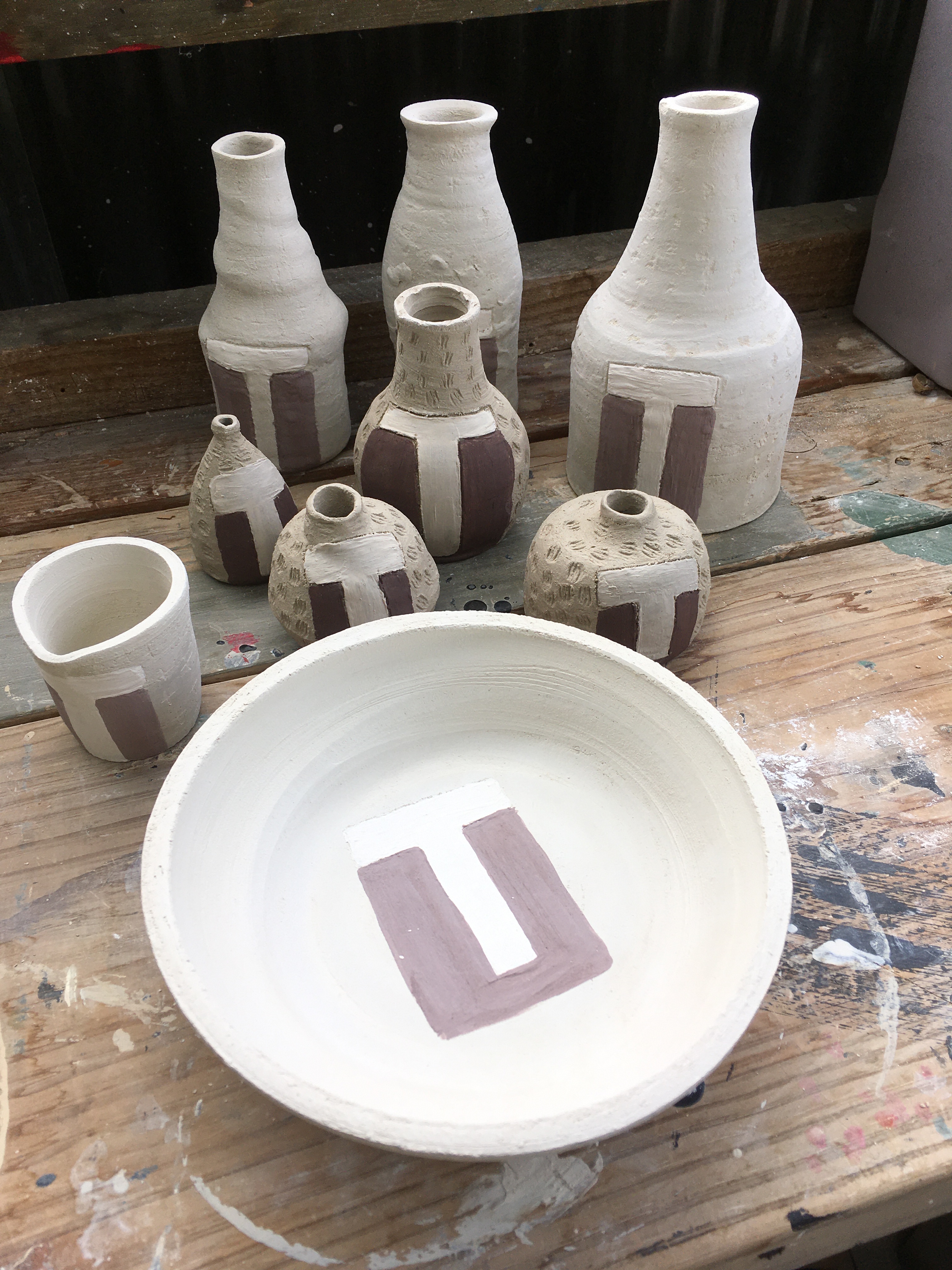
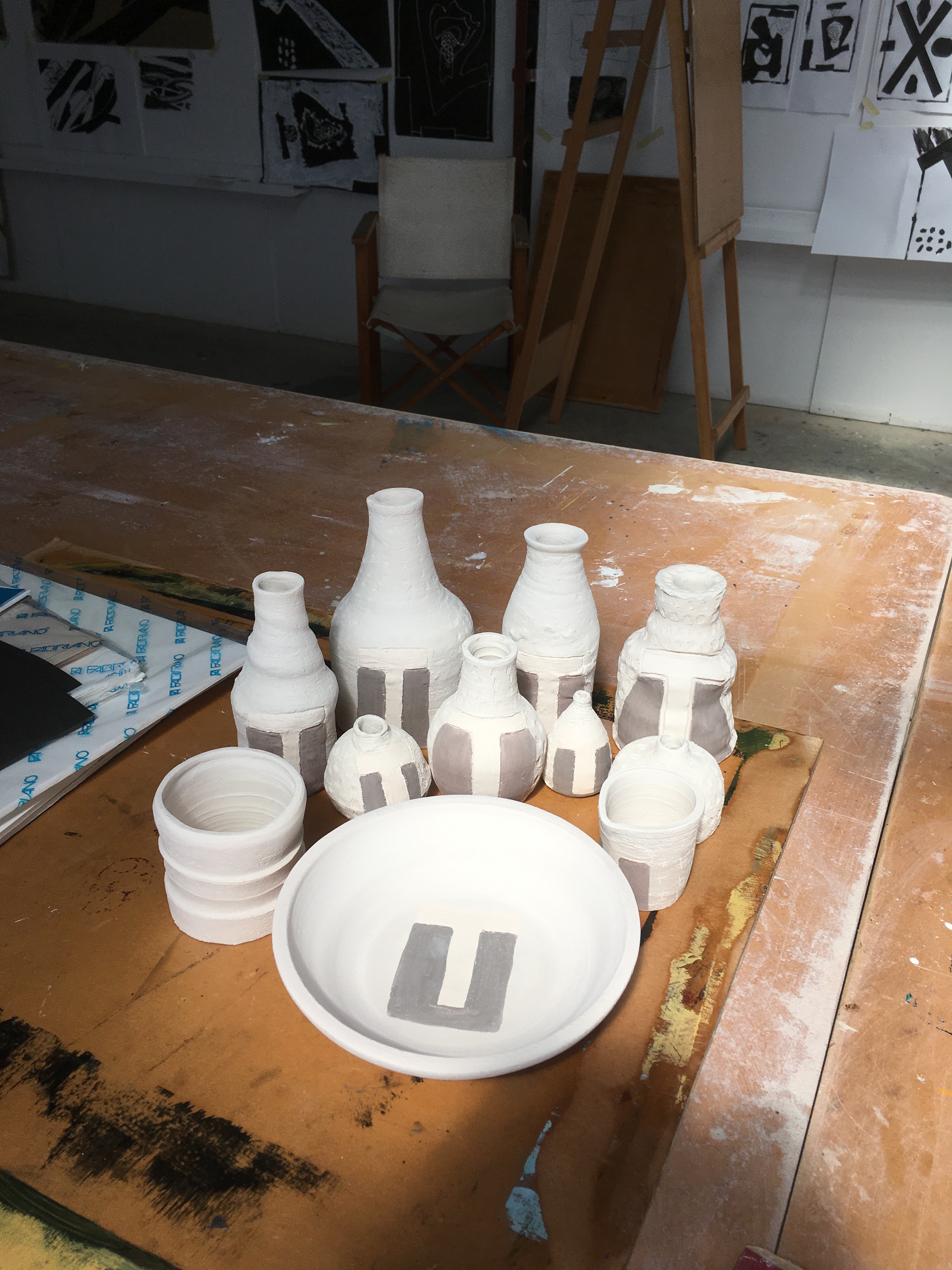
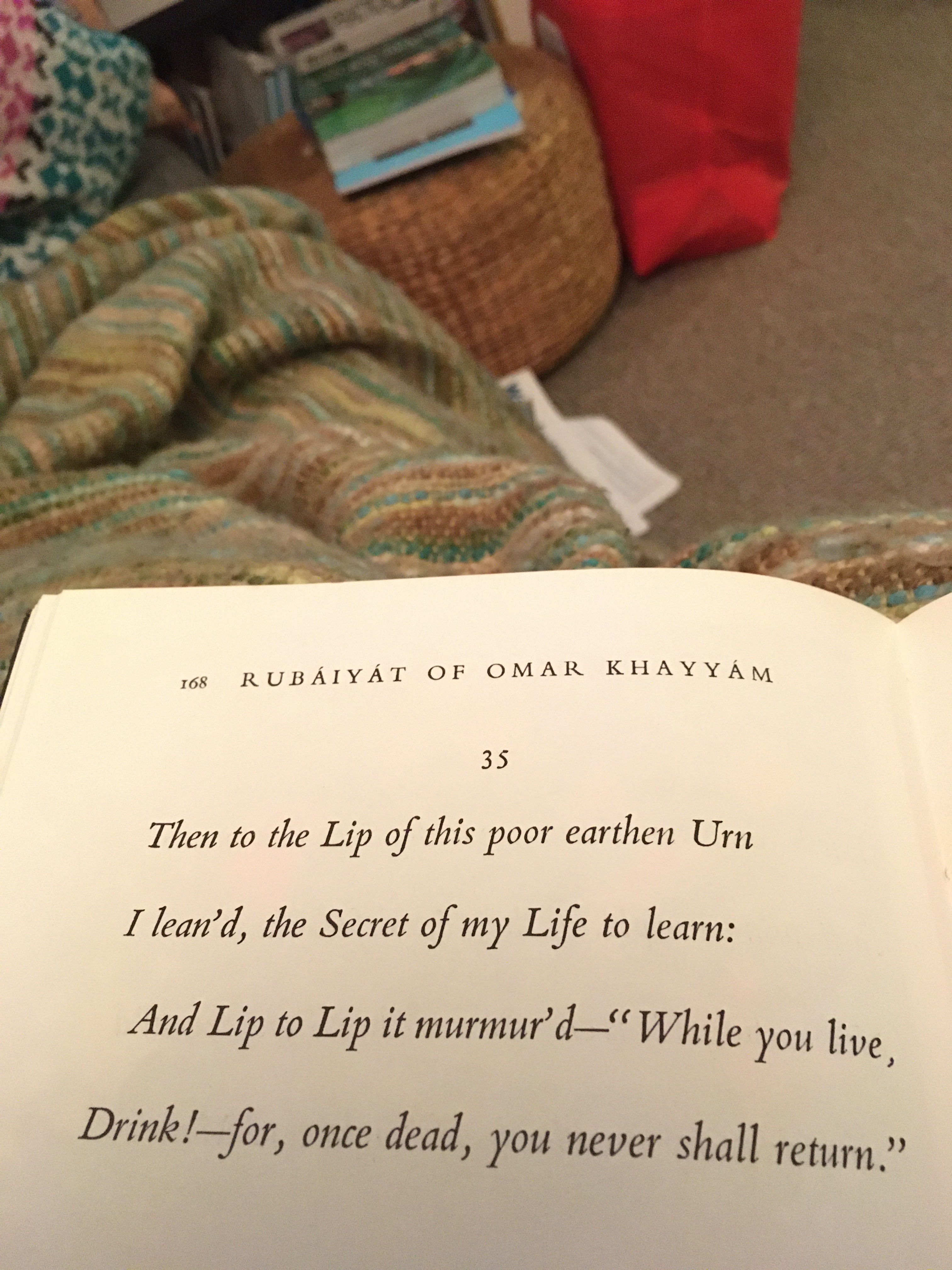
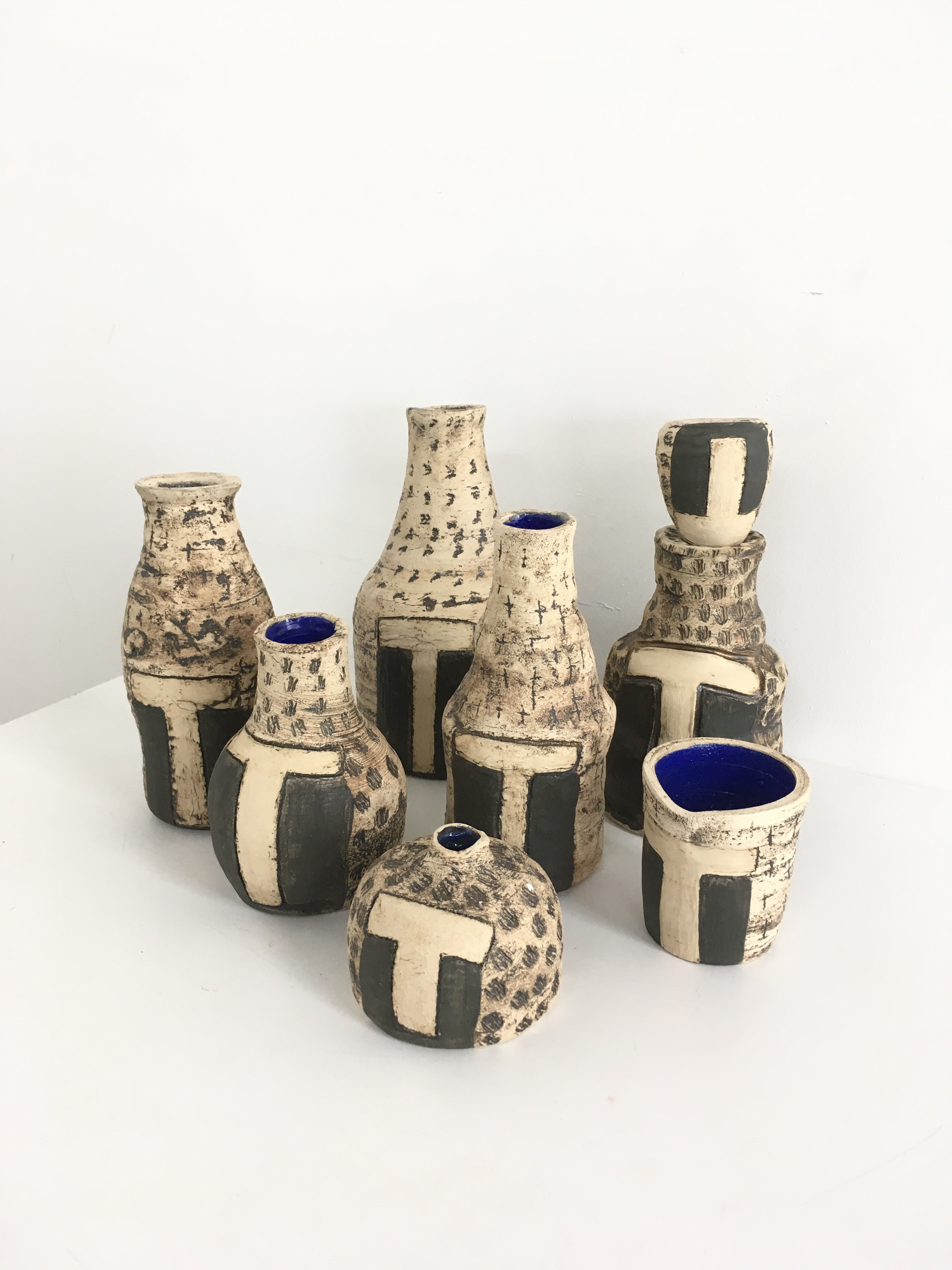
Tau cross of Colin McCahon incorporated in bottle work. Toms white and black engobe applied. Texture applied to take oxides.Thumb print pushed in.Some design on cylinders.Practice making cylinders. Still Life awaiting bisque firing. Tau cross and texture applied with thoughts of protection. Toms black and white engobe as a basis for decoration. Oxides to be applied on bisque ware.Still Life bisqued to 1000 degrees centigrade. Toms black engobe has not turned black at this time as the heat temperature of the kiln has not been hot enough. The glaze firing should realise the black engobe.A quatrain in the poem (Rubaiyat ) of Omar Khayyam to support the still life. This poem focuses on the earthly pleasures of man and reminds us that life is short. Another quatrain suggests that it is hard to distinguish the Pot from the Potter or Man and his Maker. May his light shine. ( Colin McCahon)
Cobalt blue applied to the inside to represent the heavenly element.
Urn ( urna, Latin word for a jar or vessel) made to practice on the wheel. Made in sections but clay too soft so urn collapsed but fired with engobes and clear glaze. This piece still has energy as a ‘skin for nothingness’.
Our third module of throwing with Anne Hudson. A chance to practice and develop the haptic quality of our hands.
Encouraged by Anne Hudson to develop the haptic quality of our hands.
Our project with Anne for this module is to persue a personal form. We need to demonstrate a concept or ritual, metaphor and or document. A creation of a group of vessels made by hand or wheel or both and we need to push the envelope and experiment with the idea of vessel.
A few attempts at throwing and on a day when I was focused I surprised myself by throwing all of the wedged Whitestone clay without any collapses and trimmed them before leaving as the pots were drying quickly.
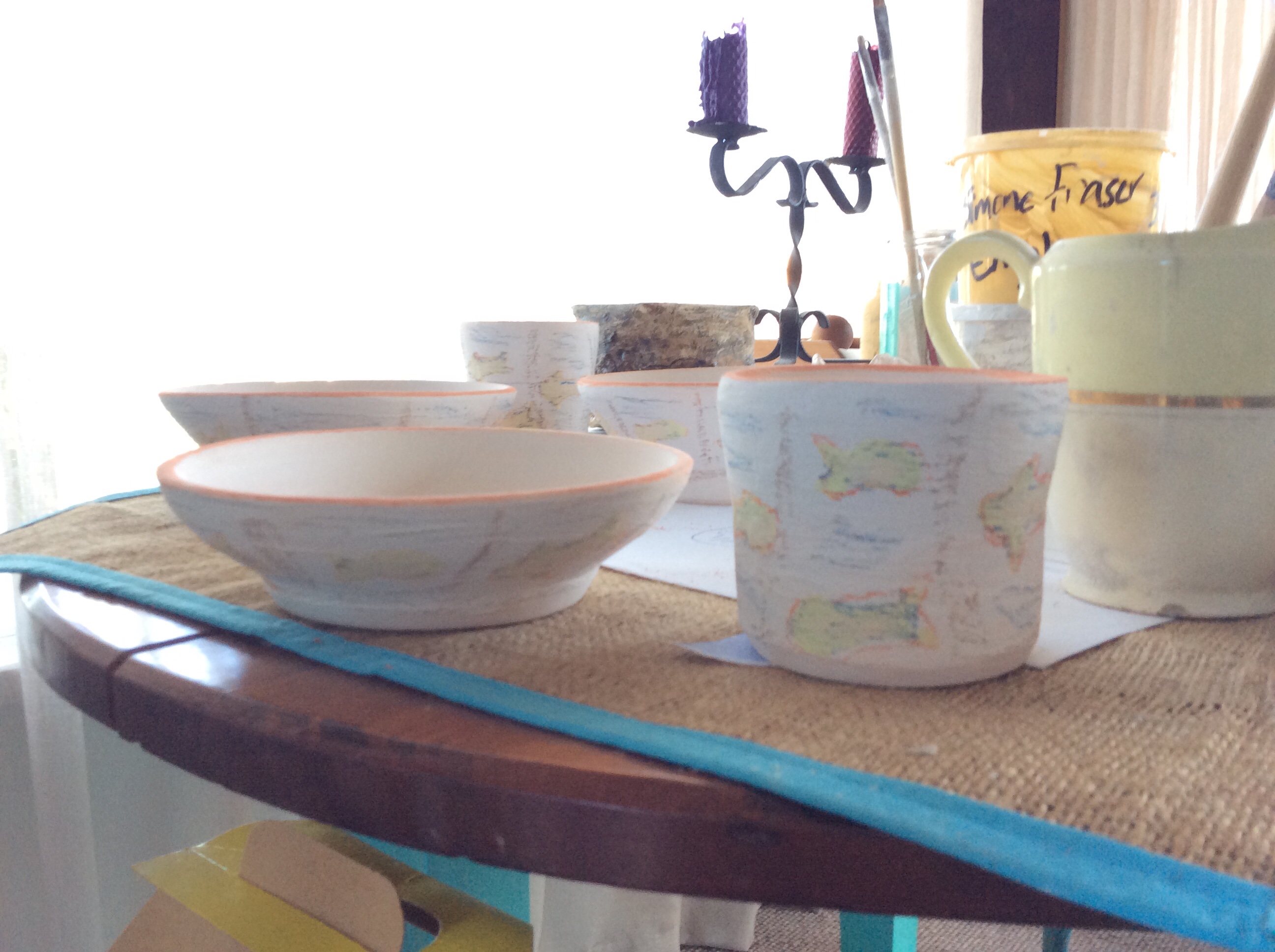
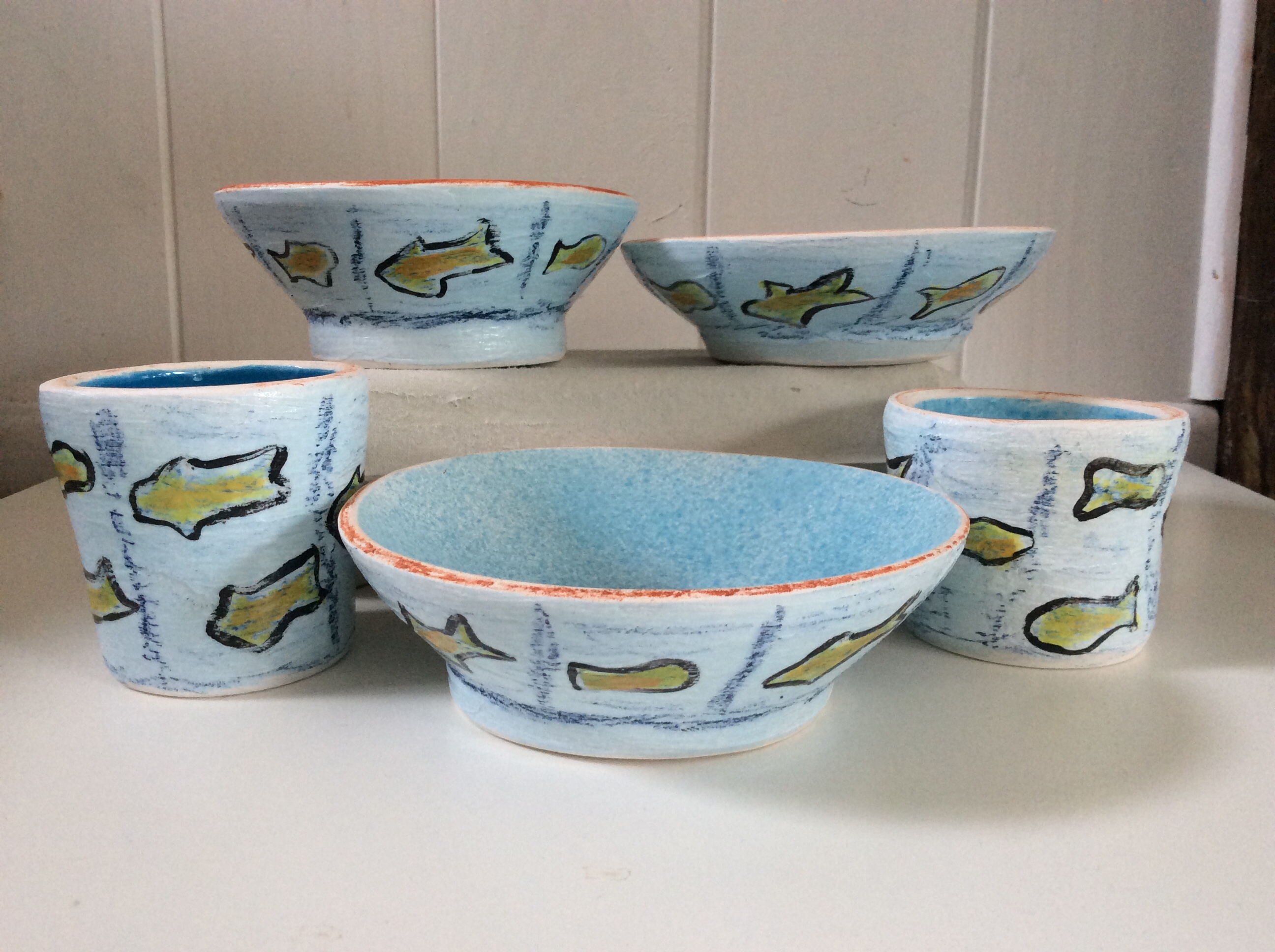
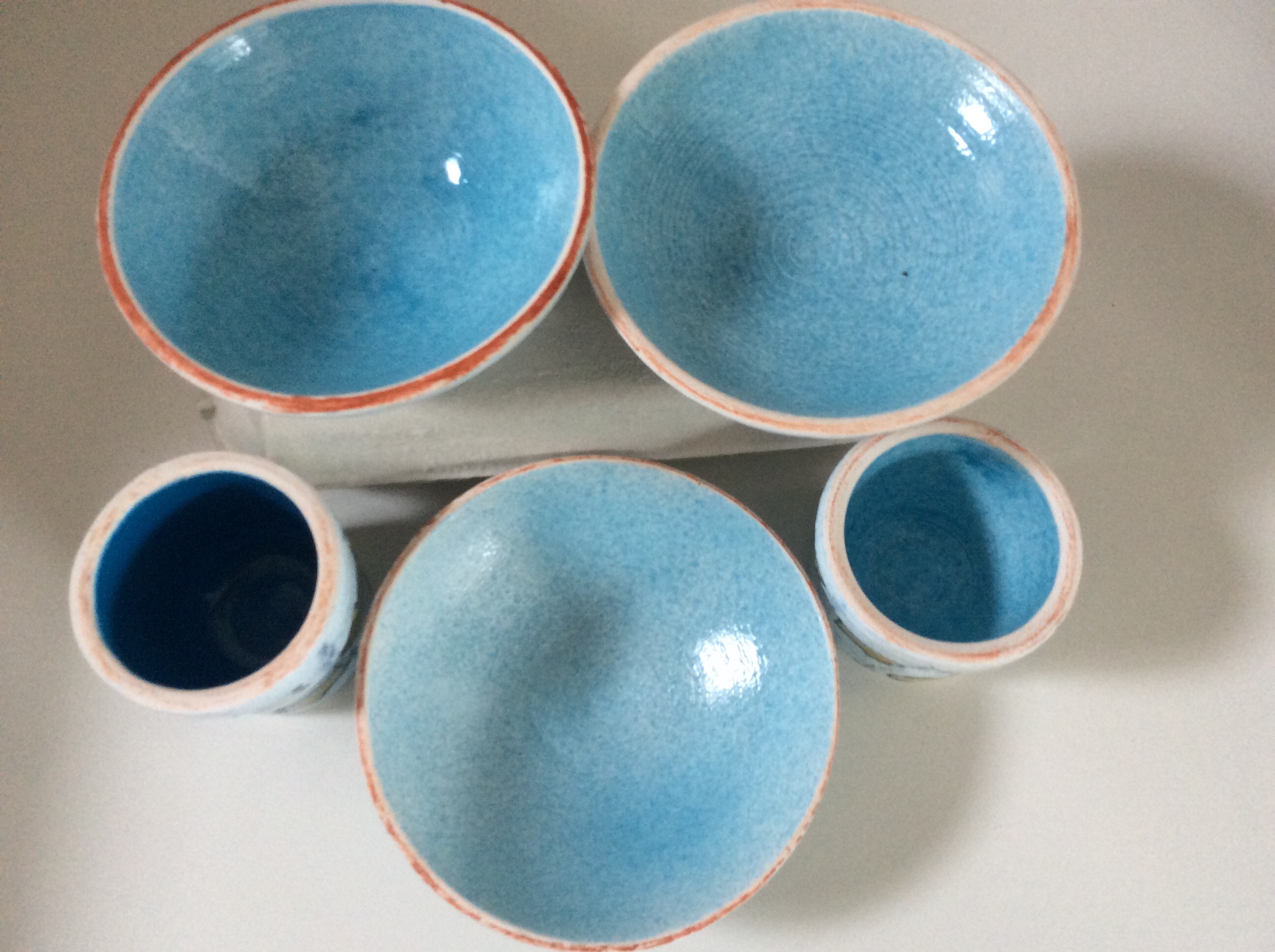
Bisque fired to 900 degrees Celsius with Toms white slip applied on the outside. Glaze fired to 1170 degrees Celsius. Decorated with blue stained crayon made with bees and candle wax. Used on inside of ripped fish shaped stencil made from black paper. Green And orange stain in slip applied on top. Iron oxide pencil used to outline and Toms black slip used around shape. Inside turquoise stain added to 271D clear and sprayed in. Yellow ochre pencil run around the rim.
The yellow che pencil along the rim only partially survived in the firing so will use slip or glaze next time.
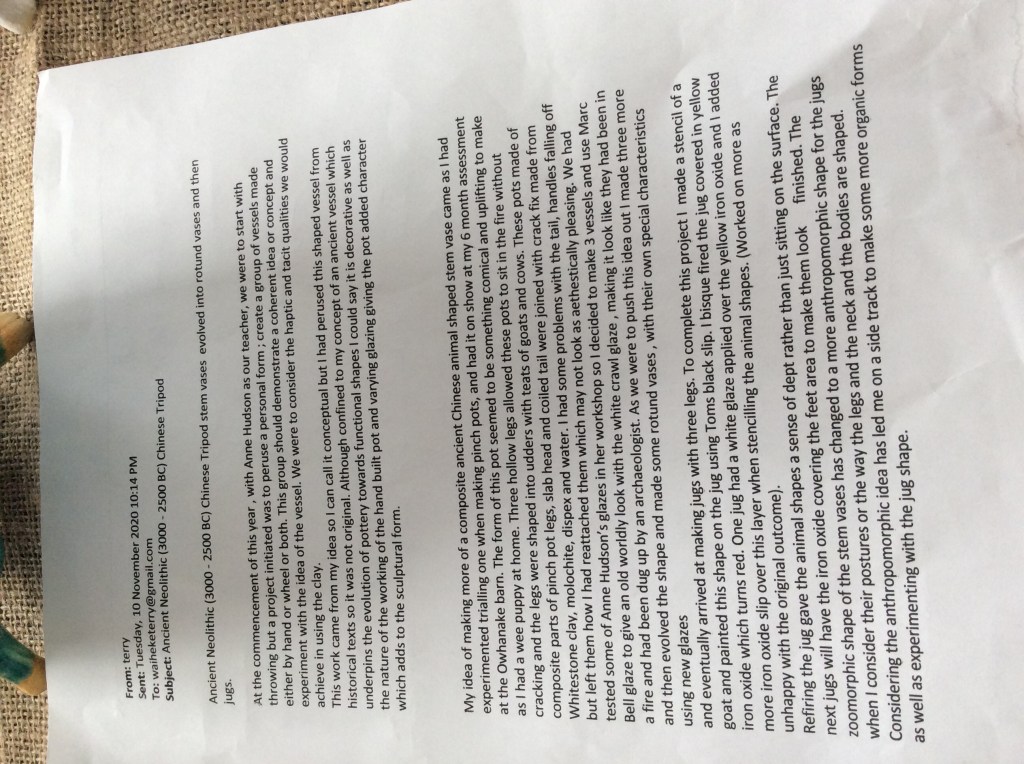
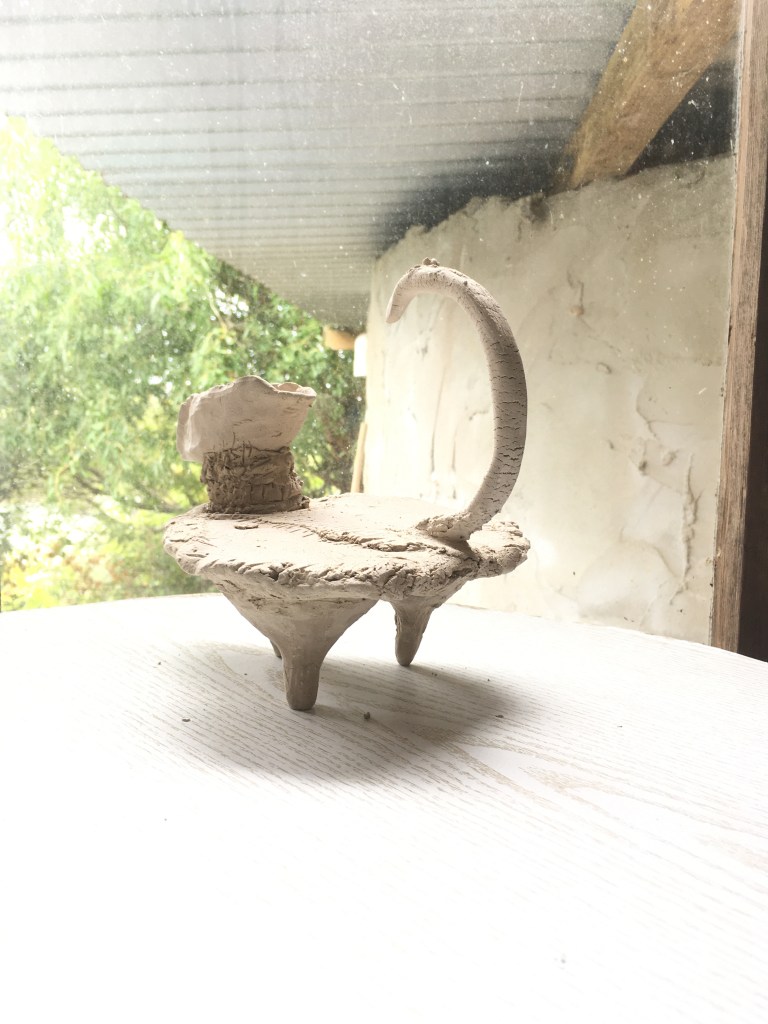
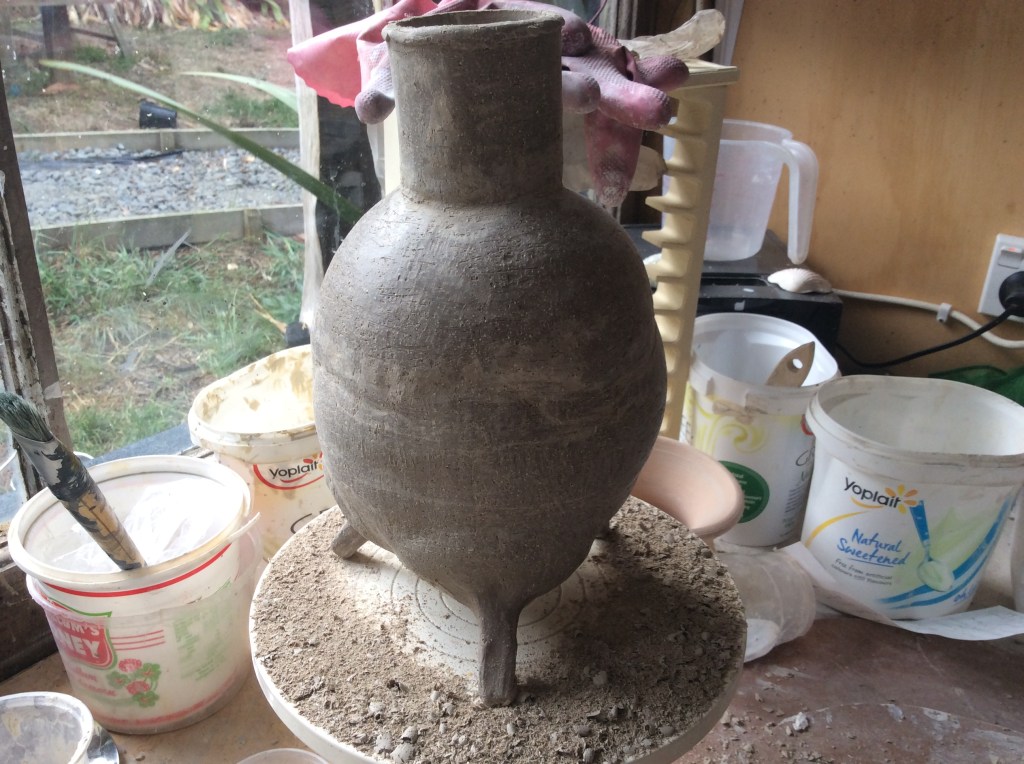
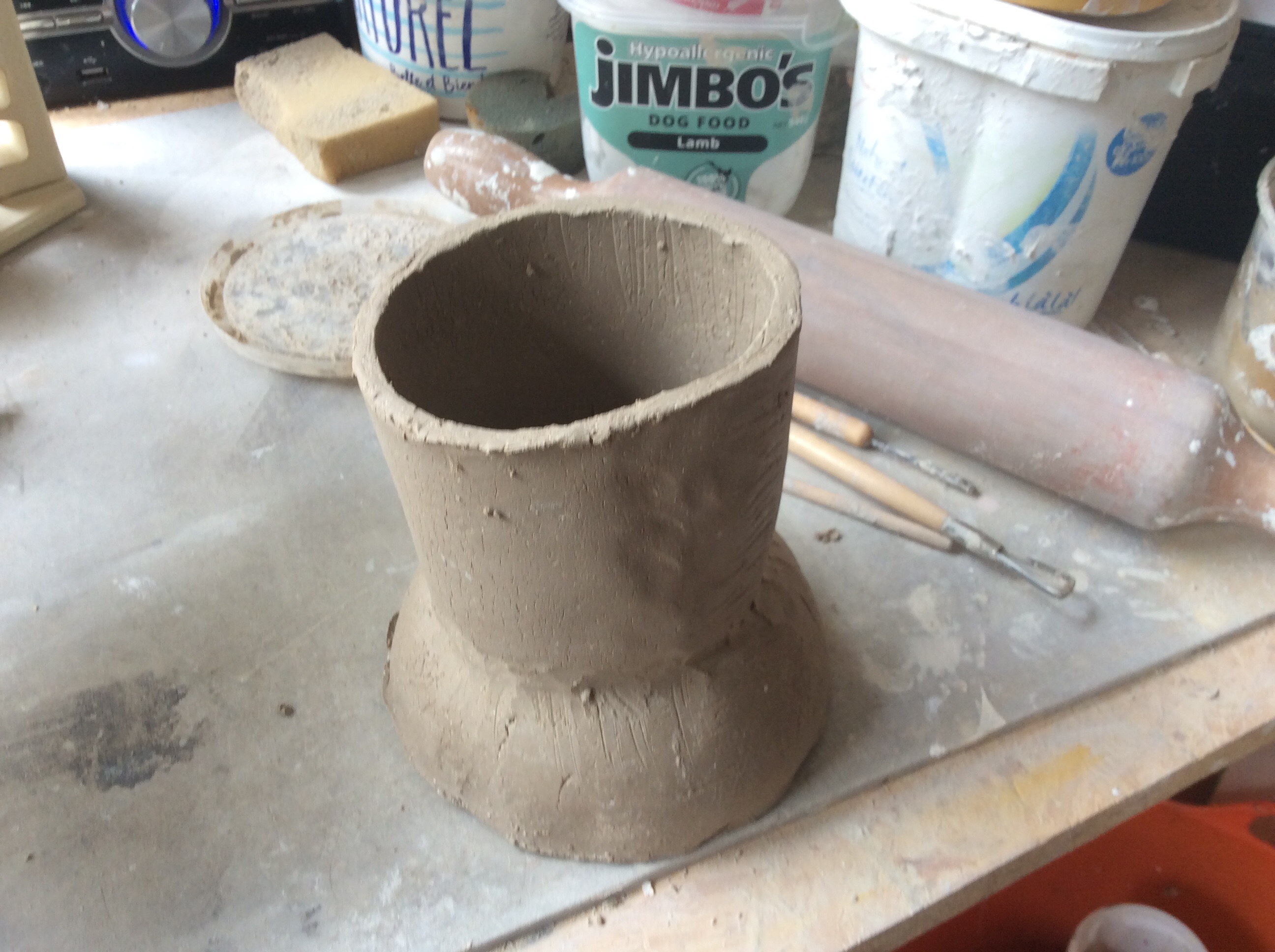
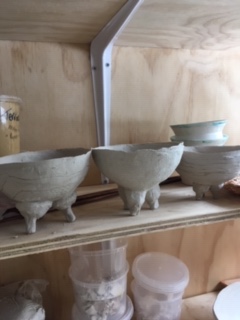
Once Anne suggested making something from ancient times I decided to work off a tripod vessel made in China in the early Neolithic period, that I had attempted to recreate for my 6 month assessment.
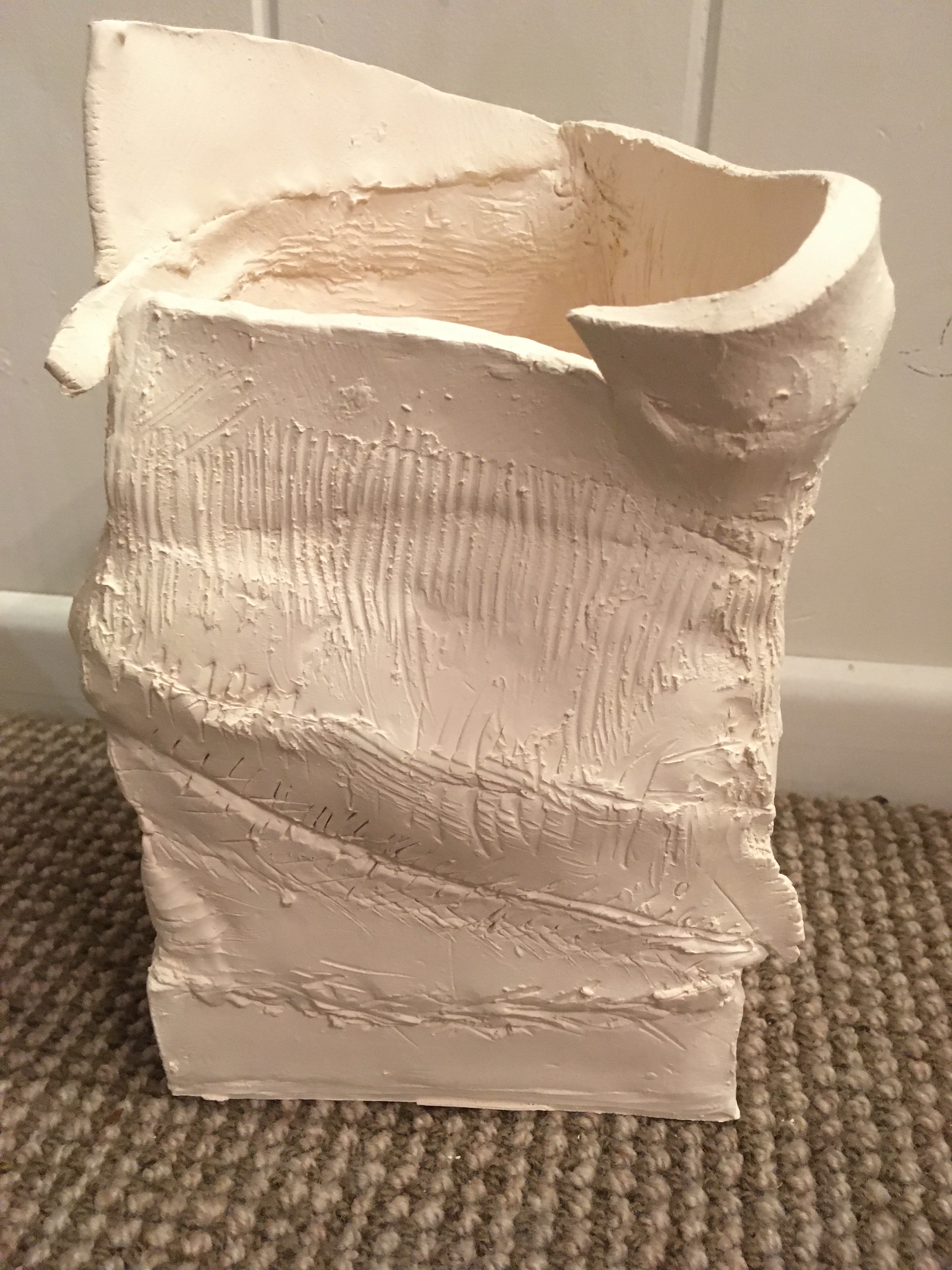
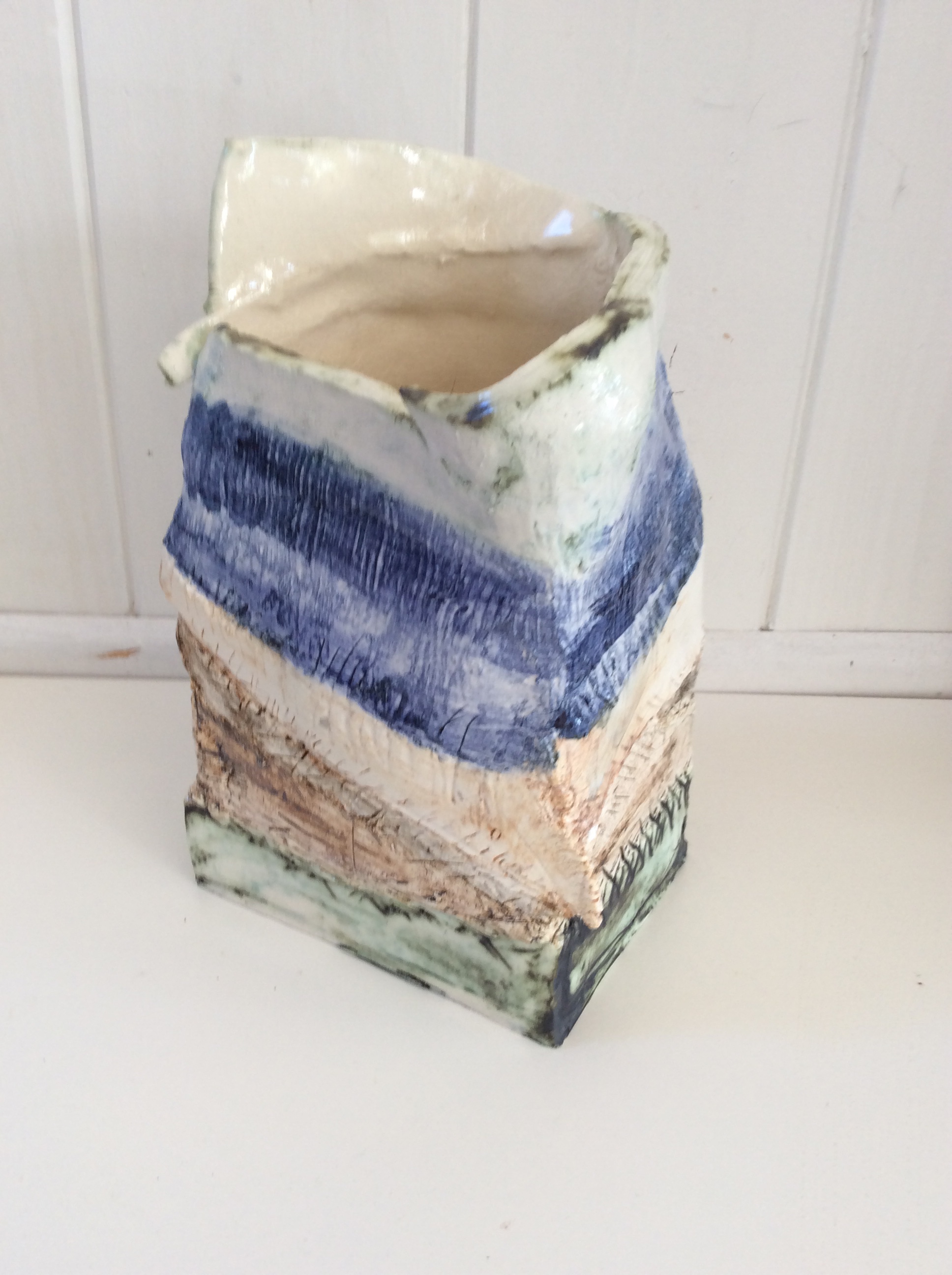
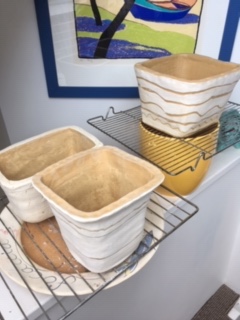
Idea of a contemporary random slab vase to get my creativity going. Testing glazes at Anne Hudson’s studio prior to glazing.
Great significance was ascribed as shape of tripods suggestive of goats or cows udders were important for ritual activity. Hollow legs meant vessels could be placed directly in a fire without fear of cracking.
Made in pieces and Whitestone clay, molochite, paper and water used to put pieces together.
Trialling glazes at Anne Hudson’s studio with thoughts of using on tripod vessels to make them more contemporary.
John Parker silicon carbide fired at 1170 degrees centigrade. On Whitestone.
Alkaline white where copper turns blue at 1170 degrees centigrade. On mid fire porcelain.
Marc Bell glaze fired at 1170 degrees centigrade. On Whitestone.
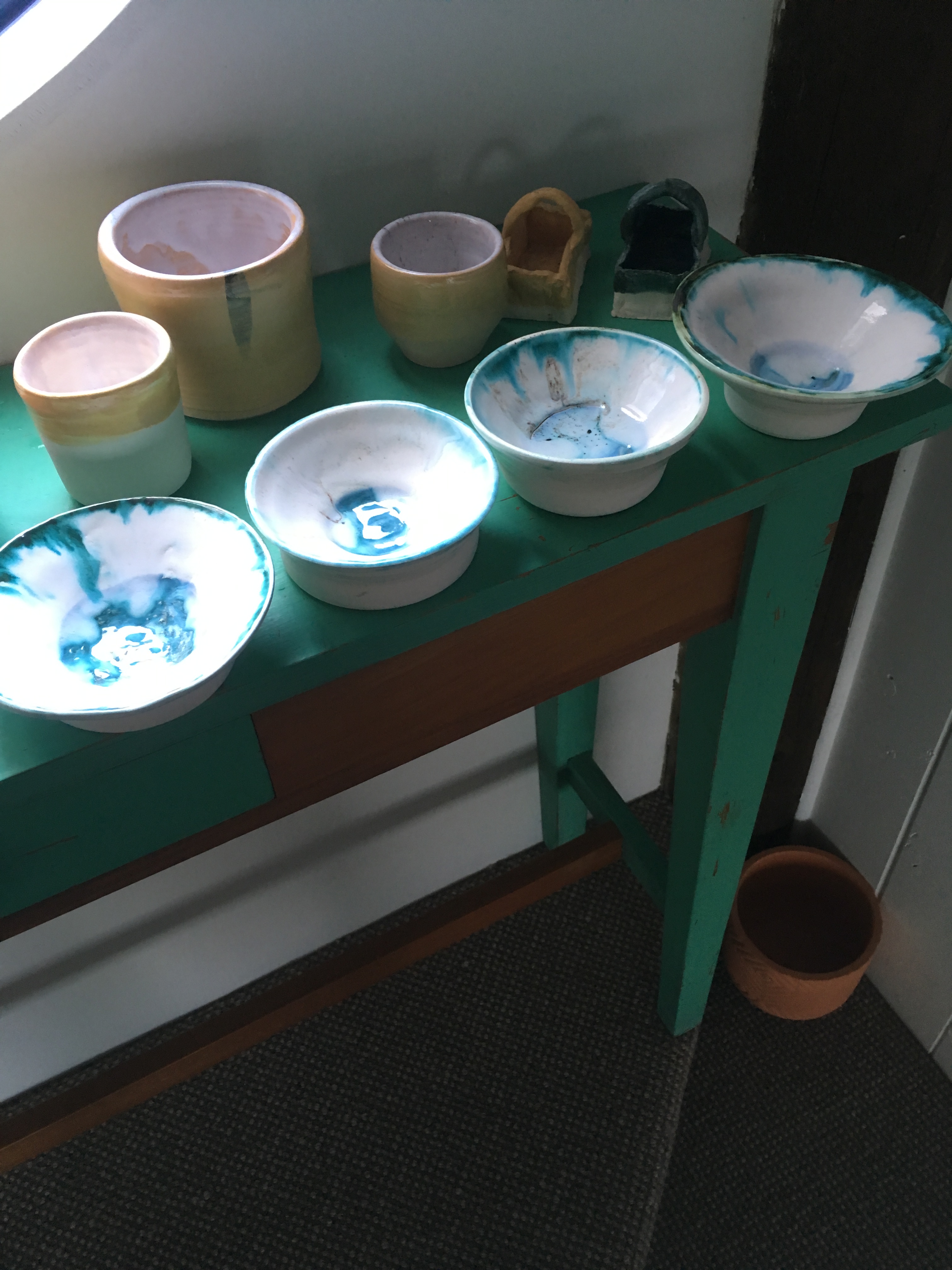
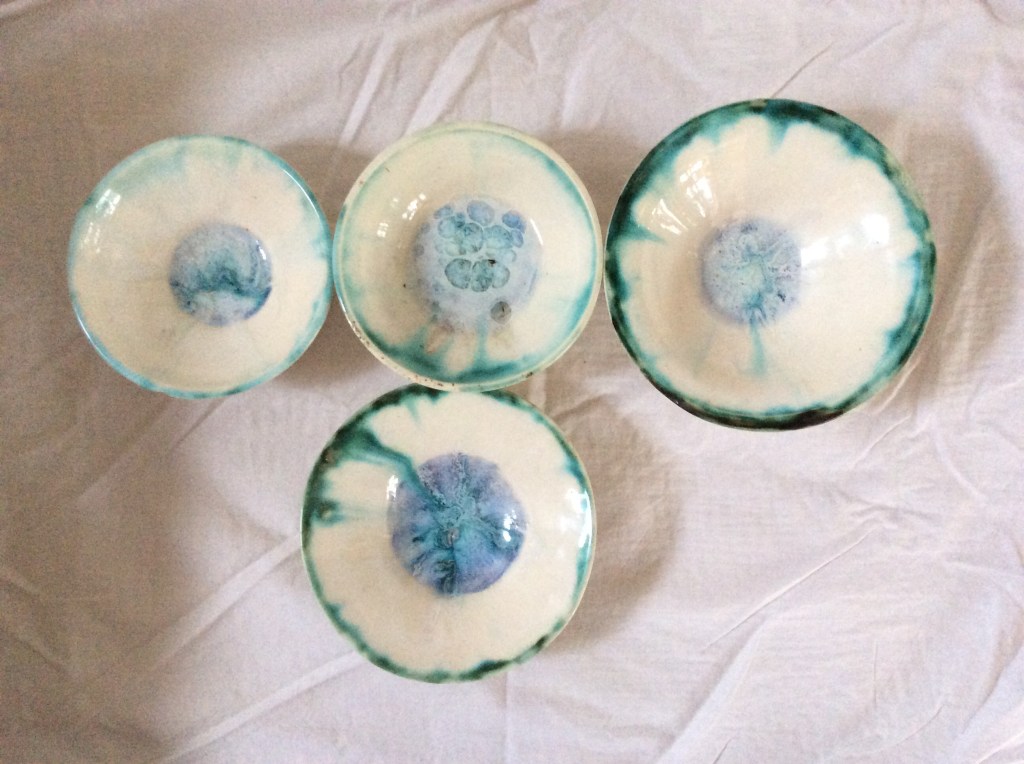
Anne’s alkaline white glaze over copper varies considerably. The bowls where it shows as pale blue had copper oxide applied before being bisque fired and as it was black and powdery it was wiped back before the glaze was applied. The bowl where stripes of copper have turned metallic black had copper oxide applied prior to glazing. For a consistent effect application will need to be the same.To make more stem vases to add to grouping for module completion and to be able to have quantity to bisque fire.I
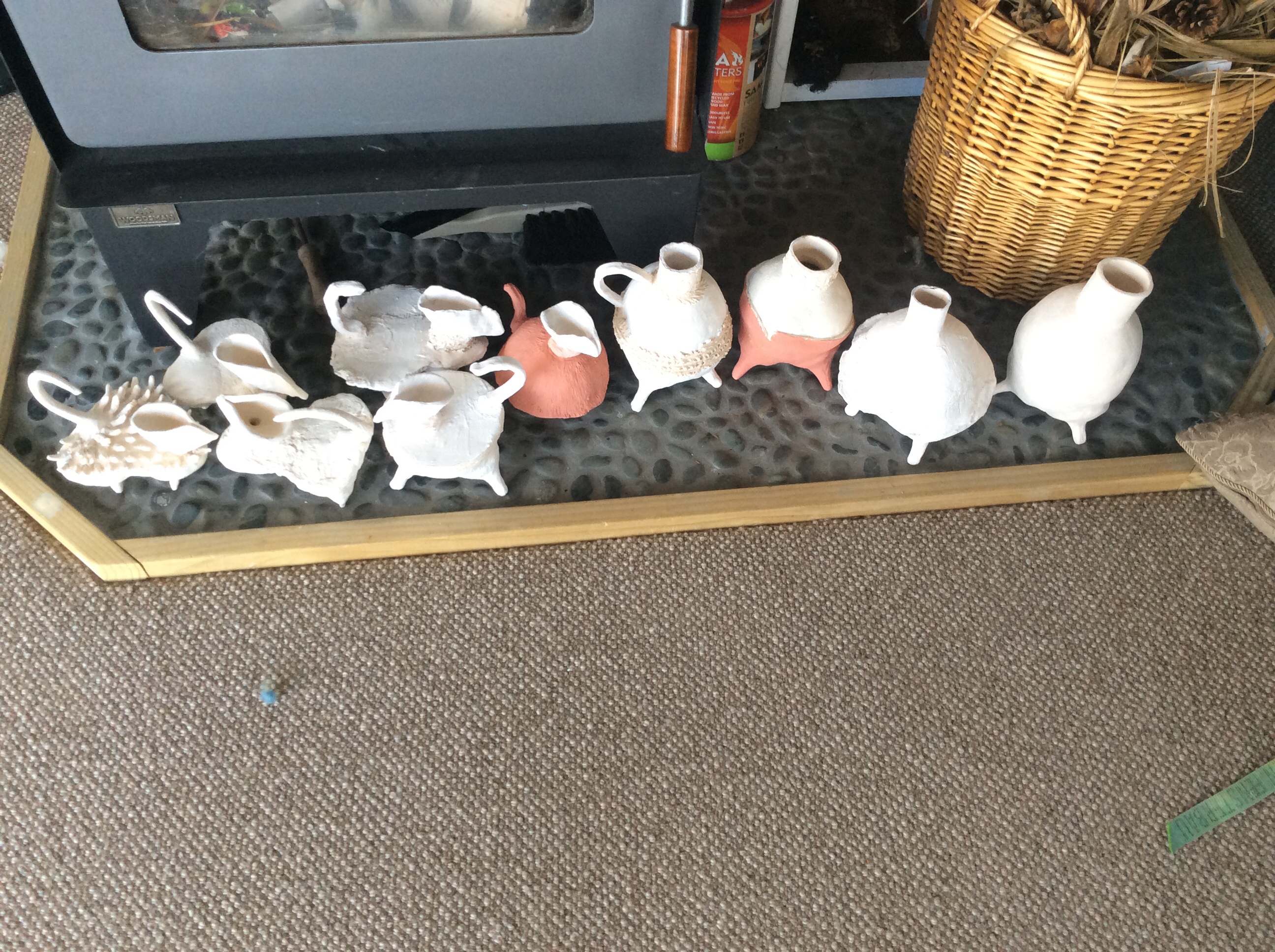
Vessels from Neolithic China evolving to a more contemporary shape of a vase to a jug.
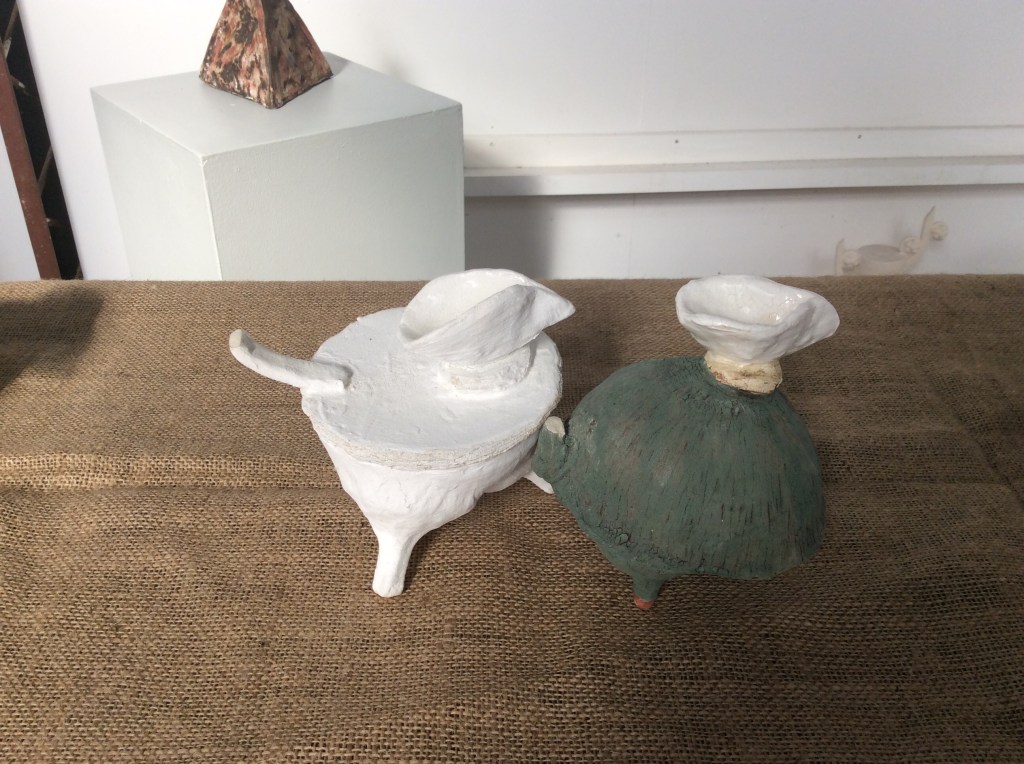
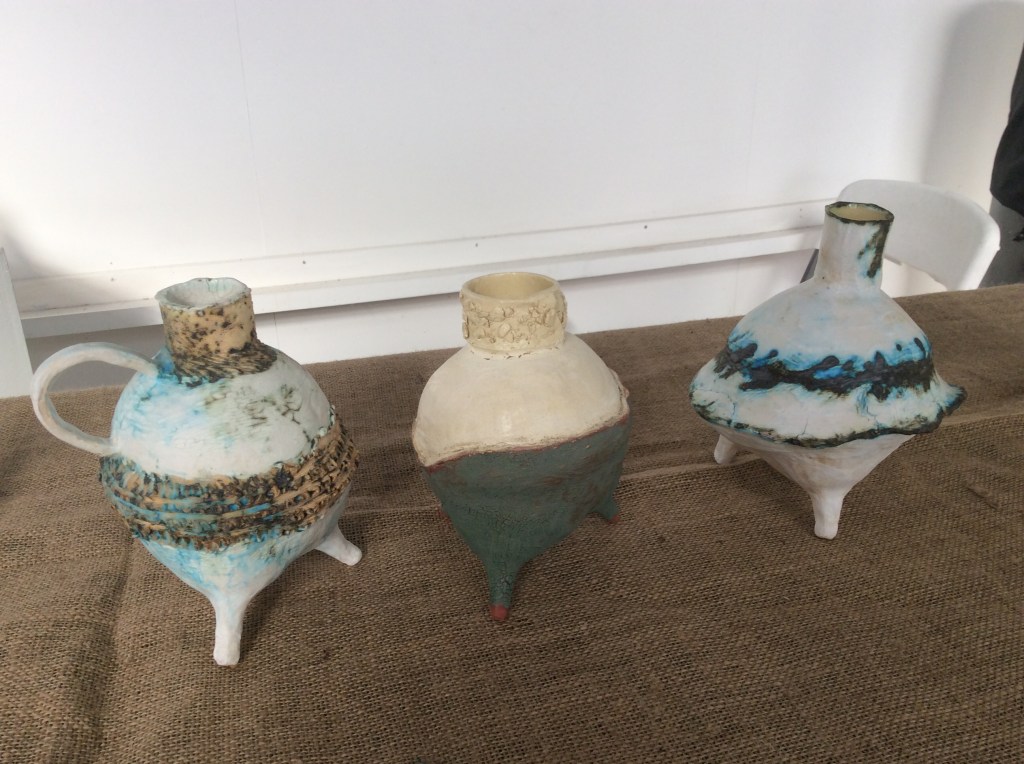
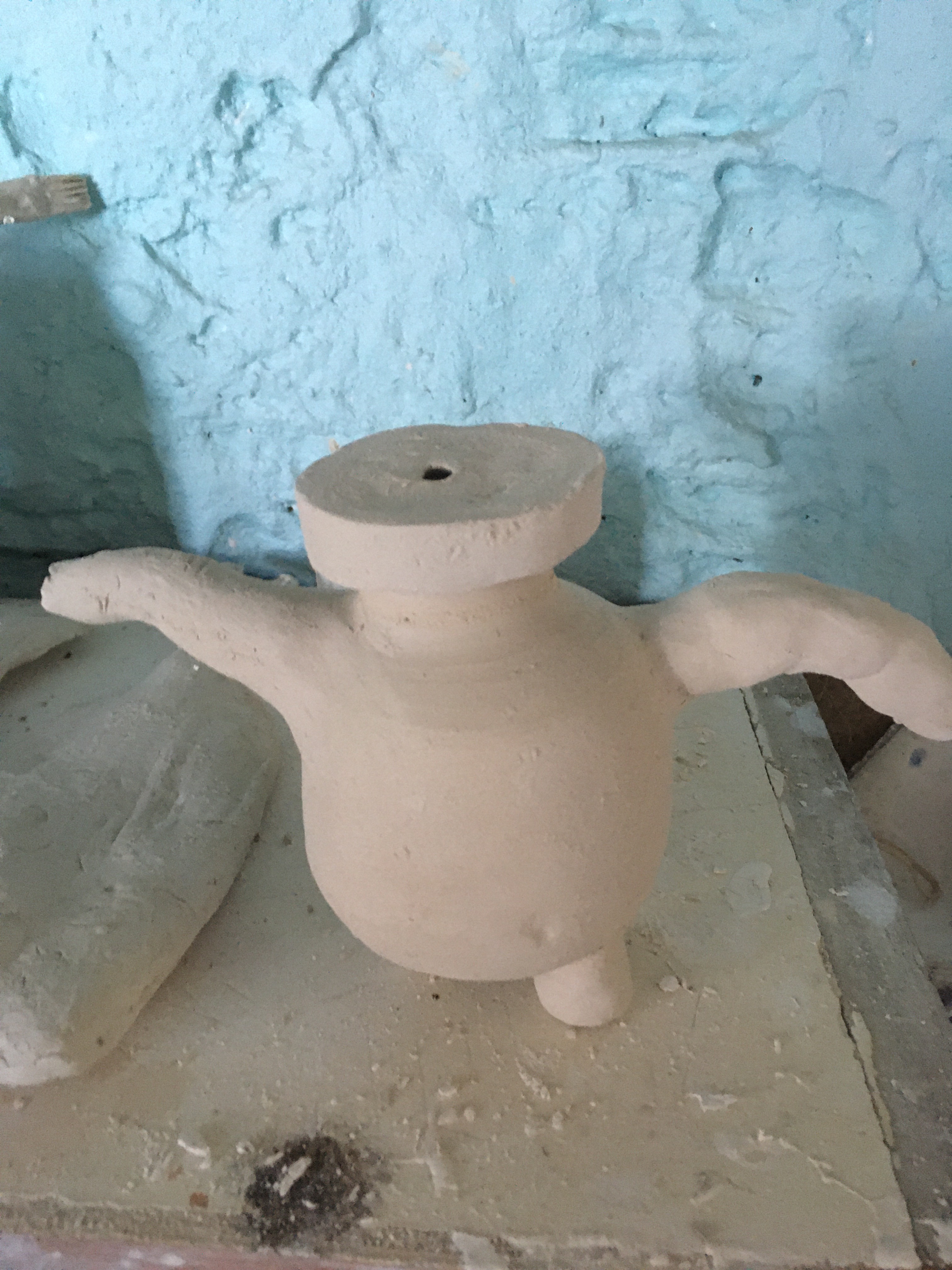
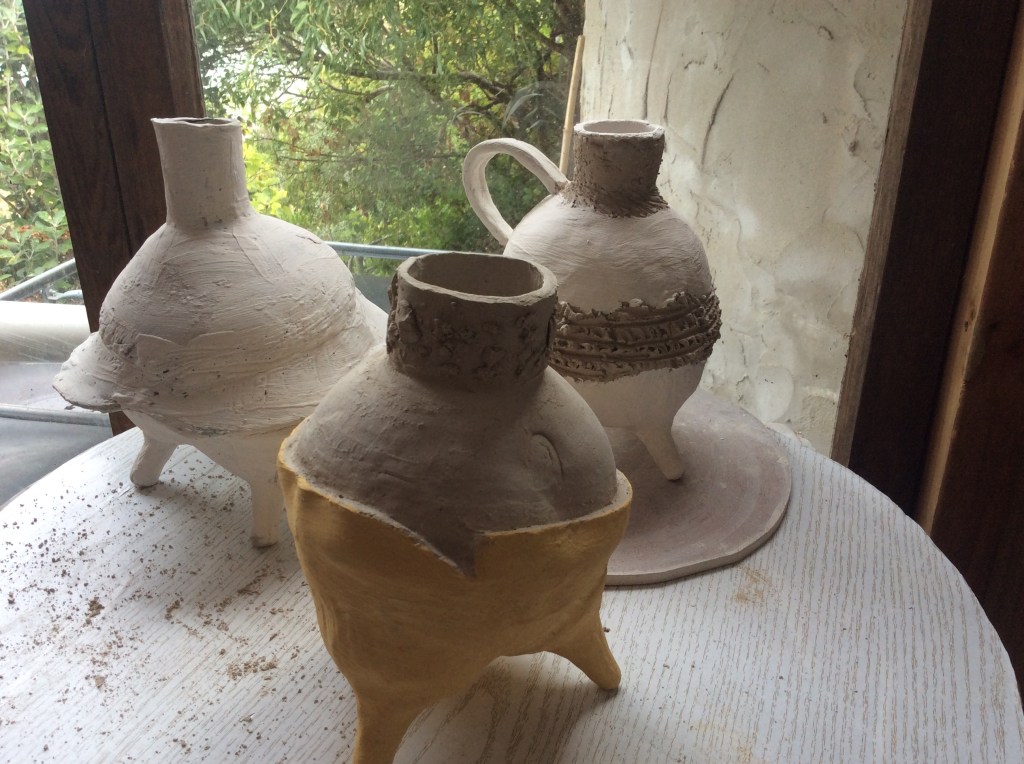
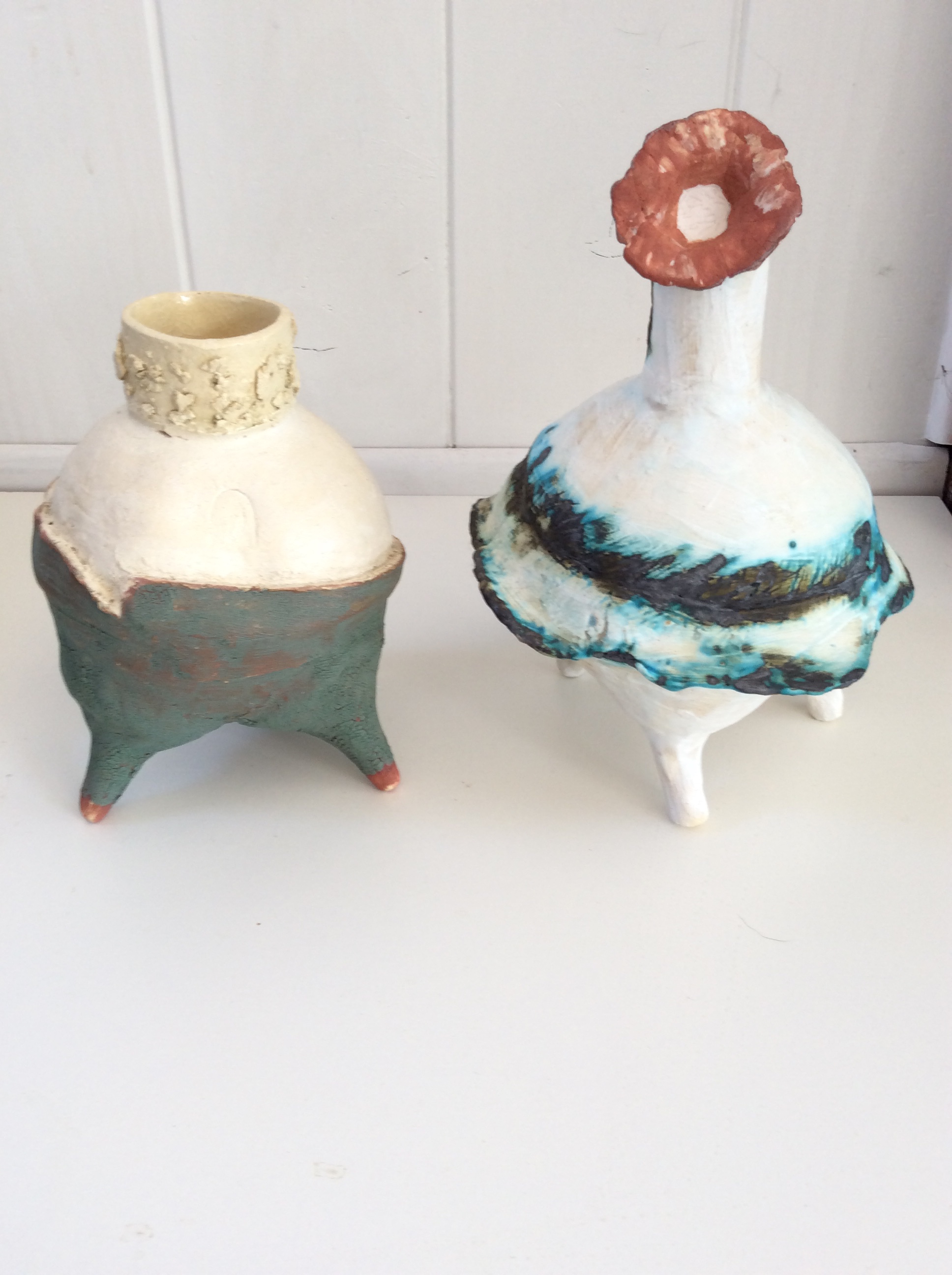
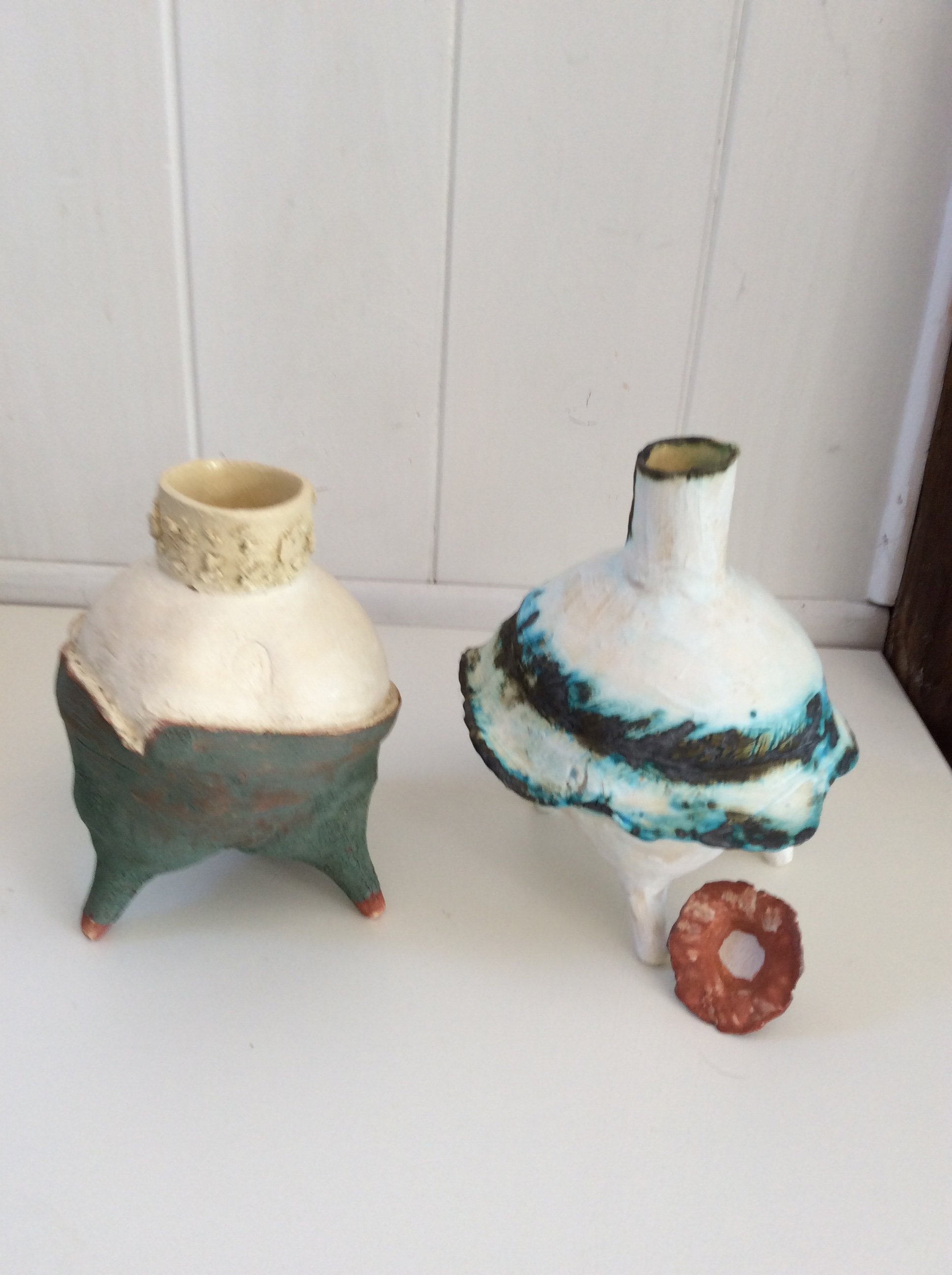
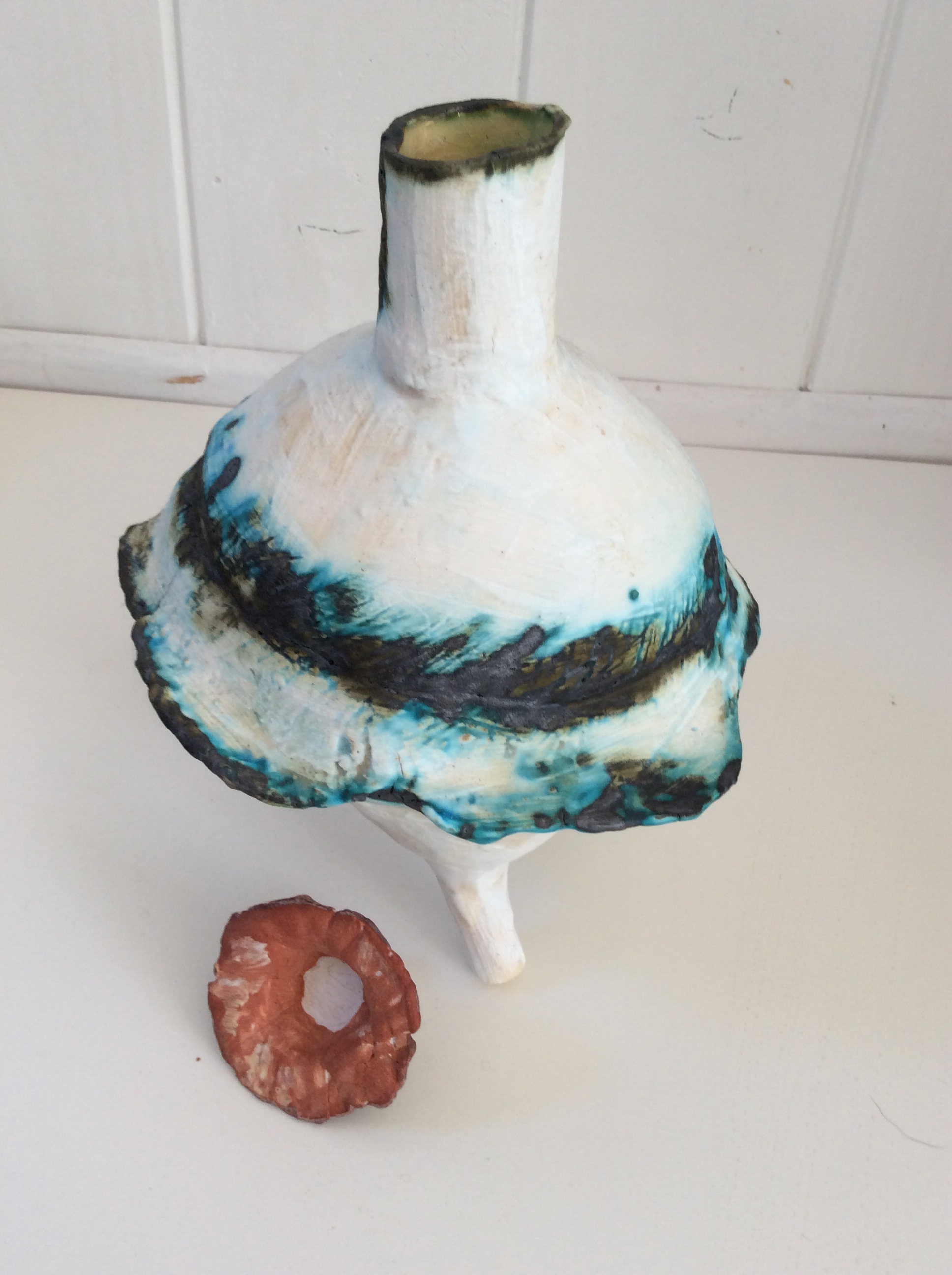
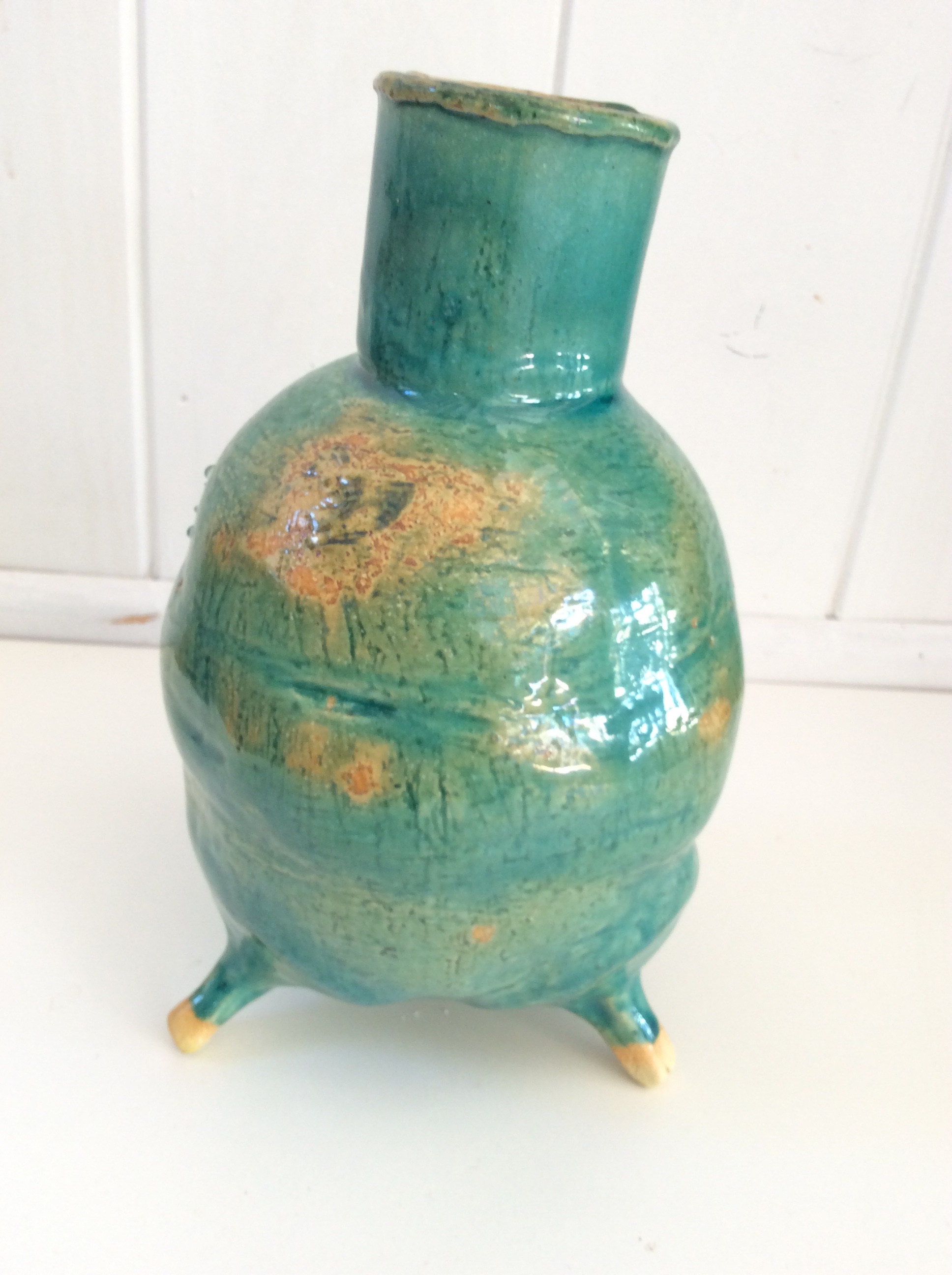
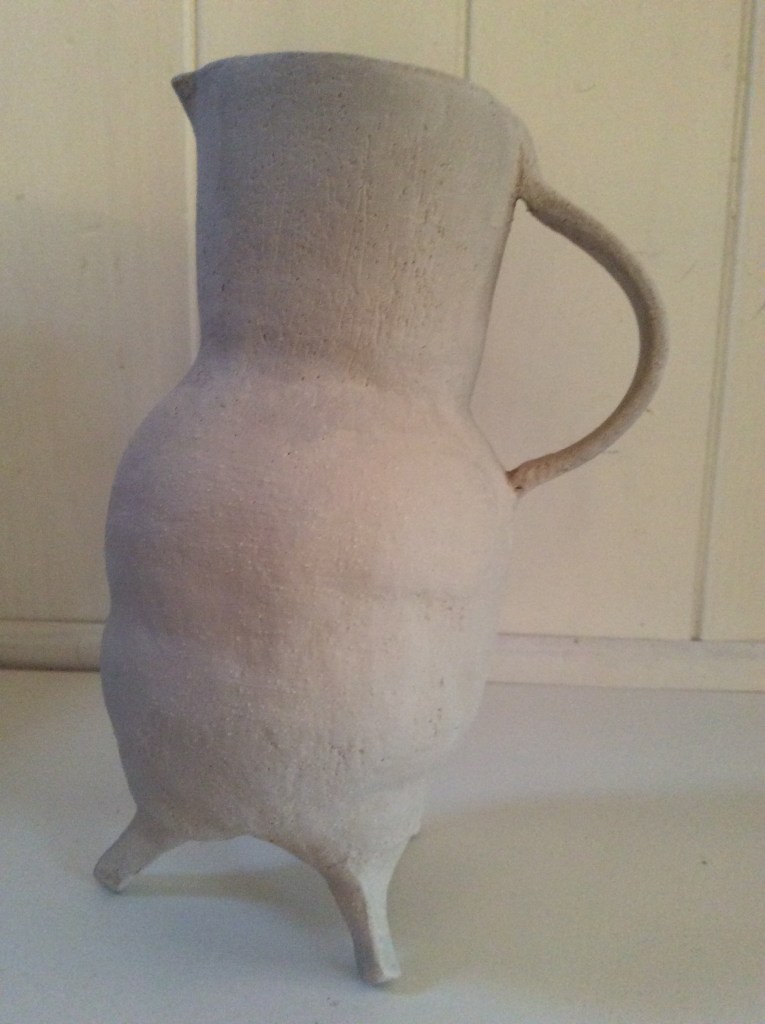
Vessels after a bisque fire to 900 degrees centigrade. My grouping of vessels moves from an animal shape with the focus on the teat like hollow legs to a vase shape with the focus moving to the rotund body and next is a move to focus on a shape of a jug with the 3 pronged legs which are more stable on differing surfaces.
Broken leg to be mended
Leg replaced and hopefully will stay on .
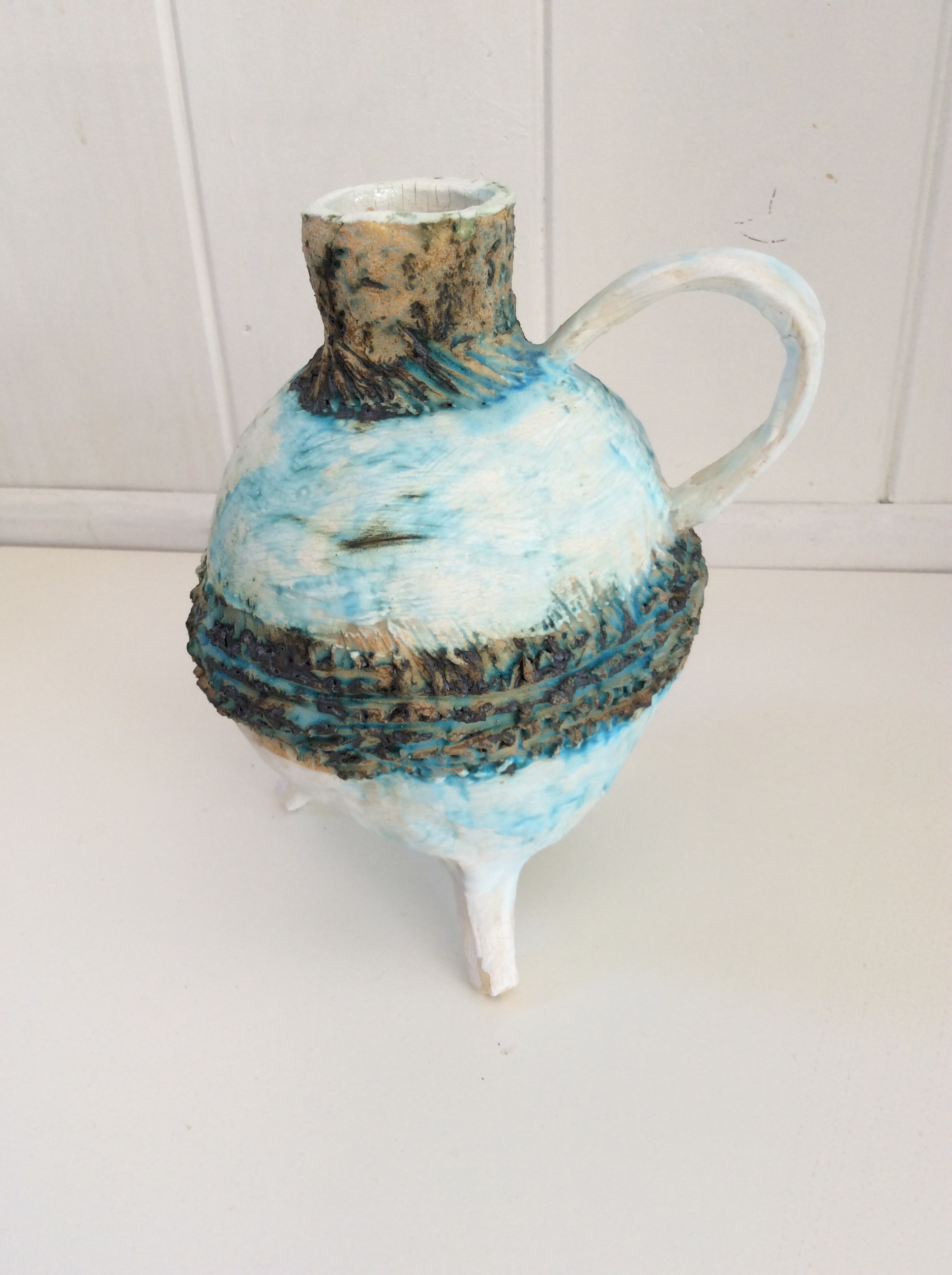
Vessel has evolved into a 3 legged jug.
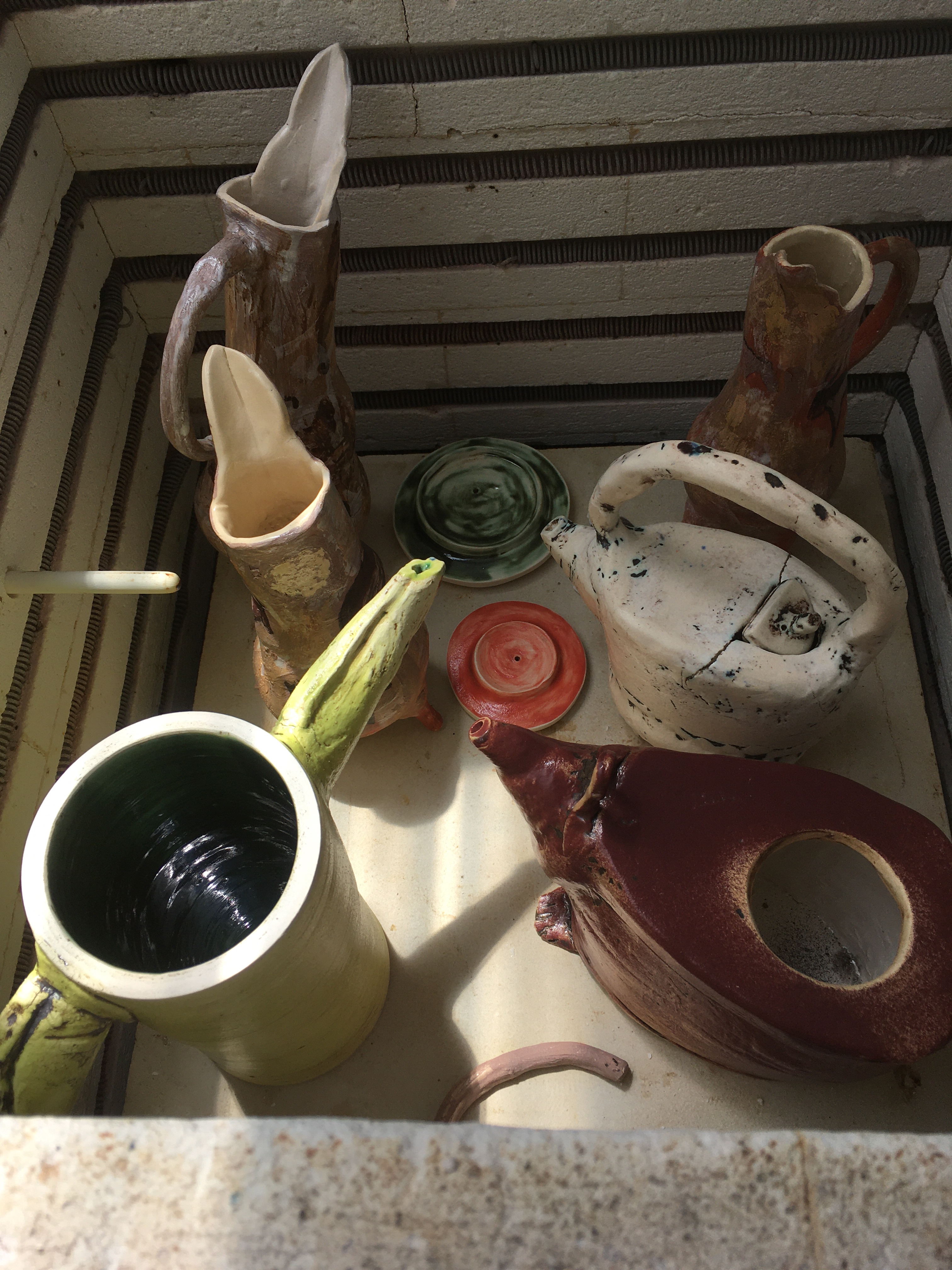
Glaze firing to 1200 degrees centigrade.
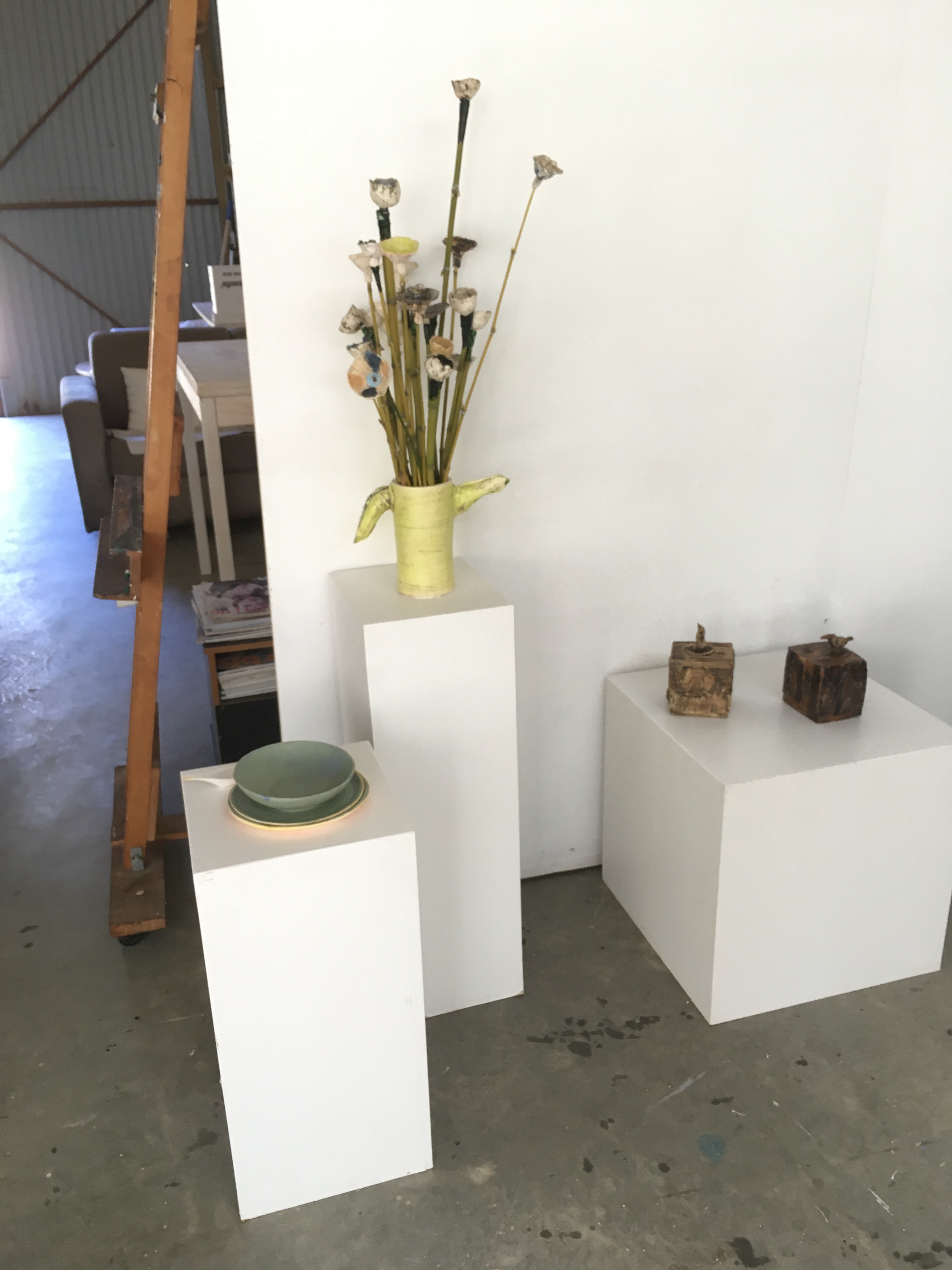
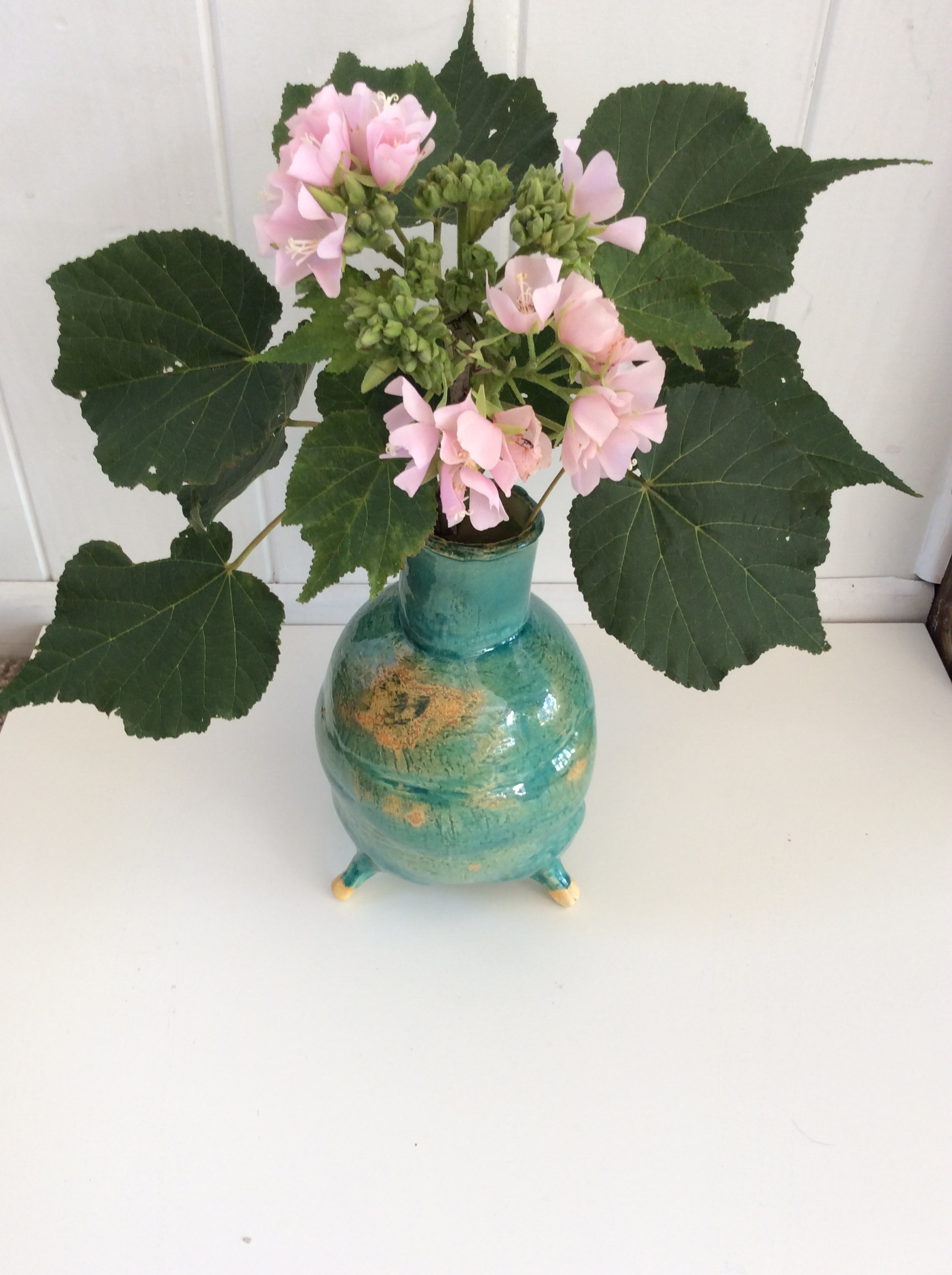
The ancient stem vases have been evolved into more contemporary vessels to hold flowers or water. A paper clay Waka is symbolic of the pottery journey for this year.
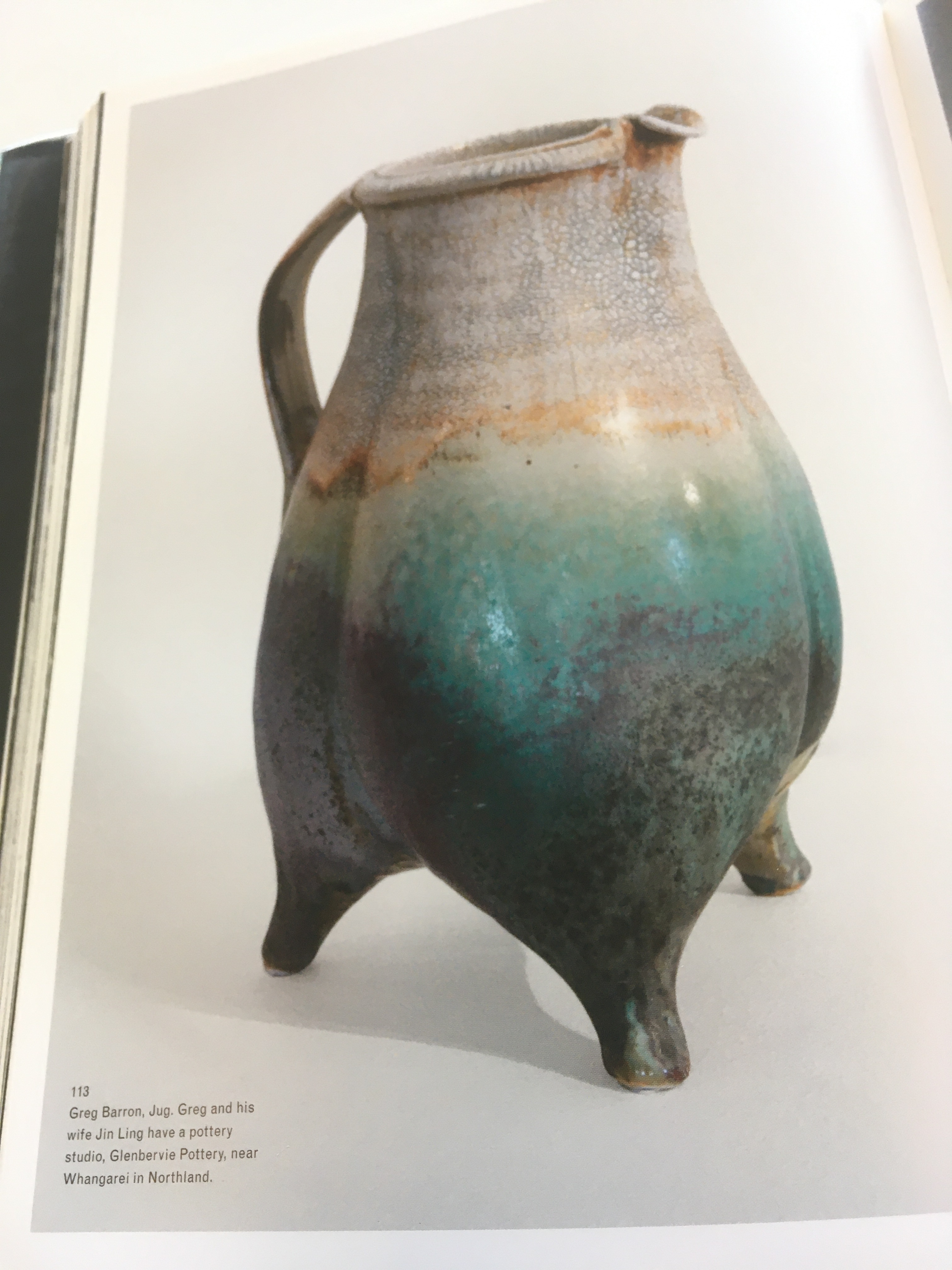
Inspiration from a Greg Baron Jug.
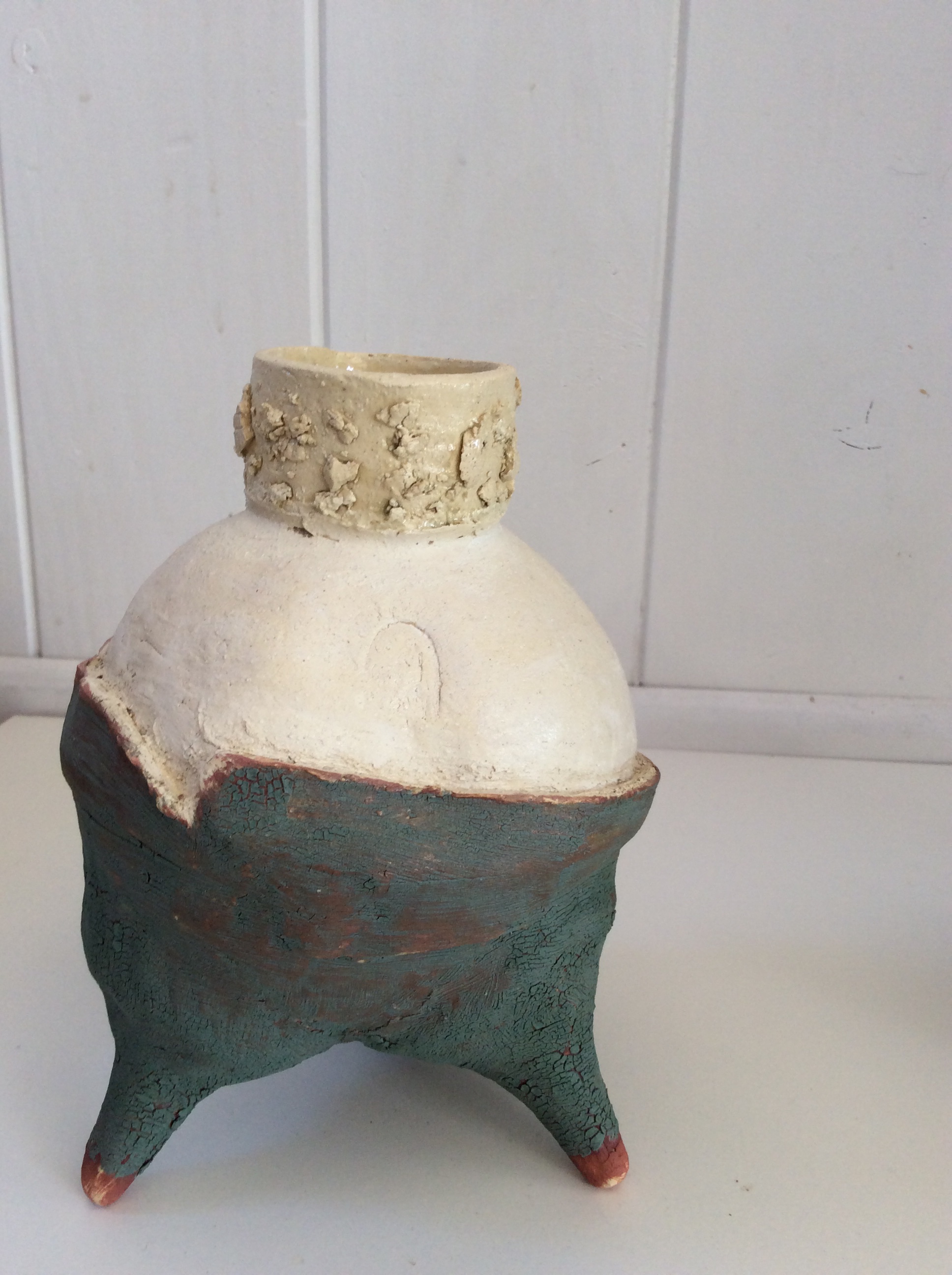
Contemporary tripod shapes .
Animal inspired stem vases
Ancient animal inspired stem vases. Marc Bell crawl glaze applied to give the vessels an old worldly look. (This was tested at Anne Hudson’s home studio, prior to application.)
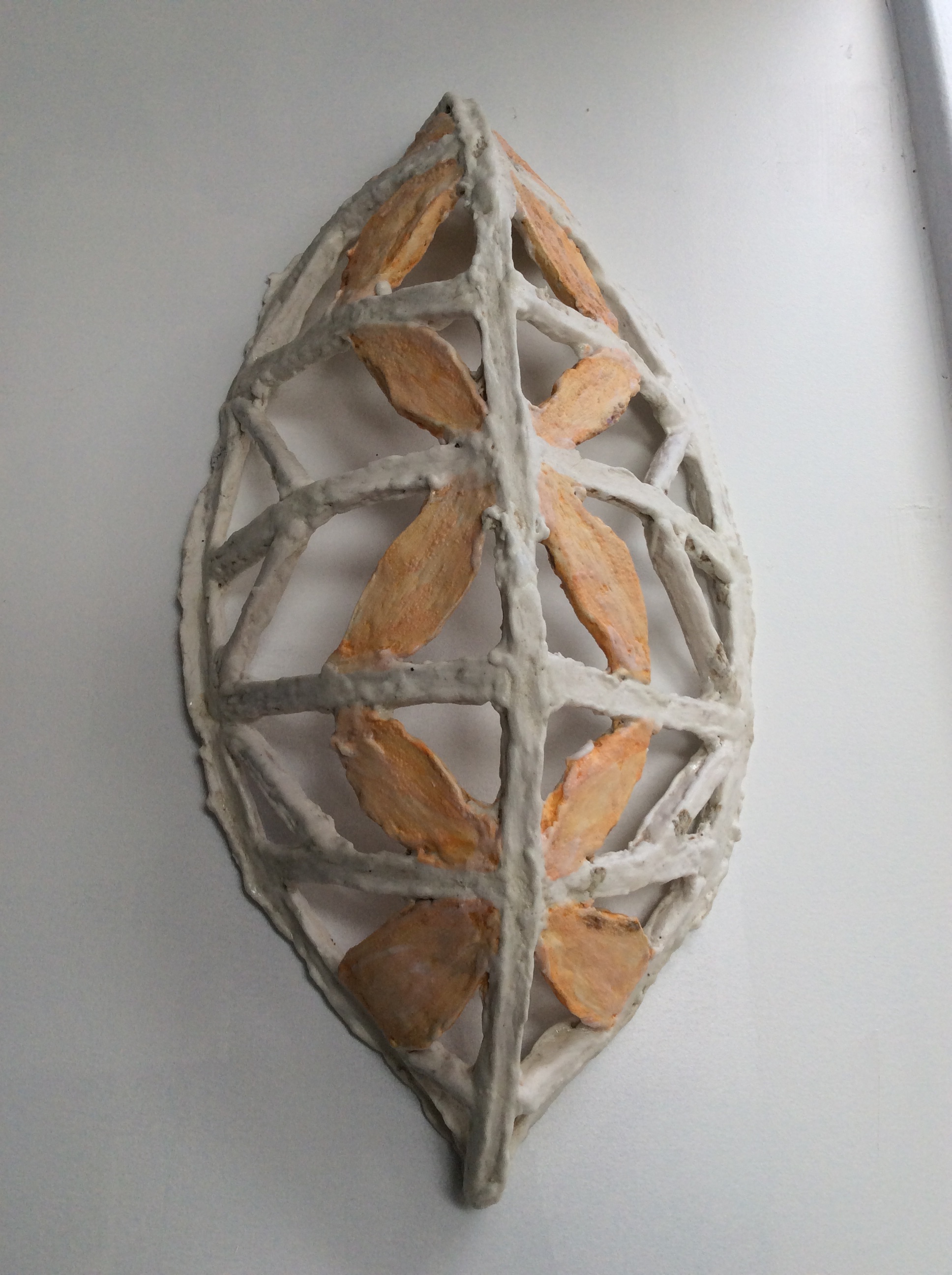
Waka journey. Made of cut paper clay in seedpod Waka mould. Orange stain applied to flowers prior to bisque fire at 900 degrees centigrade. Bronze slip applied and Egyptian paste applied on top with brush. Glaze fired at 1200 degrees centigrade.
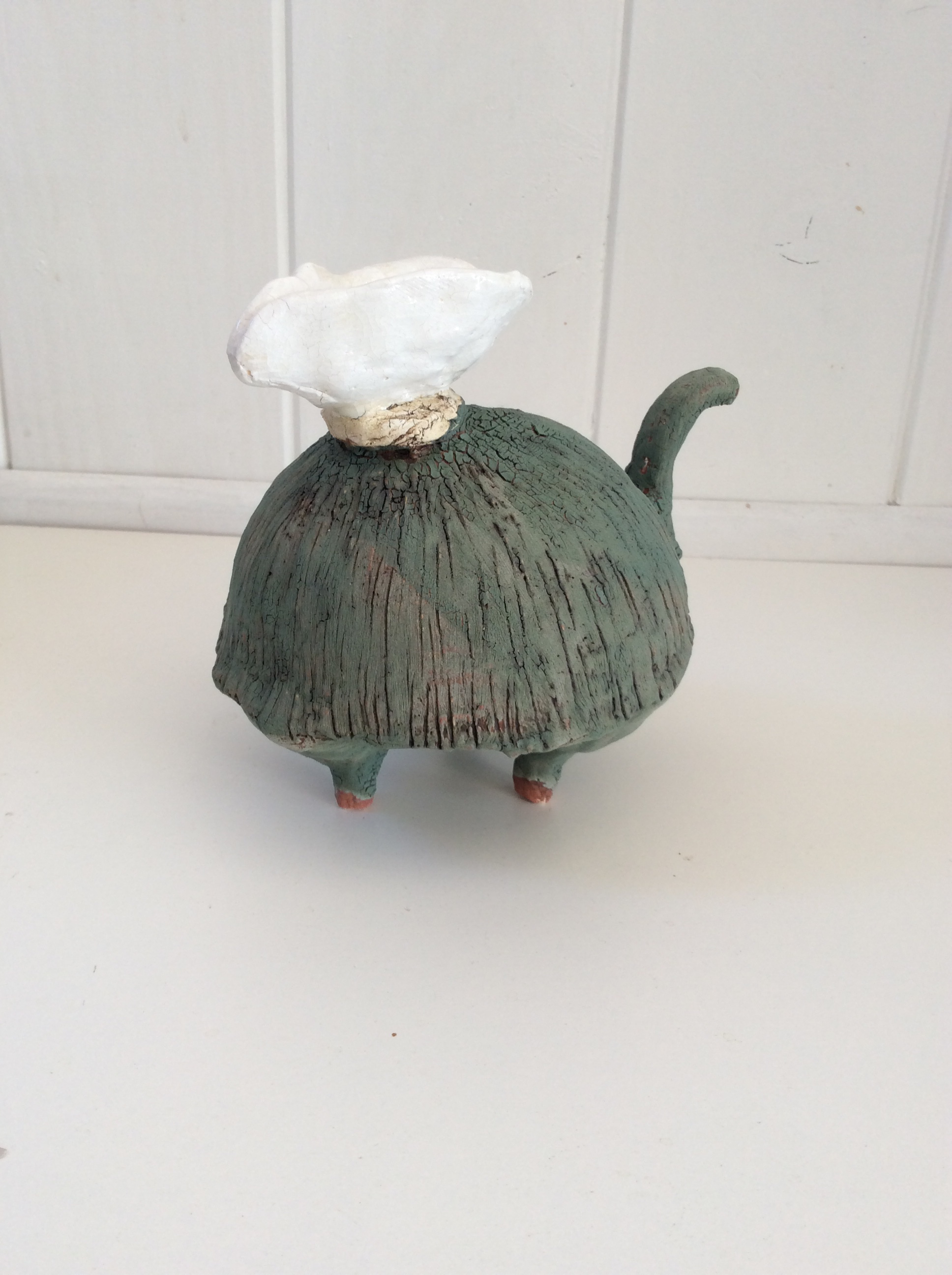
White stone clay animal shaped stem vase bisque fired with yellow iron oxide which turned red at 900 degrees centigrade and white slip. Bronze slip applied and wiped back and green crawl glaze applied on top and clear glaze applied to head. Glaze fired to 1200 degrees centigrade.
Pot belly vase shaped vessel made of Whitestone clay and bisque fired with yellow iron oxide which turned red at 900 degrees centigrade. Clear glaze applied to inside and Marc Bell glaze applied to top and bronze slip applied and wiped back and Marc Bell glaze applied over red area. Glaze fired to 1200 degrees centigrade.
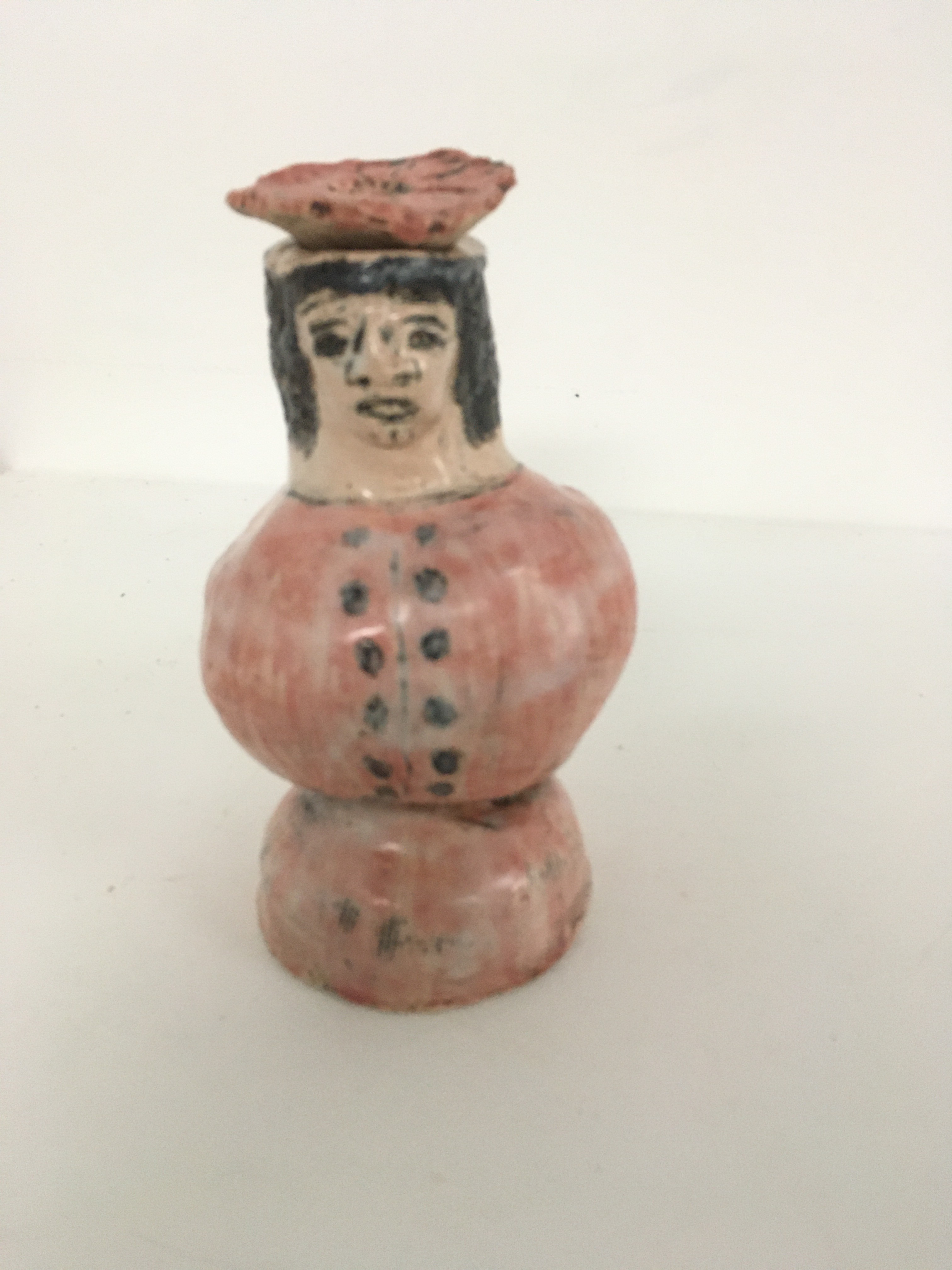
Dancer pot made of Whitestone clay. White slip applied all over prior to bisque fire at 900 degrees centigrade. Clear glaze tipped on inside and alkaline white barium glaze applied to outside of pot. Copper wash brushed around edges to give the idea of a dress. Glaze fired to 1200 degrees centigrade. ( some cracking around frill area due to clay being thinner). Flower tester with the yellow oxide which turned red.
Handled pot made of Whitestone clay. White slip applied to smooth areas with some copper oxide wash prior to bisque firing at 900 degrees centigrade. Clear glaze tipped inside and Cobalt oxide applied to textured area outside and alkaline white barium glaze applied to smooth areas.
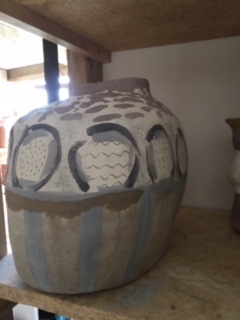
Random vase made of Whitestone clay had oxides applied and a white shiny glaze on top. Glaze fired to 1200 degrees centigrade.
Vase made of Whitestone clay. Pete’s crackle glaze made (3% cobalt) and sprayed on with a stainless steel cup sprayer. (Orange breakthroughs are a treat to see).
Waka journey
Animal vase
Pot belly and dancer
Handled pot
Random vase
Vase
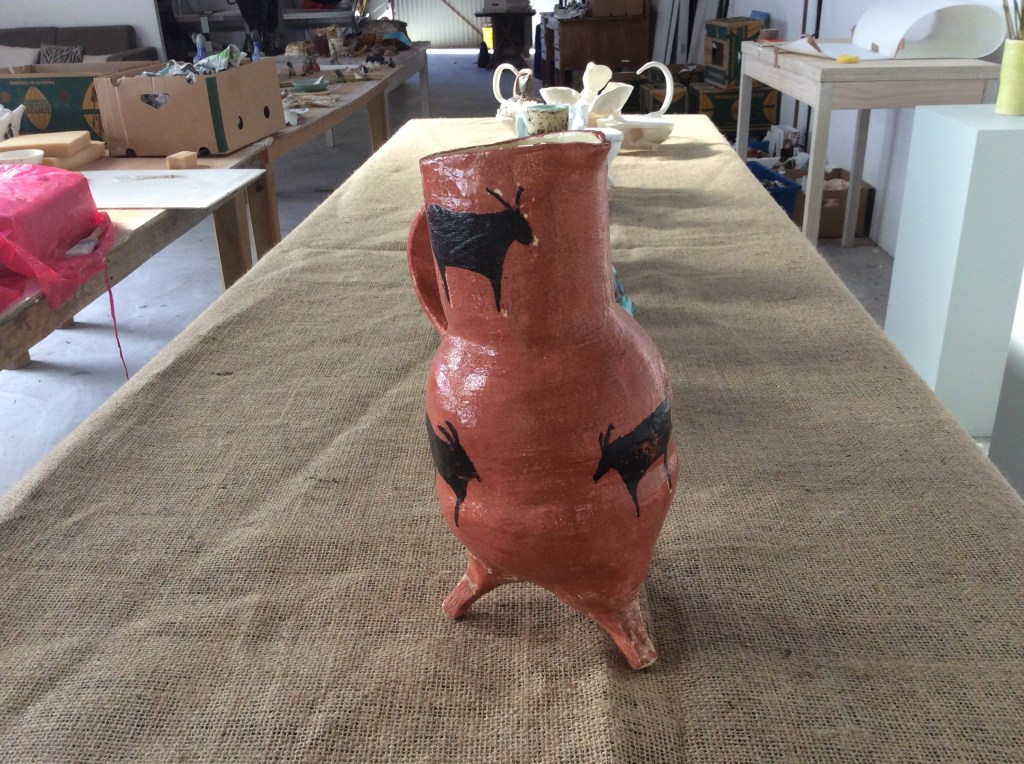
Vessels glazedJugNeolithic goat drawing
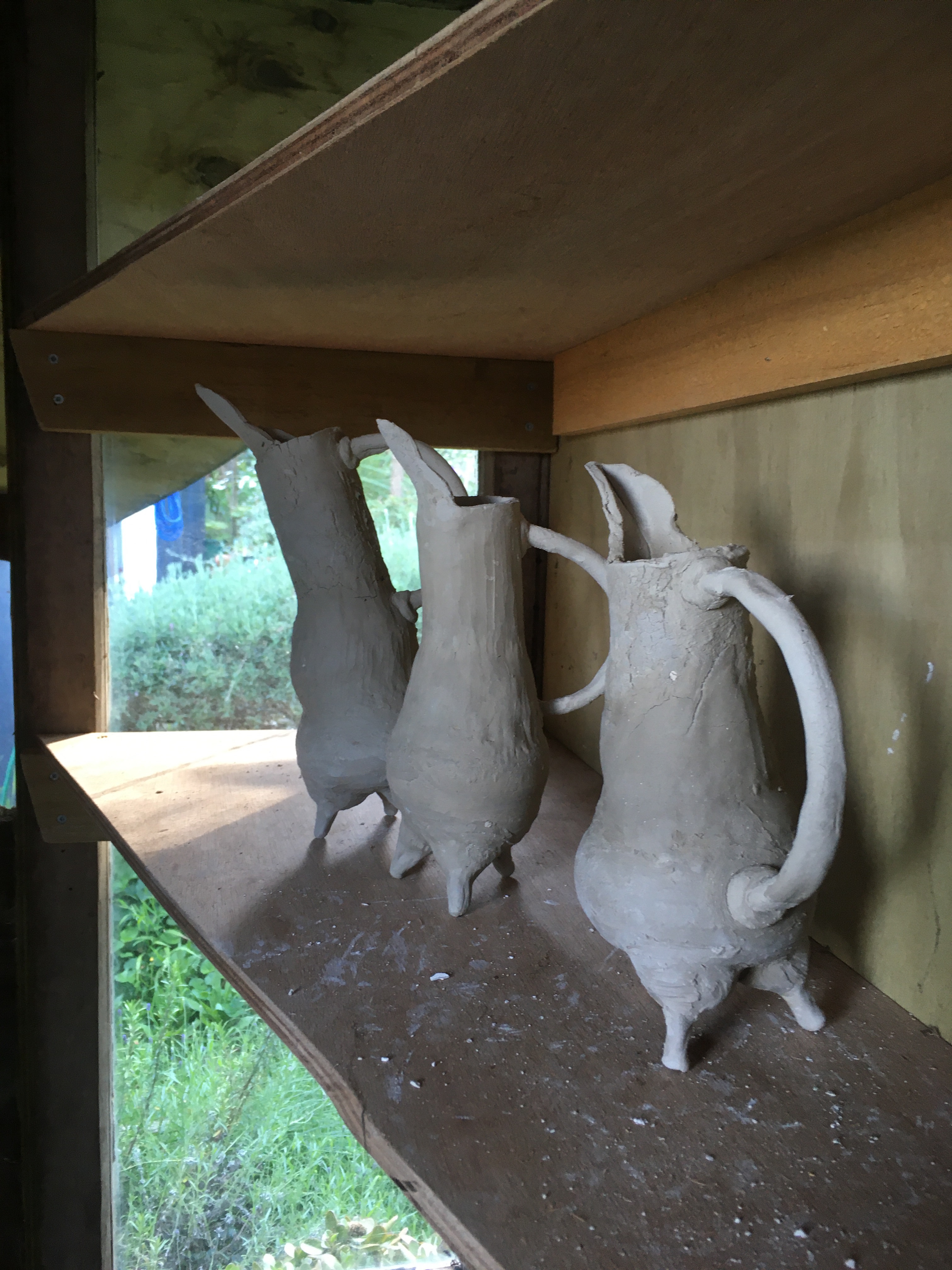
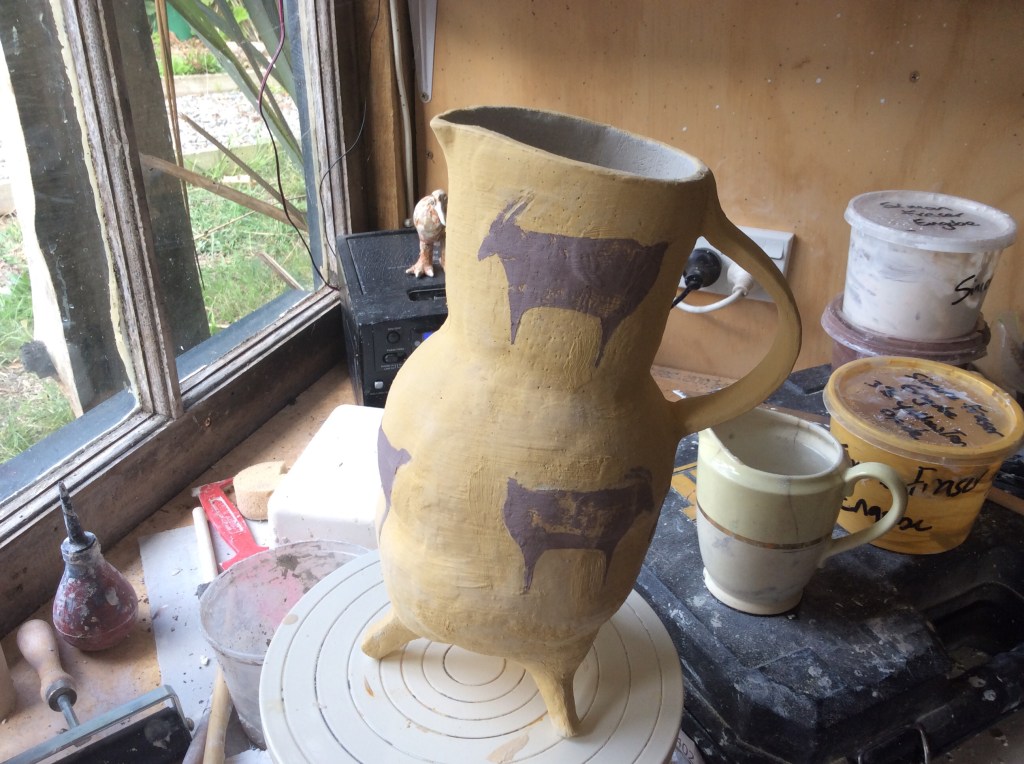
Awaiting to be bisque fired and glazed. Expect
Yellow iron oxide applied which is expected to turn red during the bisque fire and goats painted with Toms black slip.
From Neolithic animal stem vase to a jug with Neolithic animal shapes.
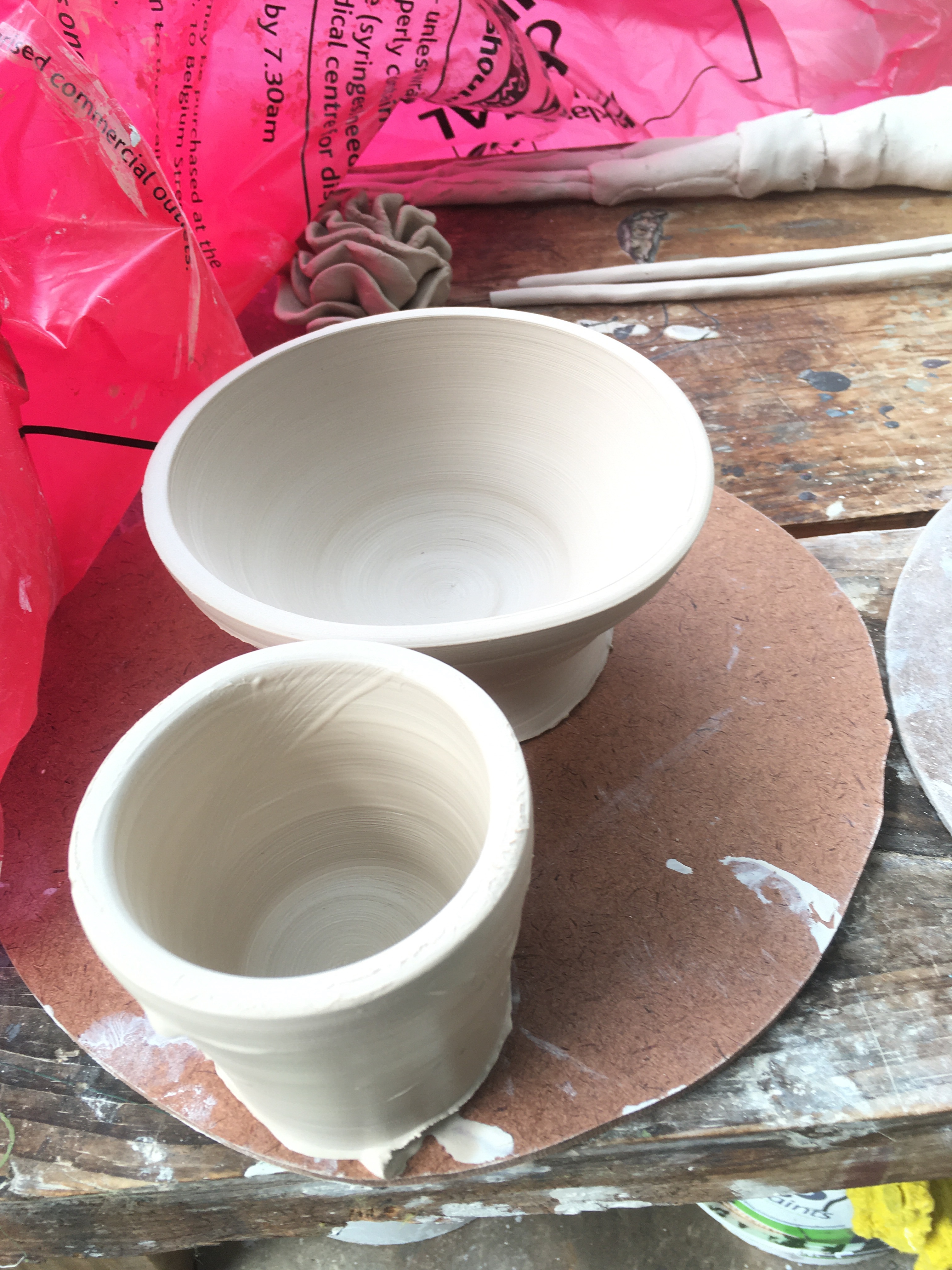
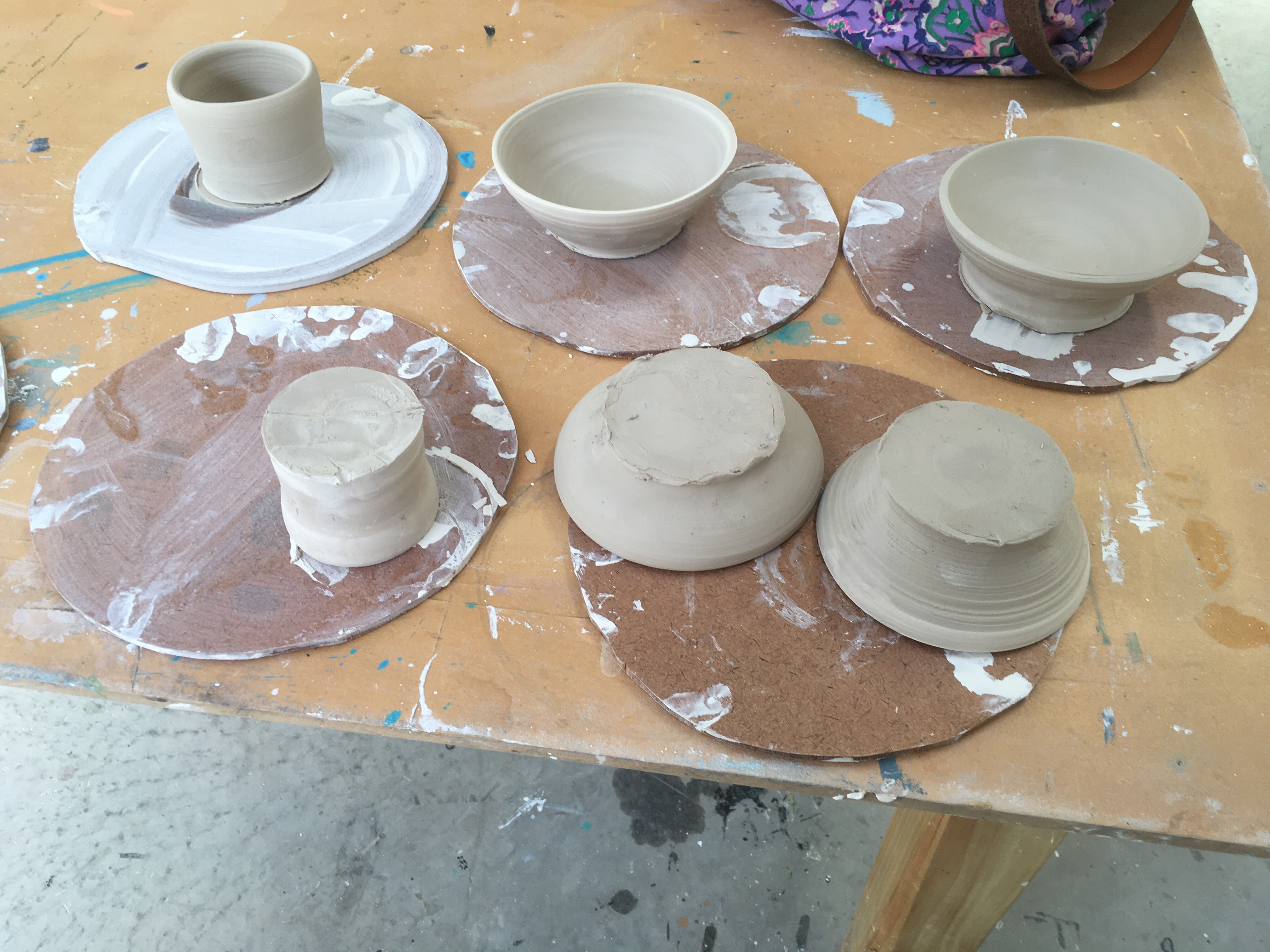
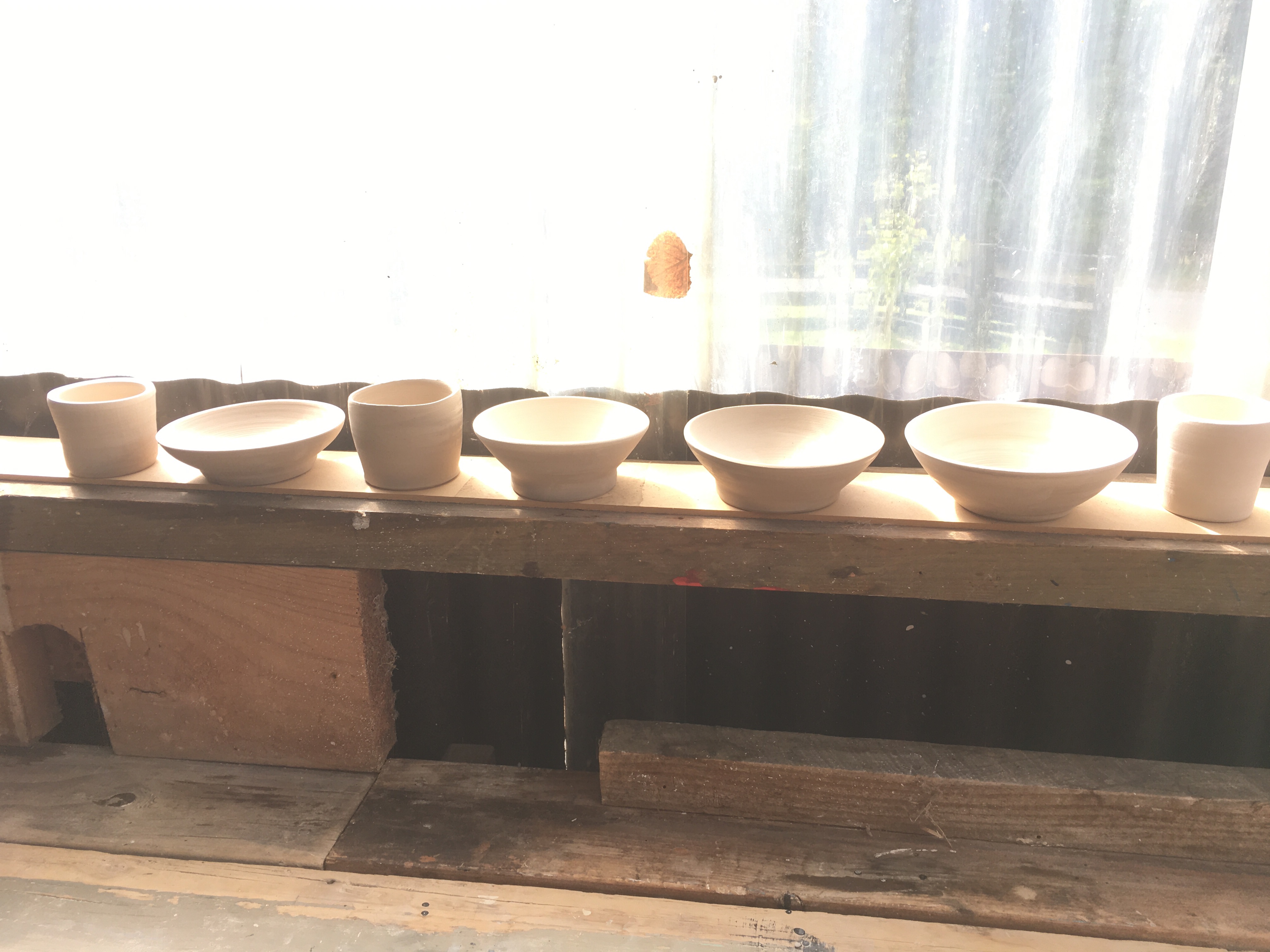
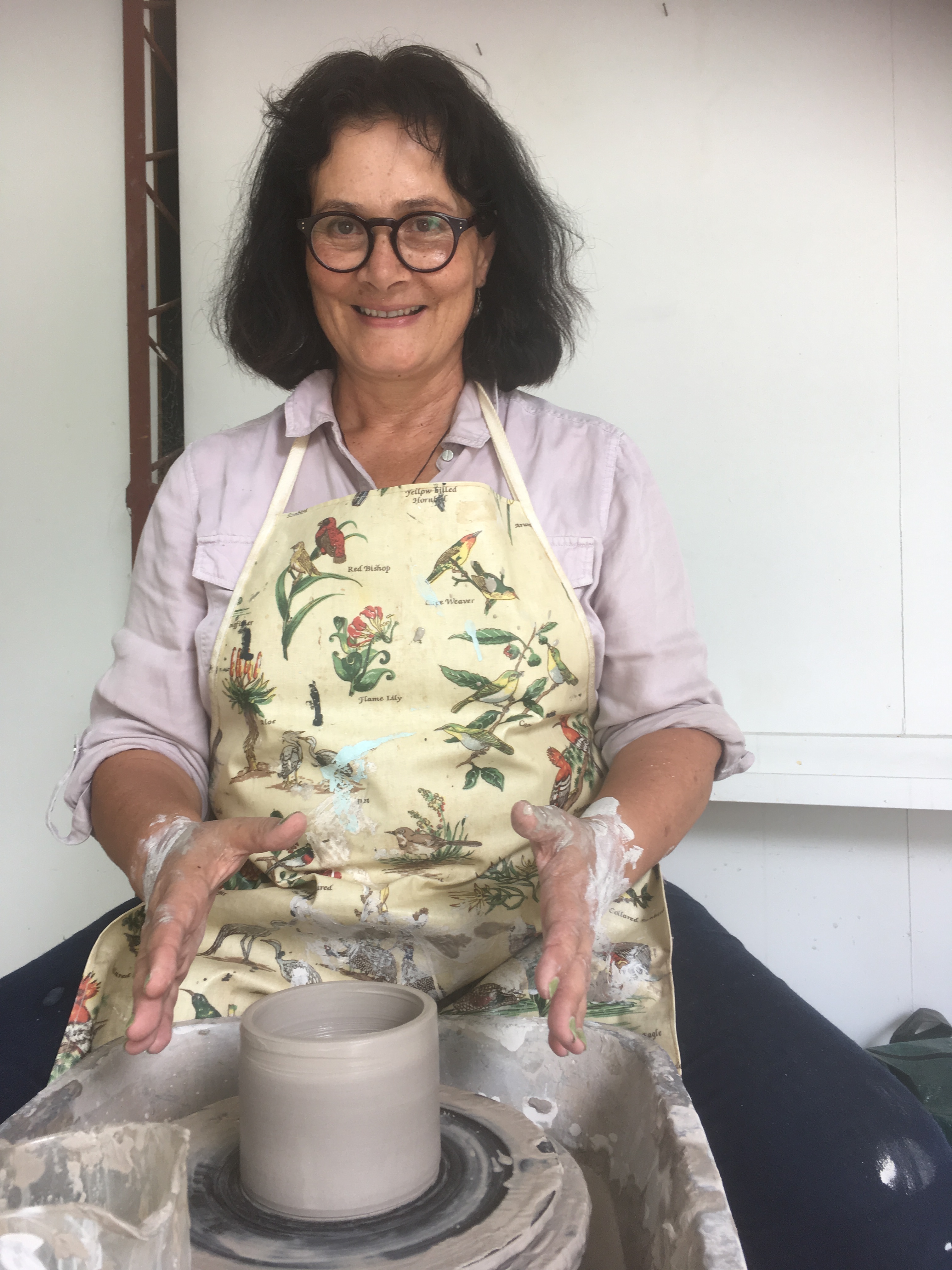
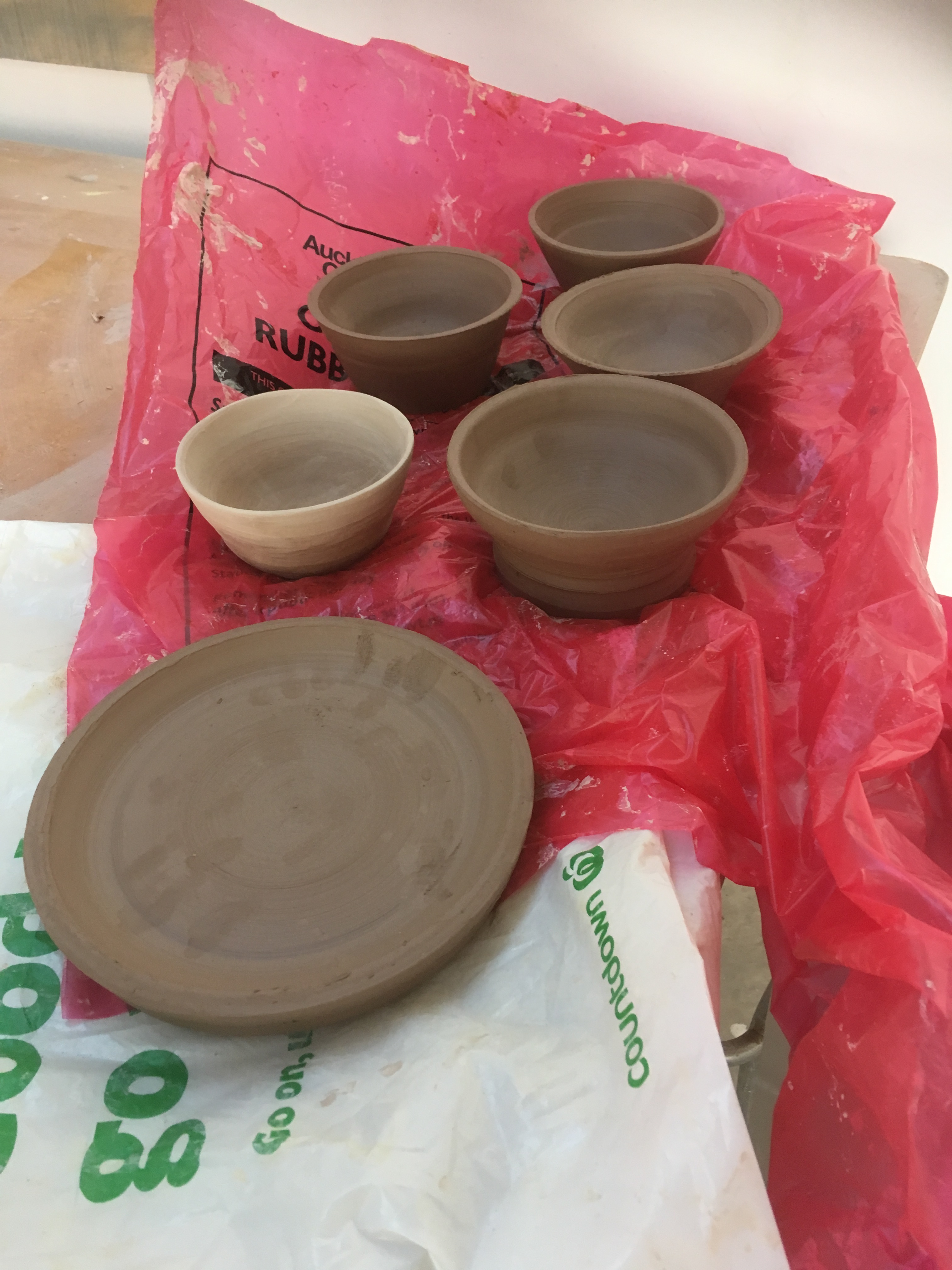
Hayley who worked at Peter Collis’s studio took us for our first scheduled module on throwing. Cylinders and bowls were focused on. We practised at the Owhanake barn for our 5 week module.
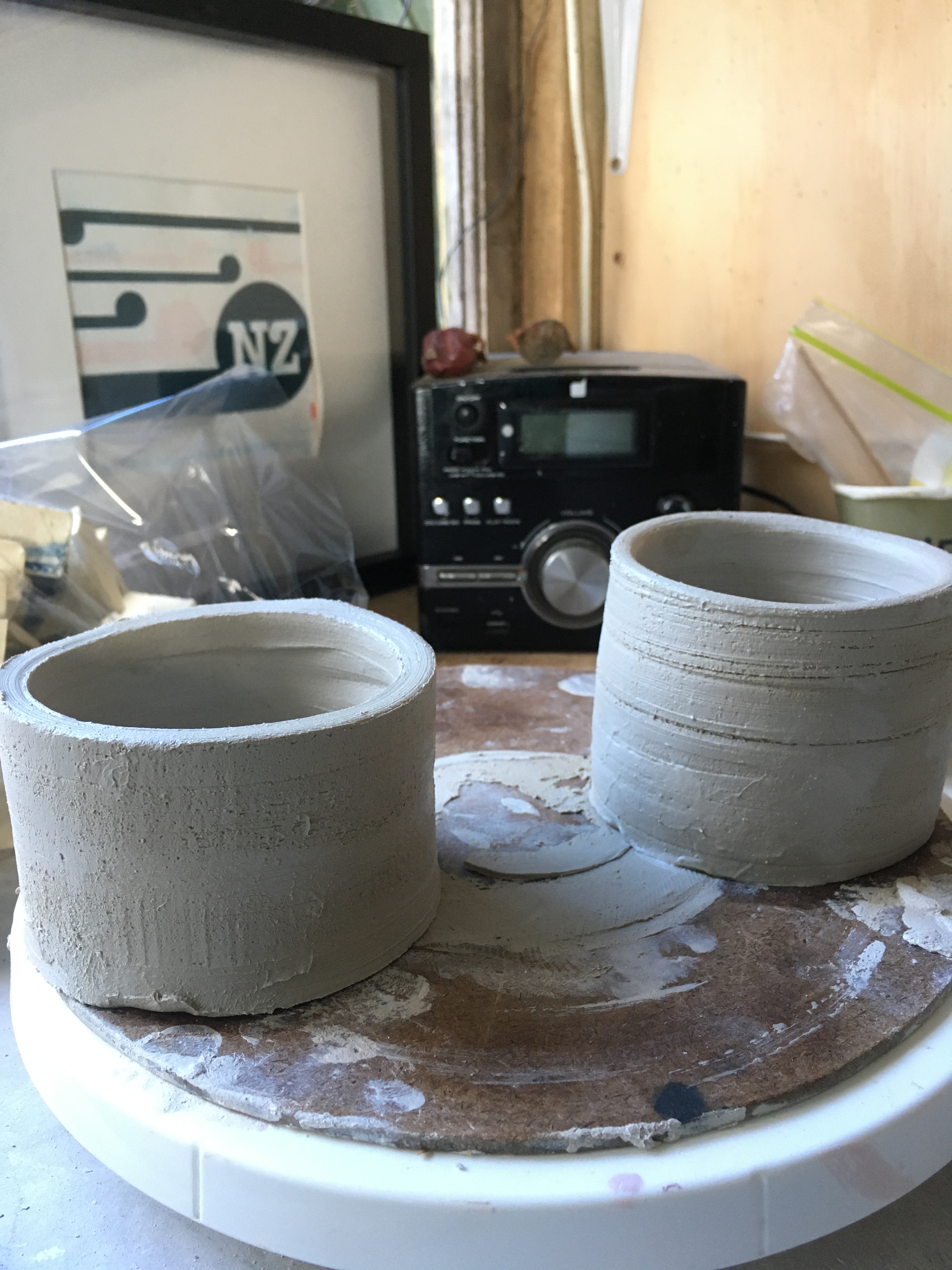
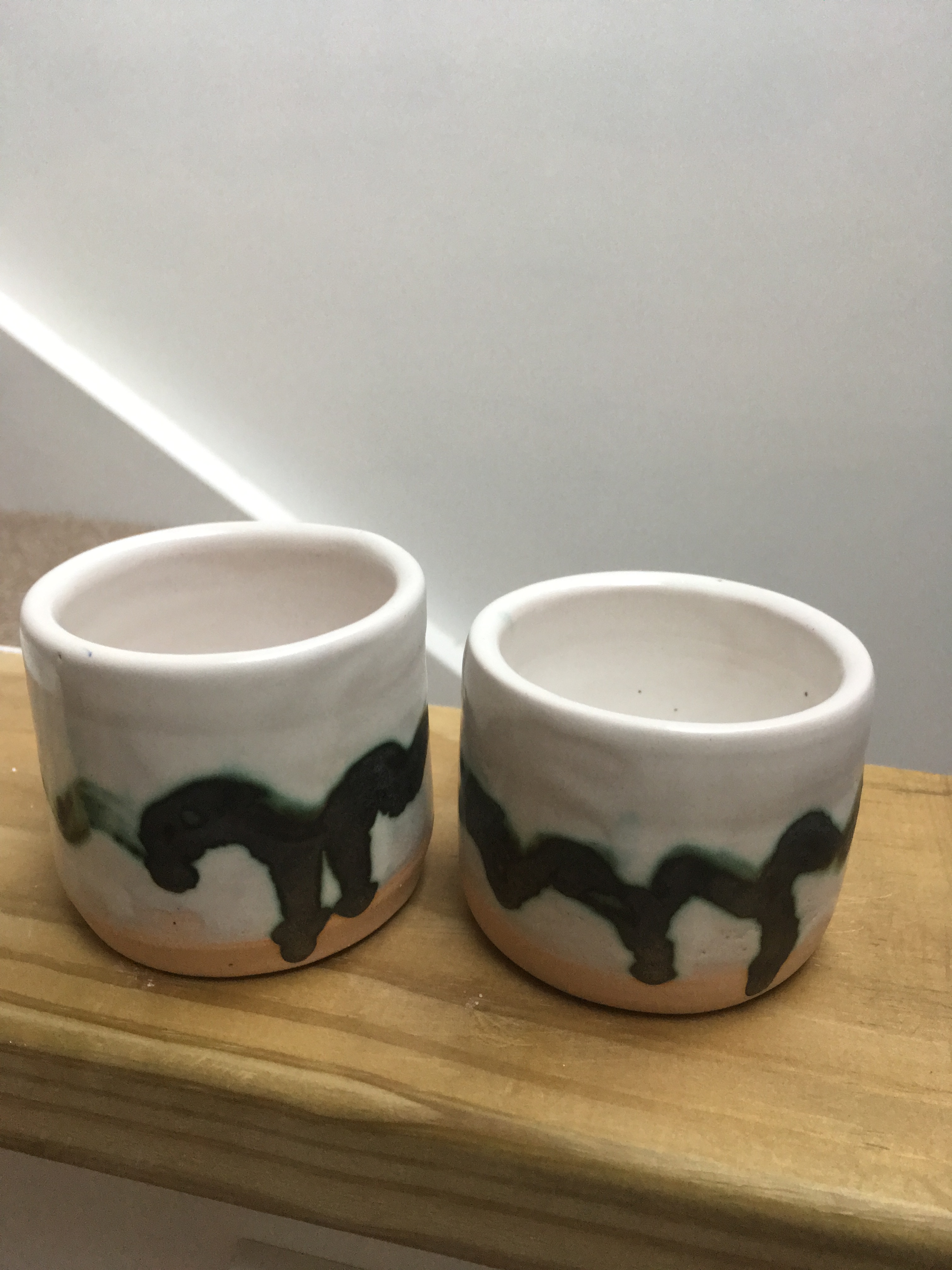
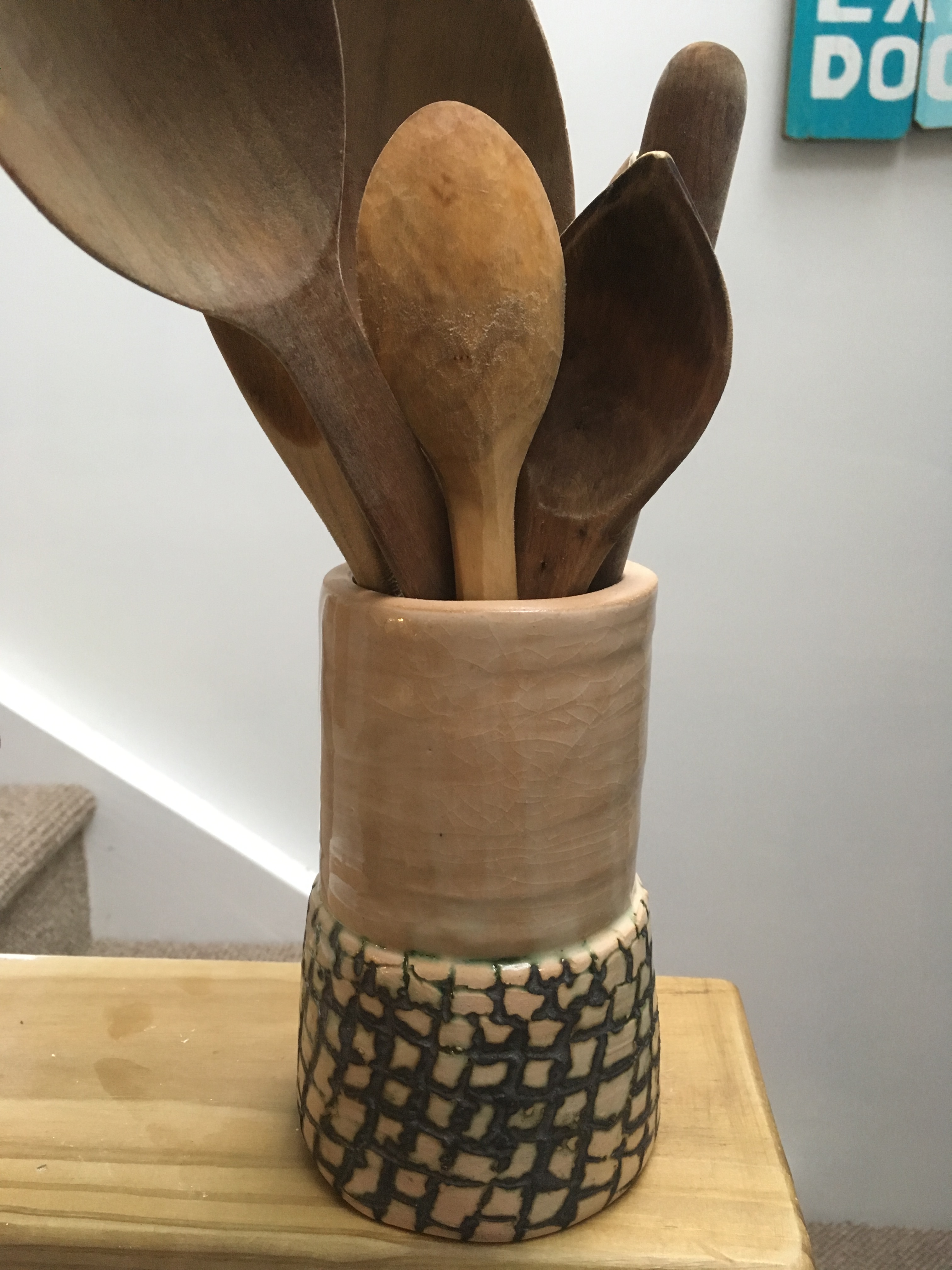
The perfect cylinderPractice Shiny white glaze with copper oxide painted on outside.2 cylinders joined. Textured with copper oxide and shiny white glaze. Clear glaze applied on rest.Copper and frit instead of clear glaze applied. (Hopefully will reglaze)Refined at 1200 degrees centigrade with a clear glaze.Aramont blue green sprayed on lightly and only one coat.Two coats of aramont blue green sprayed on outside of cylinder. Slip with outline of dog applied to bisque ware and copper glaze applied inside dog shape. Glaze tipped inside. Bowls had 2 Coats of aramont blue green sprayed on inside. 2 sprayed coats of aramont blue green.Plate with aramont blue green sprayed over slipped figure of dog which is not obvious.One coat of aramont blue green sprayed and bronze slip applied and wiped back on outside.Bronze slip applied and wiped back and aramont blue green sprayed once.
We spent some time working at Penny’s home studio. With winter season it was great for us as Penny had a fire going when her kiln was off. We were warm and her studio was sunny. It was a privilege to see her extensive collection of well renowned Potters work in her home and her work in her gallery.
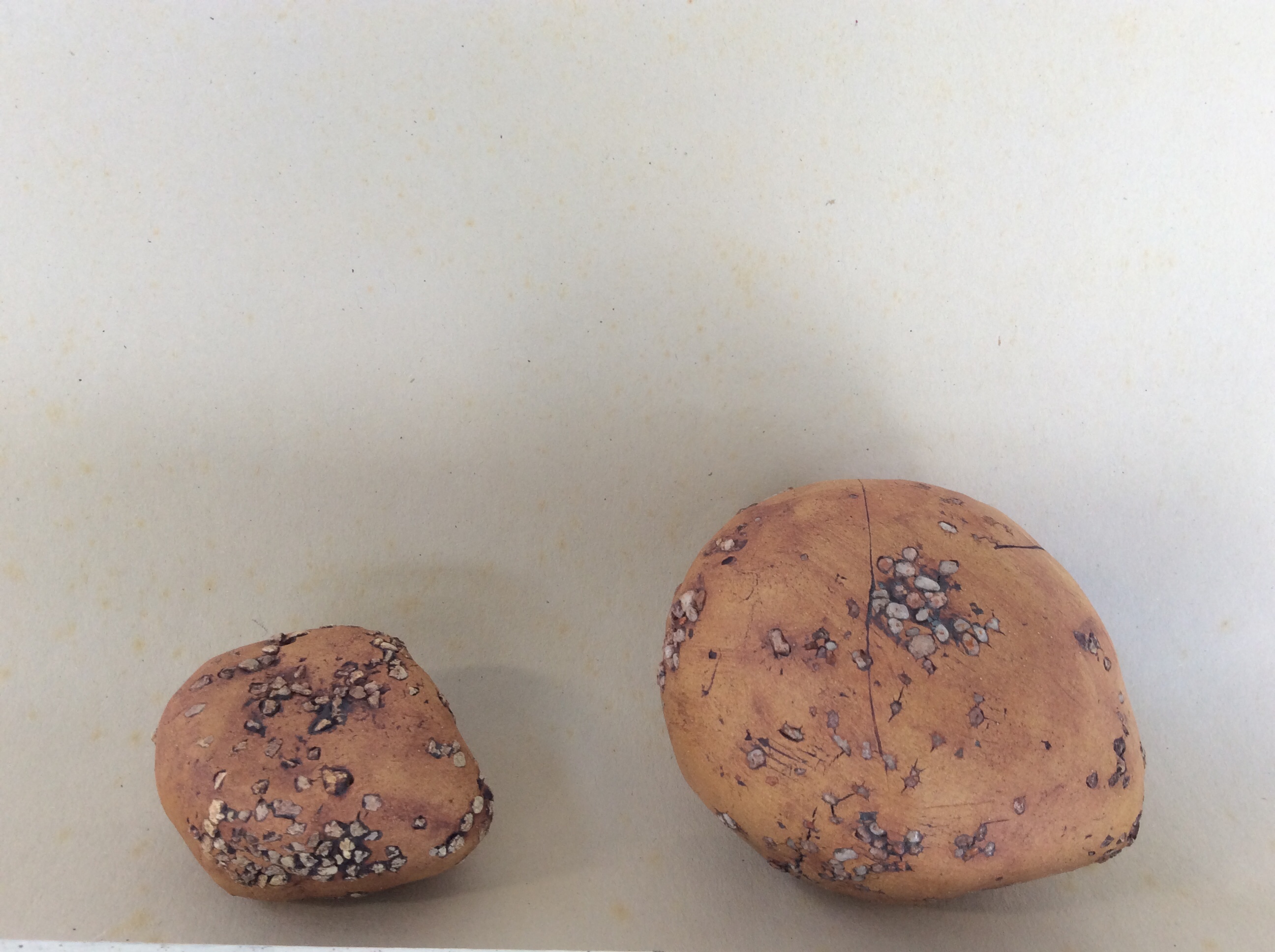
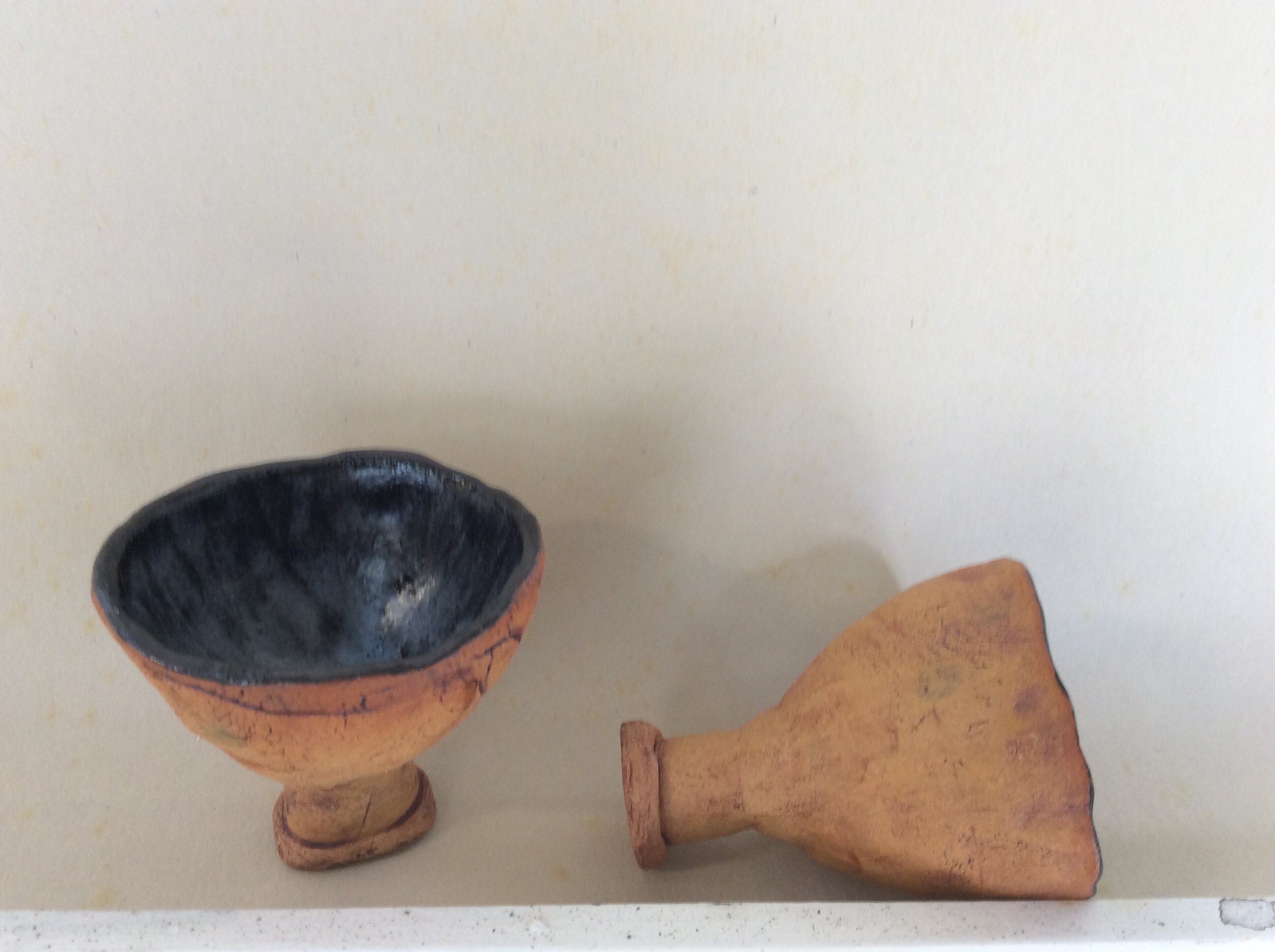
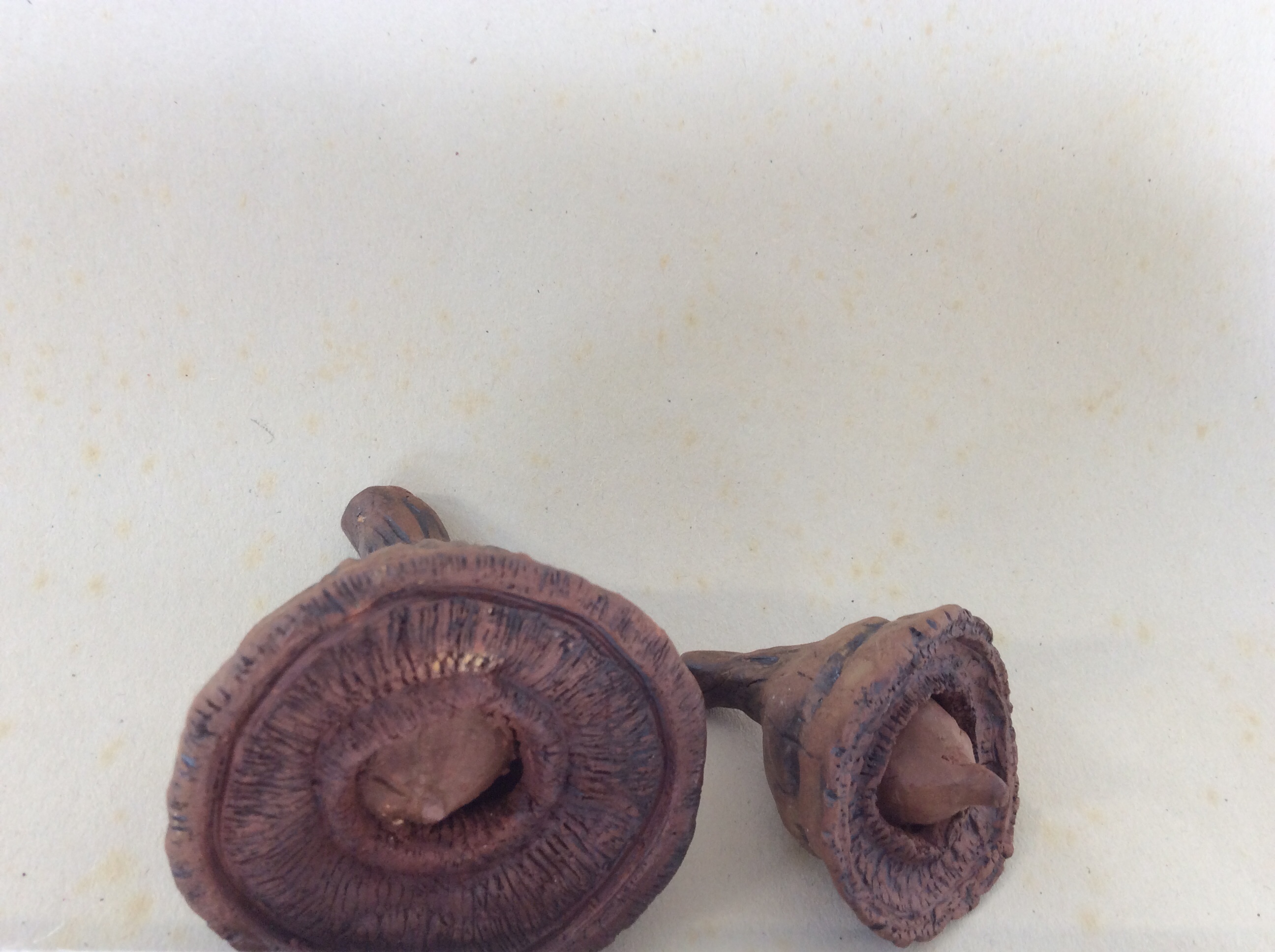
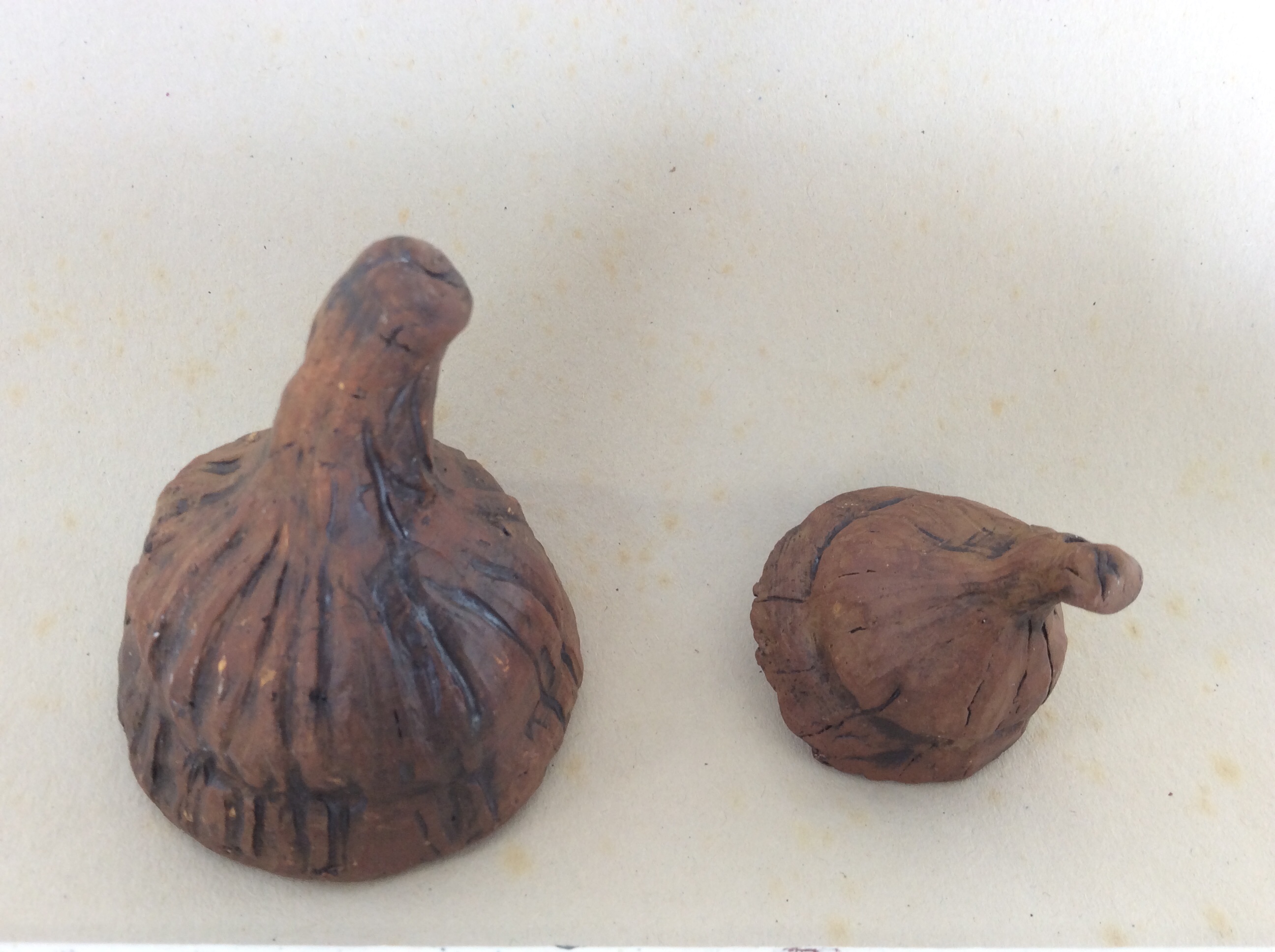
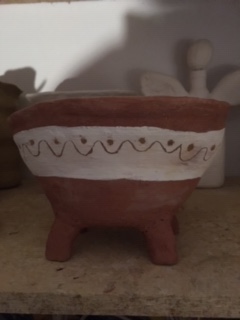
We commenced our module sketching 3 found objects; seed pods and stones and then pinching clay into shape. Whitestone and 2 terracotta clays were used.Back of seed capsules that have had oxide applied.Stones rolled in grog from the South Island. Iron oxide applied.Open stones turned into goblets. Toms black engobe covered with a clear glaze and iron oxide rubbed over outside.Seed pod with manganese oxide Oxide and sigillata used with clay from Dunedin.Pinch pot vase with terrasigillatta. Based on an ancient Egyptian style BC. Unable to make the base bigger as pinch work only.Pinch and coil work. Able to make bigger works using coil.Coiled Terracotta orchid pots. Scaffito effect with Toms white engobe and pattern scraped on.Big pot commenced extruding clay. Toms white engobe and engobe with cobalt and Toms black engobe with some engraving to take oxides.Copy of prehistoric pot from China BC. Pinched 3 legs.Terracotta coil orchid pot. Scaffito effect with Toms white engobe.Terracotta Pinch pots.Pinch pot legs and coiled pot made in mould.Coil work on slump mould with pinch pot legs.
Pinch pot with coil underneath to give lift to the pot. Sprigs attached to side of pot and iron oxide sigillata and bronze slip applied. Alas the orange sigillata colour burnt out in the firing to 1180 degrees.

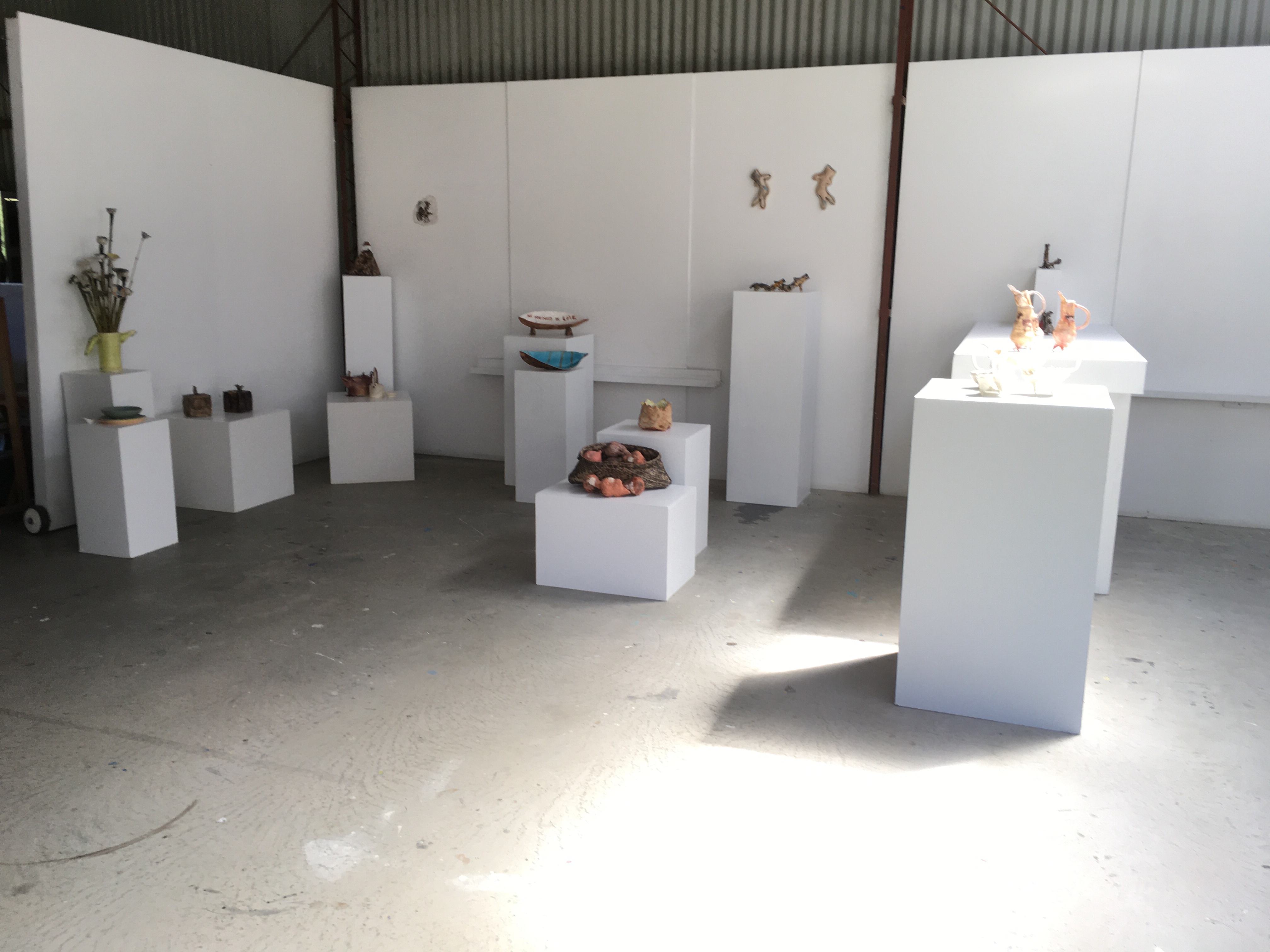
 Terrys Pottery